
Nature for nerds
If EVs survive the ongoing political fiasco, here’s how we could get the most bang for our buck.
The combined impact of a historic snow drought, early heat wave, and above-average Pacific Ocean temperatures could fuel a vicious drought and wildfire season.
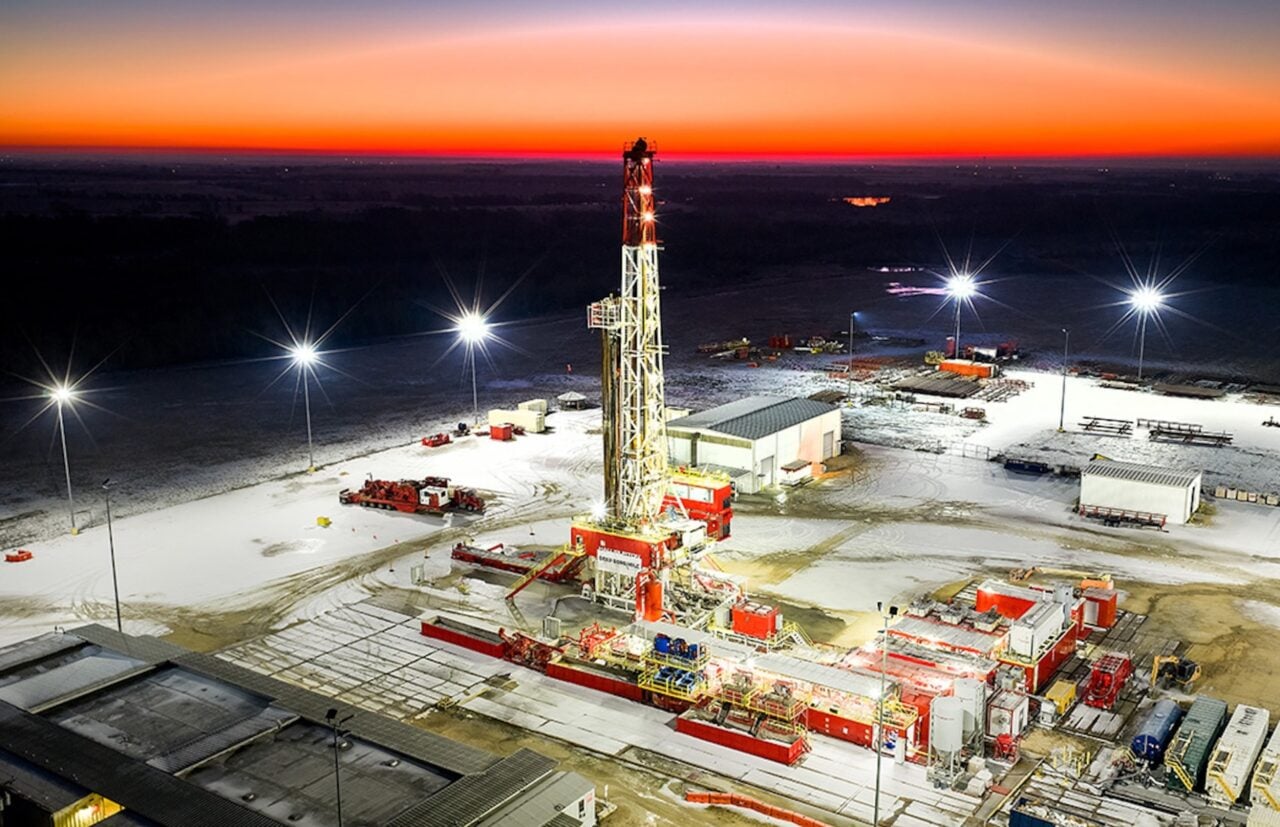
UCLA's Stop Methane Project ranked the 25 oil and gas sites with the largest methane emissions rates worldwide.
Vineyard Wind is the first offshore wind farm to finish construction under Trump. The administration is now weighing a billion-dollar deal to stop the next one.
Blizzards and heatwaves and thunderstorms, oh my!
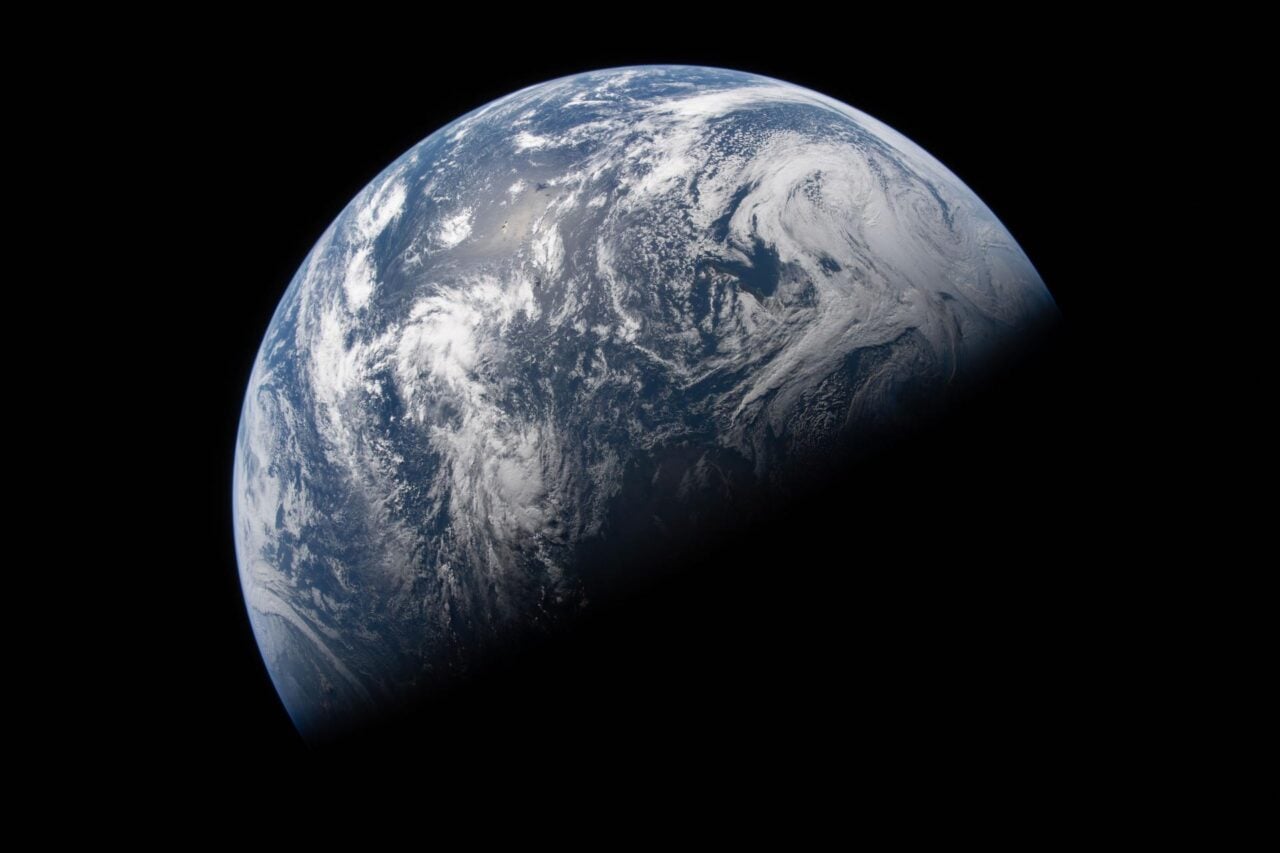
The new study described this "almost unprecedented rate of increase" in the length of an average day as a quantifiable consequence of Earth's rising oceans.
It’s not just sardines and dried beans. Self-identified preppers are also stashing luxuries like coffee and chocolate.
A new method transforms a "persistent environmental liability" into a much-desired resource, the researchers say.
Supercell thunderstorms and tornadoes brought devastation to several central states earlier this week, and the danger is far from over.
AI’s projected water demand will create major problems not just for the average American, but for the industry itself.
The Eastern U.S. is finally enjoying some springlike warmth, but meteorologists say temperatures could plummet again in mid-to-late March.
The geyser is likely to fall back into dormancy soon, but there's a slim chance the spectacular eruptions will continue into summer.
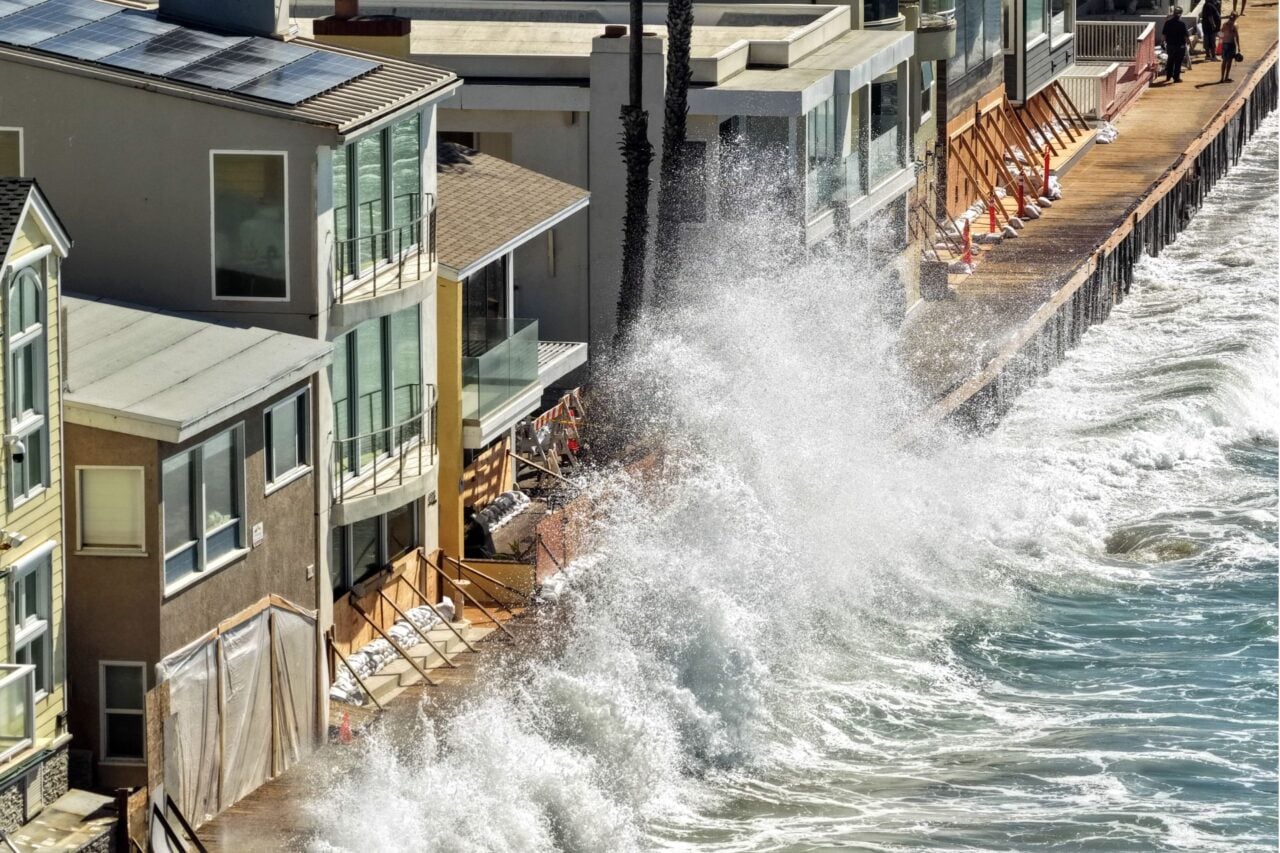
An analysis of coastal impact assessments revealed that the majority are not based on direct sea-level and land-elevation measurements—that's troubling.
In Asheville, North Carolina, a housing crisis is colliding with a poorly understood health threat.
Surveillance technology intended to protect endangered species is weaponized against locals, with repercussions that range from harassment to physical violence.
It’s a comforting idea, but a new study did not find evidence to support it.
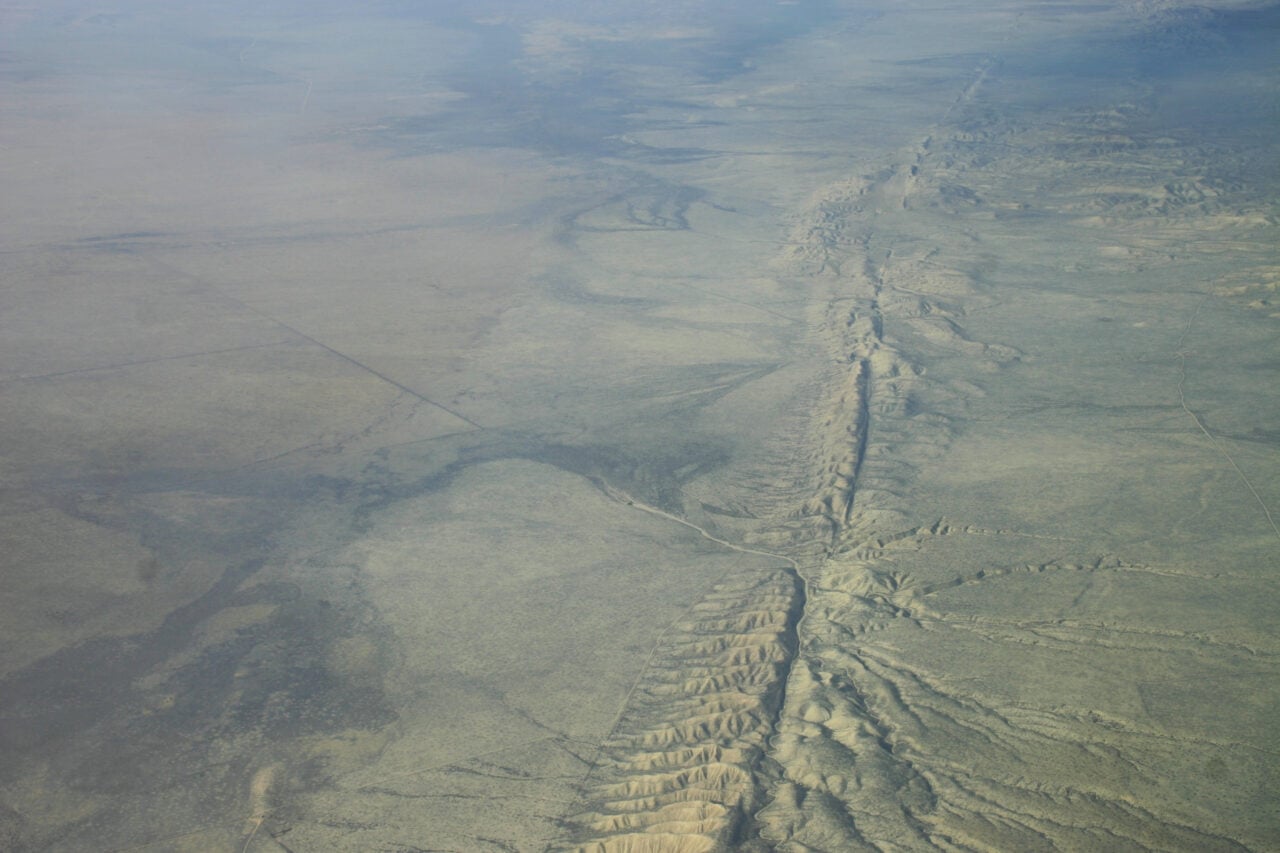
Make no mistake—this doesn’t mean there is no danger. The researchers urge policymakers to treat seismic risk as a constant.
Perhaps surprisingly, the answer isn't climate change.
Scientists have observed "coronae" on treetops for the first time, confirming the phenomenon occurs in the wild.
The Congo Basin’s peatlands have stored carbon for millennia, but new research suggests much of it is now escaping.