Last year, a private-public collaboration initiated tests for a novel nuclear fuel with big promises: reduced nuclear waste and enhanced performance for pressurized heavy water reactors. The results are now in, and, impressively, they indicate this new recipe could deliver on its promises.
In a statement released earlier this week, the energy company Clean Core Thorium Energy (CCTE) announced the completion of a two-year test on the effectiveness of its patented fuel, Advanced Nuclear Energy for Enriched Life, or ANEEL for short. According to the tests, conducted at Idaho National Laboratory (INL)’s Advanced Test Reactor, ANEEL fuel produced more than eight times the typical discharge burnup of traditional pressurized heavy water reactors. The results pave the path forward for introducing more effective ways to sustain nuclear power, the company said.
A hybrid recipe
ANEEL is a combination of thorium and high-assay low-enriched uranium (HALEU). As smaller, more compact nuclear reactors approach commercial markets, HALEU will be critical for smaller advanced reactors to get more power per unit of volume, according to the U.S. Department of Energy. Current reactors run on uranium fuel that’s enriched up to 5% of uranium-235, the isotope responsible for producing energy during nuclear chain reactions.
On the other hand, pressurized heavy-water reactors use heavy water (deuterium oxide) to cool and control nuclear reactions and represent the third most common reactor type, making up 11% of global reactors. The uranium in these reactors isn’t usually enriched at all, meaning that the fuel contains a measly 0.72% or less uranium-235 for fission, INL explained in a previous announcement on the commencement of ANEEL tests.
Put to the test
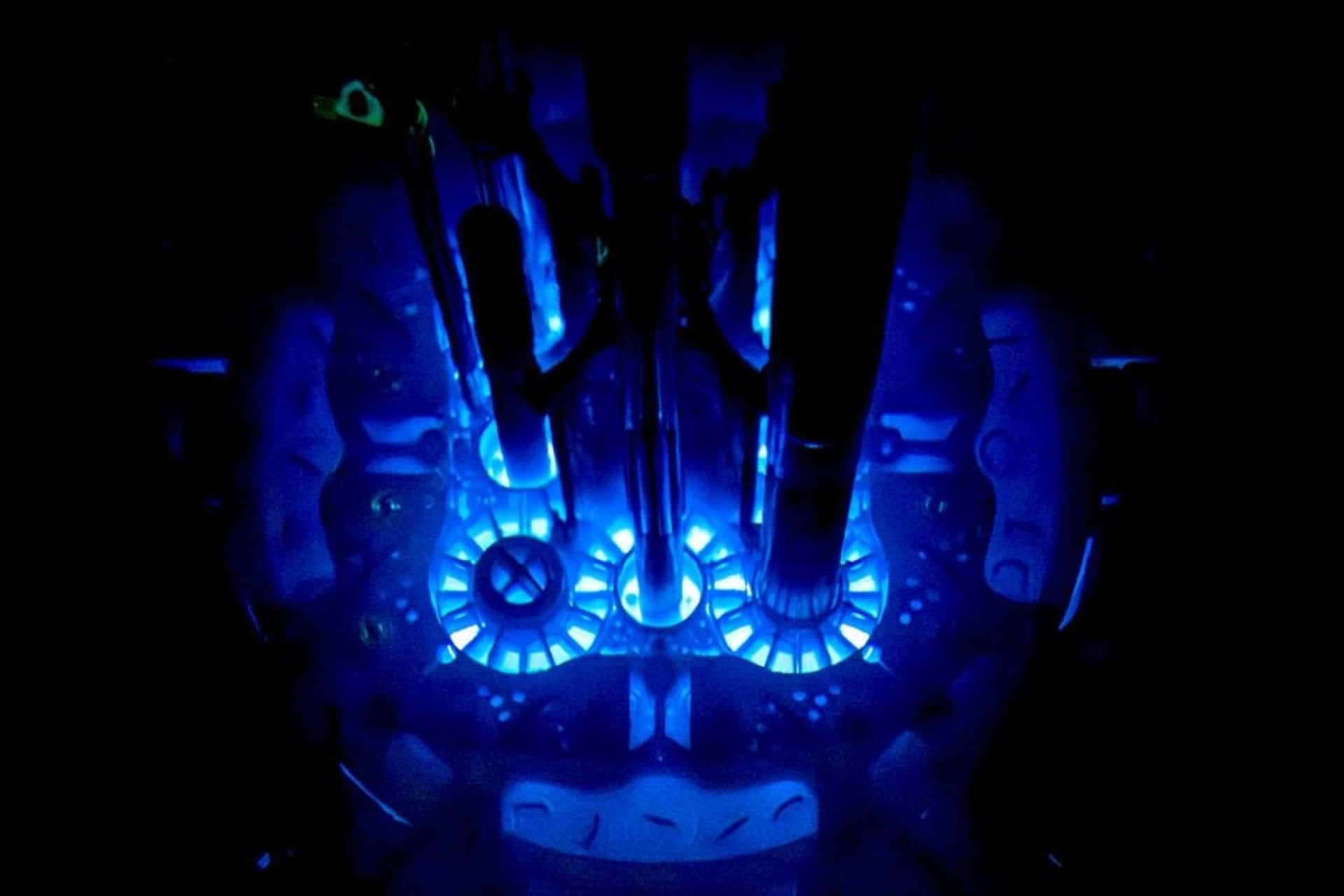
Starting in May 2024, the team loaded 12 ANEEL fuel rodlets into the Advanced Test Reactor, setting burnup targets of 20, 40, and 60 GWd/MTU (gigawatt-days per metric ton of uranium). According to the U.S. Nuclear Regulatory Commission, burnup is a metric for how much uranium is burned in the reactor and, therefore, how much energy it can produce.
That said, it’s worth noting that commercial nuclear reactors in the U.S. are either pressurized water reactors or boiling water reactors, which uses light (basically, normal) water. But CCTE CEO Mehul Shah explained that ANEEL’s burnup goals were set to determine whether the fuel blend could generate power comparable to those in light water reactors.
If it could, that would make ANEEL an alternative that produces similar power loads “while offering improved fuel utilization, enhanced safety characteristics, inherent proliferation resistance, and meaningful reductions in long-lived nuclear spent fuel radioisotopes,” he said.
Burning numbers
Impressively, eight of the rodlets achieved the first two targets last year, with the remaining four recently surpassing 60 GWd/MTU. What’s more, irradiation conditions in the Advanced Test Reactor are actually more aggressive than what the rodlets would face in real pressurized heavy-water reactors, so these tests offer extensive data on how the fuel would respond “under accelerated conditions that simulate extended reactor operation,” CCTE said.
“Our objective has been to introduce thorium into the nuclear fuel cycle in a practical way using existing reactors, and this milestone represents a significant step toward that goal,” Shah said.
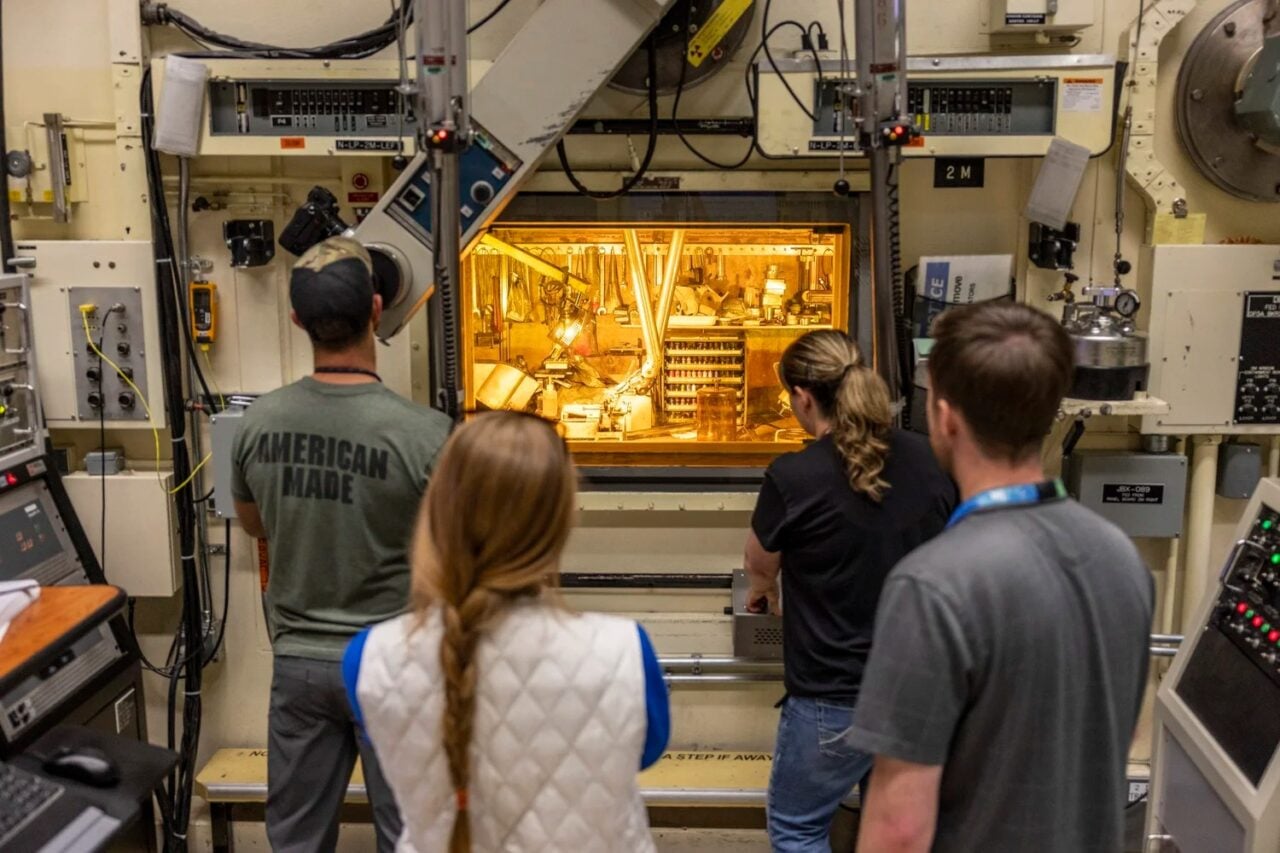
As of now, the fuel rodlets are undergoing post-irradiation examination, also at INL facilities, CCTE explained. After that, the company plans to conduct ANEEL fuel demonstrations in commercial power plants.