Modern-day anime has basically perfected the “trapped in a video game” storyline—so much so that it’s well past the point of feeling derivative with each passing season. But, to be ever so charitable, what ain’t broke doesn’t need fixin’. Skim the chaff from the oversaturated video-game-anime gumbo, and you’ll find shows like Sword Art Online, which repopularized the isekai-adjacent power-fantasy protagonist; Shangri‑La Frontier (in my humble opinion), which perfected it; and the controversial 2025 anime of the year, Solo Leveling, which flipped the formula by dragging RPG mechanics into the real world.
After dusting off my bookshelf of old anime DVDs from my FYE-employee-discount era, I rediscovered .hack//Sign, a Funimation-era anime that doesn’t get enough credit for being the core ingredient to today’s trends. Having given it a rewatch (since it’s not streaming anywhere), I can say with my whole chest that it might be my favorite depiction of gaming in a virtual space—not for its call to action or its action, but for how sharply it highlights an underappreciated facet of gaming as a communal space. That, and the fact that it doubles as a PSA to log the hell off.
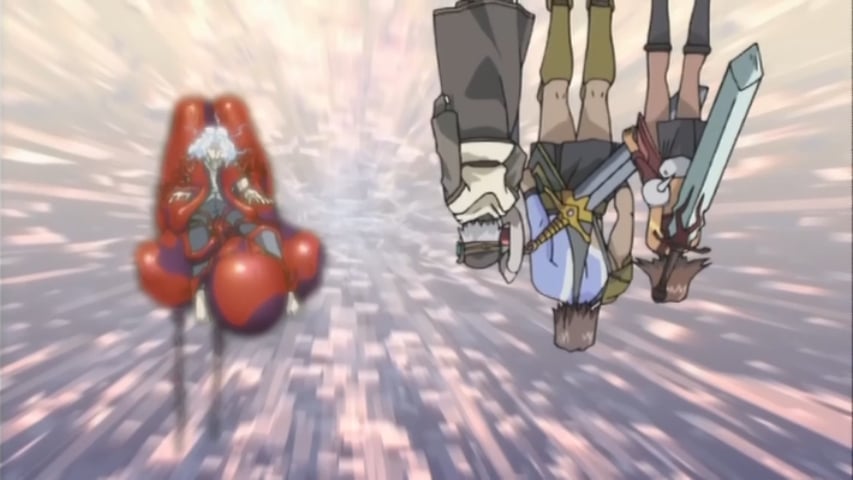
.hack//Sign, animated by Bee Train, is a 2005 anime whose premise has become pretty by-the-numbers by modern anime standards—and for good reason. Many credit it with introducing the tropes we know today. In it, folks play The World, a hot online MMORPG that feels like a cross between World of Warcraft, Final Fantasy XIV, The Legend of Zelda, and Dragon Quest, as a way to escape their daily lives. That is to say, it’s a fantasy-ass fantasy game. Likewise, protagonist Tsukasa is an overpowered kid who’s not only trapped in the game but also tied to an all-powerful MacGuffin called the Key of the Twilight, which everyone’s after to gain control of The World.
Mind you, the anime itself doesn’t get its wheels turning on the whole grand adventure Tsukasa and his newfound friends trek on in their hunt for the Key of the Twilight until around the 13th episode of its 26-episode first season (not counting its two OVAs). And honestly, I appreciate the show more for its downtime than its action. Mainly because it completely nails the communal aspect of gaming.
Whenever my friends hit me up in Discord to “clock in” and play Overwatch, Fortnite, or Marvel Rivals, we’re not logging on just to grind for skins or climb our way out of the gulag that is console competitive play. We play as an excuse to hang out. The game itself is like going to a baseball game and treating your seats like your living room, while something exciting happens in the background, creating a comfy ambiance.
Between respawns, pinging where we just got eliminated by an enemy player, and brief crash-outs over team chat messages blaming us as healers for why we got dog walked (always from DPS players), we’re shooting the shit asking about how our days went. Sometimes things get heavy; other times we’re just clowning on each other before agreeing not to end the night on a loss and queueing up for “one more match” before we log off.
Throughout the series are moments where characters mention how late it’s getting for them, or try to suss out the occupation of their friends—a term that initially jarred me watching, since they’d never met in person and barely interacted enough to warrant the distinction when even “acquaintances” felt like a stretch. Still, that parlance only deepened the early‑internet texture of online gaming and the medium’s role in helping people make fast friends. Rather than navel-gaze at the novelty of online friends, .hack//Sign reaches through time to echo a sentiment that gets thrown around today: the importance of logging off—or, in modern parlance, touching grass.
And it’s that rallying cry that makes the near-universal panic over Tsukasa being trapped in the game land so hard. Not because it gives Tsukasa an advantage in chasing the big MacGuffin, but because being stuck in a virtual space—feeling pain and endlessly respawning—is no way to live, even if you’re overpowered. While modern anime often skips this dynamic in favor of main-character power-fantasy intrigue, .hack//Sign holds up twenty years later precisely because it focuses on the part of gaming that happens between the gameplay.
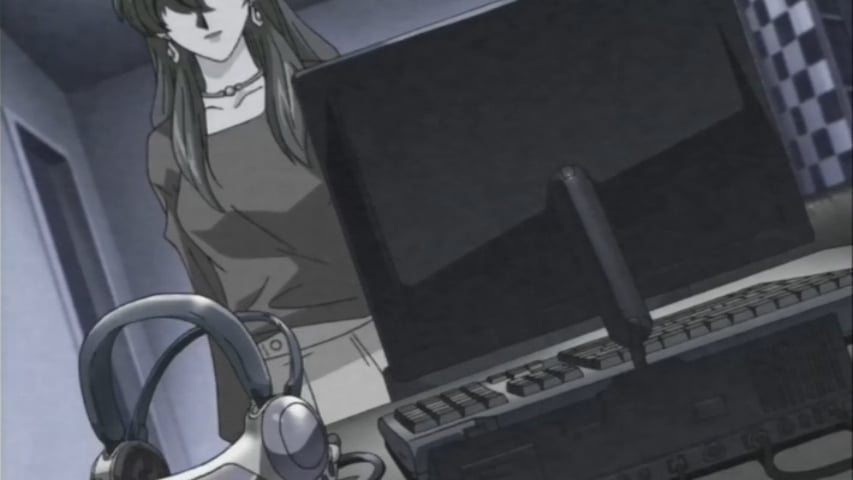
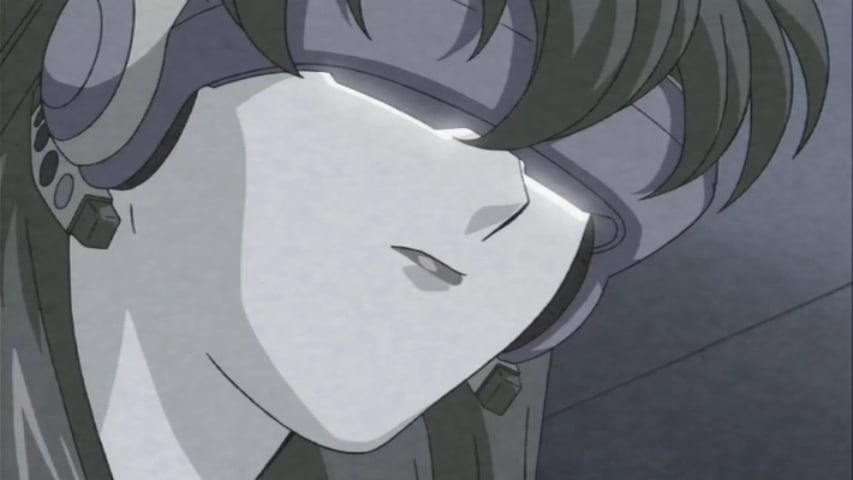
Sure, the series has its fair share of gameplay-coded moments too, like groaning at newbies for dragging the party into a dungeon they’re wildly under-leveled for or chastising teammates for not save-scumming before a quest. But my favorite beats in its early episodes are when characters acknowledge that the avatars they’re playing are roles they’re maintaining—the kayfabe of role‑playing, if you will. High priestesses, noble guards, ruffian brawlers, conniving villains… and then, between those performances, they casually break the veil to say that they’ll have to log off soon. Or better yet, they’ll let their real lives spill into the game with some fireside chats with their friends.
There are two scenes that really drive this phenomenon home. The first is one in which two adventurers are talking, both depicted as adult men. Yet, the conversation they’re having isn’t about partying up. It’s a conversation between a dad and his child of divorce. In it, the child guilts the parent into putting more money into his account before delivering the one-two gut punch that they spend more time together in the game than in real life. Coincidentally, the second moment shows the same parent lying in the field with a female party member—one who has grown close enough to him in virtual life to know about his parental woes and become a confidant to him.
It’s moments like this that hit especially hard, given .hack//Sign‘s Serial Experiments Lain-style approach to the virtual world’s horrors and the creeping folly of treating gaming as pure escapism. All the while, the show doesn’t finger-wag at the real power of forming friendships with folks in gaming spaces, so long as the goal is to log the hell off and continue forging these bonds outside of The World and into the real world, like Tsukasa’s party does. It also doesn’t hurt that it has a raucous OST. Anytime Yuki Kajiura‘s music hit (occasionally drowning out the dialogue it was underscoring), I felt like I was levitating.
It’s no wonder .hack//Sign is quietly considered to be the forebear of this prevailing trend in anime. Hopefully, by highlighting it, more fans will give it a watch, as I have, and find something beautiful in it that reaches across time and resonates with them, as it has with me. Good luck finding a copy of it in the wild, though.
Want more io9 news? Check out the best movies and TV shows to stream this month and all the upcoming sci-fi, fantasy, and horror books that should be on your radar.