The frontier artificial intelligence labs love to highlight how their technology could lead to the destruction of humanity. And hey, it seems like they’re right—though not from some internet-breaking hack that leads to the meltdown of the modern economy or an AI-engineered bioweapon, but because an entire generation’s retirement plan is tied up in a technology that hasn’t meaningfully generated a profit yet.
According to a report from the New York Times, as much as $700 billion worth of public pension funds—the retirement pools for public sector employees at the city, county, and state level—could be exposed to AI-related investments that may or may not go bust in the coming years. That leaves the more than 37 million people who participated in state and local pension plans in 2025, according to US Census Bureau data, at risk of a potential bubble burst should some of the companies currently propping up the economy go belly up.
Short-term, the bets on AI might appear positive. There remains a seemingly endless amount of spending happening both on the makers of frontier AI models, who are racing to go public in the near future, and for AI infrastructure projects as more data centers get stood up across the country to support the growing demand for compute that these companies create. Per a Brookings Institute study, there is $10.3 trillion in infrastructure spending planned from 2025 to 2032, which would account for nearly 4% of all US gross domestic product per year.
But what happens if things go sideways? Nothing good, that’s for sure. The Open Markets Institute and Americans for Financial Reform recently warned in a report that an AI downturn “would hit pension funds hard, particularly since AI-linked assets dominate stock and corporate bond markets as well.” The Times drew comparisons to past crashes, like the 2008 financial crisis, which cost many Americans as much as a quarter of their retirement, wiped out in an instant.
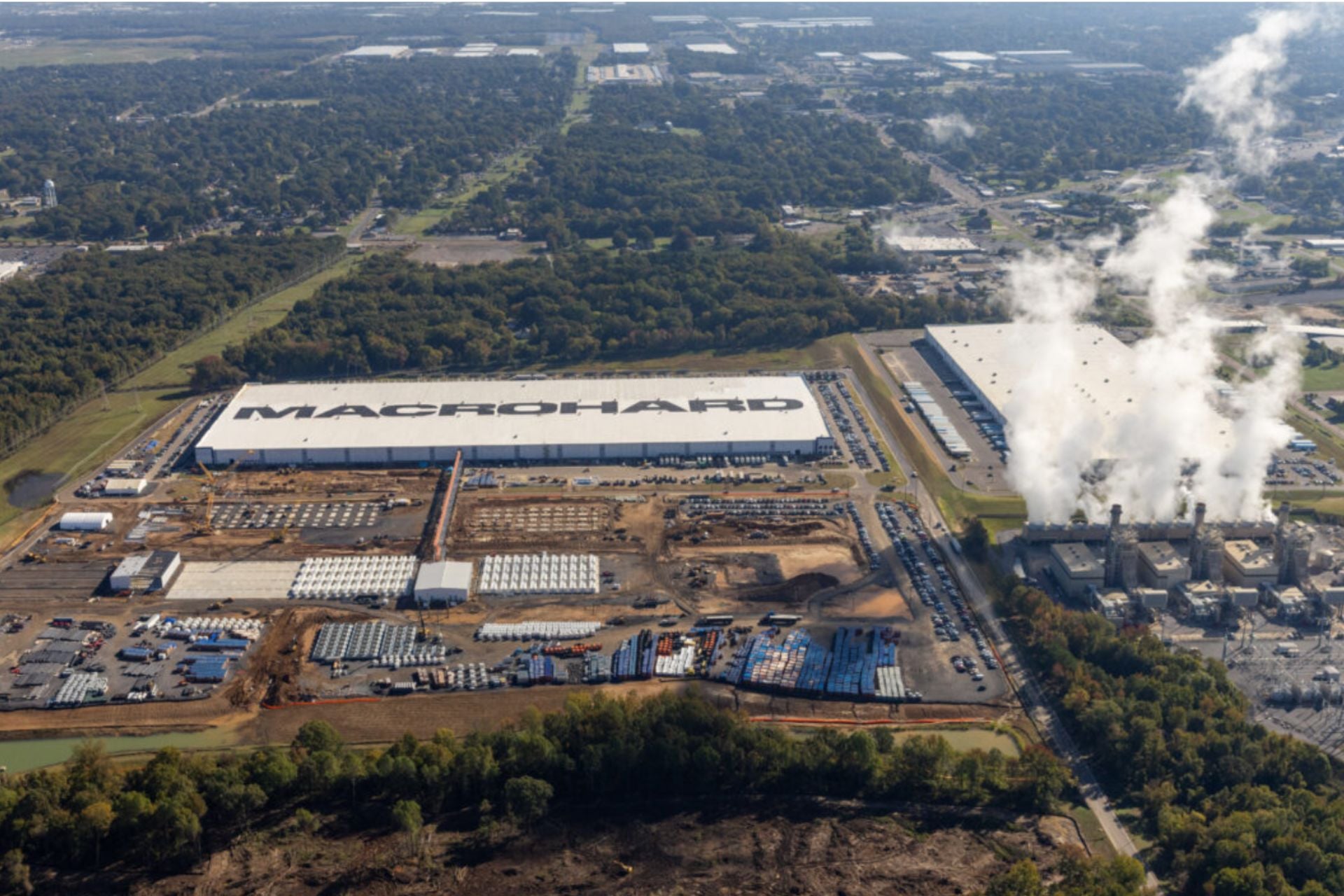
It’s not just public sector employees at risk of overexposure to AI, either. When SpaceX went public, a push was made to change the rules for index funds to allow Elon Musk’s Frankenstein’s monster of a firm to get into the benchmark portfolios significantly sooner than usual. The result is that millions of Americans who have their retirements tied up in index funds, either directly or through their 401(k)s and other retirement accounts, suddenly are invested in the fate of SpaceX and its subsidiaries, including xAI, for better or worse.