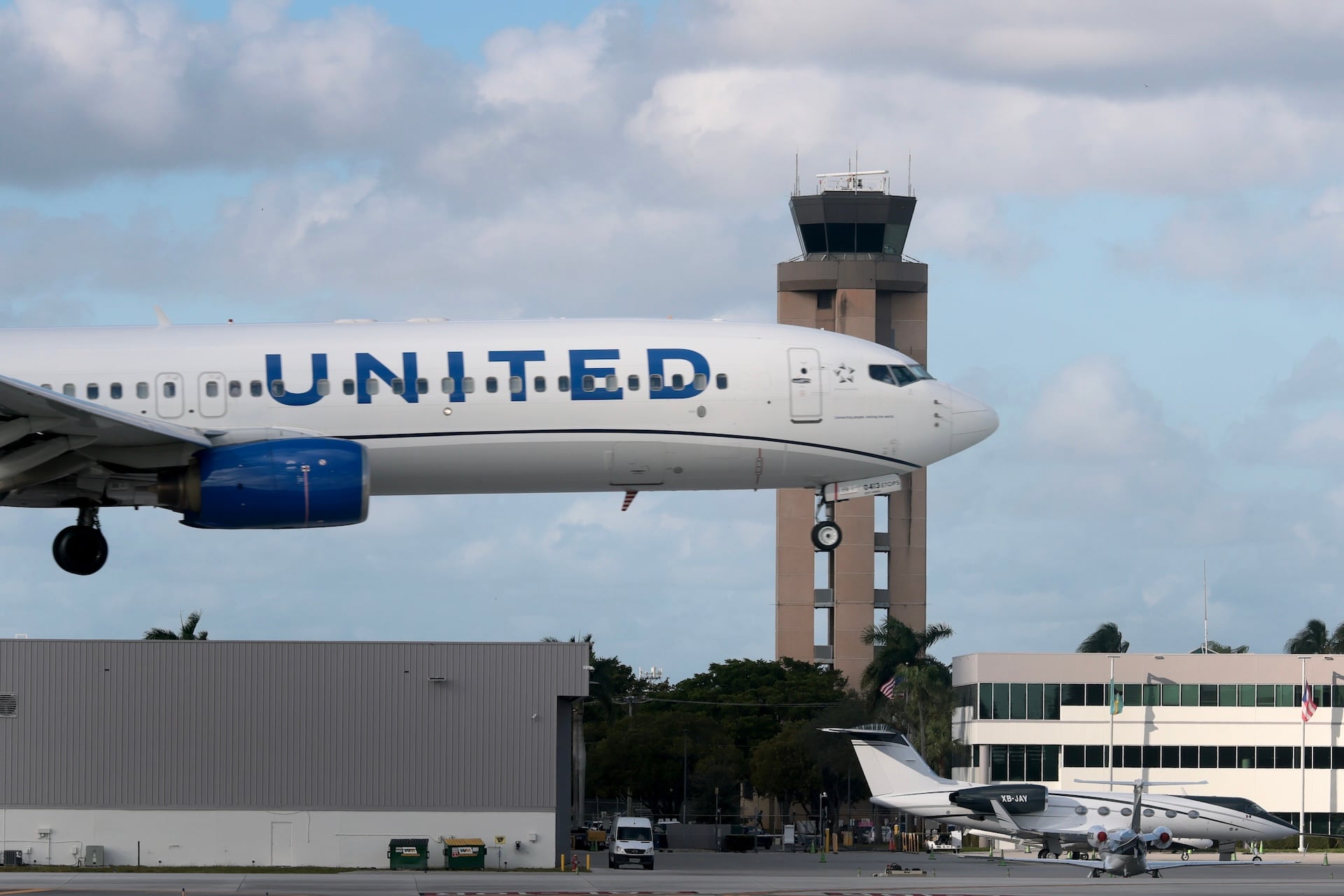
United Airlines has suffered what it calls a “widespread system outage,” according to a tweet posted shortly after 5 p.m. ET.
“We’re aware of the widespread system outage, and our teams are working hard to get things back up and running as soon as possible,” the airline wrote in response to a passenger who complained on X.
“We appreciate your patience while we work through this. Please check back with us for updates, and keep an eye on your flight status through the United app or at united.com. Thanks for bearing with us!” the airline continued.
A spokesperson for United told Gizmodo shortly after 6 p.m. ET: “We have resolved a technology issue that delayed flight departures. While some flights were delayed, there was no impact on flights in progress, or on United Express flights.”
The airline stressed that there was “no indication that this was a cybersecurity-related issue.”
The system outage at United comes after the FAA ordered a nationwide ground stop on Friday that lasted over four hours. Secretary of Transportation Sean Duffy told the Sunday political shows that the FAA had issued the ground stop out of an abundance of caution after failures at a radar site in Amarillo, Texas, and a radio site in El Dorado, Arkansas.
Tech company L3Harris was deploying a new router at the Arkansas site, which apparently caused the system to be overloaded. But Duffy also explained they were still unsure what exactly happened. The FBI took control of that router, according to a new report from CNN on Monday.
Americans have grown tired and frustrated with the seemingly endless news about technological failures in recent weeks. Microsoft Outlook experienced an extended outage on Thursday and the FAA ground stop happened just a day later. On Monday, some customers at Chase and other major banks experienced issues with their online banking.
None of these disruptions have been attributed to cyberattacks, but there have been other incidents where cyberattacks were the most likely explanation. Europe recently experienced attacks on grocery store freezers that caused tons of food to spoil. U.S. military bases experienced something similar over the summer when freezers were set to about 120 degrees Fahrenheit.
There were also widespread attacks on water treatment facilities over the summer, including at least three dozen in Minnesota alone. The attacks, believed to be linked to Iran-based hackers, were unsuccessful at tampering with the water but there’s concern about what could be accomplished remotely. In 2021, CISA warned that hackers tried to tamper with the water of Pinellas County, Florida, by increasing the amount of sodium hydroxide, also known as lye.
This article will be updated as we learn more.