You may remember Abidur Chowdhury as the industrial designer who introduced the iPhone Air during Apple’s September 2025 keynote and then left Apple two months later, only to resurface as the head of design at the AI startup Hark.
I wouldn’t blame you if you’ve never heard of Hark. Most probably haven’t. The AI startup is led by entrepreneur and CEO Brett Adcock, who also founded and leads Figure AI, a robotics company making humanoid robots.
I couldn’t care less that Hark is another AI company working on agentic AI to help you do the mundane tasks in your life, like order a cheeseburger from McDonald’s and then have it delivered by DoorDash. There are thousands of startups selling the same AI soup. What I’m interested in is the hardware Hark is building to run Hark Pro—the company’s proactive AI “operating system for your life”—that’s launching today for the web, iOS, and Android. It’s free for everyone to use, but a paid monthly subscription will offer “more usage” ($20 for 2x more usage and $100 for 10x more usage).
Unfortunately, Hark isn’t ready to share anything about hardware, so we’ll just have to look at Hark Pro and try to imagine what Chowdhury and company might be working on in stealth.
In a video call, Chowdhury pitched Hark Pro as a GUI, or graphical user interface, for its AI. He likened most current AI chatbots to archaic command-line terminal interfaces and thinks Hark can not only make the UI prettier but also friendlier and easier to use, similar to what the original Macintosh did for desktop computing.
“I think it’s hilarious that right now AI is essentially where you have a chatbot and you type into it and it gives you a response,” Chowdhury said. “Our goal as a company is almost to build a graphical user interface to this future technology—to build the mouse, which is like the interaction method with this future piece of technology.”
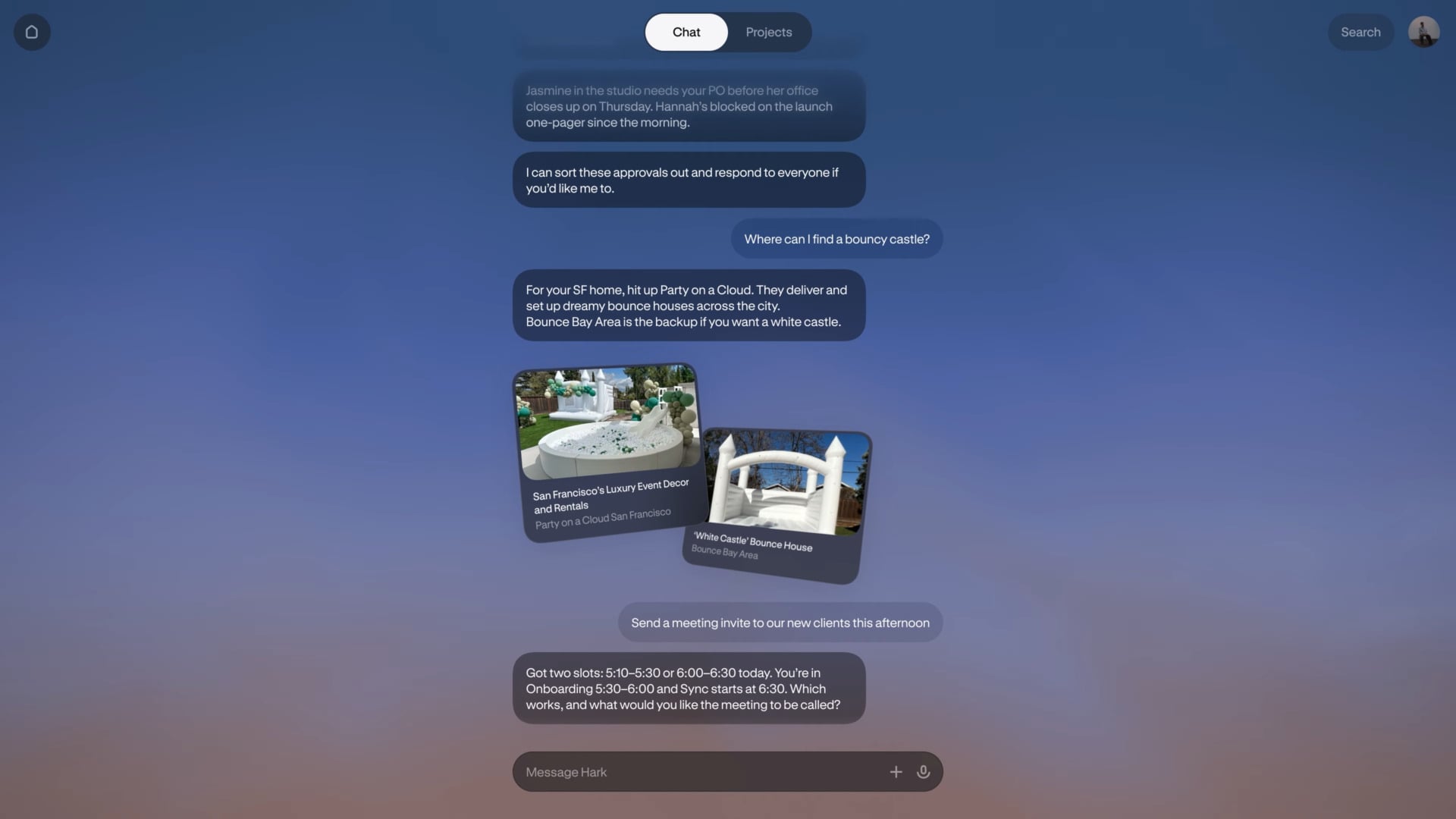
What does a GUI for an AI chatbot look like? From the very brief demo that Chowdhury gave, it’s still mostly a prompt box where you type in text and get a response. It’s on the periphery of the home screen / prompt box, or “composer” as the company calls it, that Hark Pro thinks it can make a difference.
Chowdhury starts with the background, which for him was a cloud formation but could be a sunset depending on the user. It’s supposed to invoke some kind of calmness and reflect you and your space—some kind of zen liminal space or something? I guess it’s better than a white or black background that makes you feel nothing.
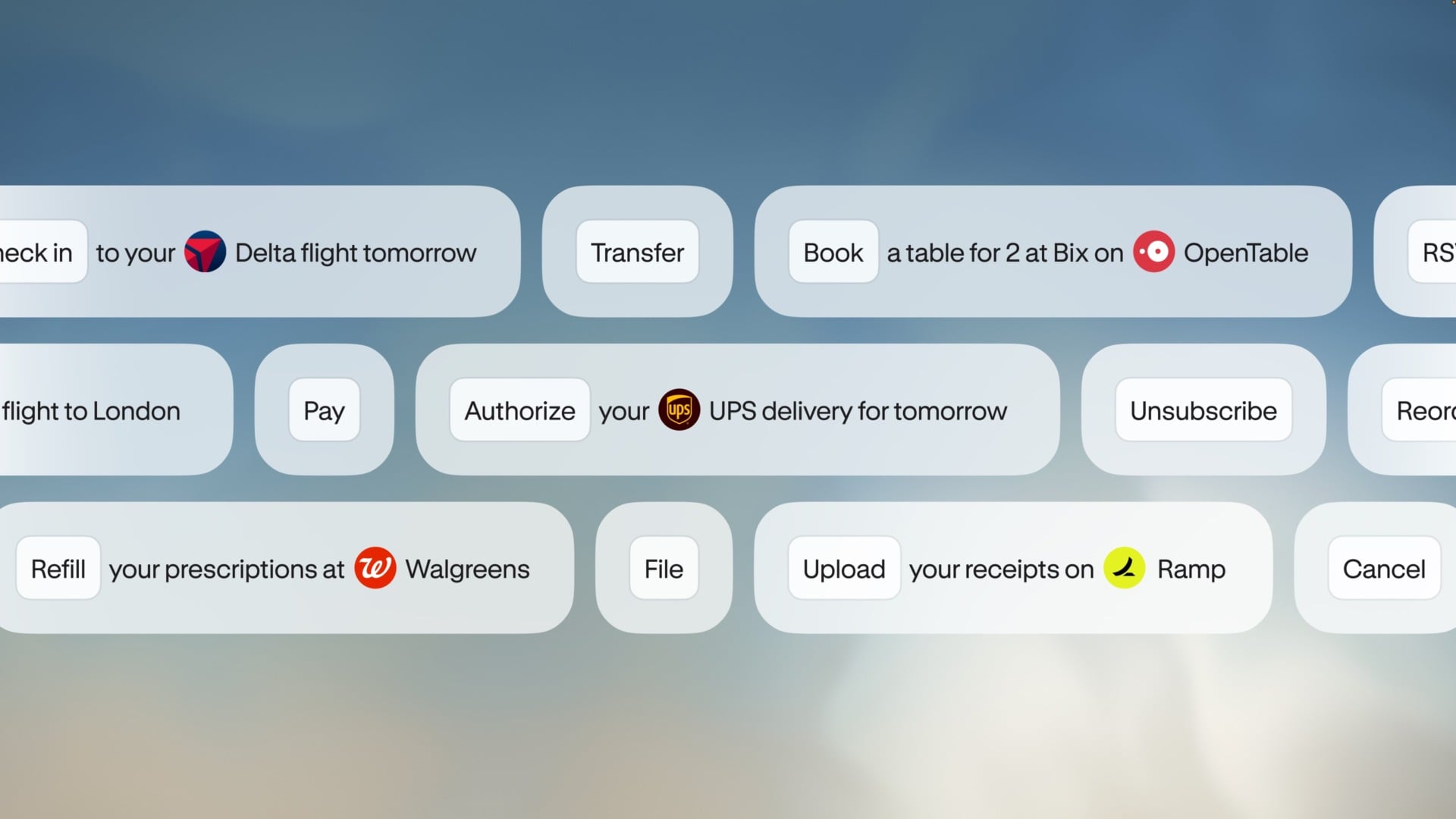
The left side of the home screen is the most interesting. It’s where a panel of proactive cards lives. Once you’ve connected your email and third-party services, Hark’s AI will suggest actions to take. A card might remind you a colleague is waiting for you to approve something, upload receipts to Ramp for reimbursement, authorize a delivery, check into a flight, pay for something, etc. It’s nothing revolutionary; I’ve seen various versions of these proactive AI suggestions from Gemini, Siri AI, Samsung Galaxy AI, and AI apps like Poppy (RIP). They essentially dig through the data you connect to an AI and then nudge you… like an assistant. Hark is no different, but how it’s presented feels more like an operating system. The stack of cards and layered notifications look almost like something Apple would design. I’m not surprised by the look and feel of Hark Pro, coming from Chowdhury.
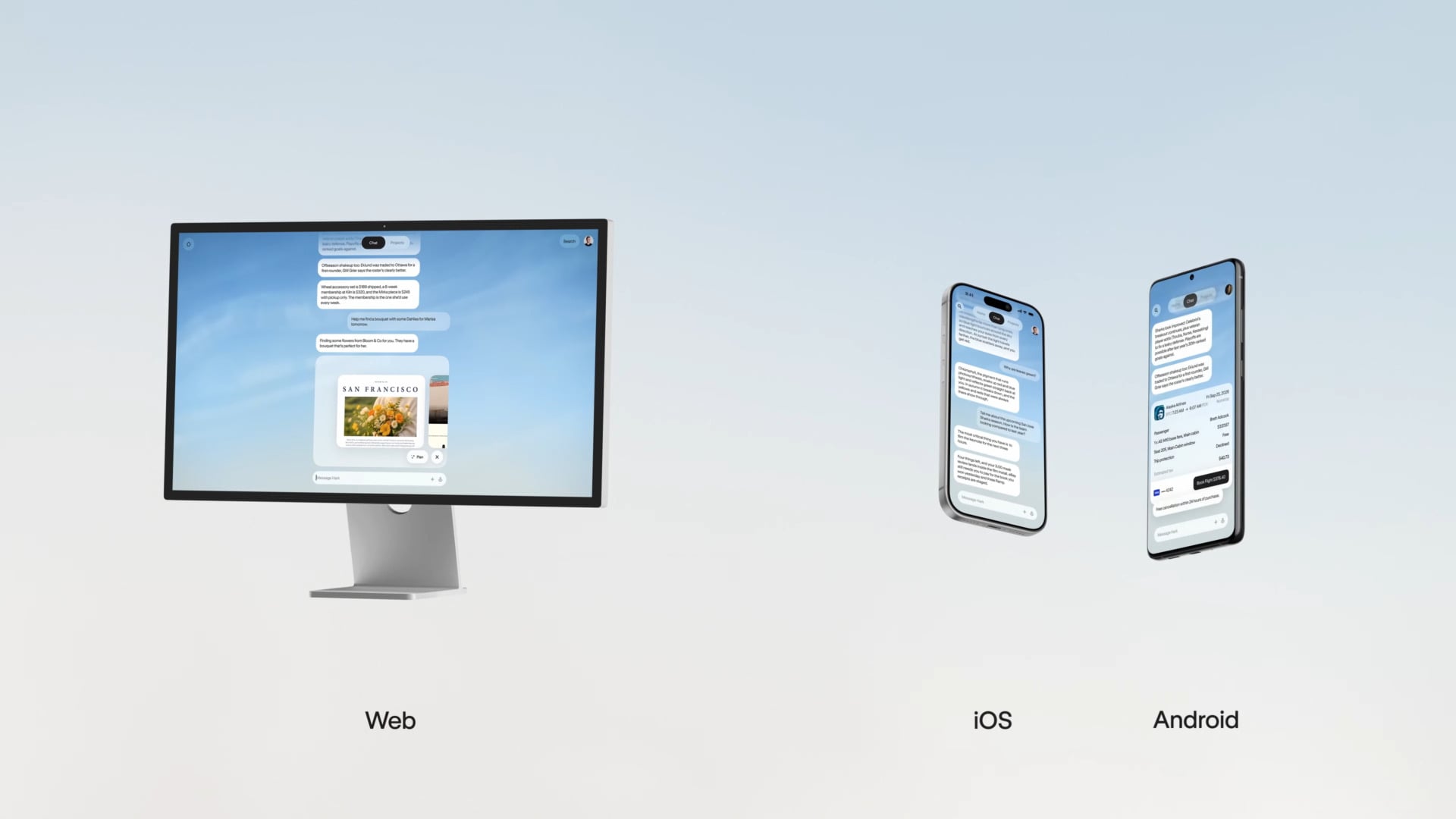
If you need an agent to do something, you can type into the composer like you would any other AI with an agent. Hark will then spin up its own cloud computer, called Handoff, and then do the thing you want. Chowdhury asked for a Filet-O-Fish delivered with DoorDash, and after several minutes of Handoff doing its thing—clicking through the website and verifying payment—all that was left for him to do was confirm payment for it. I pointed out how long it took and how I could have opened the DoorDash app and completed the task myself more quickly. Chowdhury said agents allow you to decide how you want to spend your time. Do you use your time tapping through an app or clicking on stuff on a website, or do you do something else while Hark’s AI works in the background?
“Like I’m spending it talking to you and focusing on doing this demo while it’s doing it on my behalf,” Chowdhury told me.
That example task may be faster accomplished by me because it’s simple. I can see how it’d be more efficient when you ask for a more complicated request like finding a dentist near you that accepts your insurance and has a certain rating and has specific services you’re looking for.
“I don’t really want to go look at 10 sh*tty websites and different dentists in my local area and make sure that they all have time available before I’m ready at work. And then the websites are not optimized for looking through really quickly,” Chowdhury said. In this case, Hark would be able to load up multiple browsers, scan through them, and narrow options down to your criteria. Okay, useful!
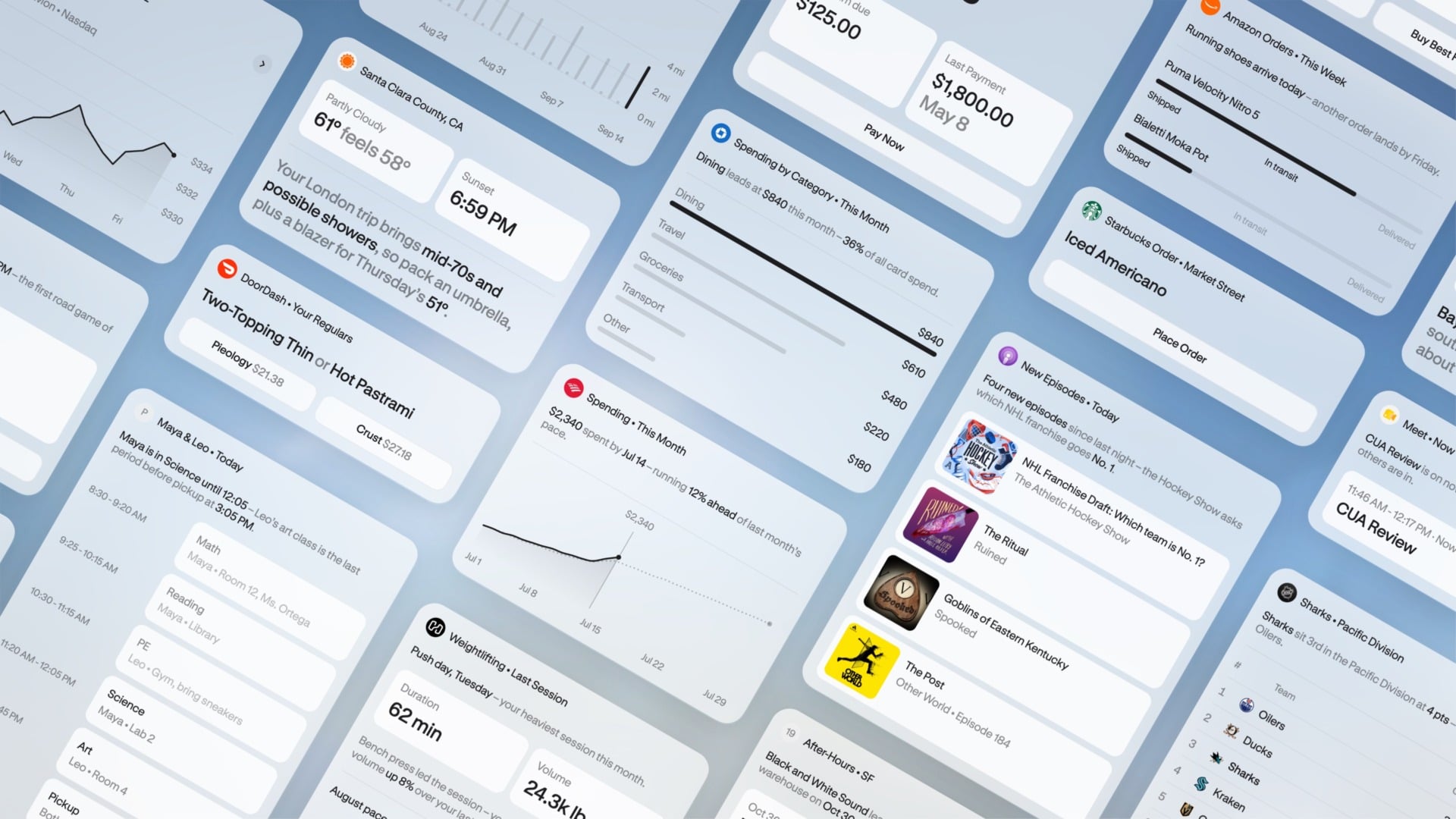
The left side is also home to panels, which are basically widgets that show you information based on, well, you—what you do, what you like, what you don’t like, all that kind of stuff that Hark’s AI memory learns about you over time. Yes, of course, that means giving Hark access to all of your data, but that’s how AI works. The less AI knows about you, the less potentially helpful it can be. You deal with the privacy concerns like you would with any service. Hark says it won’t ever sell your data, share it with advertisers, and you can delete your data at any time.
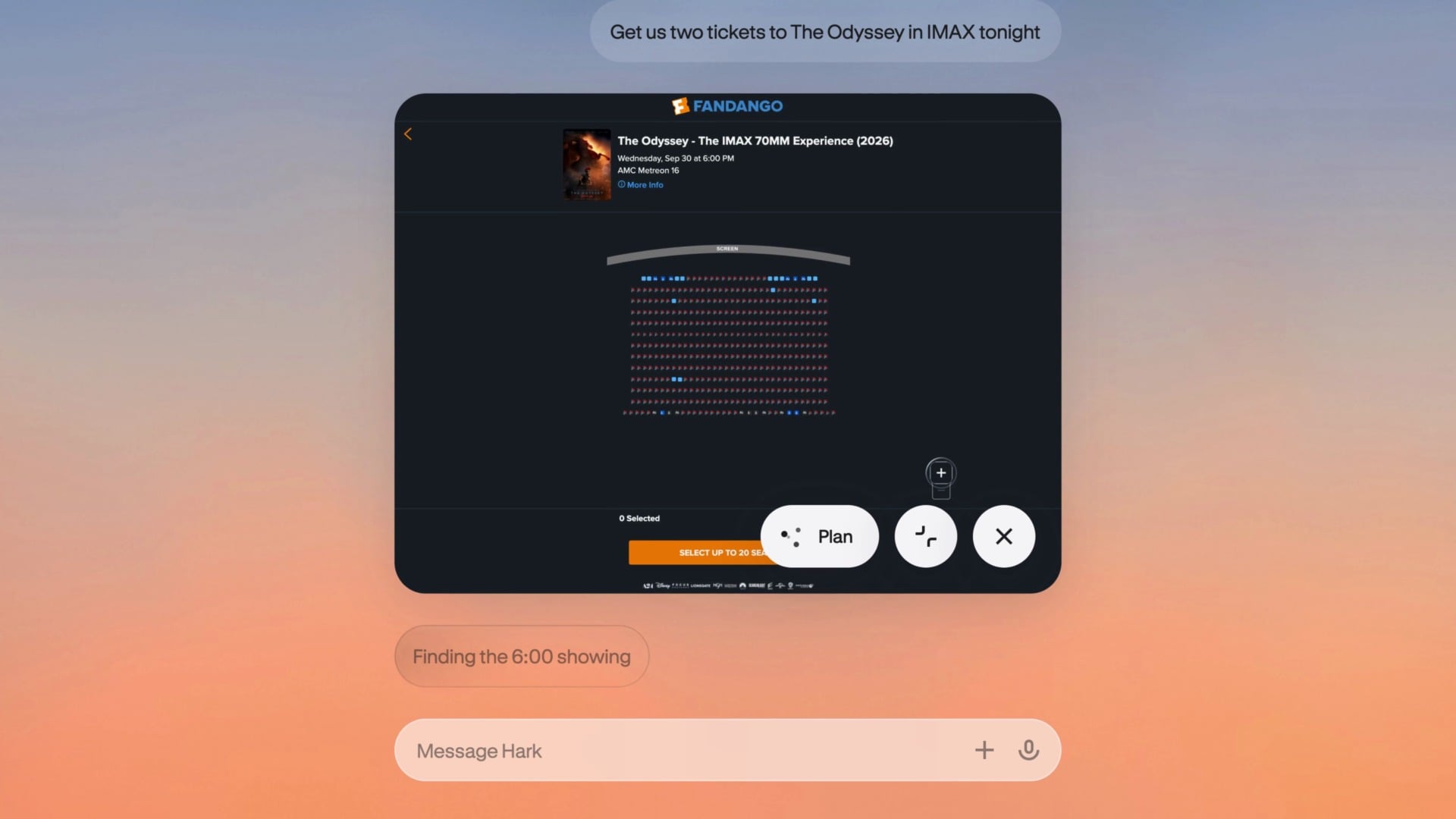
Hark also touts its AI as anticipating, meaning it can go beyond just doing a rote task that you ask for. Here’s an example that Hark provided in a press release:
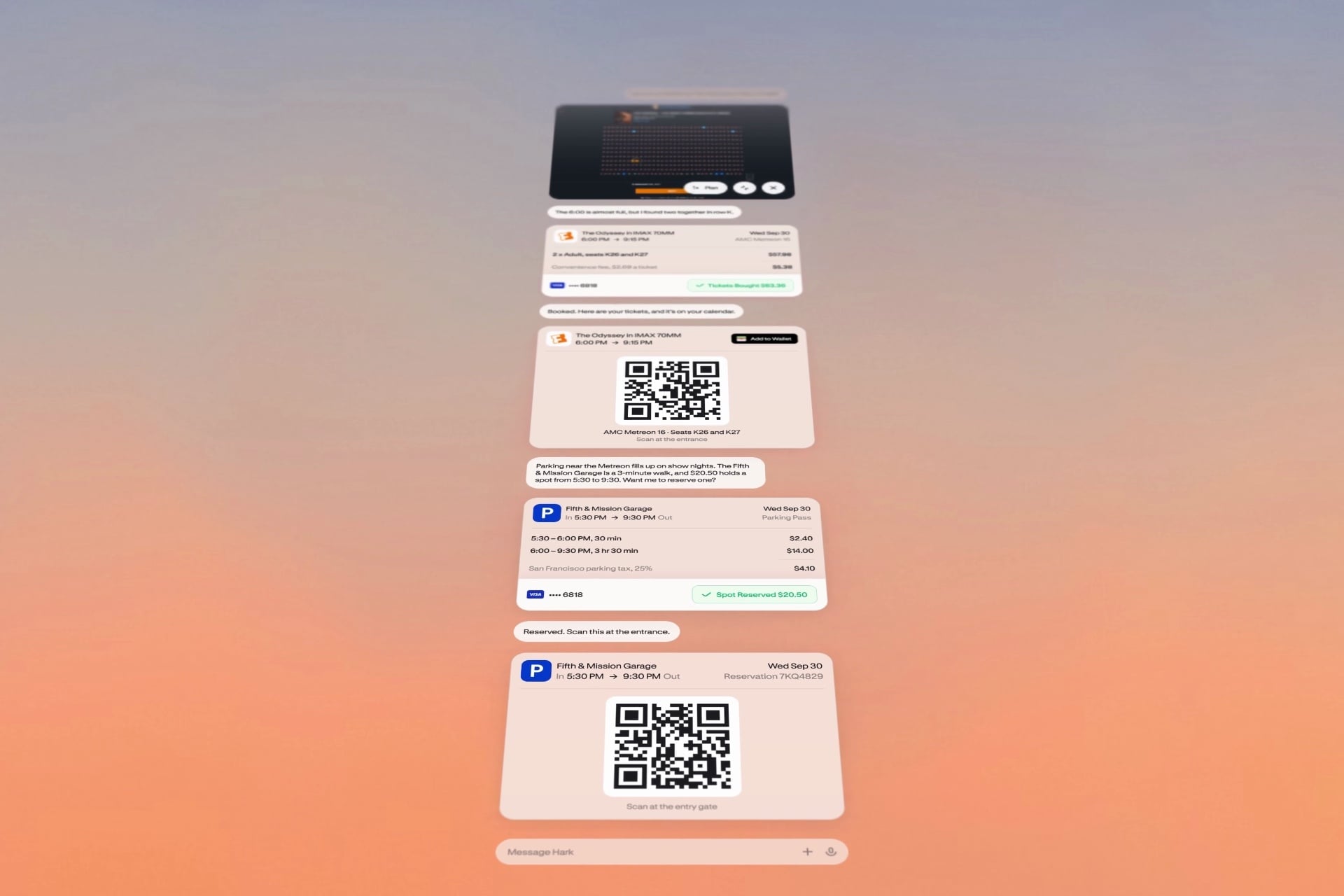
You can easily buy a movie ticket on Hark Pro, and it will find you great seats. But Hark won’t just buy you a movie ticket; it will also scope out the parking, offer to reserve you a spot at the nearest garage, and send you the QR code to enter. Hark won’t pile up all of this at once in your chat; it will pace these steps out so they arrive at just the right time.
That’s ambitious. I can’t confirm that Hark’s AI can actually do that, but let’s give them the benefit of the doubt for now until I’ve properly connected my own account to Hark and poked around enough. Maybe I’ll write a follow-up if Hark Pro can prove useful in my life. I was originally somewhat skeptical of Arc by The Browser Company, but even though the web browser is no longer officially being developed (only updated with the latest Chromium builds), I’m still a hardcore user. Great software is great software, but it does require a willingness to change your computing behavior.
Now that Hark has peeled back the UI layer, what kind of hardware should we expect when the company finally ships devices in 2027? If you just look at the app and web interface for what it is, you’d be guessing some kind of phone, tablet, or laptop. From an interview with TechCrunch in March, Chowdhury basically confirmed it won’t be a wearable device like a pin or even smart glasses. A TechCrunch source also told reporter Tim Fernholz that it won’t be a Figure robot, either, claiming “there is no intention to combine” the humanoid robots with Hark’s AI work. So what does that leave for the imagination? Could be a smart display-like hub for your kitchen or bedside table with Hark Pro front and center; could be something similar to the Rabbit R1 that’s portable, has a small screen, and shows the proactive tasks and panels but ditches the home screen of apps. The form factor could be unlike anything we’re familiar with.

Leaving Apple to make something new is a gamble, for sure. The iPhone is not going anywhere—Apple’s new CEO John Ternus said as much when he reframed it as the ideal “intelligent personal hub”—but the AI era does feel like a moment to go beyond the glass slab.
“Interfaces are so complicated for all these little things, but… I think when we live in a world where we can just ask for something and we know that [AI] will get done because it’s reliable, trustworthy, it’s able to do everything end to end, it has all our credentials, it’s connected to all our things, and maybe it’s even proactively doing that, that’s a future that I’m really excited about, and I think that’s really, really special beyond the laptops and the phones and what we have today,” Chowdury said.
Well, Chowdhury, you have my contact info. Hark Pro looks promising from the glimpse that I’ve seen, but I’m waiting to see how the software and hardware come together. That’s when we can really see some magic.