Is JetBlue engaging in surveillance pricing, the practice of charging customers different prices based on data like location, age, sex, and income level? That’s the question after a tweet from the airline went viral in recent days. But JetBlue tells Gizmodo the now-deleted tweet was an error.
It started on April 18 when an X user called Nugg tweeted at the airline: “I love flying @JetBlue but a $230 increase on a ticket after one day is crazy. I’m just trying to make it to a funeral.”
JetBlue responded with, “Try clearing your cache and cookies or booking with an incognito window. We’re sorry for your loss.”
You can guess what the response was like. X users interpreted JetBlue’s tweet to mean that information was somehow being collected that caused the price for a ticket to rise by $230. It’s a reasonable assumption, given the way that surveillance pricing has emerged to squeeze every possible dollar out of consumers.
Last year, Delta told shareholders that it would start using artificial intelligence to determine the prices of domestic fares, comments that the company later tried to walk back. Instacart was recently caught charging different prices to different consumers. And Uber can even jack up the price on a ride when a given user’s phone battery is low, a time when people are more desperate to just get a ride at any price.
But JetBlue denies that it’s using personal information to adjust prices for consumers. “The reply from our JetBlue crewmember on social media was incorrect, and we apologize for the error,” the company told Gizmodo in an email Monday. “JetBlue fares on JetBlue.com and our mobile app are not determined by cached data or other personal information.”
The airline says that pricing is based on “real-time availability and is managed through our reservation system,” though it didn’t answer follow-up questions from Gizmodo.
“Fares can change at any moment as seats are purchased or as inventory is adjusted based on demand, and are not guaranteed until a purchase is completed,” the company said.
Sen. Ruben Gallego, a Democrat from Arizona, tweeted in support of his own legislation to ban surveillance pricing after the post about JetBlue went viral.
Is Jet Blue openly admitting to raising someone’s price hundreds of dollars because they know they have to go to a funeral? Grief shouldn’t come with surge pricing.
We need to pass my bill to make surveillance pricing illegal. https://t.co/6gqLs2LYiS
— Ruben Gallego (@RubenGallego) April 20, 2026
There are several different pricing tactics that have become both popular and controversial in recent decades as technology evolves, including dynamic pricing and surveillance pricing. Information collected online can be compiled and cross-referenced with data collected by private brokers to customize prices and find the maximum amount a given customer is willing to pay. That can obviously turn off customers when they know it’s happening, since it feels inherently unfair for two people to pay different prices for the same goods or services.
The Washington Post recently sent out an email to subscribers telling them their subscription rates would be going up and that the price was being set by an algorithm. New York is the only state that requires companies to notify consumers when prices have been set using AI, which is probably what led to the Washington Post’s disclosure.
There are also concerns that facial recognition and security surveillance at brick-and-mortar retail locations might soon lead to new forms of algorithmic pricing. Grocery stores are the big ones, as at least half a dozen states are considering legislation to ban surveillance pricing.
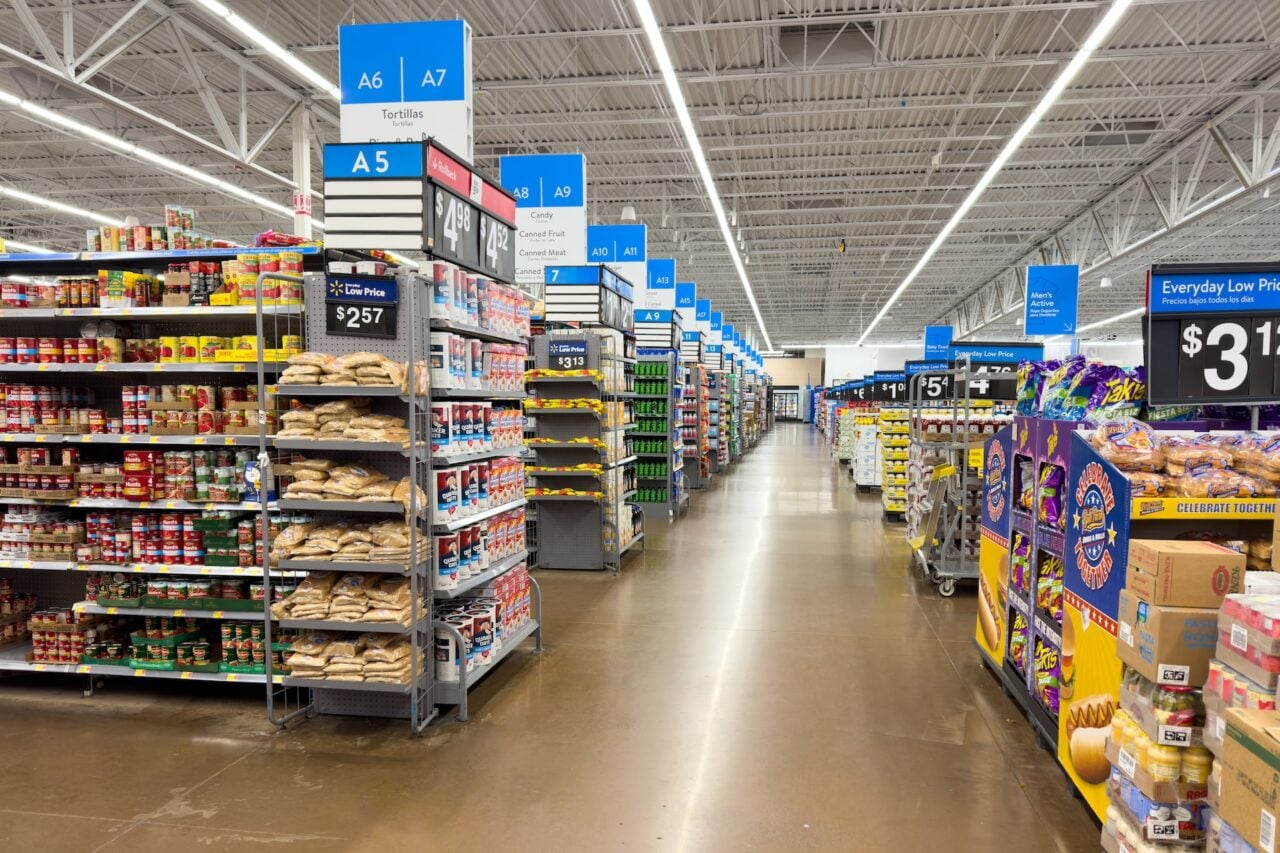
Digital shelf labels are another area of contention, as consumer advocates worry that centralized price changes on a moment’s notice across large retail stores could allow for price gouging. But retailers like Walmart, which is rolling out digital labels across all its stores by year’s end, argue it simply makes things more efficient.
So far, there’s no solid evidence that any major grocery chain is using hyper-targeted algorithmic pricing for customers who walk into a store and are spotted on camera. But it’s theoretically possible, and people are starting to get concerned.