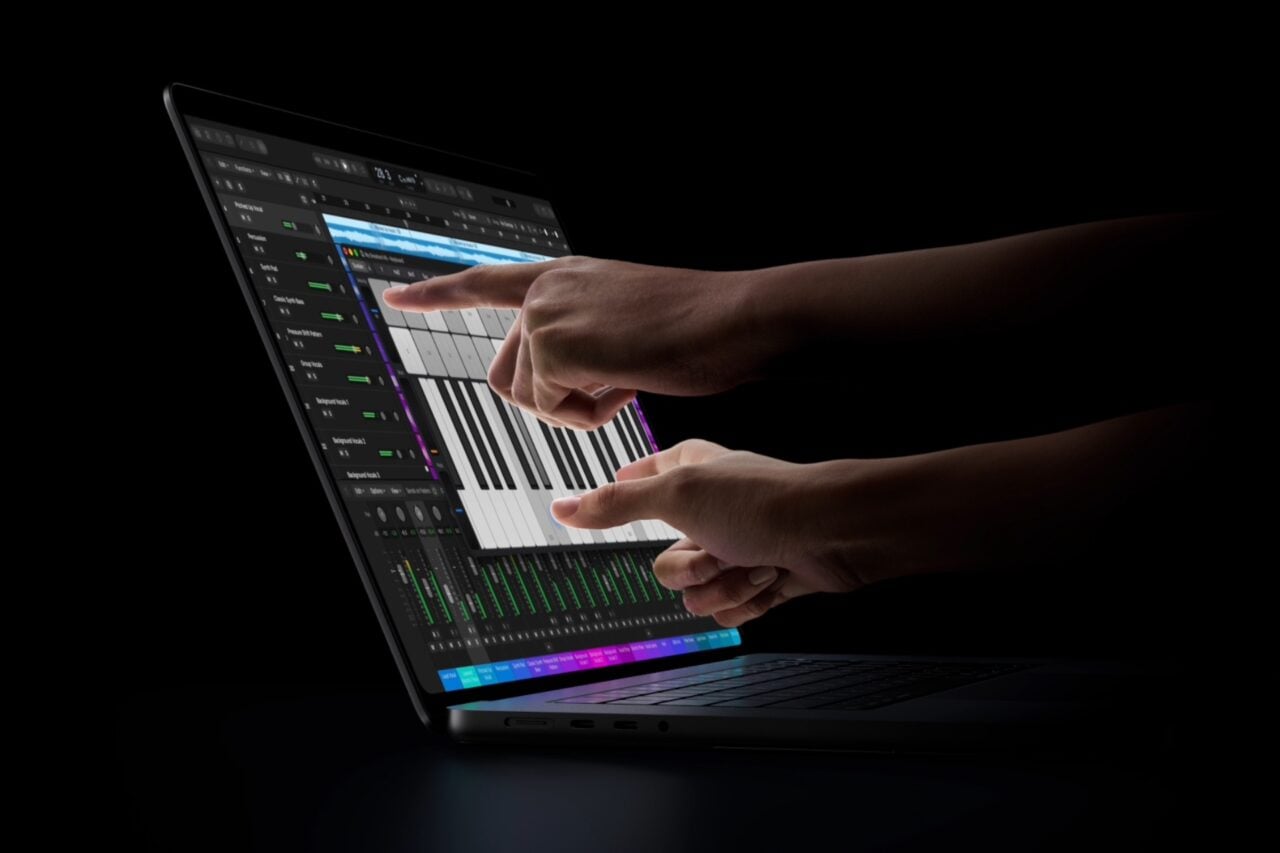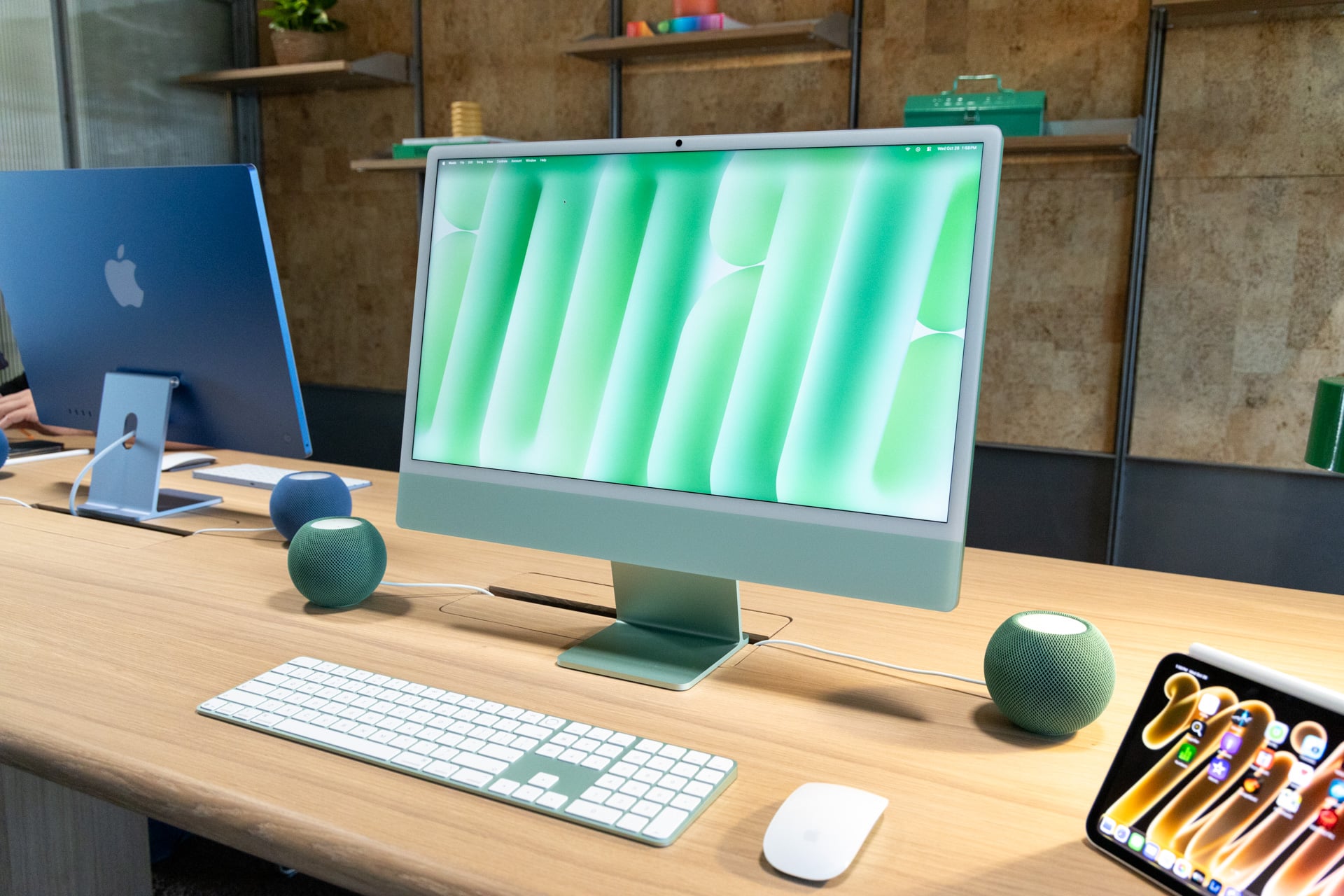
An OLED touchscreen MacBook was inevitably going to eclipse the star of any basic Mac refresh, but that doesn’t mean we can ignore the new M6 iMac. Am I disappointed Apple didn’t supply an all-in-one desktop with a larger OLED screen this year? You’re darn tootin’. But based on what we know about the chip, the M6 iMac could be a sizable upgrade compared to the older model, and that’s not something to shake a fist at. The price, on the other hand…
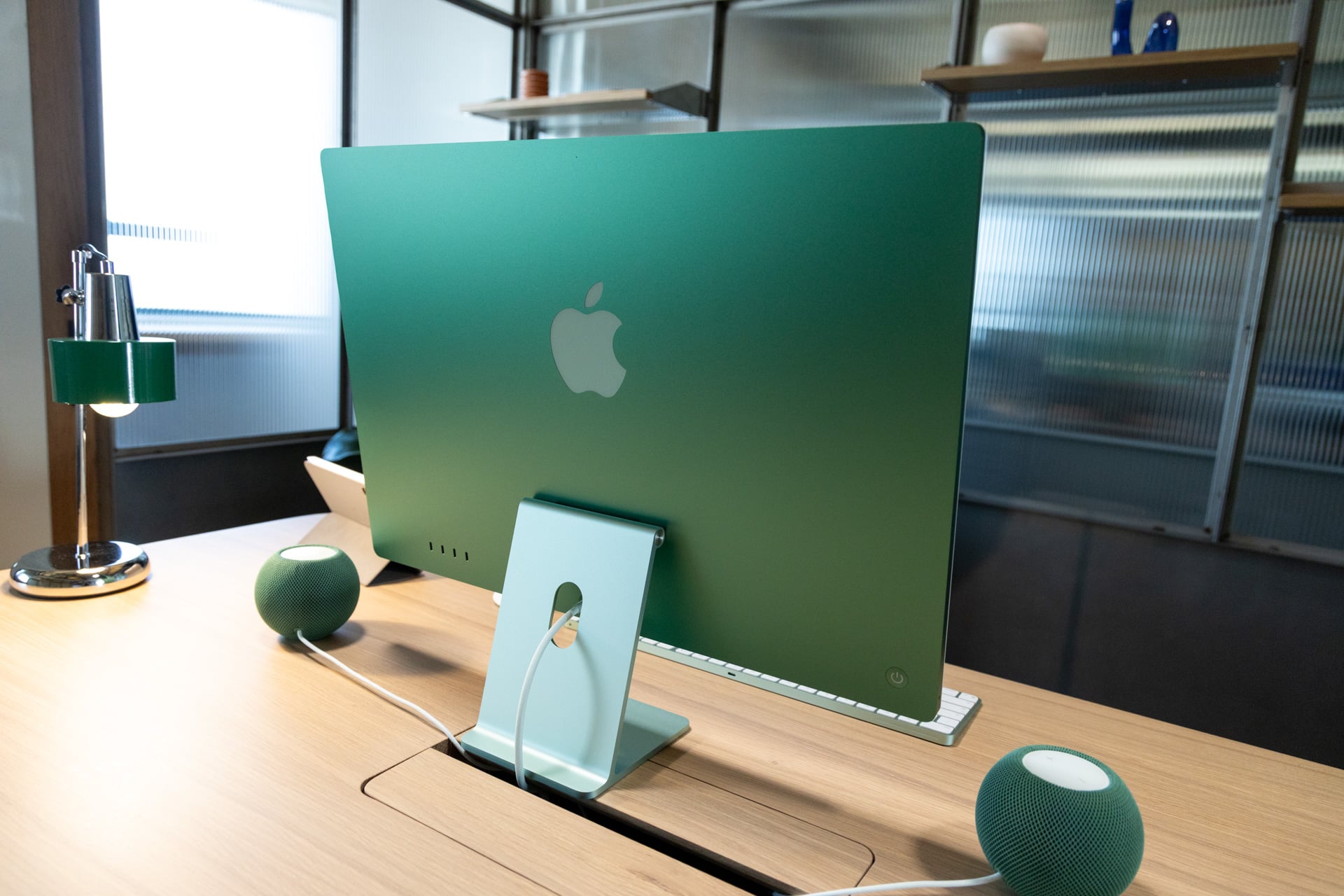
I love a colorful computer. Apple is still one of the few to actually imagine that those of us who spend $1,500 or more on a computer would want it to stand out among the heaps of trash cluttering our desks. Only the recent Lenovo IdeaCentre AIO PCs have strong enough colors that can potentially compete (though I doubt they’ll be nearly as powerful as the latest M6 chip). There aren’t any new colors to help the M6 iMac stand out. The available tones are pleasing enough, but damn me to hell if I wouldn’t love a big, deep red iMac to adorn my desktop. I would have loved to see Apple finally redesign its stand to add any kind of swivel functionality, but no luck there, either.
Apple’s faux desk setup for its iMacs included a duet of the new HomePod mini 2 speakers. I should note that this means I wasn’t listening to the actual M6 iMac while I blasted an episode of Ted Lasso on it, but Apple hasn’t made any mention of improving the six-speaker sound stage, so I assume it’s going to be just fine.
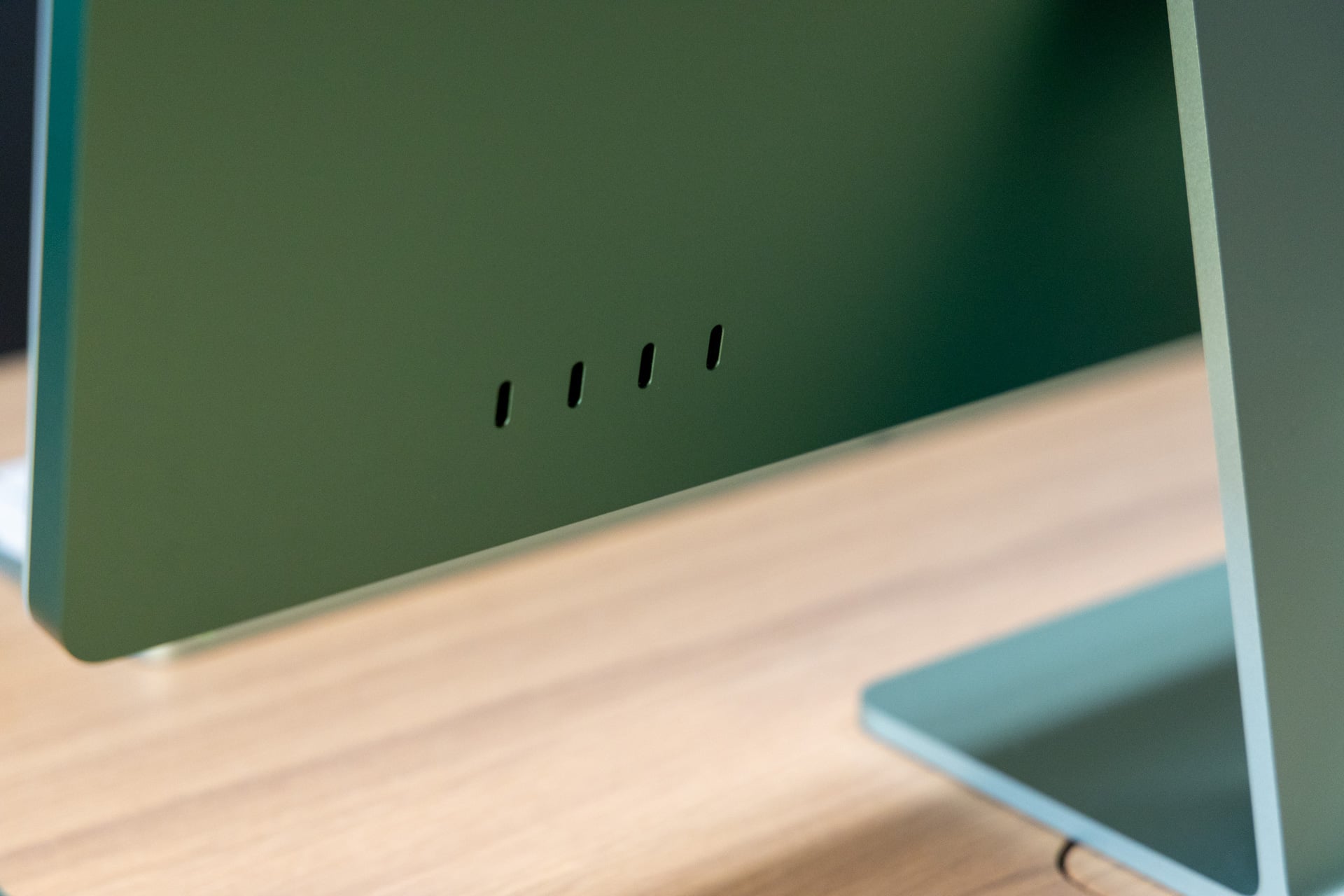
It all feels very similar. The M6 iMac is still the same 24-inch all-in-one with a LCD Liquid Retina display. While it starts at $1,499 (the same as the last version after this year’s price hikes), Apple is asking for $1,699 for a version with four Thunderbolt 4 ports instead of just two. Similar to the M6 Mac mini, you’re limited to Thunderbolt 4 rather than the faster Thunderbolt 5 with this chip. Unlike Apple’s smallest desktop, you can’t buy the M6 iMac with a higher-end M5 Pro chip, which subsequently grants access to the improved data transfer speeds of Thunderbolt 5.
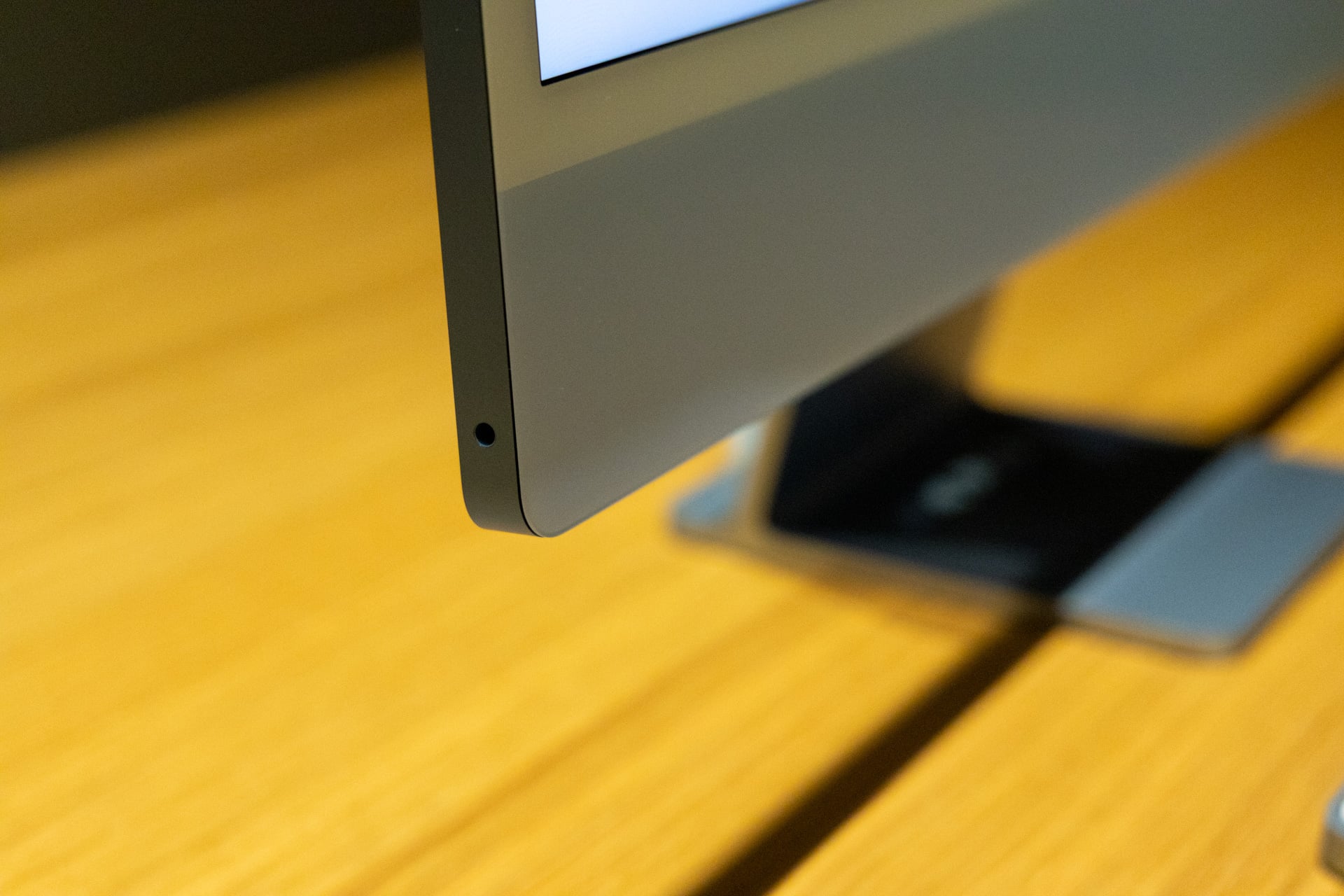
Design-wise, this is the same as it ever was. There’s a 12-megapixel Center Stage webcam smack dab in the top bezel. It maintains the headphone jack on the left side of the thin desktop, so you may need an extra-long pair of wired headphones to reach it.
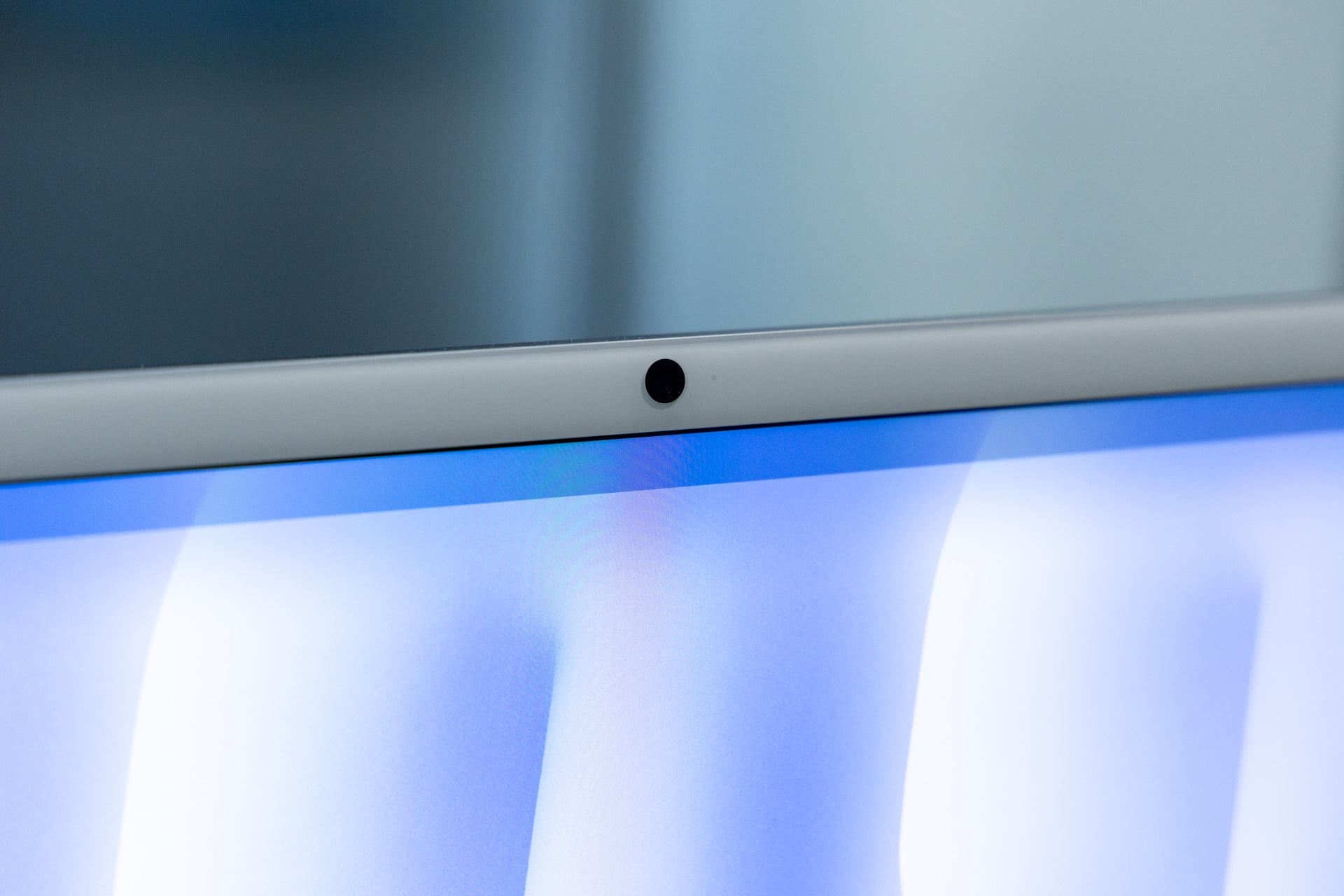
As was the case with the barebones refresh of the M4 iMac, everything comes down to the M6 chip. At base, it’s stuck to a 10-core CPU and 10-core GPU. If you want the new and improved 12-core CPU and 12-core GPU, you’ll have to pony up at least $1,699. Both versions of the M6 chip are going to do the job, but based on everything I’ve seen and experienced on this and other M6 Macs, the more expensive model seems to be more worth your time.
I’m keen to compare the performance of the 10/10-core M4 to the higher-end M6. Apple claims its new chip is 18 times faster than an Intel-based iMac, but I estimate that the new chip may have some strong gains in benchmarks compared to the 2024 all-in-one. Just comparing some of my tests between an M4 and an M6 Mac mini, the CPU was on average 32% faster in some of our tests. The GPU also showed major gains.
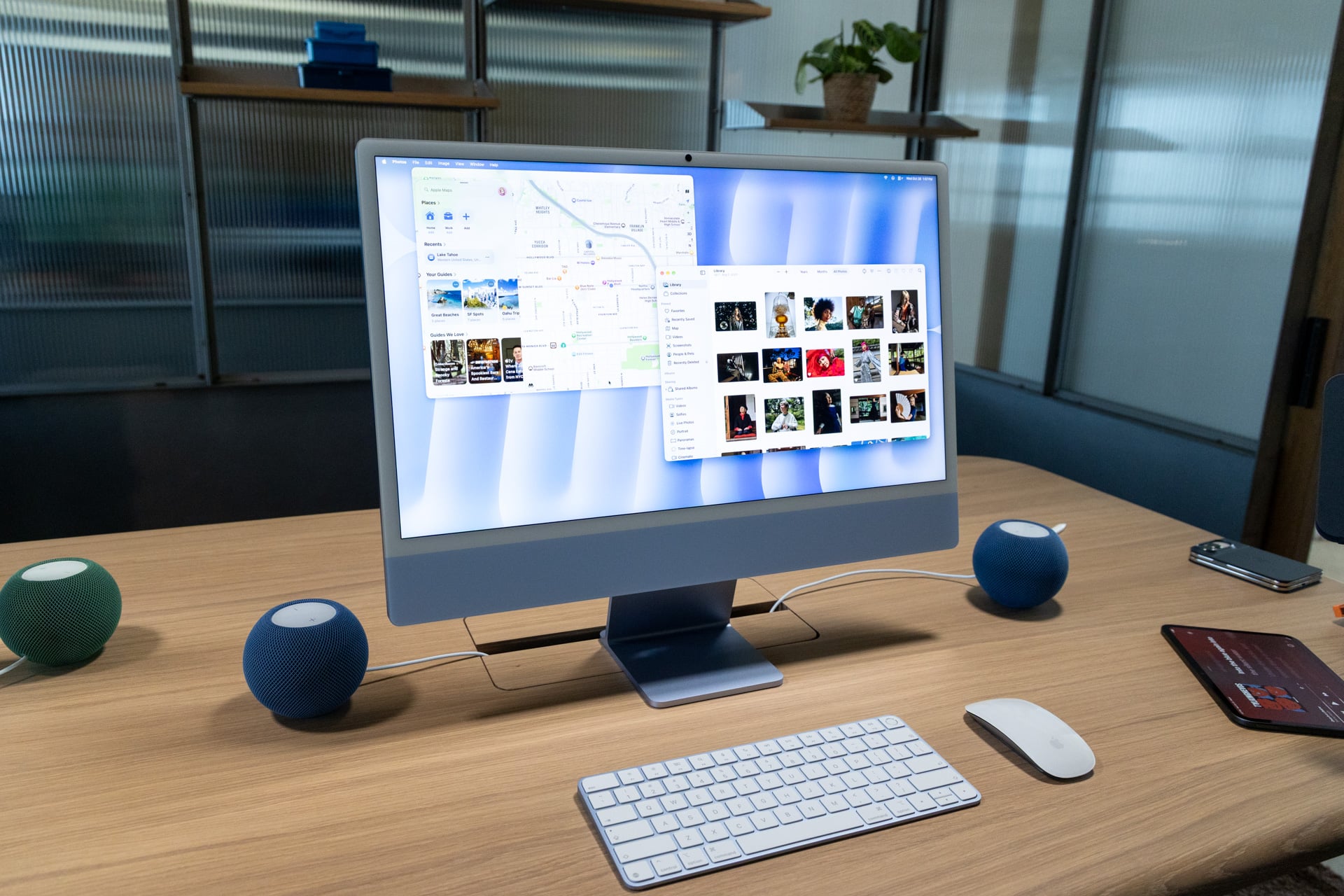
But that’s just conjecture. I can only stare at the same old LCD screen and guesstimate based on past experience. I’ve had plenty of time with the M6 chip inside the recent Mac mini. The strong CPU and GPU benchmarks mask its overall functionality as a solid workhorse computer. It’s also capable enough for running some mid-range on-device AI models, which—for what it’s worth—may be worth investing some time in just to understand what it may take to actually have control over artificial intelligence in the so-called “agentic” era.
There are a few other upgrades to note. The M6 iMac features Wi-Fi 7 and Bluetooth 6 connectivity thanks to the Apple N1 chip. It also features 2.5-gigabit Ethernet compared to the last gen’s 1-gigabit. The storage upgrades also promise 2x the read and write speeds of the last generation. They’re the kinds of things you have to test outside of a showcase.

That’s probably why I’m more enticed by the upcoming iMac than I am the 14-inch M6 MacBook Pro. Apple started including neural accelerators within each GPU core starting with the M5 chip, and it’s when Apple’s chips became exceptionally better for AI tasks than they were in previous generations. Every new iteration adds improved benchmarks, but the small differences in performance become all that more distinct when running apps that want to peak at the iMac’s native 4,480 by 2,520 pixel resolution. I played a few minutes of the cult hit game Mixtape on the M6 iMac, and it seemed to run well without any fuss. We’ll have to see how more demanding titles like Cyberpunk 2077 hold up.
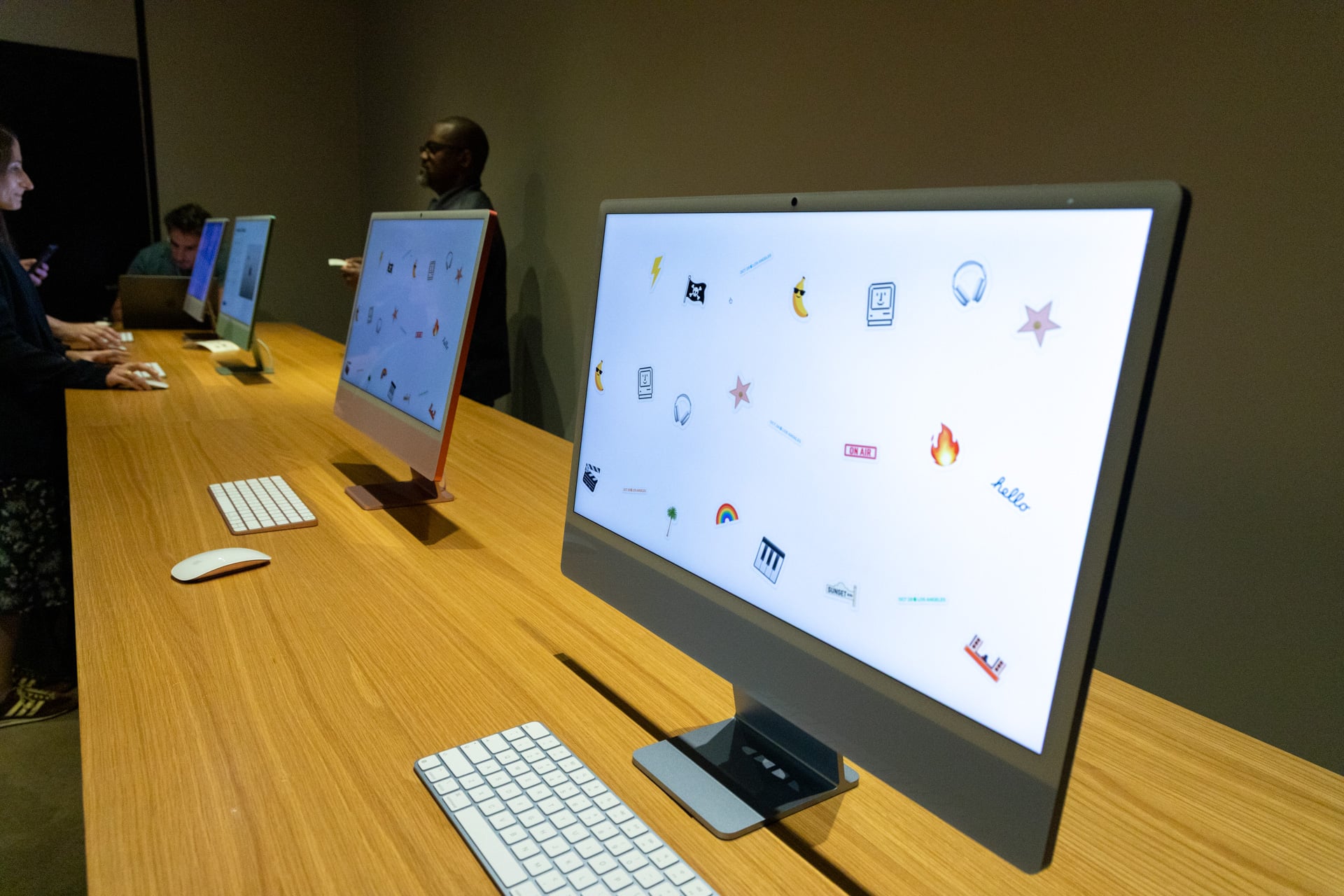
I’m just waiting for when Apple makes the iMac something special. If you strap the new PROLED XDR display from the new MacBook Pros on this all-in-one, make it extra big at 27 inches, and stick some higher-end silicon inside, it would be the desktop of my dreams. Seriously, I’m drooling at the thought of what’s equivalent to a Mac Studio with a screen.
The M6 iMac is up for pre-order today, and its set to ship starting at $1,499 on Oct. 28.