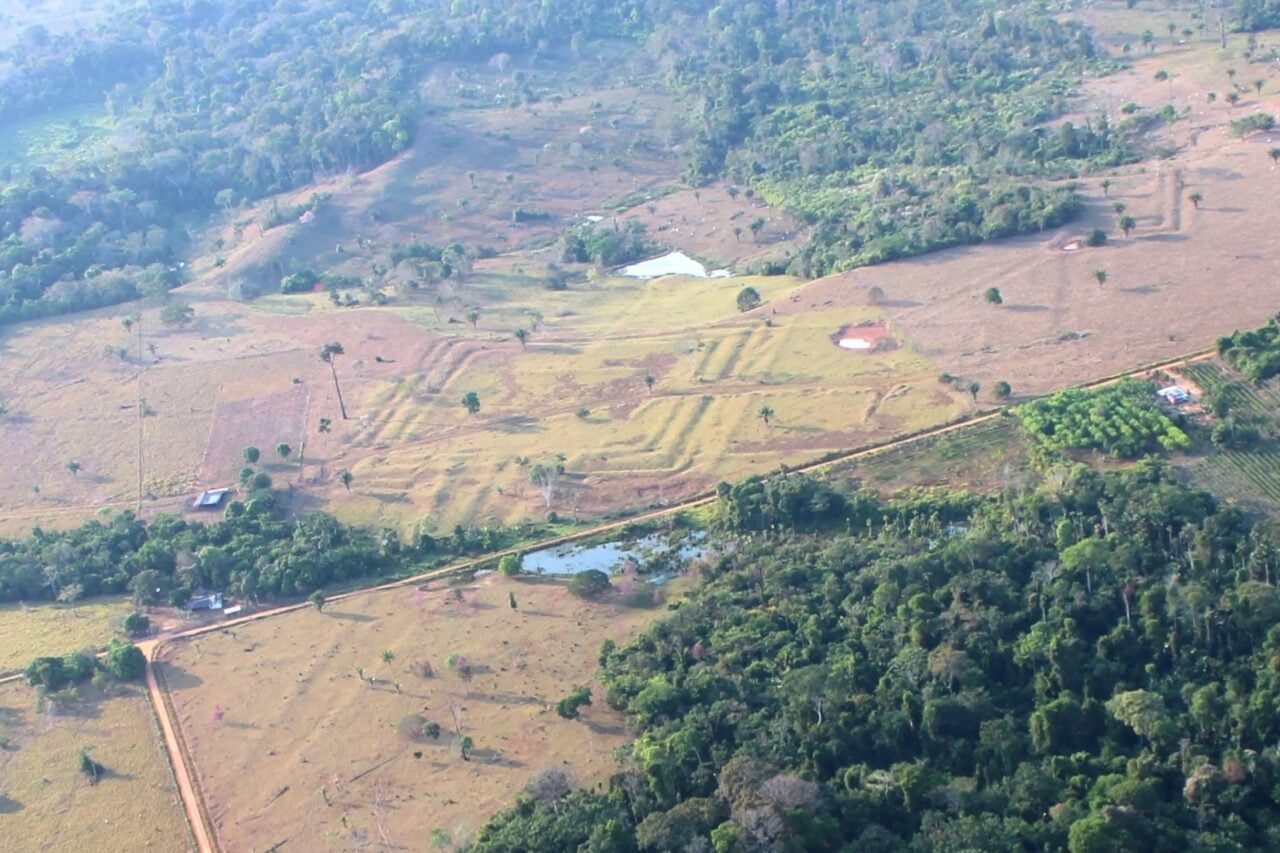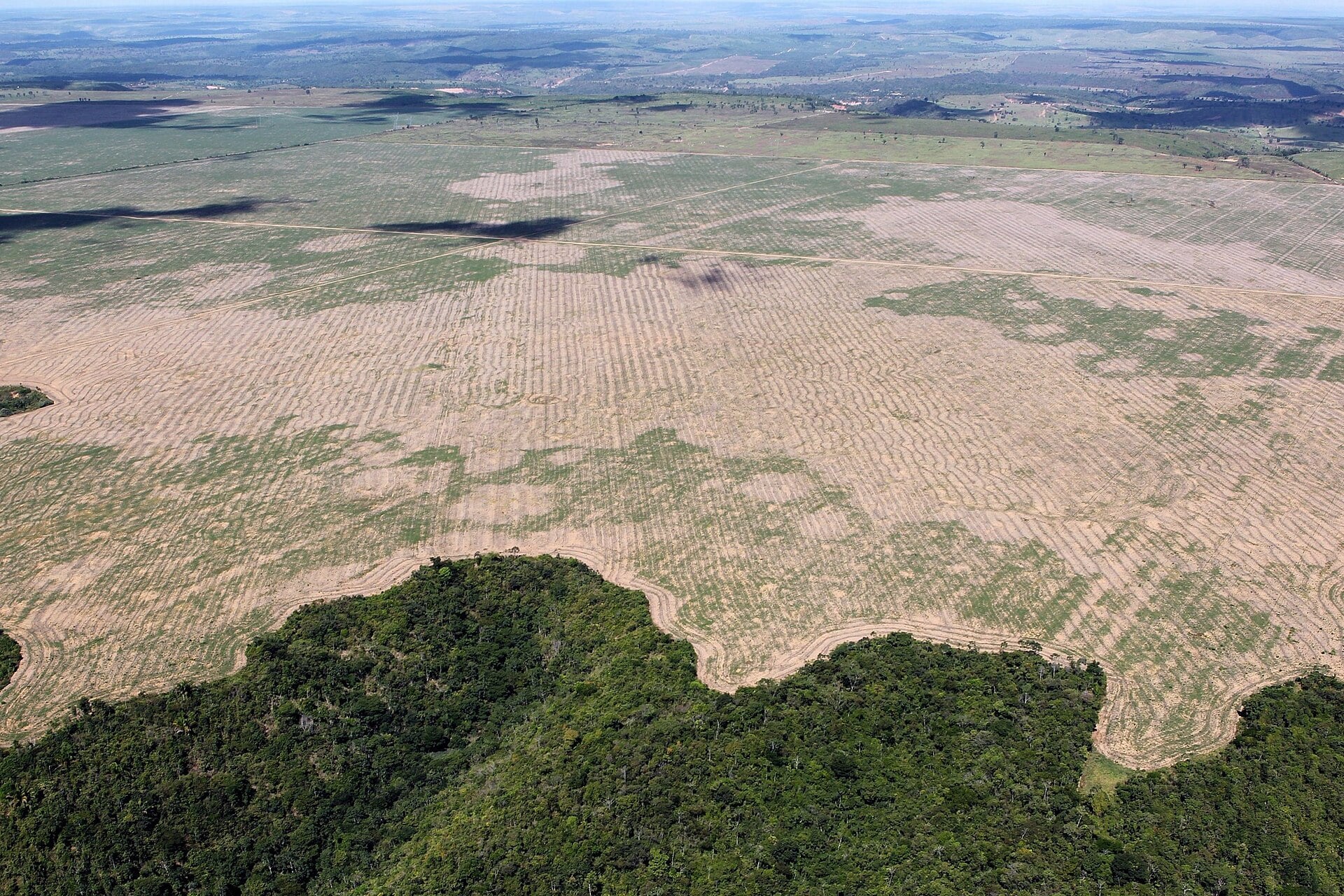
In a rare encounter deep in the Brazilian Amazon, around 20 members of the Awá Indigenous people emerged from isolation and made contact with a government post. Their rare appearance highlights the growing threats encroaching on their ancestral territory, including illegal logging, deforestation, land grabbing, and the expansion of agriculture, which are steadily eating into the rainforest they call home.
On Tuesday, nonprofit advocacy group Survival International shared images of what it described as a “historic encounter” in a region of Brazil’s northeastern Maranhão state between members of the Indigenous group, who are in voluntary isolation, and a government team. The group reportedly asked for yams, which they carried back into the forest.
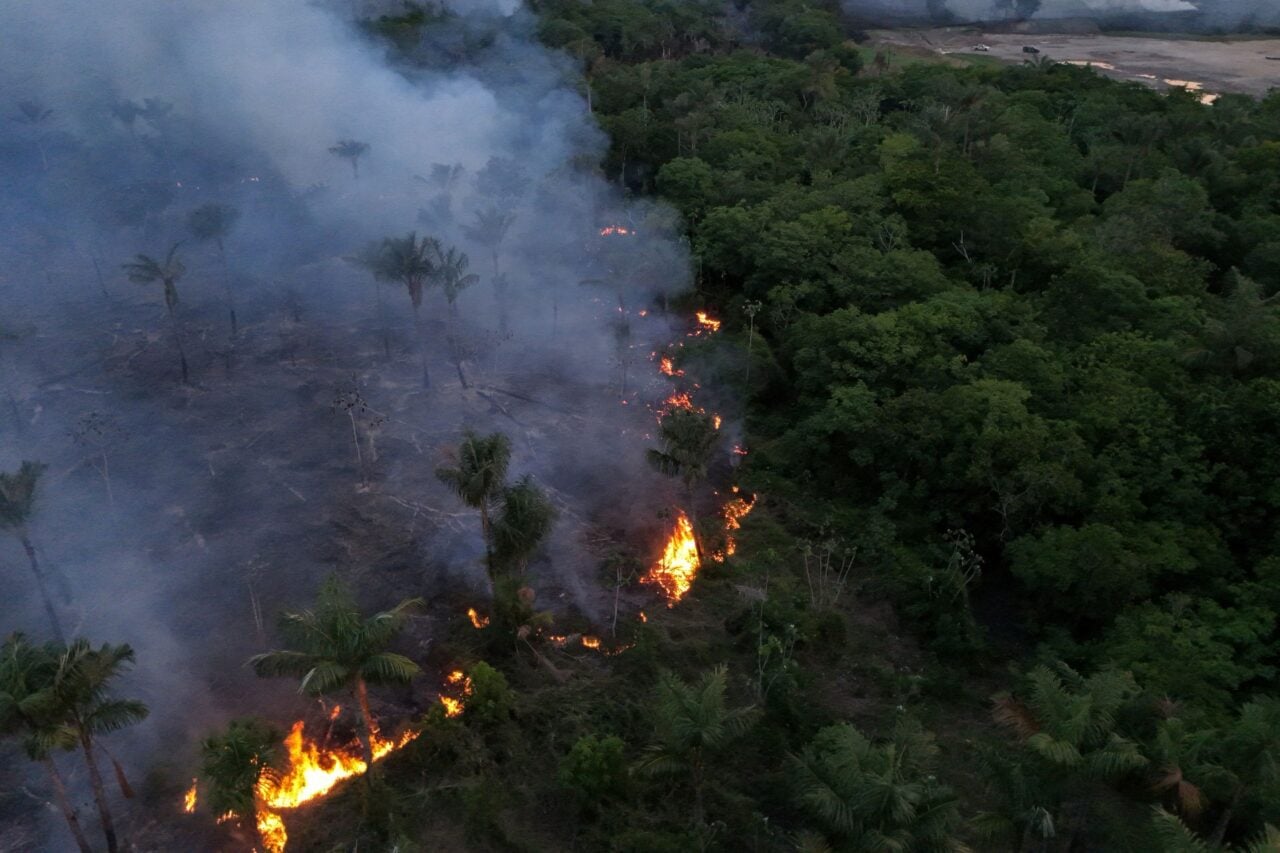
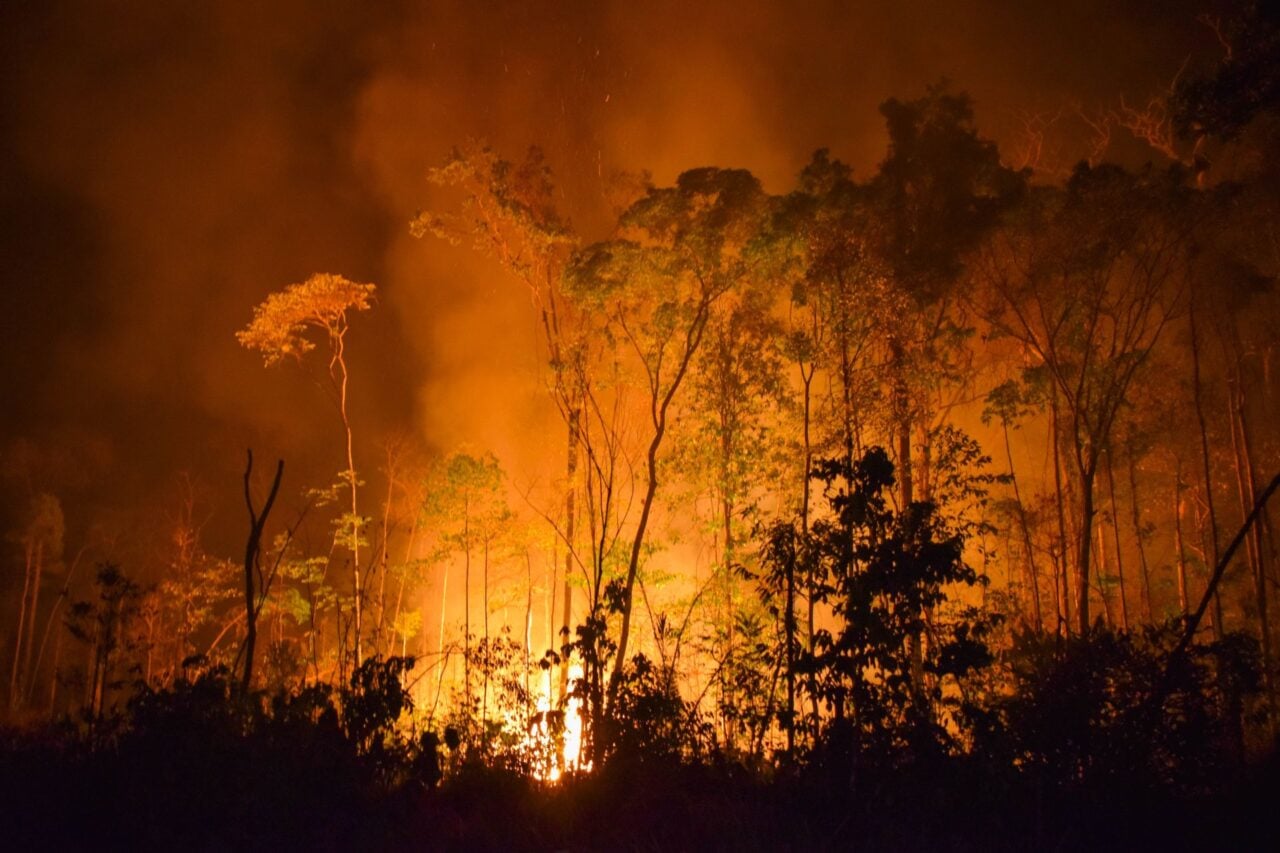
“The situation in the forest is challenging: climate change, fires, deforestation and land encroachment are having a direct impact on their lands and the Awá way of life, which depends exclusively on hunting and gathering,” a team of Guajajara people, known as the Forest Guardians, said in a statement.
Breaking no contact
Some Awá groups are among the last Indigenous peoples in the world to live in voluntary isolation, relying on the Amazon rainforest for virtually everything they need to survive. It is believed that they were once agriculturalists who were forced to become nomadic hunter-gatherers to survive waves of Portuguese and Brazilian settlers invading their land, according to Survival International. They now move through the Amazon forest in small, mobile groups, hunting animals and gathering fruits, nuts, and honey.
In recent years, the Awá have seen their population shrink dramatically as they face attacks by settlers, loggers, and other intruders. Contact with outsiders has also exposed the Awá to infectious diseases to which isolated communities have little immunity.
The recent encounter was particularly unusual because the isolated Awá in the Arariboia territory have not approached outsiders so closely in decades. While sightings of the group have occurred before, their decision to approach a government post and request food has raised concerns about the growing pressures on their forest home.
“This is a troubling indication of how the continued invasion of uncontacted peoples’ forests puts otherwise self-sufficient Indigenous people in real danger,” Caroline Pearce, director of Survival International, said in a statement. “The uncontacted Awá are under extreme pressure as intruders encroach from all sides of their territory, driving them into an ever-smaller island of the Amazon rainforest, surrounded by destruction.”
The isolated group entered a village within the Arariboia Indigenous territory in the northeastern state of Maranhão, home to the Guajajara ethnic group. A video of the encounter, filmed by Guajajara villagers, was released by Survival International to highlight the urgent need to protect uncontacted peoples’ territories from invasion and destruction.
“The Brazilian government must commit the resources necessary to protect Arariboia from the loggers and ranchers who are razing it, in flagrant defiance of the law,” Pearce said in a statement.
The motivation behind the group’s unexpected approach remains unclear, but their request for food has raised concerns about their health and ability to find enough resources in the forest. Their encounter with outsiders also carries its own risks: isolated Indigenous communities often have little immunity to common infectious diseases, meaning exposure to illnesses that are relatively harmless to outsiders could prove life-threatening or even fatal.
“We demand immediate action from the relevant authorities…to ensure what the Awá believe is best for them, safeguarding their lives, health, safety and dignity,” the Forest Guardians said in a statement.