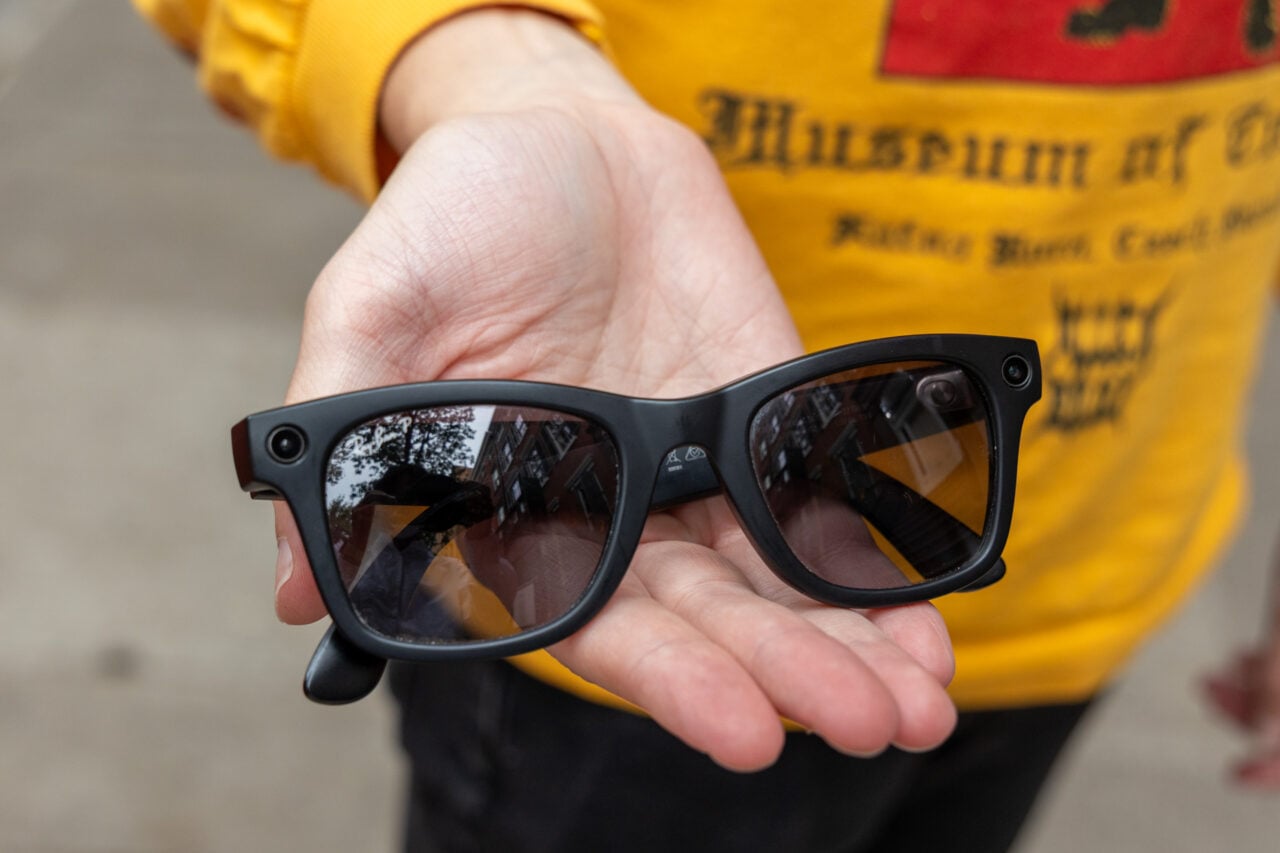
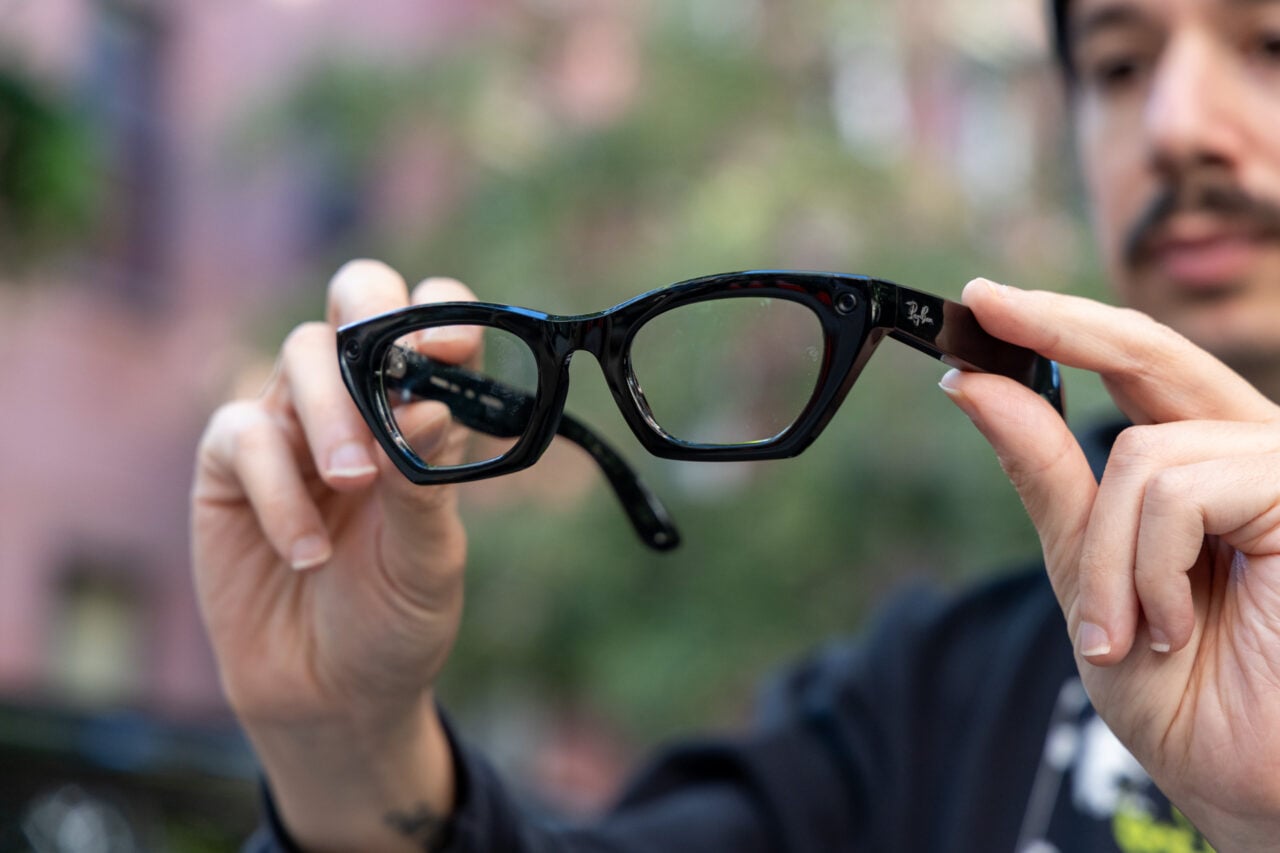
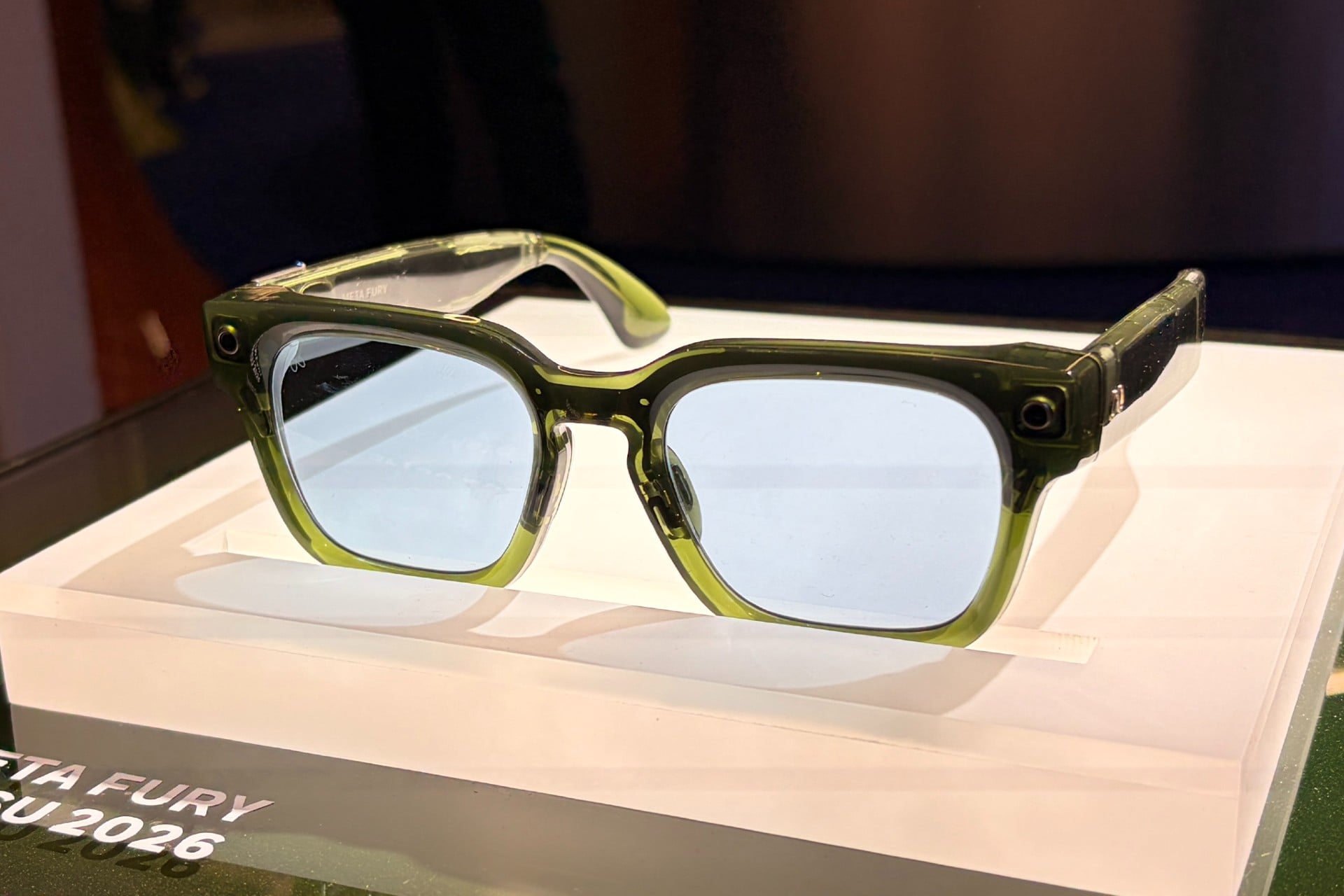
Meta officially has several new pairs of smart glasses to choose from, and though they aren’t groundbreaking in terms of features or hardware, they’re making at least one bold choice: they’re dropping Ray-Ban branding.
That might not seem like a big deal on the surface, but in Meta’s case, it may be a bigger one than you think. Most people (Meta likely included) would agree that its partnership with EssilorLuxottica, the originator of Ray-Bans, has been crucial to the success of its AI glasses. That’s not just because designing stylish, comfortable, and functional eyewear is difficult—it definitely is—it’s because Ray-Bans, unlike Meta, are a brand that most everyone is comfortable with.
The reality is, Meta’s track record on privacy is far from impeccable, and with smart glasses, a category that stress tests privacy norms without even trying, the controversies have already been frequent and often self-inflicted by Meta. There’s Meta’s interest in adding facial recognition to smart glasses and its subsequent backlash; its collection of users’ photos and videos that happen to sometimes be of the nude variety; and people’s tendency to use smart glasses for things like cheating or extortion, which isn’t expressly Meta’s fault but isn’t entirely not its fault either.
With all of those prevailing winds working against Meta, you’d think Mark Zuckerberg and co. would be working to adjust their approach on smart glasses to address concerns… right? After a recent Q&A with Meta’s CTO, Andrew Bosworth, I’m not so sure.
“I’m old enough to remember when there was controversy about phones having cameras, and this predates even the smartphones that we have today,” Bosworth told Gizmodo in an open forum with press this week. “So, there is this social learning thing that has to happen. [Smart] glasses are very popular, they appear to have a pretty broad audience of appeal, and people appear to use them successfully as they go about their days… We continue to try to be very forthright about what the glasses are, what they are capable of, and try to make sure that not just the person wearing the glasses, but the people around those people have the comfort they need.”
In some ways, Bosworth’s philosophy makes perfect sense. Social norms are a big part of setting expectations for any new technology, and consensus is not something that any company can really will into existence. Just look at what happened with Google Glass back in 2013, when the whole smart glasses form factor was essentially booed off the national stage. The crowd spoke, and the words were, in short, “No thanks.”
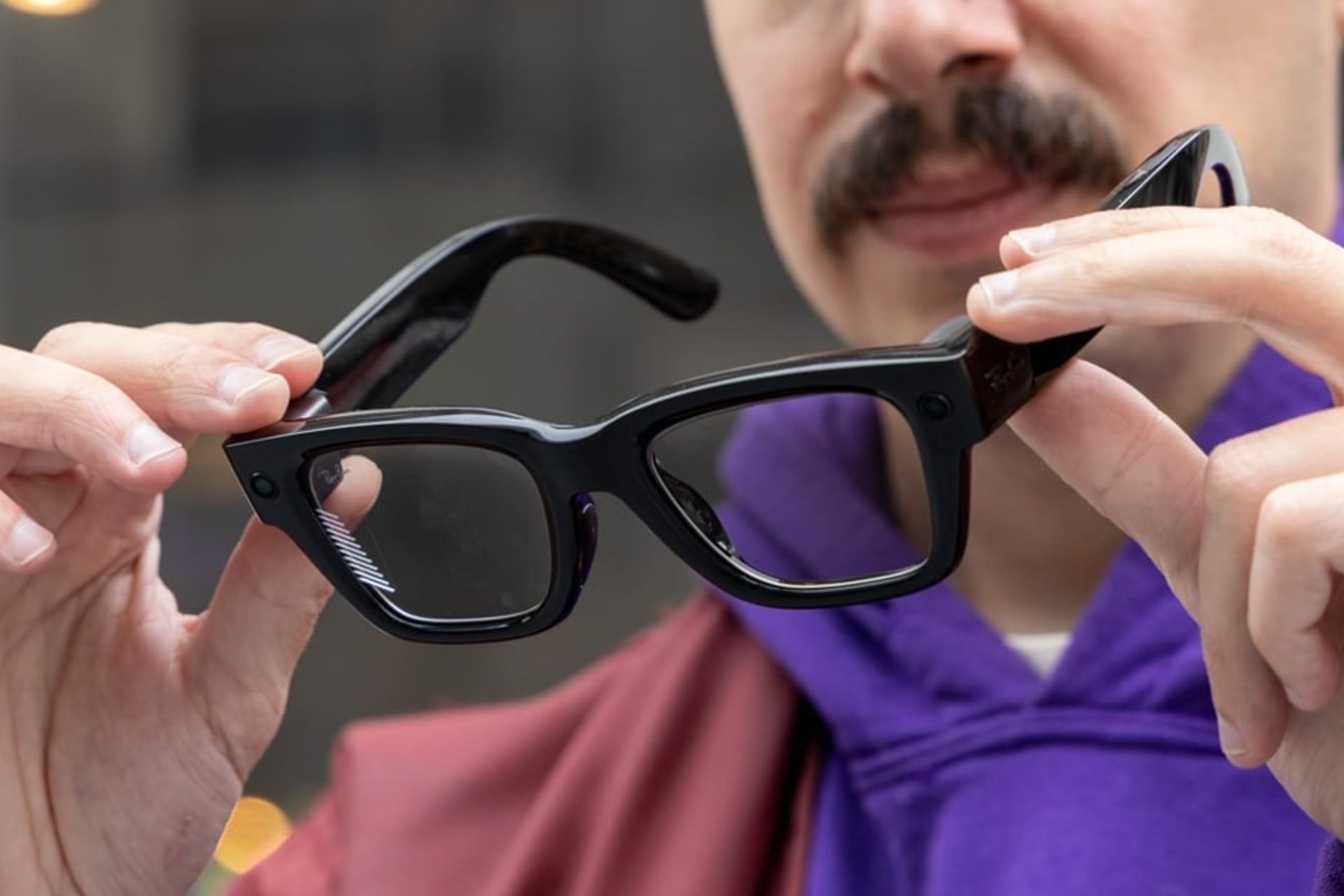
In other ways, though, Meta’s recent crop of smart glasses feels like a bit of a cop-out. With a new lineup of Meta-made smart glasses—pairs that the company seemingly had a more active role with in terms of design—it could have upped the privacy efforts. Instead, there was no news on making its new smart glasses more tamper-proof despite recent accounts that privacy measures (an LED indicator that tells people when they’re recording) can be removed. There was no introduction of an optional camera cover for when you want to wear your smart glasses, but don’t want to infringe on anyone’s privacy accidentally. There was no talk about changing its approach to user data to better protect user privacy, either.
Instead, we got “social learning,” which feels like Meta’s way of saying “it’s on you.” And smart glasses quite literally are—they’re real and on people’s faces, being used in all sorts of ways, some benign and others not so much. Social norms very well may change as a result, maybe in Meta’s favor, maybe not, especially with Google entering the fold (again) and maybe Apple down the line. One thing that doesn’t appear to be changing is Meta’s attitude, however, and until someone forces its hand—whether that “someone” is the market or regulators—its future smart glasses might look a lot like its old ones: one big wearable controversy with lenses.