NASA’s Lunar Flashlight is on a mission to hunt for water ice on the Moon’s surface, but the mission appears to be in trouble as three of the craft’s four thrusters are “underperforming,” according to NASA.
The Lunar Flashlight team is in the midst of evaluating the three problematic thrusters as the spacecraft journeys toward the Moon, NASA said in a press release. Lunar Flashlight launched successfully on December 11 aboard a Falcon 9 rocket alongside Japan’s Hakuto-R lunar lander mission. In addition to scanning for water on the Moon’s surface, Lunar Flashlight is also expected to test a more environmentally-friendly propellant.
NASA says that the trouble began three days after launch, when the mission team first noticed reduced thrust. Ground tests suggests the issue is due to obstructions in the spacecraft’s fuel lines. Since Lunar Flashlight fires its thrusters in short bursts, mission scientists are planning to operate the thrusters for longer durations in an attempt to clear the fuel lines. The spacecraft still needs to perform a series of trajectory correction maneuvers to reach its intended orbit around the Moon.
“In case the propulsion system can’t be restored to full performance, the mission team is drawing up alternative plans to accomplish those maneuvers using the propulsion system with its current reduced-thrust capability,” NASA-JPL wrote in a statement. “Lunar Flashlight will need to perform daily trajectory correction maneuvers starting in early February to reach lunar orbit about four months from now.”
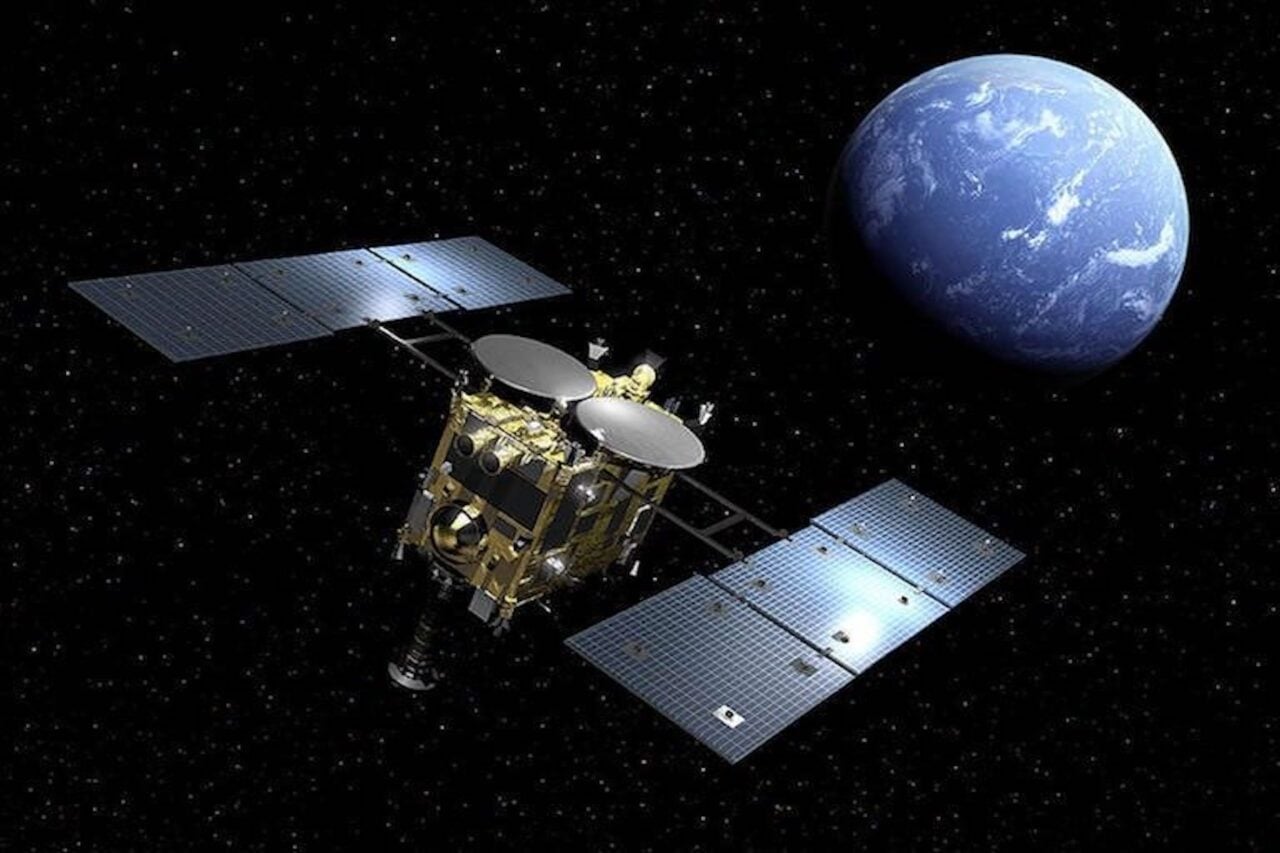
Lunar Flashlight is a brief-case sized satellite that is currently in the midst of a four-month journey to the Moon, making these issues with its thrusters all the more perilous. The spacecraft is powered by a more “green” propellant called a monopropellant. Monopropellants don’t require a separate oxidizer to burn, making it safer to transport over the more commonly used hydrazine, NASA says.
If the mission goes according to plan, Lunar Flashlight will scan the Moon’s southern polar regions with infrared light to find reservoirs of water ice that are located in permanently shadowed regions. These reservoirs could be a source of drinking water, fuel, or even breathable oxygen for future crewed missions to the Moon.
More: SpaceX Stacks Its Starship Rocket Ahead of Anticipated Orbital Launch