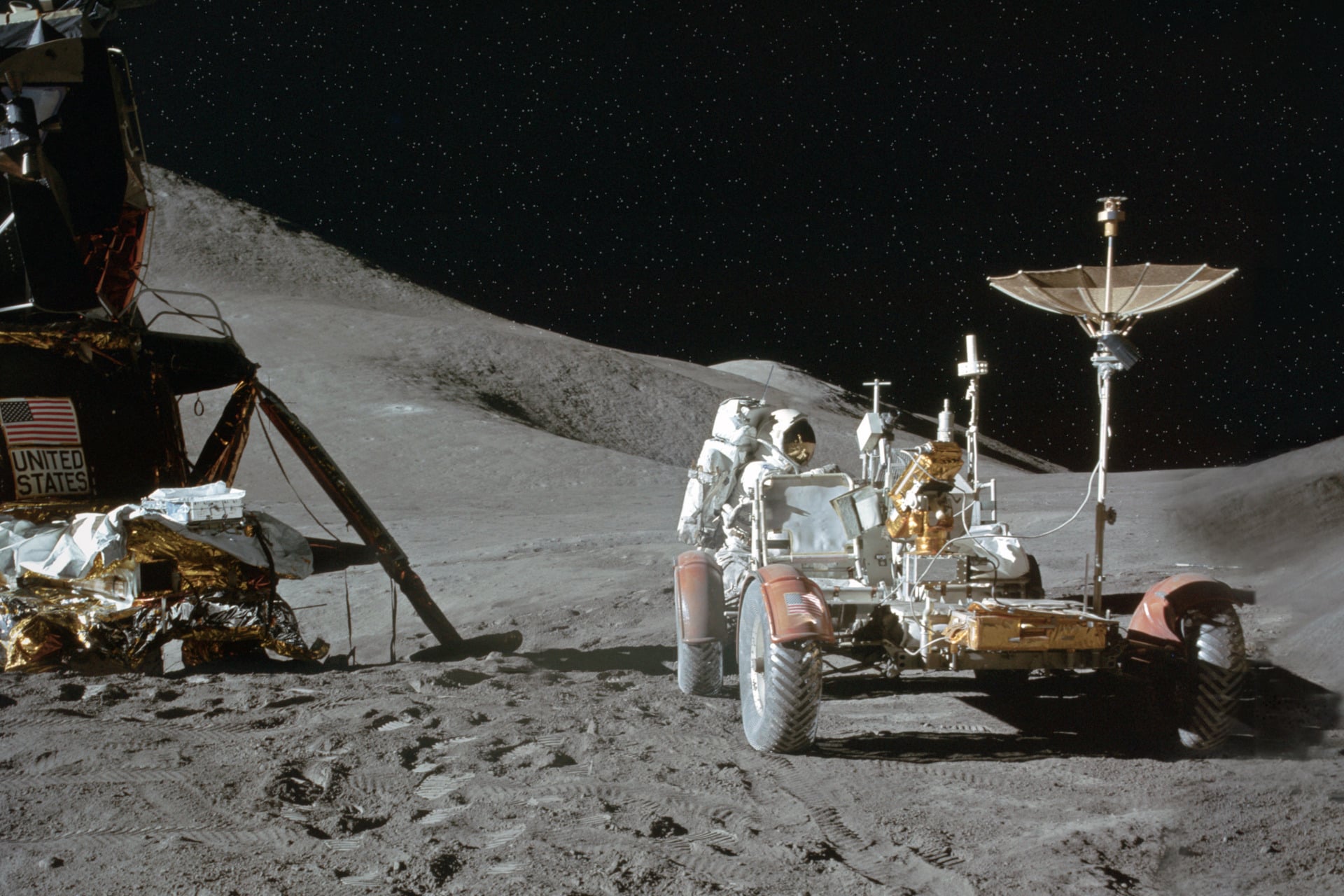
People might have told you that the Moon is something of a harsh mistress. Putting aside what you already know about it—the Moon’s extreme surface temperatures, its lack of a breathable atmosphere, and its constant exposure to solar and cosmic radiation—the dusty lunar surface is also coated in tiny particles of regolith that are (to make matters worse) as sharp as glass.
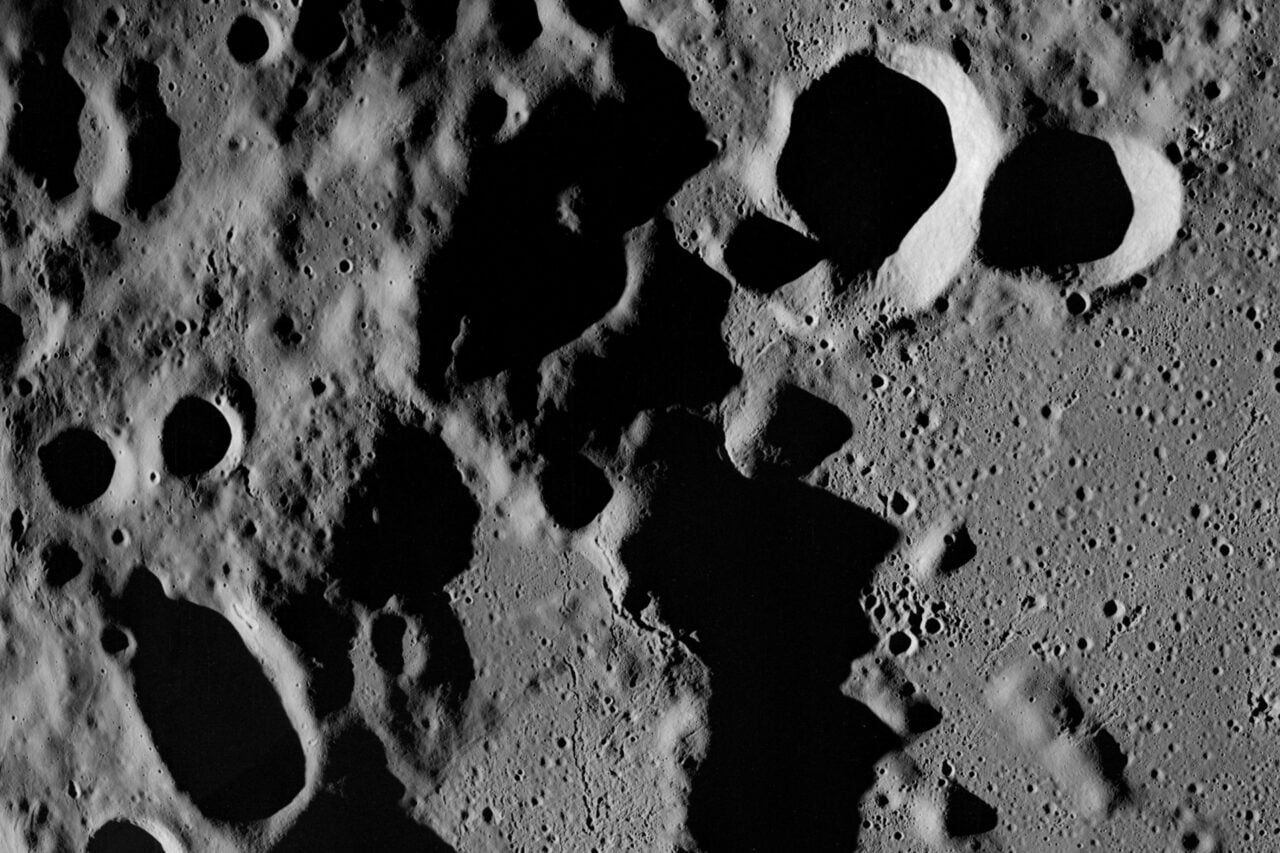
Astronomers and planetary scientists had long assumed the Moon was simply too inhospitable to support any kind of life, but NASA researchers have now added a critical caveat: It turns out that certain well-shaded pockets along the Moon’s craggy surface, particularly near the lunar poles, are just protected enough from radiation to preserve certain microbes in a state of suspended animation, known as cryptobiosis.
Researchers at NASA’s Goddard Space Flight Center cross-checked these spots with data on three categories of bacteria and two types of fungi, finding that a few microbes not even classed as tough “extremophiles” have the capacity to eke out an existence on the Moon.
“For some scientists, myself included, that reality can be unsettling,” Prabal Saxena, a planetary scientist at NASA Goddard and the new study’s lead author, said in a statement. “But it also creates an opportunity to turn an imperfect situation into a useful experiment.”
Cold traps
Saxena and his colleagues selected their microbial study candidates based on each one’s known radiation-resistant and heat-resistant properties. The extremophile bacteria Deinococcus radiodurans, for example—which can survive in space and even hop asteroids—has been a notorious issue for NASA space missions hoping to avoid contaminating celestial bodies with Earth life (and thus avoid undermining the search for alien life).
But even less hardy species, like the fungus Aspergillus niger, have surprised researchers with their resilience in space. Astronauts have learned that A. niger colonies, which typically thrive in warm, damp terrestrial locations like bathrooms and heating vents, have not only survived onboard the International Space Station, but can manage to stay alive on its exterior surfaces as well.
NASA Geomicrobiologist Aaron Regberg, a co-author on the new paper, said this performance by a non-extremophile surprised him at the time. “I would have expected these microbes to have dried out,” Regberg said.
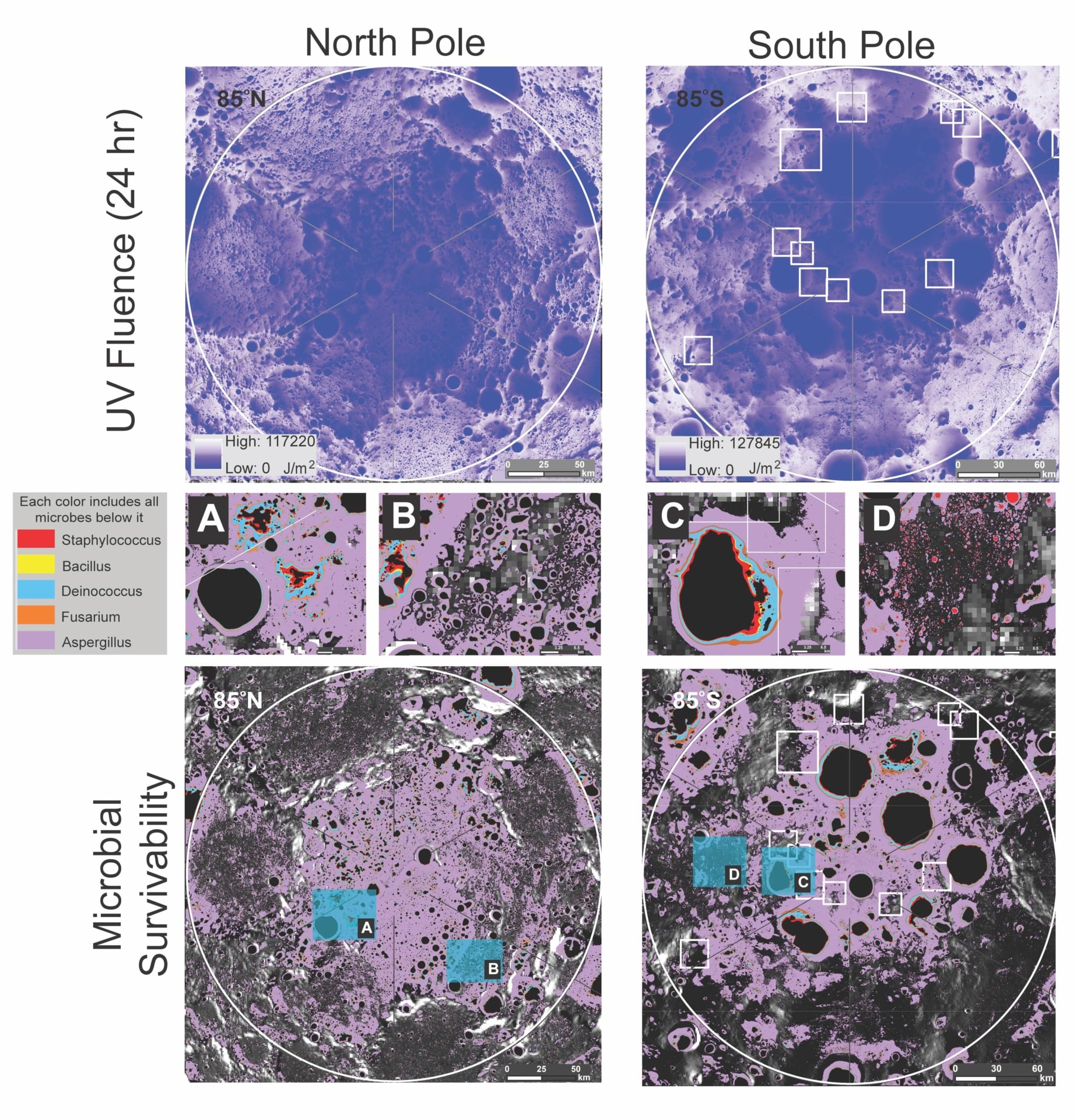
Alongside D. radiodurans and A. niger, the researchers assembled data on Bacillus subtilis and Staphylococcus aureus bacteria, as well as several species from the fungal genus Fusarium for their study, published Wednesday in the journal Science Advances. Each was chosen for their reported robustness in spaceflight conditions—and then pitted against the lunar environment in simulations built off detailed maps of elevation and temperature data collected by NASA’s Lunar Reconnaissance Orbiter.
The model also calculated the variation in radiation exposure across different portions of the lunar surface, which is particularly spared from ultraviolet bombardment at the poles, where compounds like water that might otherwise evaporate have been stored in so-called “cold traps.”
Cold Storage
According to Saxena, who researches exoplanet geochemistry among his other duties at NASA Goddard, the possibility of astronauts accidentally contaminating these sites includes a potentially intriguing corollary. Cosmic collisions earlier in our solar system’s history might have already launched microbe-laden chunks of planet Earth onto the Moon, where microscopic life may have already been stored there in a cryptobiotic state.
“The moon might be like Earth’s freezer, preserving really interesting bits of evidence of Earth’s past if they landed at the Moon’s poles,” Saxena told Space.com on Thursday.
After some careful work establishing a safe and sterile research station, he hopes that further experiments at the lunar poles might one day be able to assess how well a variety of other microbial species might adapt to life on the Moon.
“We have this great opportunity to really think about the limits of life and how resilient it is even in incredibly extreme environments,” Saxena said.