
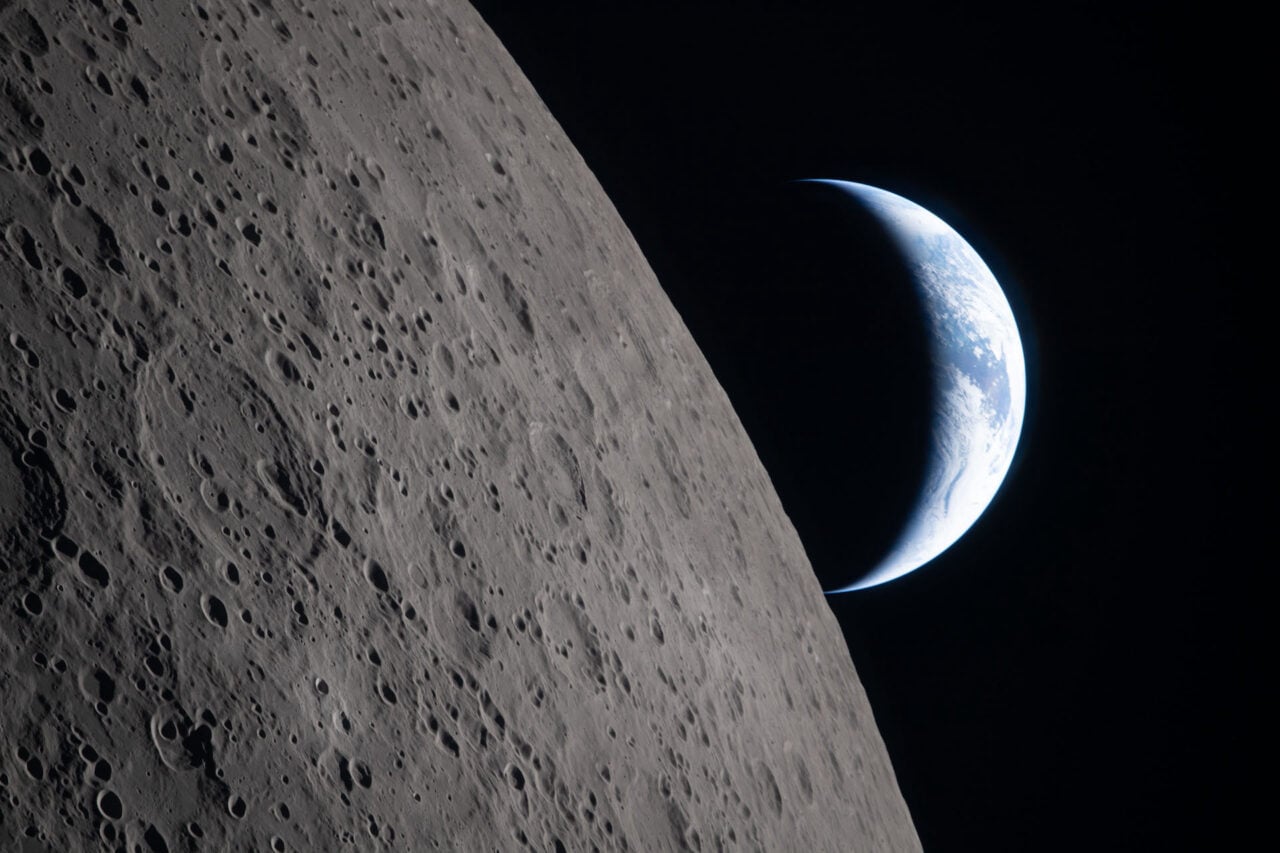
Why go to the Moon when there are so many problems to fix here on Earth? Artemis 2 mission pilot Victor Glover explained Thursday from cislunar space.
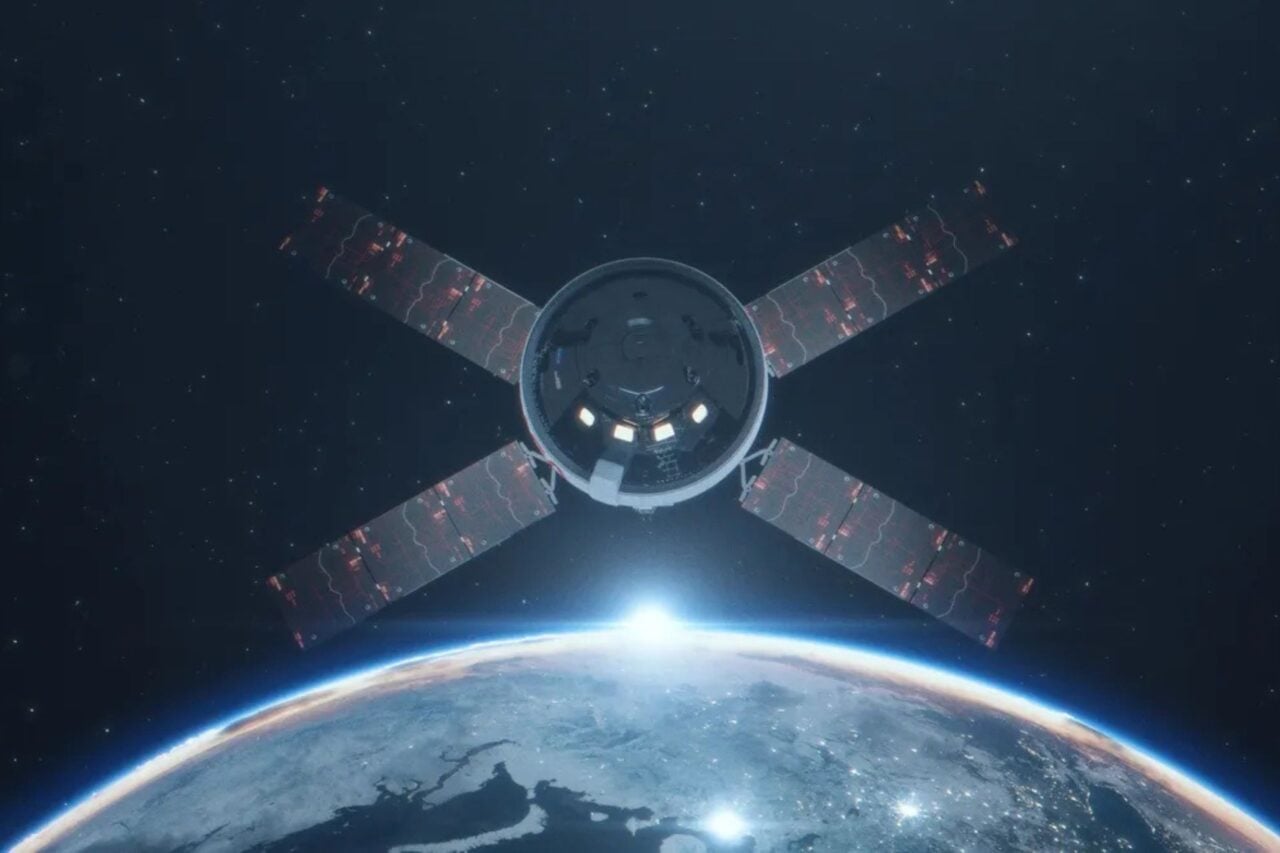
The Orion spacecraft has successfully completed the translunar injection burn and departed low-Earth orbit.
Four astronauts blasted off on a journey to the Moon on Wednesday. Here are some cool launch-day details you may not have picked up on.
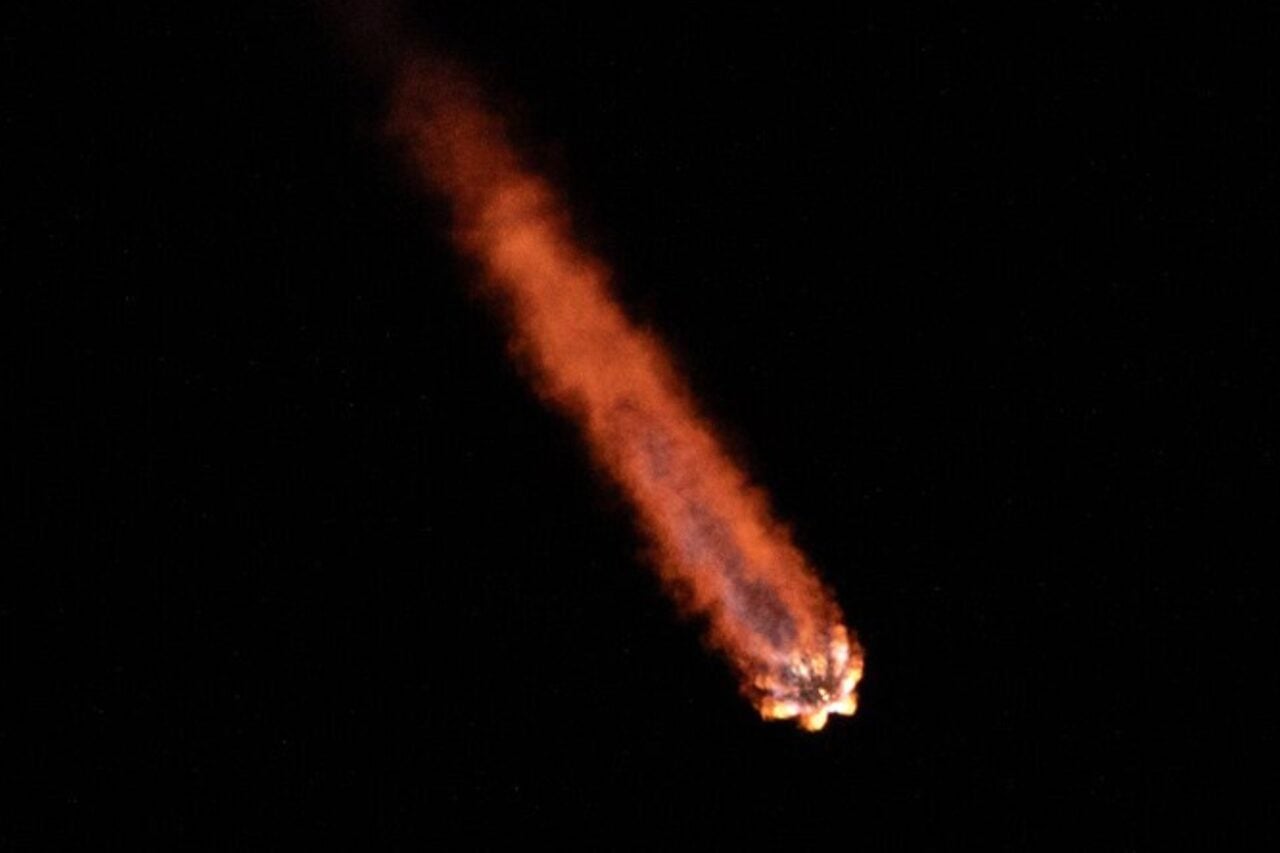
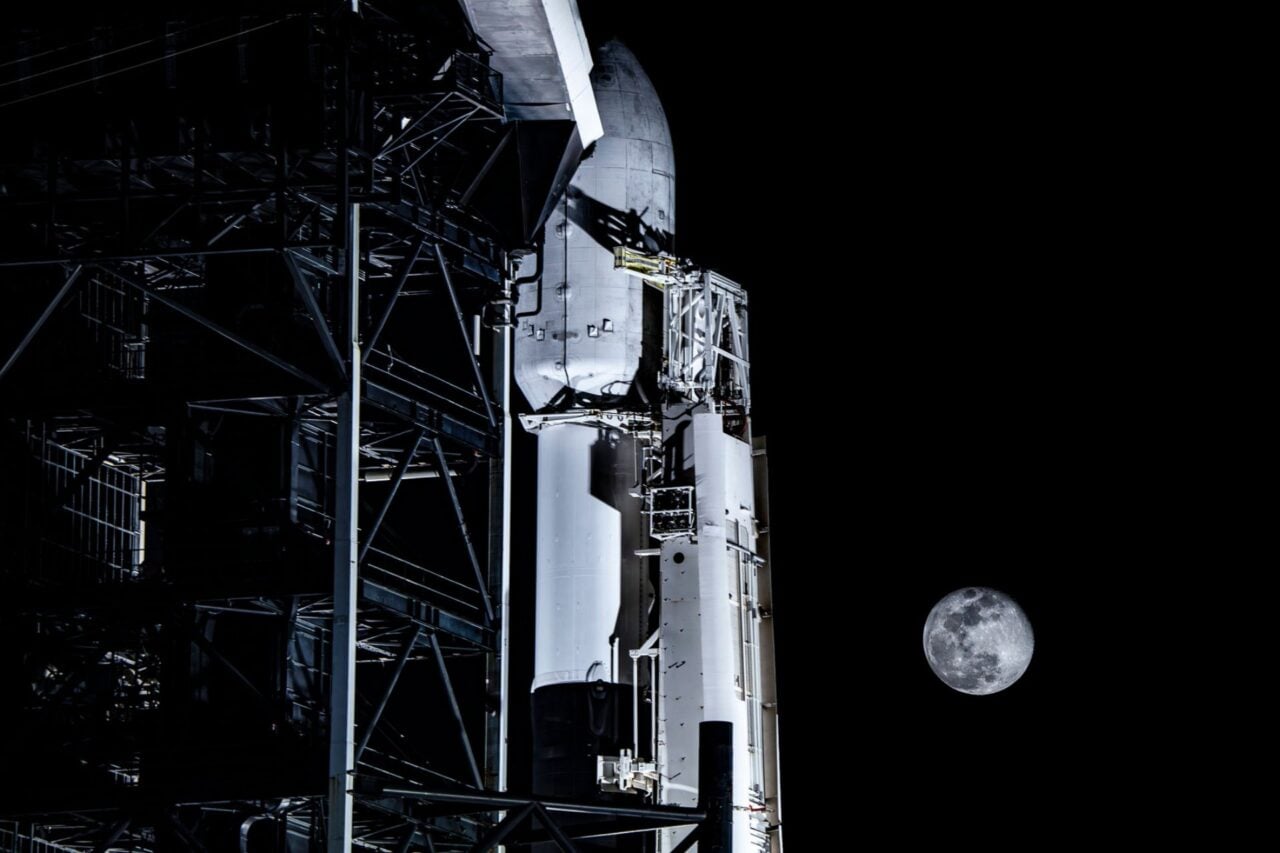
NASA's Space Launch System rocket, with the Orion spacecraft atop, launched at 6:35 p.m. ET on Wednesday, kicking off the first mission to send astronauts to the Moon in over 50 years.
You don’t want to miss this historic moment.
The Earth's magnetosphere reportedly performs beyond expectations.
NASA is under enormous pressure to return astronauts to the Moon before China achieves its first crewed landing, but experts question whether the Artemis program can overcome delays, technical hurdles, and budget constraints.
NASA’s Lunar Trailblazer satellite was supposed to map water across the surface of the Moon, but glaring design and testing errors killed it.
The agency tacked on an additional flight in 2027 to test lunar landers in Earth orbit.
An early morning eclipse will sweep across North America on March 3, posing a challenge for skywatchers along the eastern half of the continent.
With a wet dress rehearsal successfully concluded, the Artemis 2 mission could launch in a matter of weeks.
General Galactic is aiming to fly a satellite using a water-powered propulsion system.
The agency recently delayed the Artemis 2 mission due to a liquid hydrogen leak that has plagued the SLS rocket.
Luna 9 had a bouncy touchdown on the lunar surface in 1966, becoming the first spacecraft to land on the Moon.
The space rock has a 4.3% chance of striking the Moon in six years—and it could generate a flash nearly as bright as Venus.
The list includes volunteers ranging from amateur radio enthusiasts to commercial service providers.
NASA’s Artemis 2 mission is no mere test flight. The crew will partake in some seriously mind-blowing science during their 10-day trip around the Moon.
The first crewed spaceflight of NASA’s Artemis program will break records, achieve historic firsts, and pave the way for America’s return to the Moon.
The Moon's weaker gravity results in slightly faster clocks than on Earth.
If the rollout happens on NASA’s current schedule, astronauts could be headed back to the Moon next month.