Perhaps no auteur in the anime industry suffers from flanderization more than Hideaki Anno, the creator of Neon Genesis Evangelion. Whenever his name is uttered in anime circles, it’s either about his unflinching love for Kamen Rider or how his working through his issues in his art led to Neon Genesis Evangelion’s inarguable status as a radically sincere anime that’s somehow still not with us yet after so many goodbyes. But mostly, Anno’s magnum opus has boiled down to his having his picture next to the word “nihilistic” in Webster’s dictionary for anime fans.
Contrary to the decades’ worth of memes flattening Anno to a machine made of flesh that only makes depressing works of art, Anno doesn’t get enough credit for being a pretty funny guy. And no work exemplifies that as perfectly as his seminal Gainax TV series, Nadia: The Secret of Blue Water.
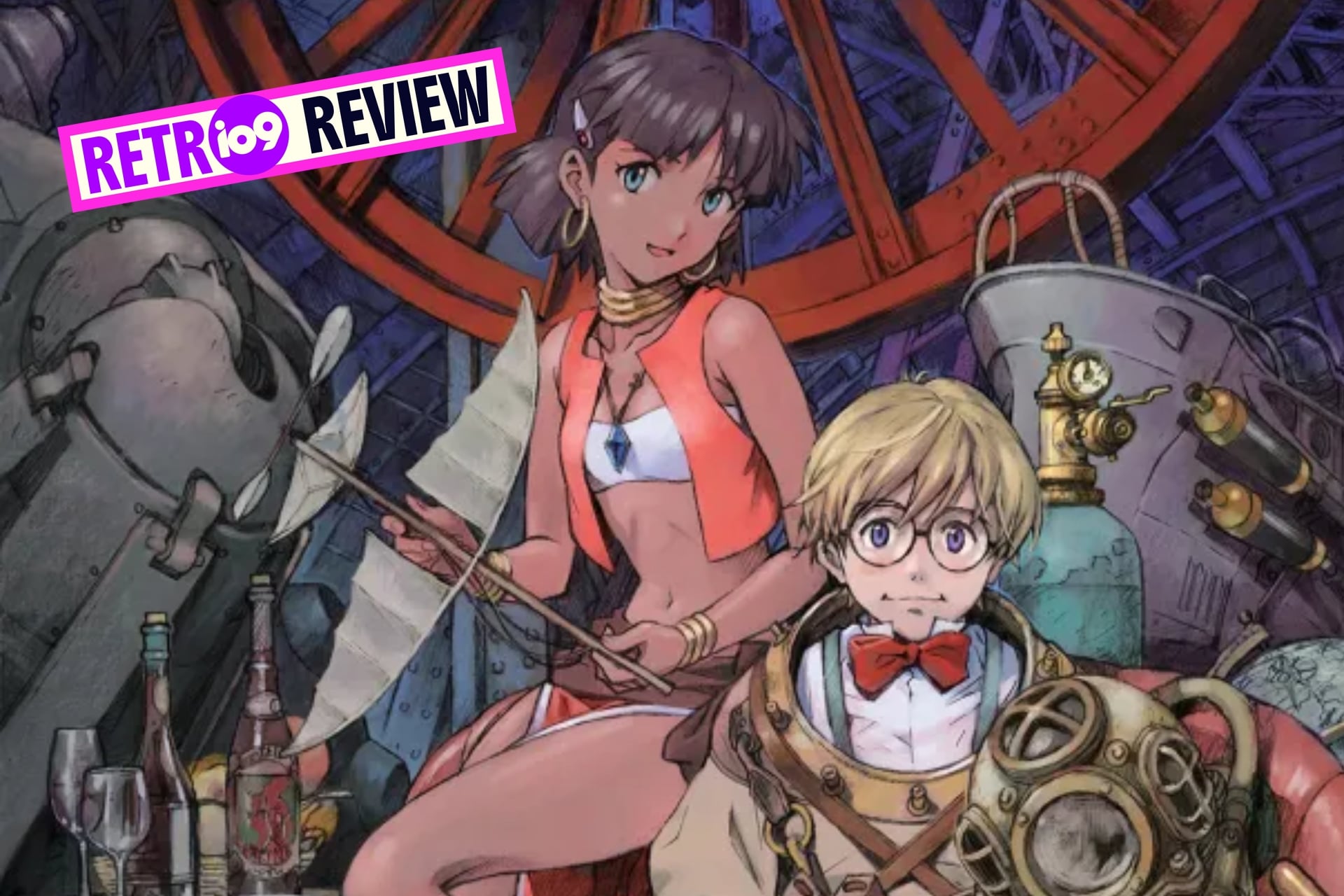
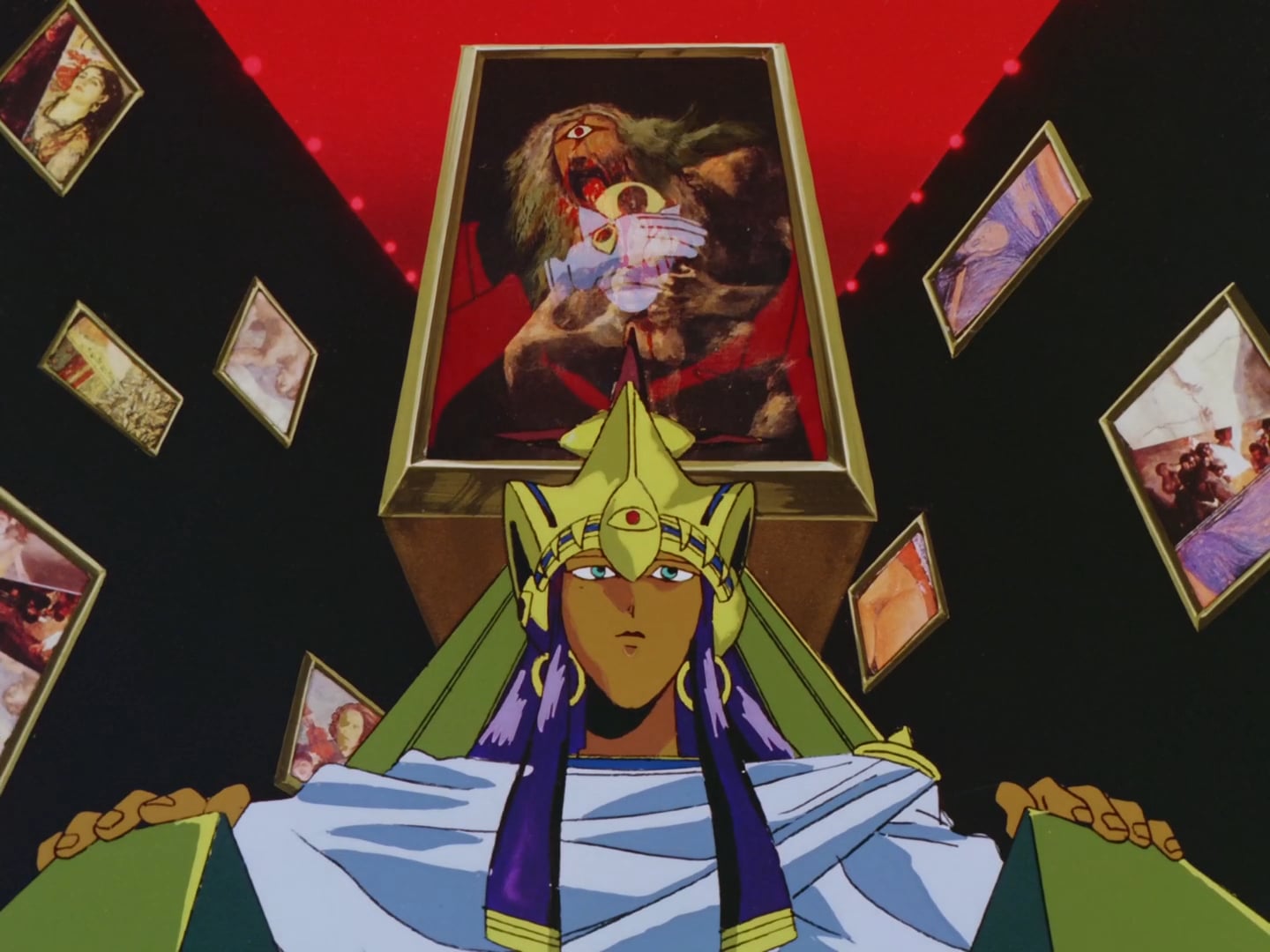
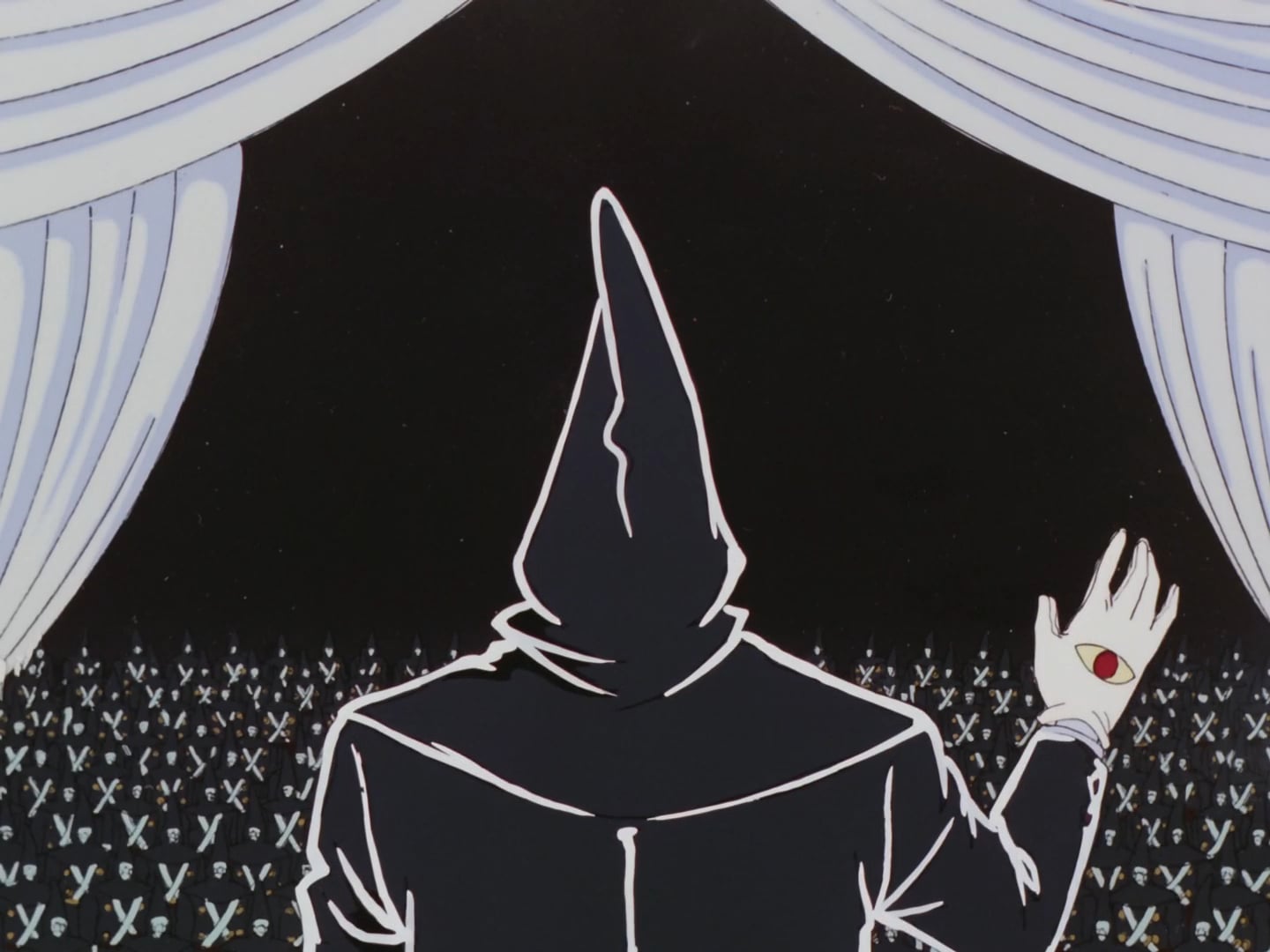
Nadia: The Secret of Blue Water, based on Jules Verne’s Twenty Thousand Leagues Under the Seas, follows the globetrotting adventure of two tempestuous kiddos: Jean, a young inventor, and Nadia, a young circus performer. While their tempestuous relationship starts by happenstance, it takes a turn into a cataclysmic whirlwind adventure thanks to a mysterious diamond affixed to Nadia’s necklace, which has the world fiending after its power. Included among them are a troupe of Team Rocket-like thieves, a Captain Harlock-type submarine captain, and a legion of what I can only describe as Neo Atlantian Klansmen. Translation: this show has a lot going on in 39 episodes.
When I first started Nadia, I had some pretty obvious expectations. For starters, I expected the show to be something like a progenitor to the adventure I fell in love with from Disney’s Atlantis: The Lost Empire. And sure enough, I got that. But what struck me most about the show was how enthusiastically it ignored the main quest of it all to embellish in “canon filler,” a term that’d make modern anime fans lose their minds in frustration for one episode, let alone the entire damn show.
Canon filler is the connective tissue between a filler episode of an anime and the show, adapting consequential storylines. Sometimes that’s strictly following the source material, but mostly it’s things that are consequential to the plot. The things of consequence happening in its story. Sometimes it’s really awkward in shows like Naruto, and other times it’s hard to distinguish in shows like One Piece. As an original anime series, Nadia, like Cowboy Bebop, relishes making its canon filler the best part of the show.
Nadia: The Secret of Blue Water is powered by a kind of pure Saturday-morning cartoon whimsy that deliberately pushes its cataclysmic stakes into the background, embracing the same filler-as-text rhythm that defined its contemporaries like Cowboy Bebop. Logistically, that manifests in the show’s 10th, 20th, and 30th episodes as moments when the show acquiesces to the narrator’s increasingly frustrated impatience over whether its character will uncover the show’s MacGuffin in its opening recap. Y’know, the thing the show’s named after.
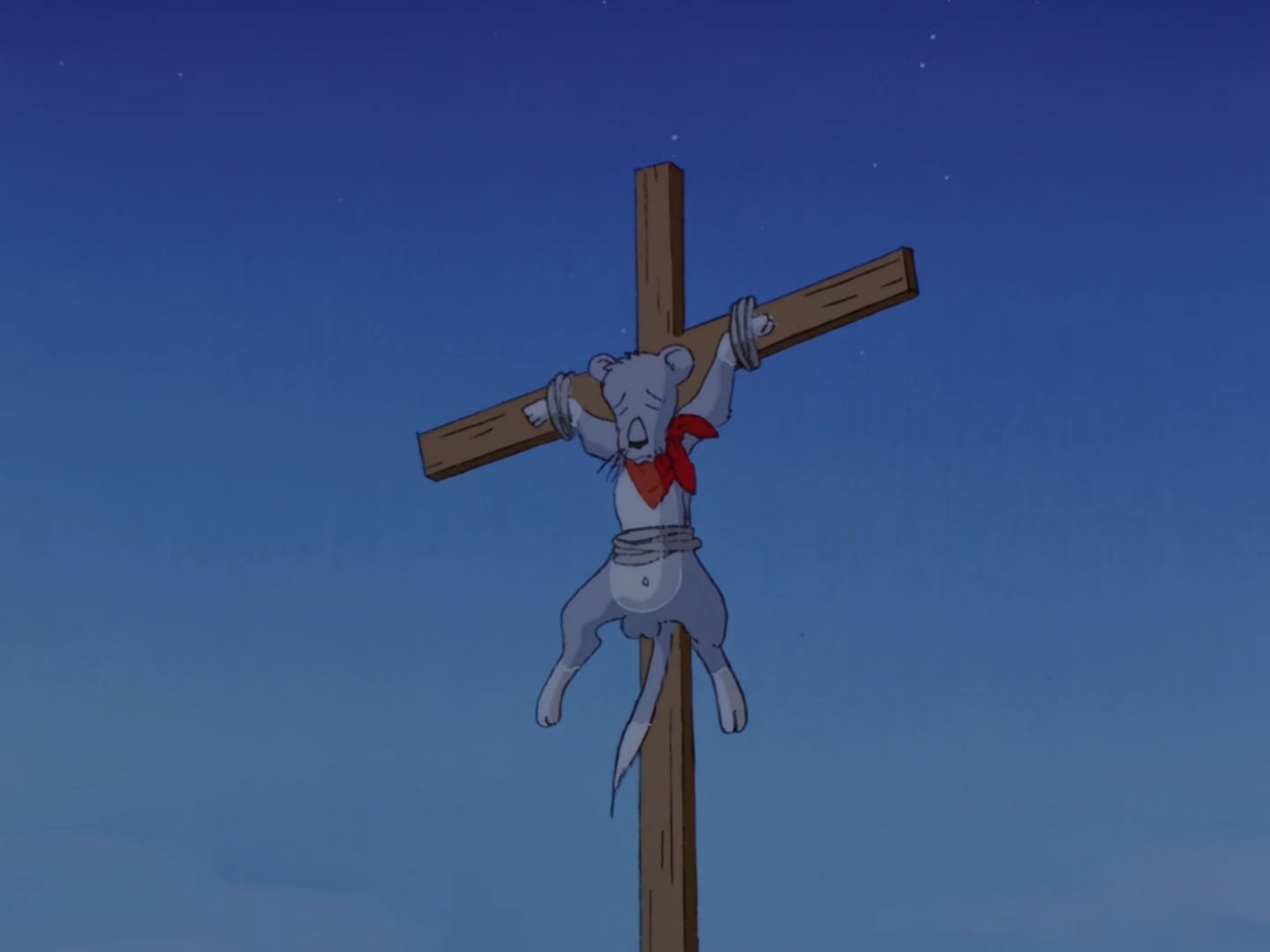
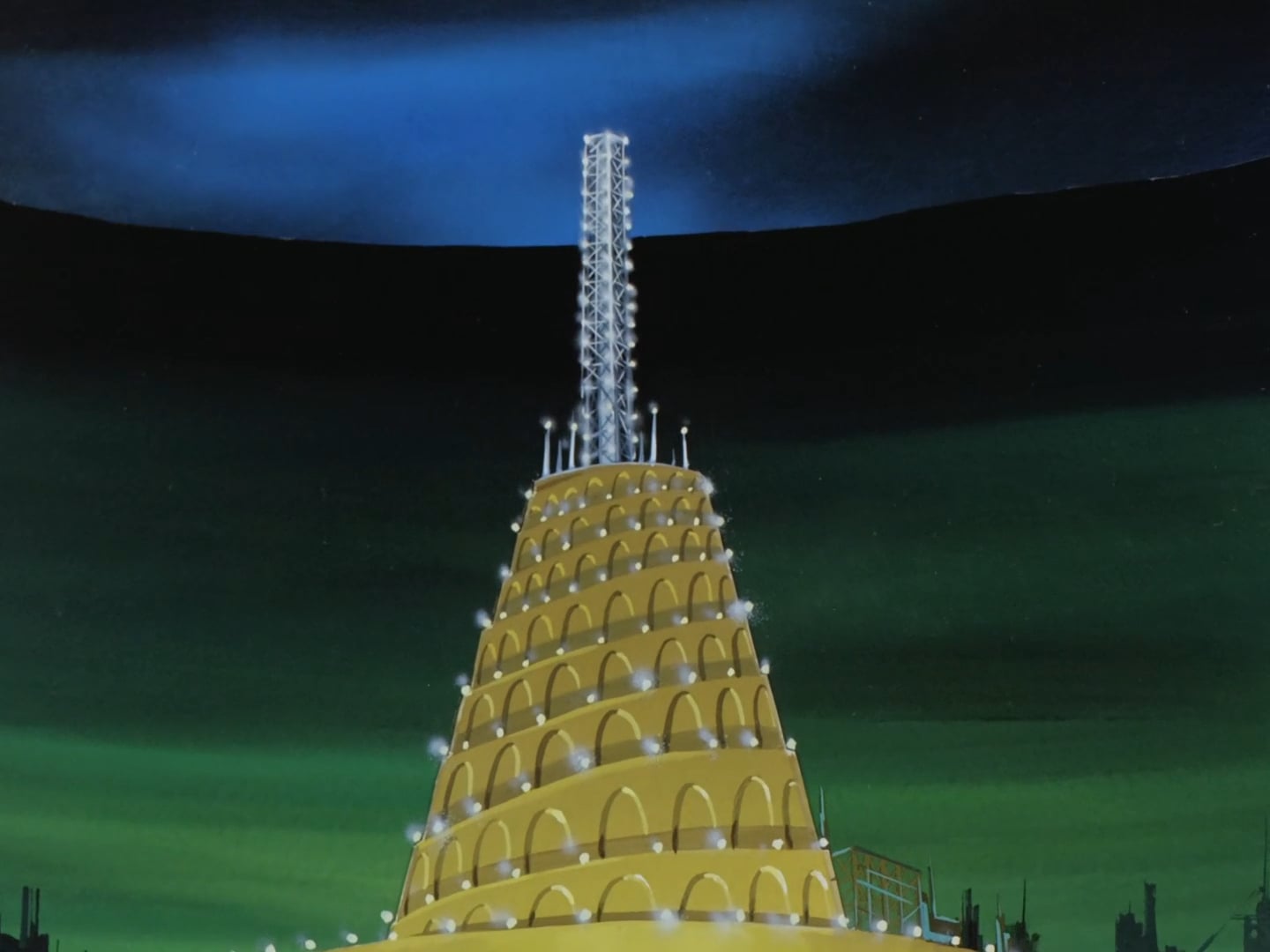
When it does, the series unleashes some of the most emotionally devastating sequences a happy-go-lucky cartoon can muster. I’m talking Tower of Babel-meets-Atlantis mythmaking that lands with such sincerity that Evangelion‘s faux-religious imagery feels like empty-calorie visual garnishes by comparison. I was oohing and aahing in the build-up to and aftermath of these episodes. But the vast majority of Nadia aren’t these esoteric escalations typical of Anno; it’s joyous, character-driven downtime.
Whenever the gang isn’t fighting Atlantic Klansmen or stressing over mutually assured nautical combat, they’re bunkering in their claustrophobic submarine, playing Survivor through an archipelago of deserted islands, or falling into full Looney Tunes mayhem—dust-cloud brawls, unserious railroad-track chases, freeze-frame pratfalls, and all. Hell, there’s even a clip show episode two, which is the final stretch, sung by the cast, that slaps in the English dub and sub. And that’s where the show truly shines.
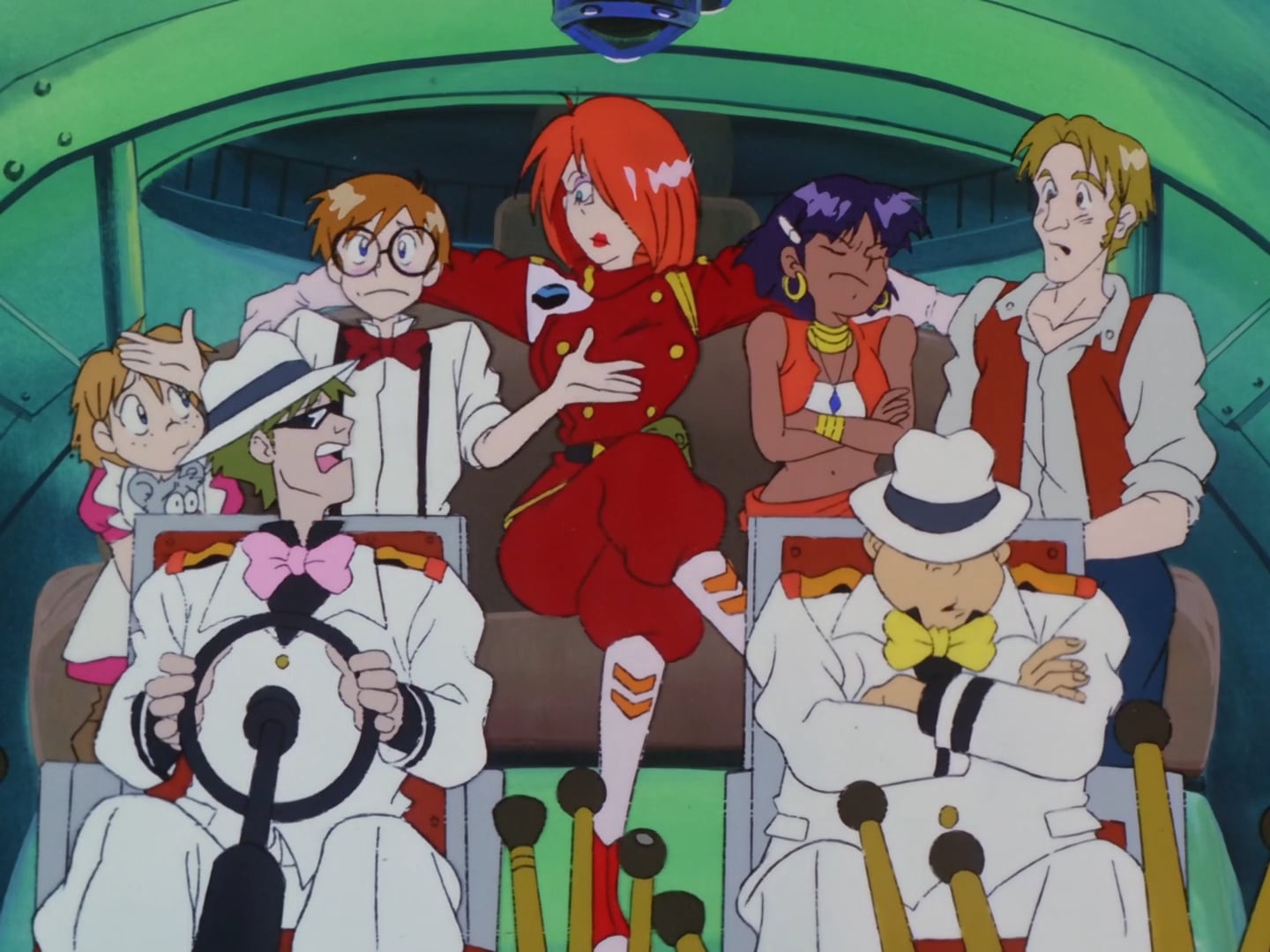
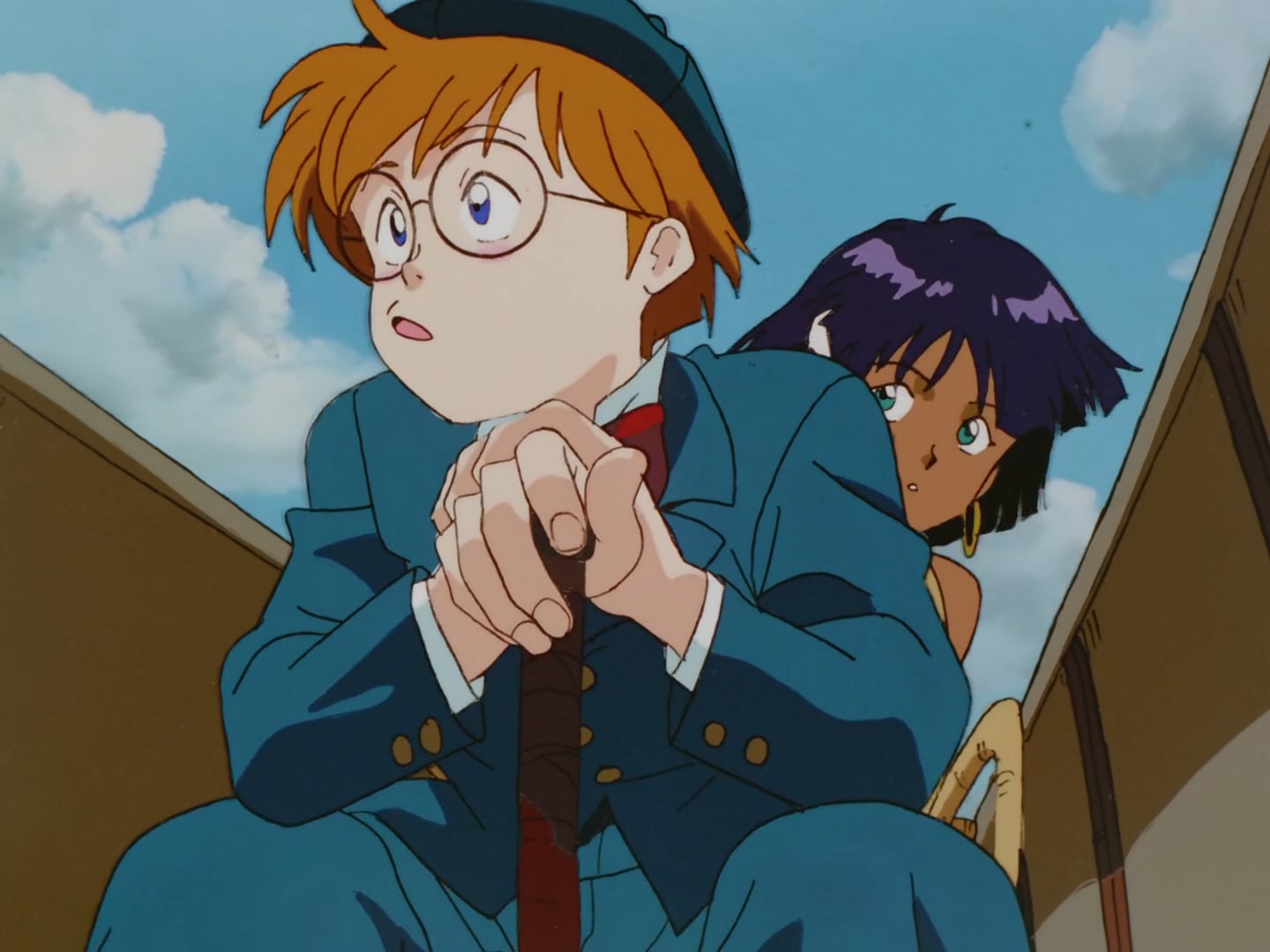
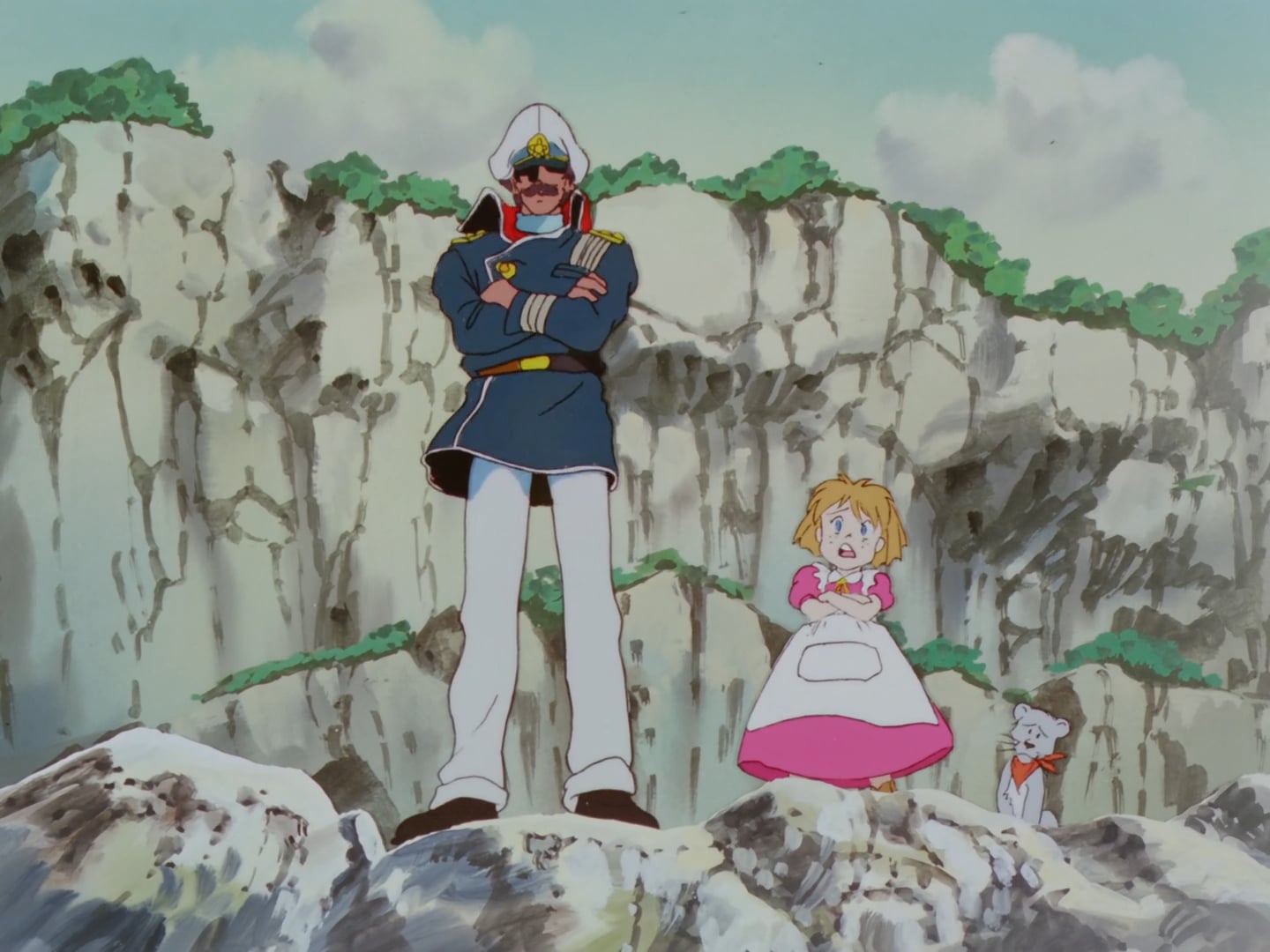
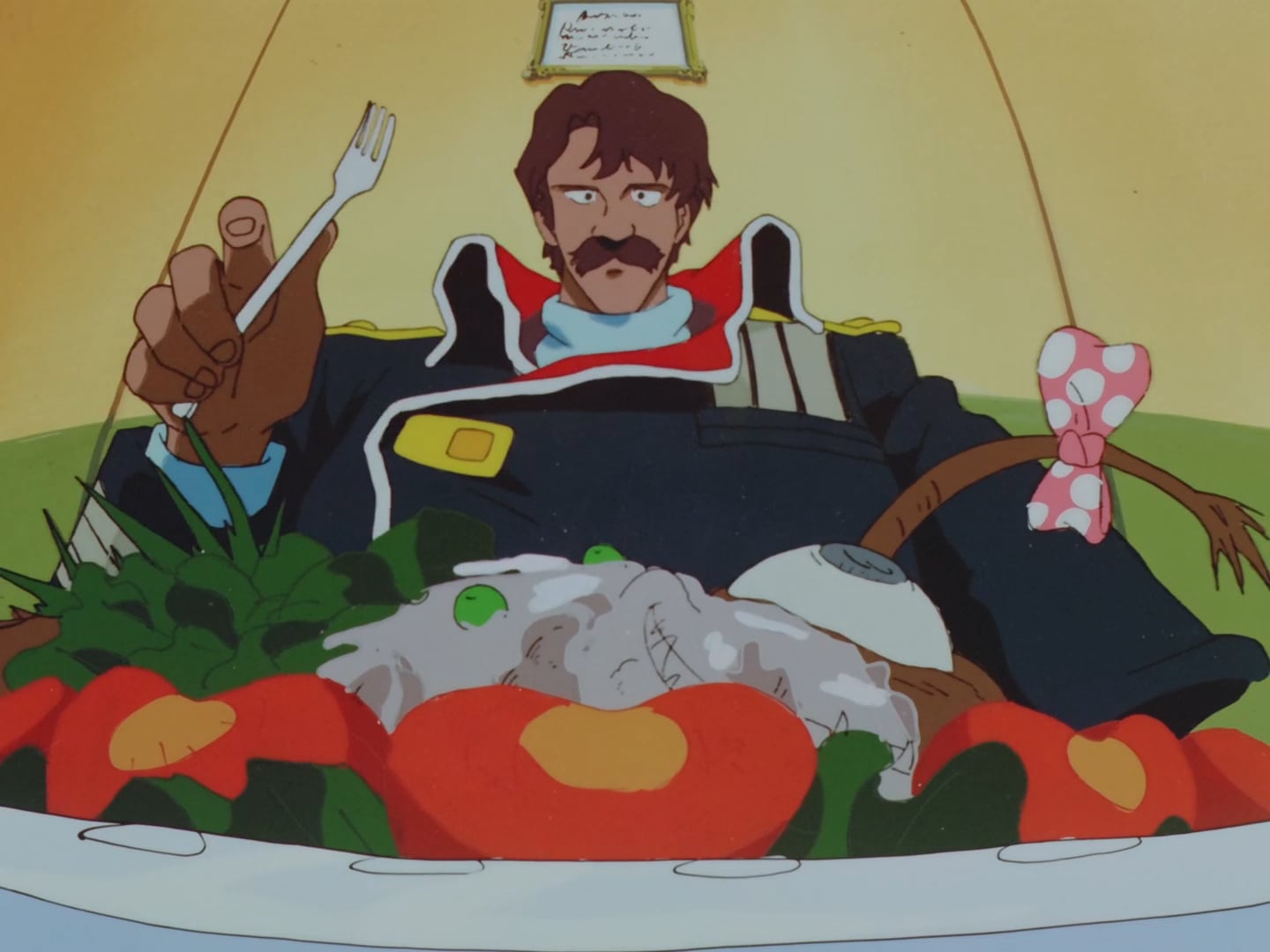
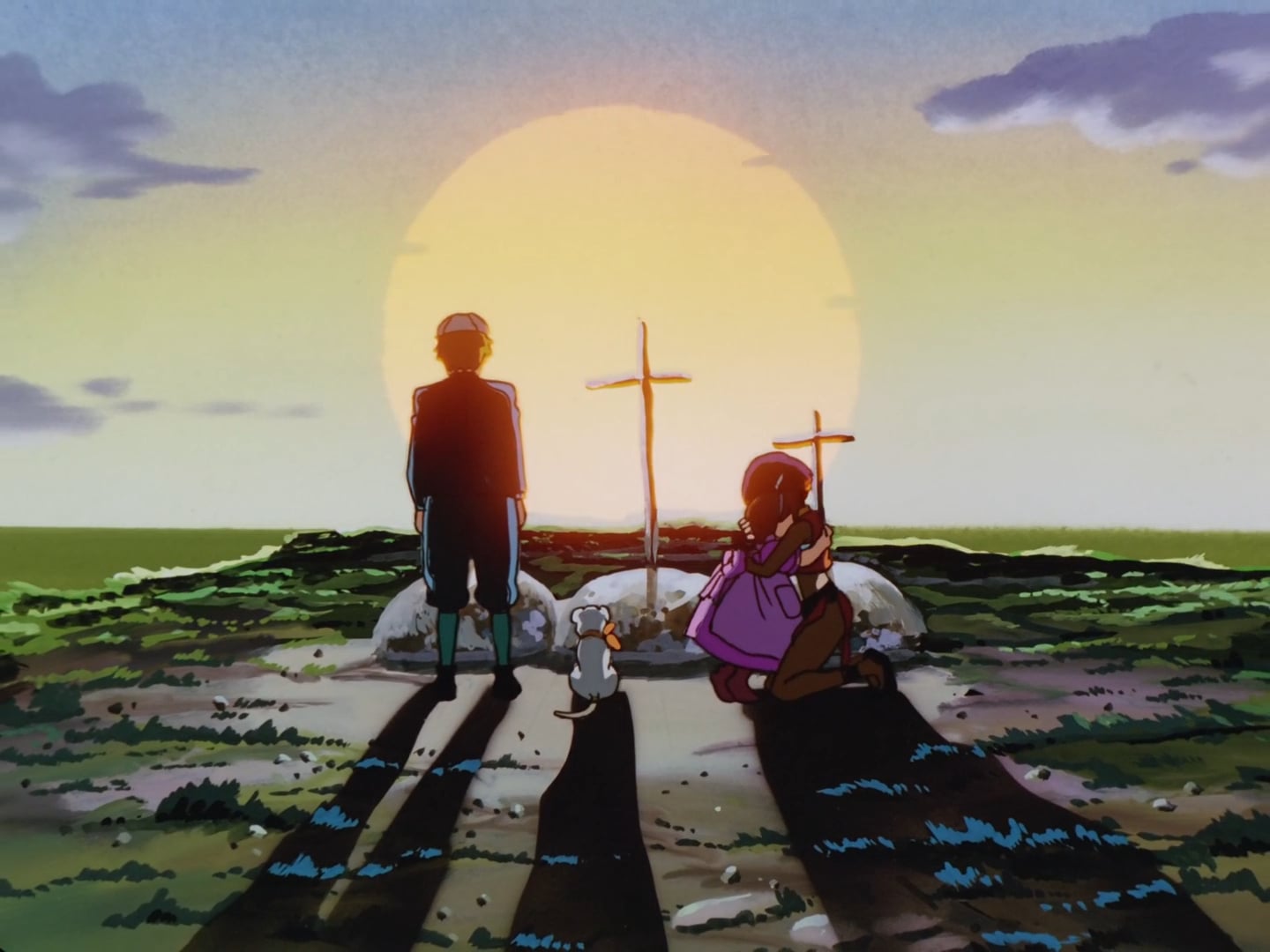
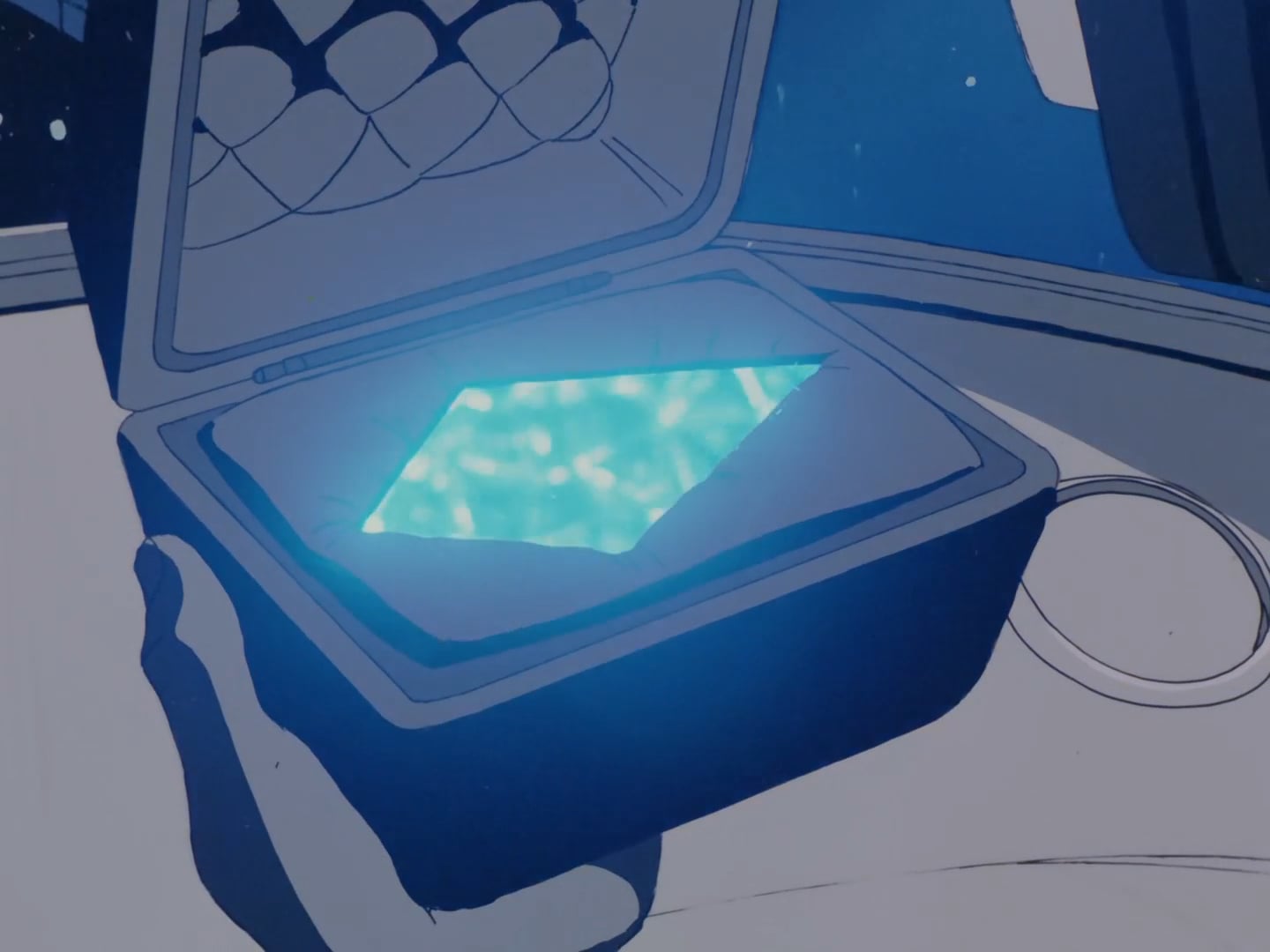
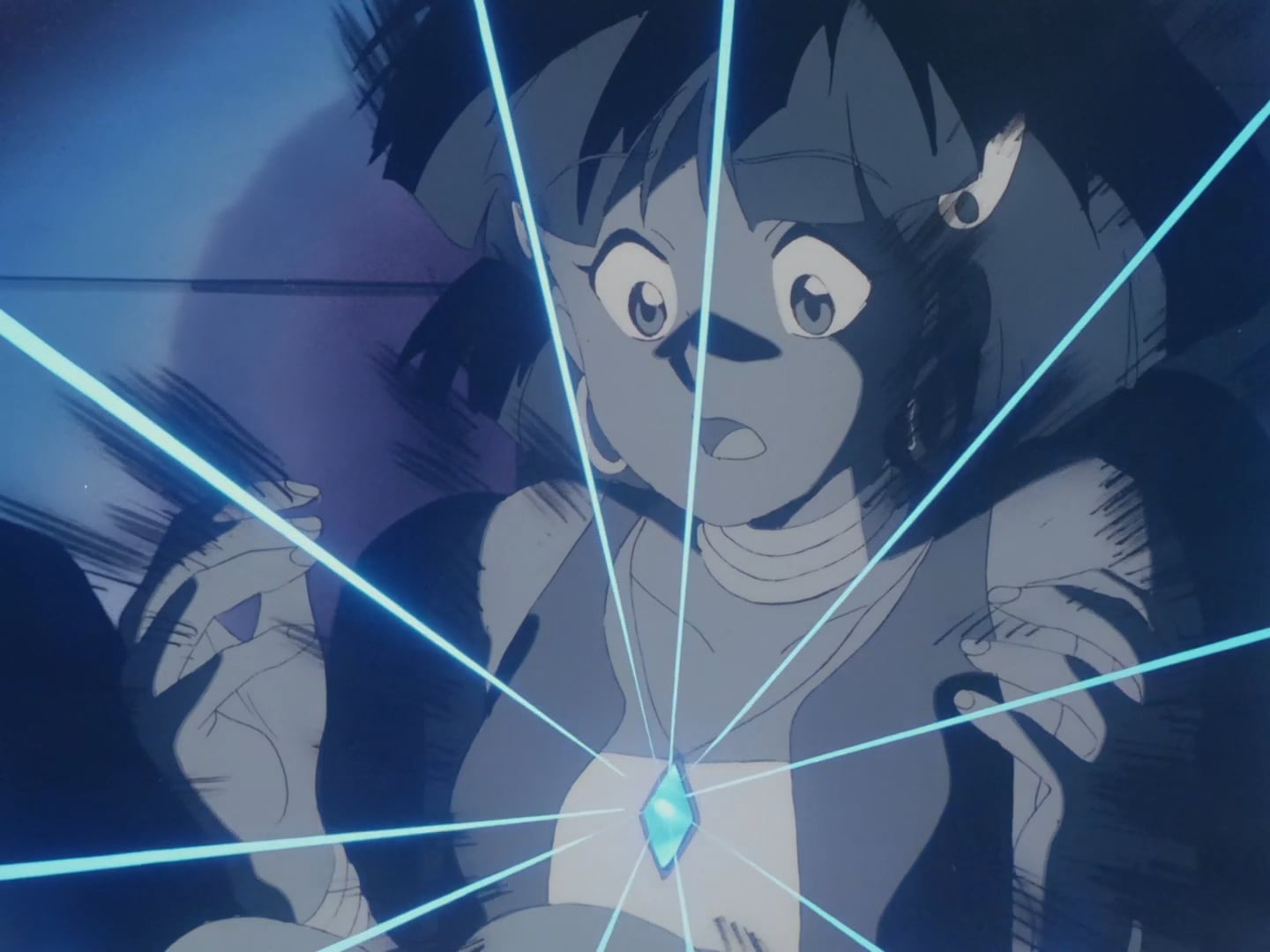
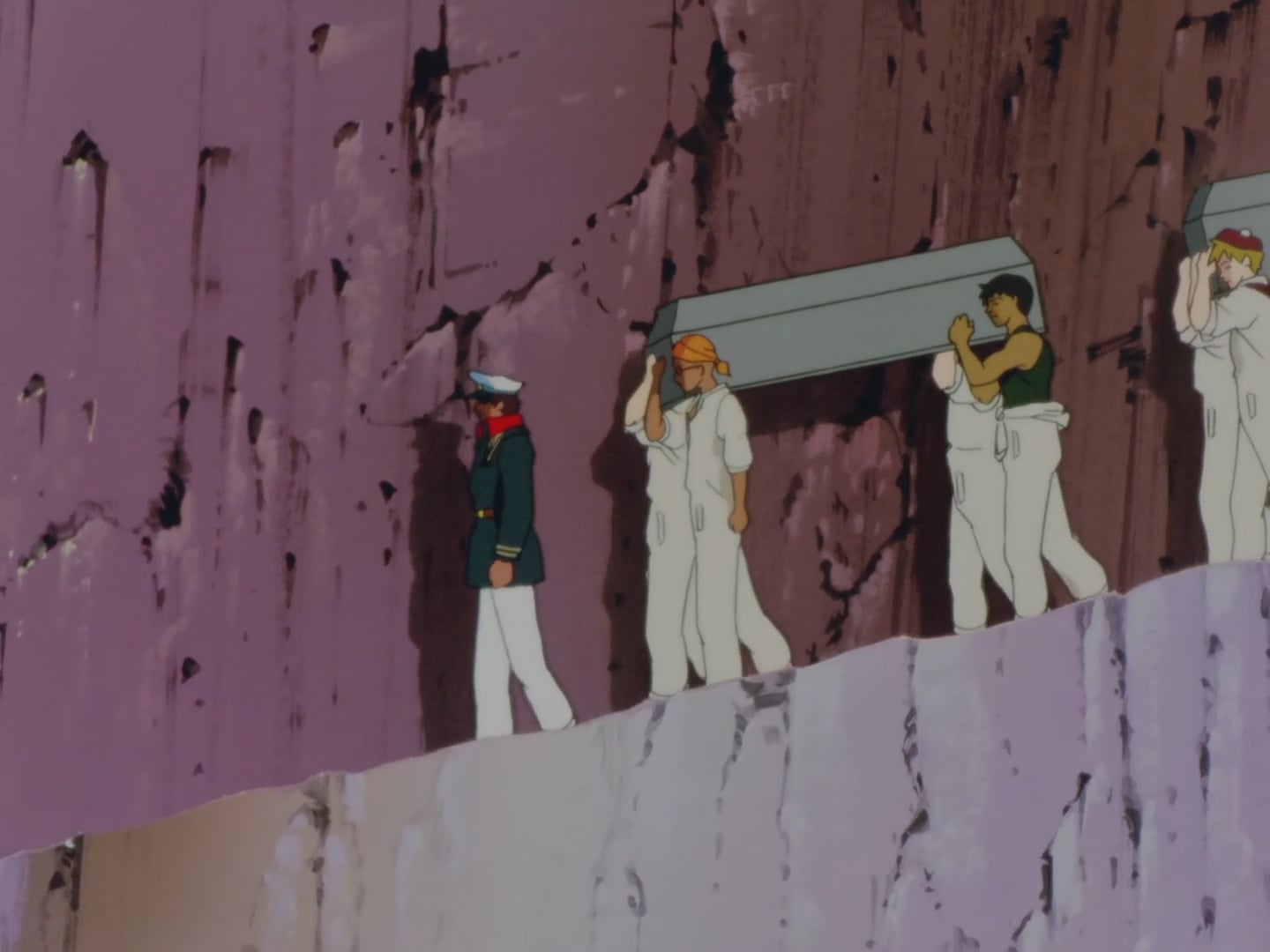
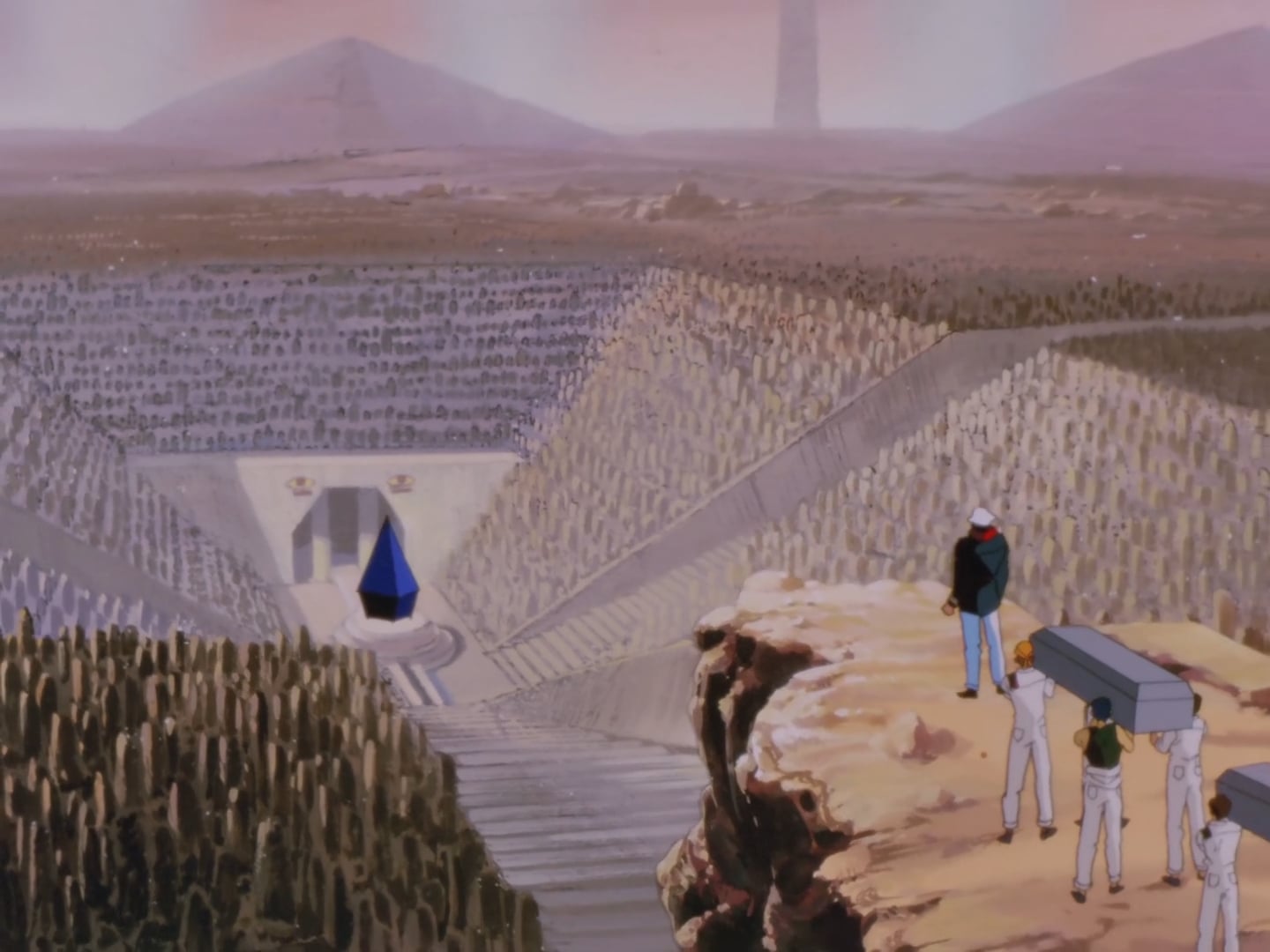
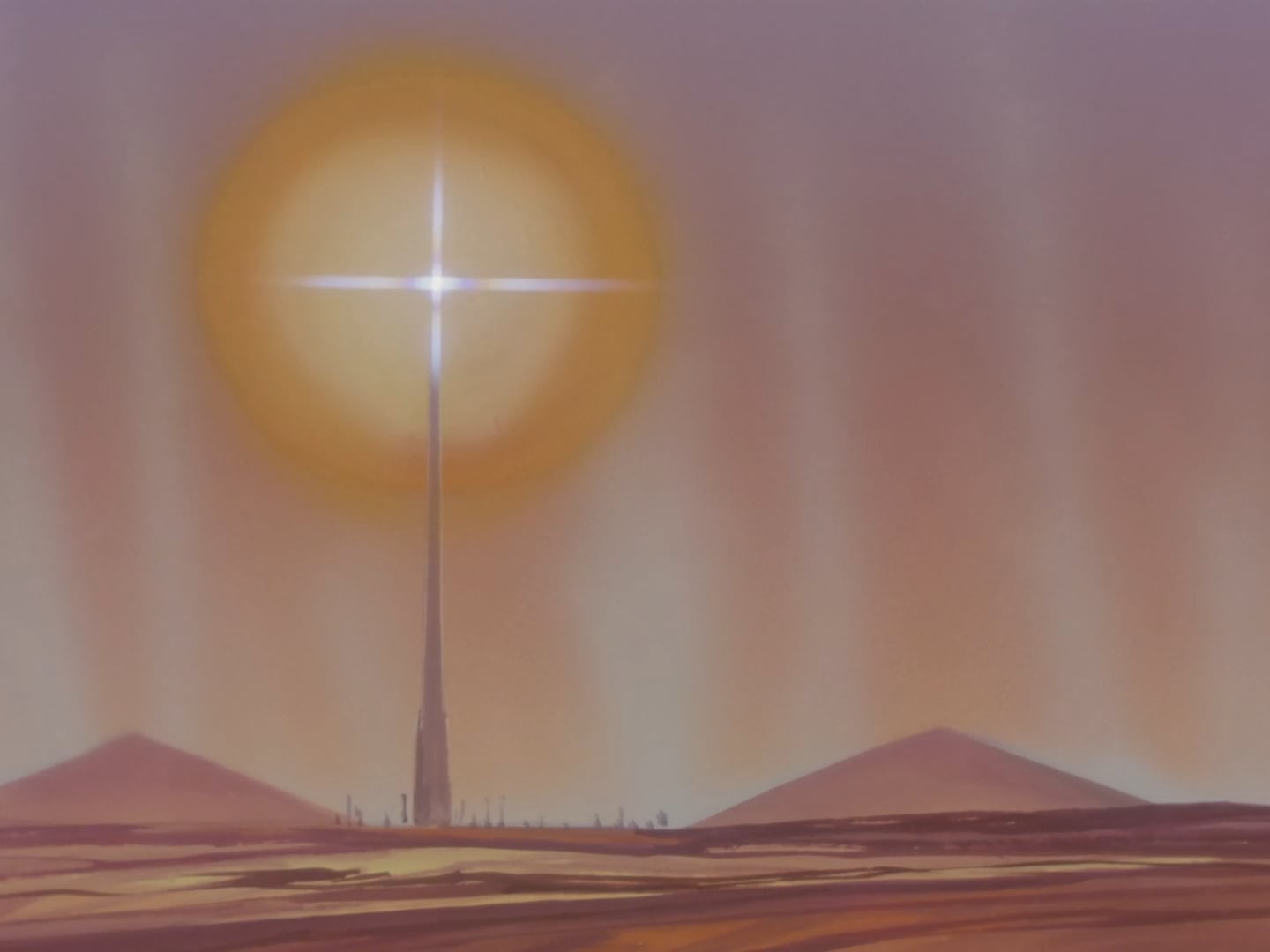
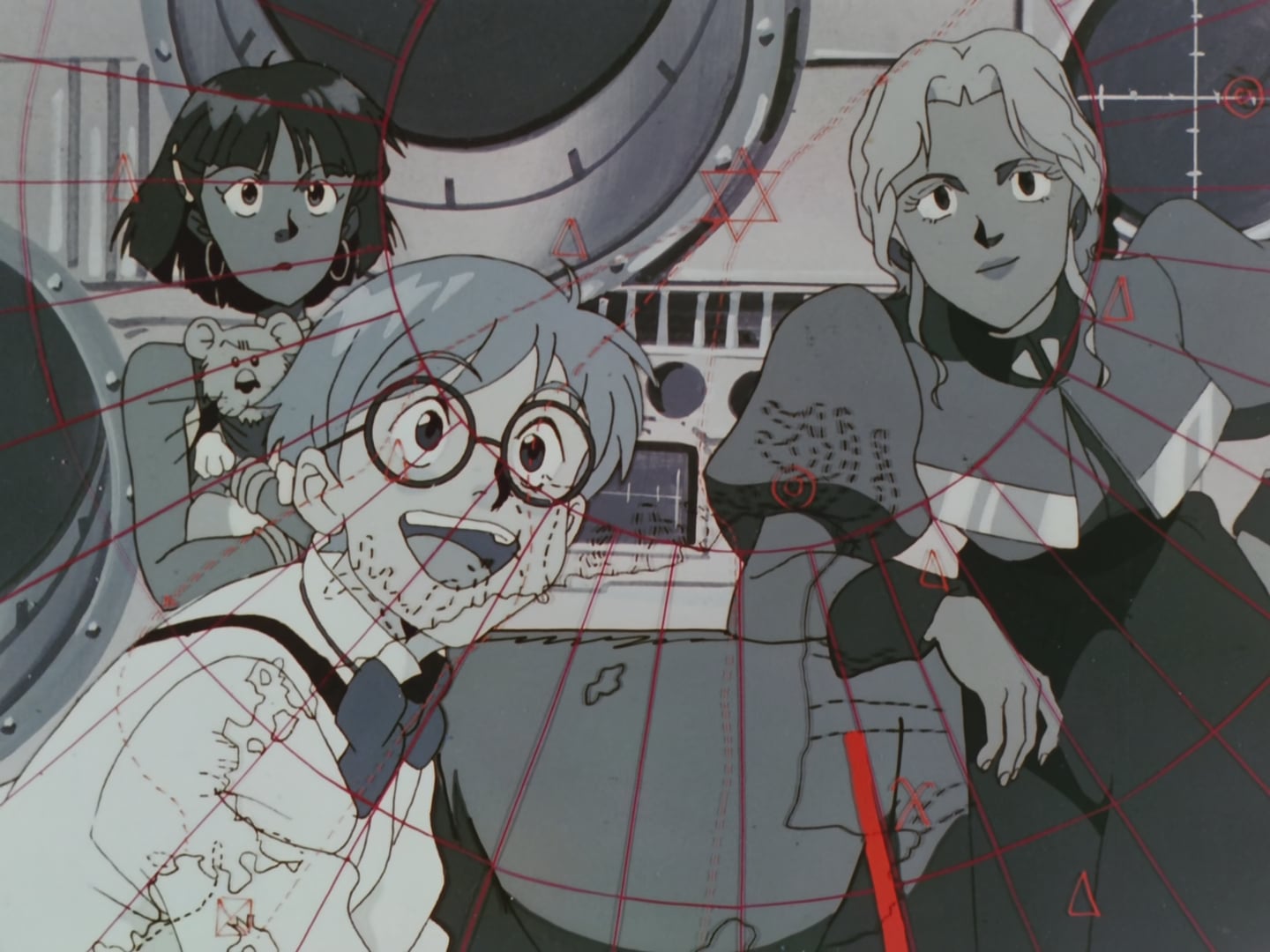
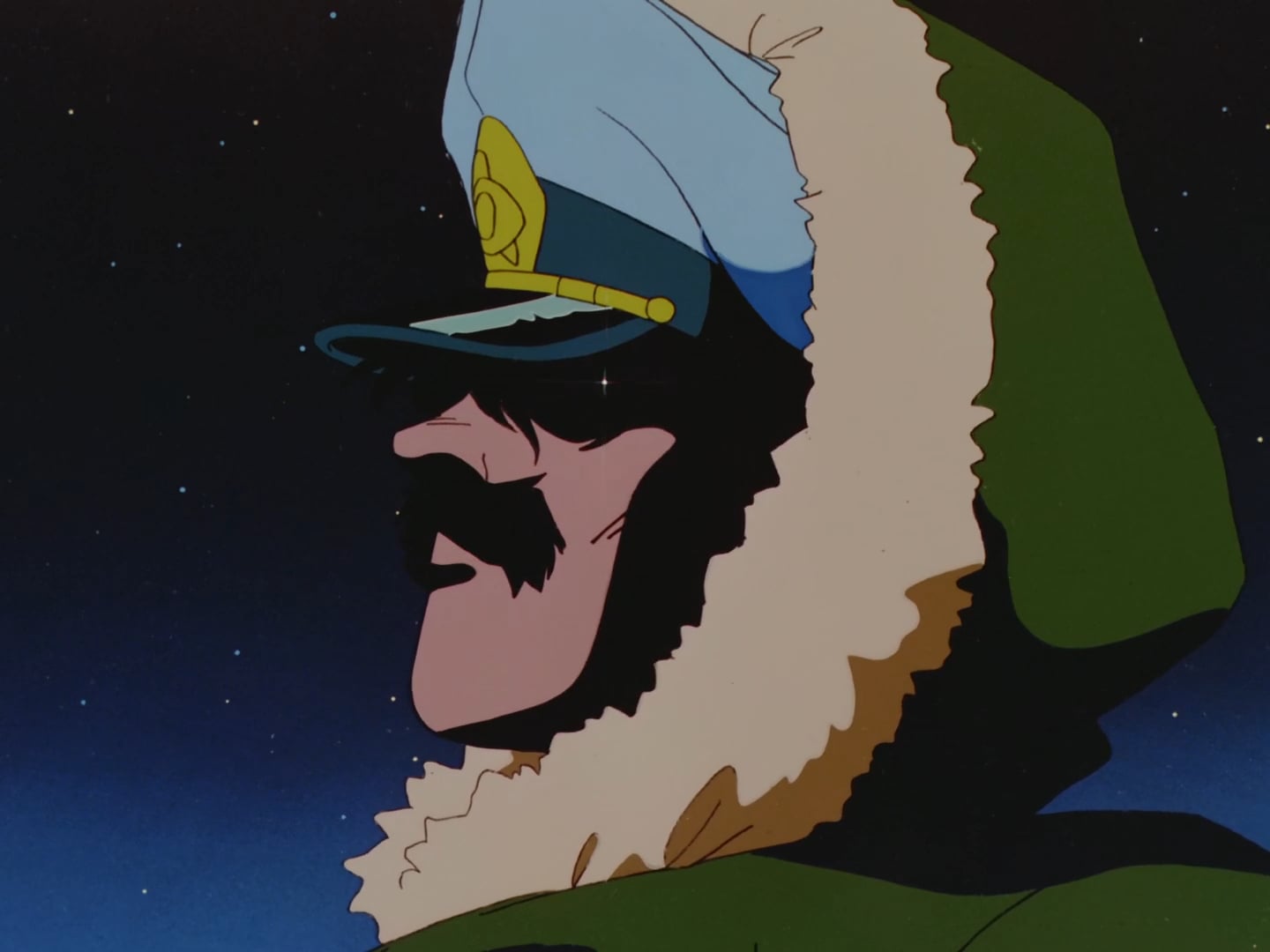
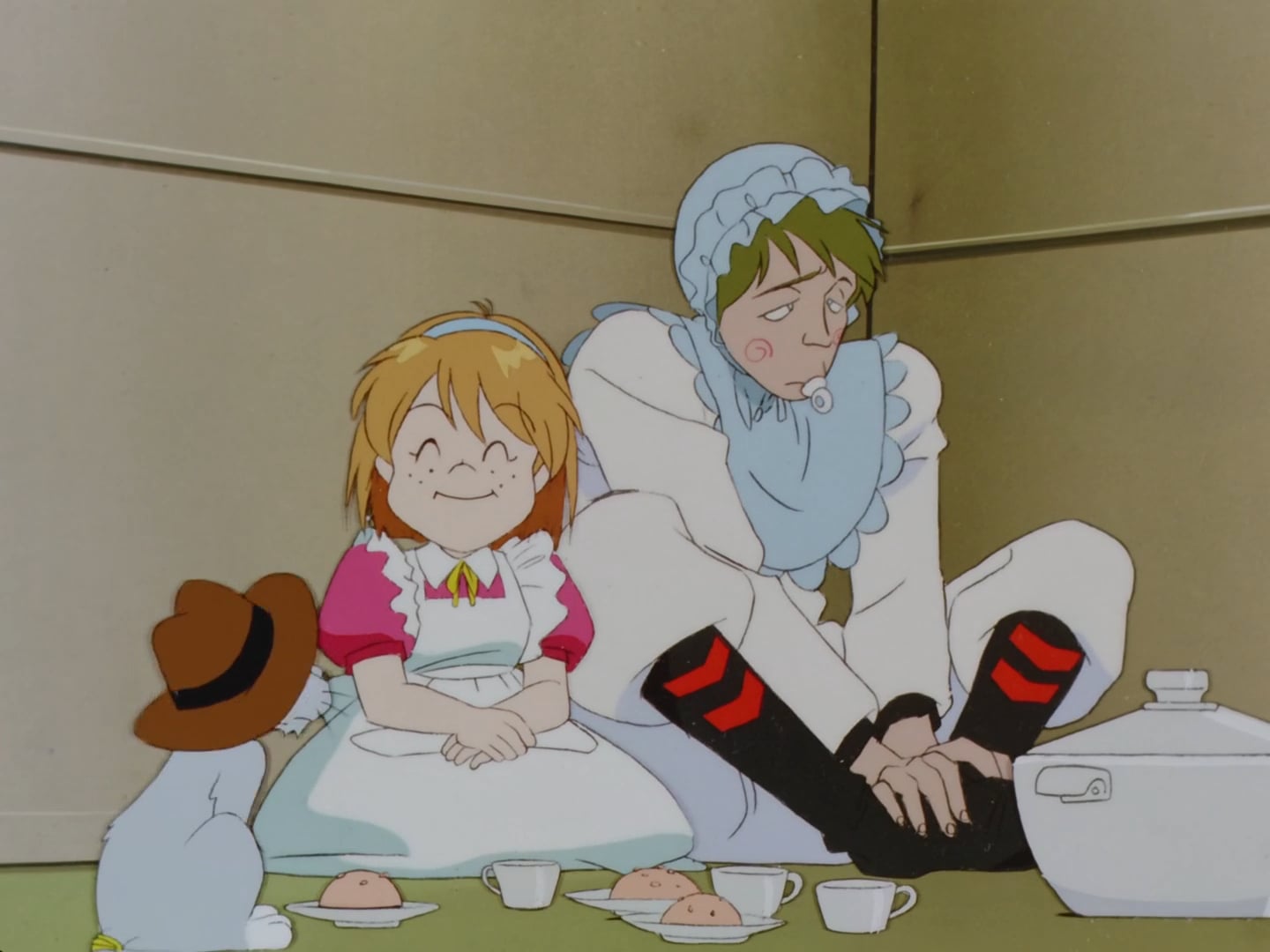
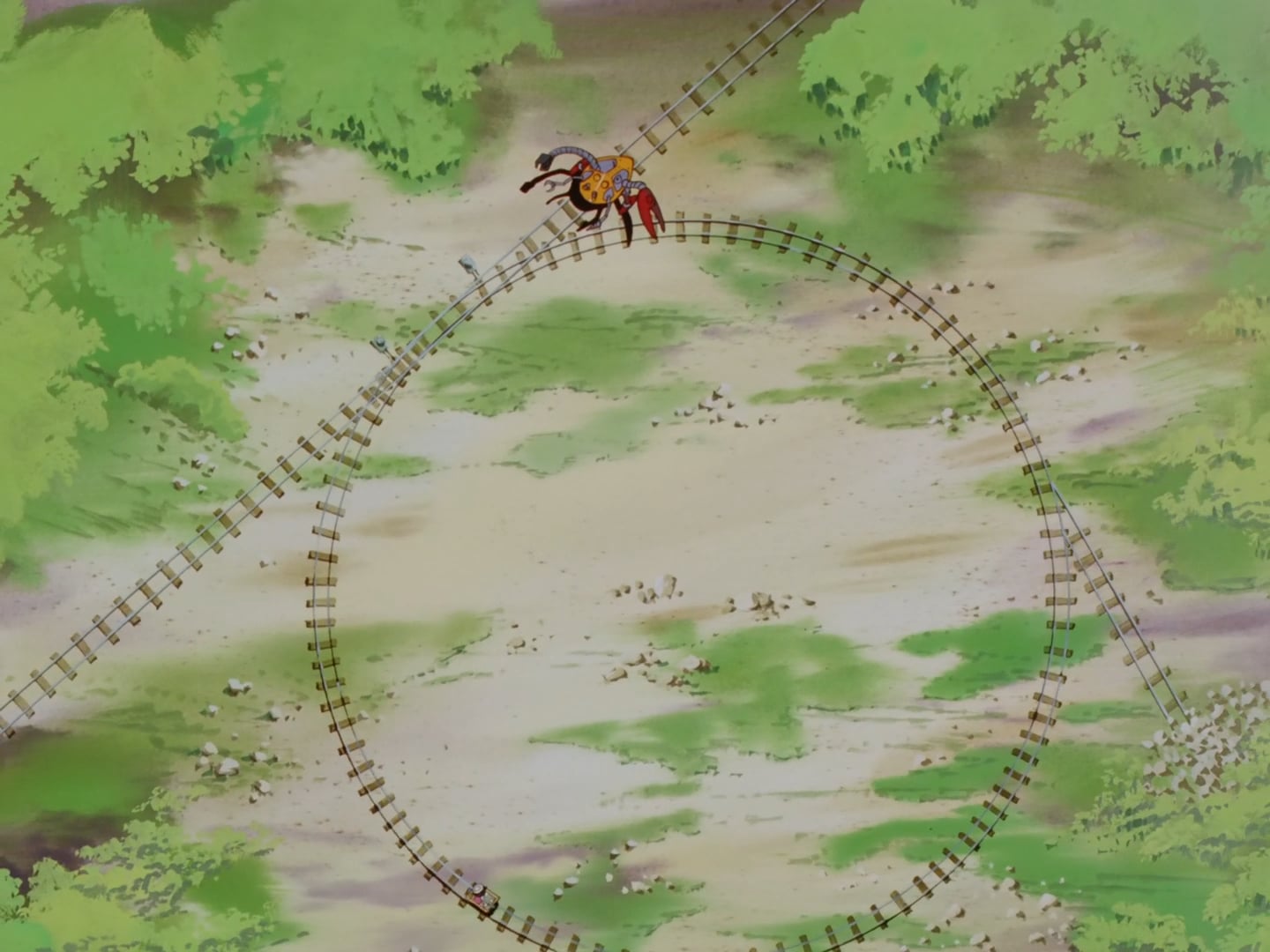
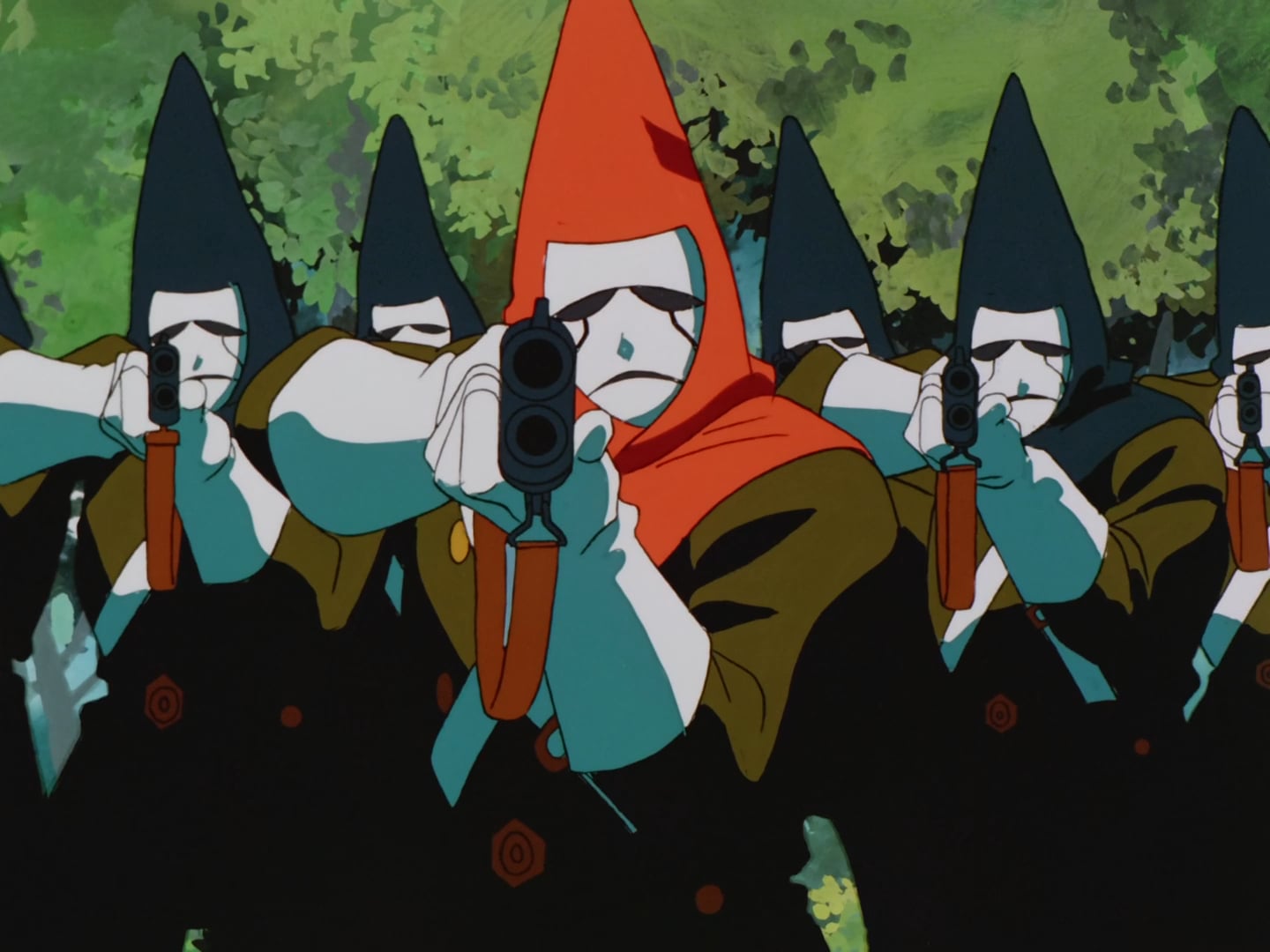
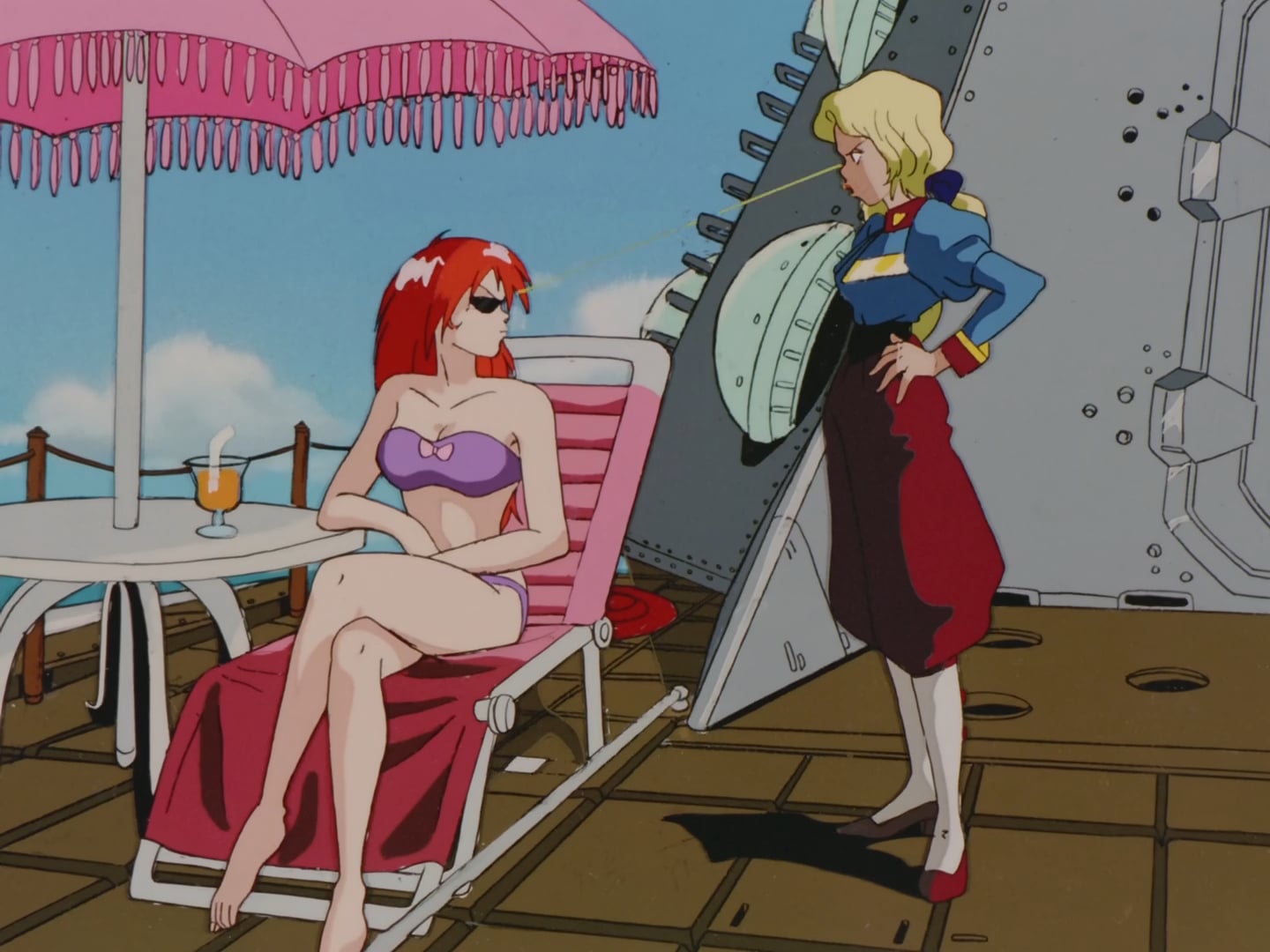
The telltale sign of a great series is if it can trap its cast in an empty room and trust their chemistry to carry the story. Nadia excels at this and then some. Much of that is owed to its oddball troupe of preteens and 30-somethings reaching through time and space as the embodiment of age-gap “coworkers” being besties. If anything, Nadia is a precursor to Anno’s fascination with the messy, tender push-pull between adults and children who are going through it.
Unlike the broken grown-ups of Evangelion, Nadia‘s ensemble tries (and often fails) to gently parent Jean, Nadia, and my favorite tyke with a tragic backstory, Marie. This dynamic typically involves the crew aboard the Nautilus submarine projecting and overstepping in their over-advice, only to be met with kids pushing back in kind by calling out their own issues in the brutally honest way children are wont to do. The ebb and flow of those relationships—their warmth, their frustration, their goofy downtime—is what makes the eventual plot turns hit harder, grounding the show’s grand themes about the folly of war, loving a person to the point of invention, and nurture overcoming nature in something deeply moving.
A “shitty adult” in Nadia can casually drop a truth bomb like, “It’s noble to protect other people, but you have to protect yourself too. You have to survive,” while a petulant kid can stumble into something just as piercing, like insisting that science can’t explain the heart just like the heart can’t explain science. Granted, the adults’ wisdom comes from brutal trial and error—they’ve lived through enough hardship to want to helicopter-parent these kids out of every sharp corner. Be it issues of the heart, the confusing dynamics between the sexes, or something as elusively simple as being empathetic.
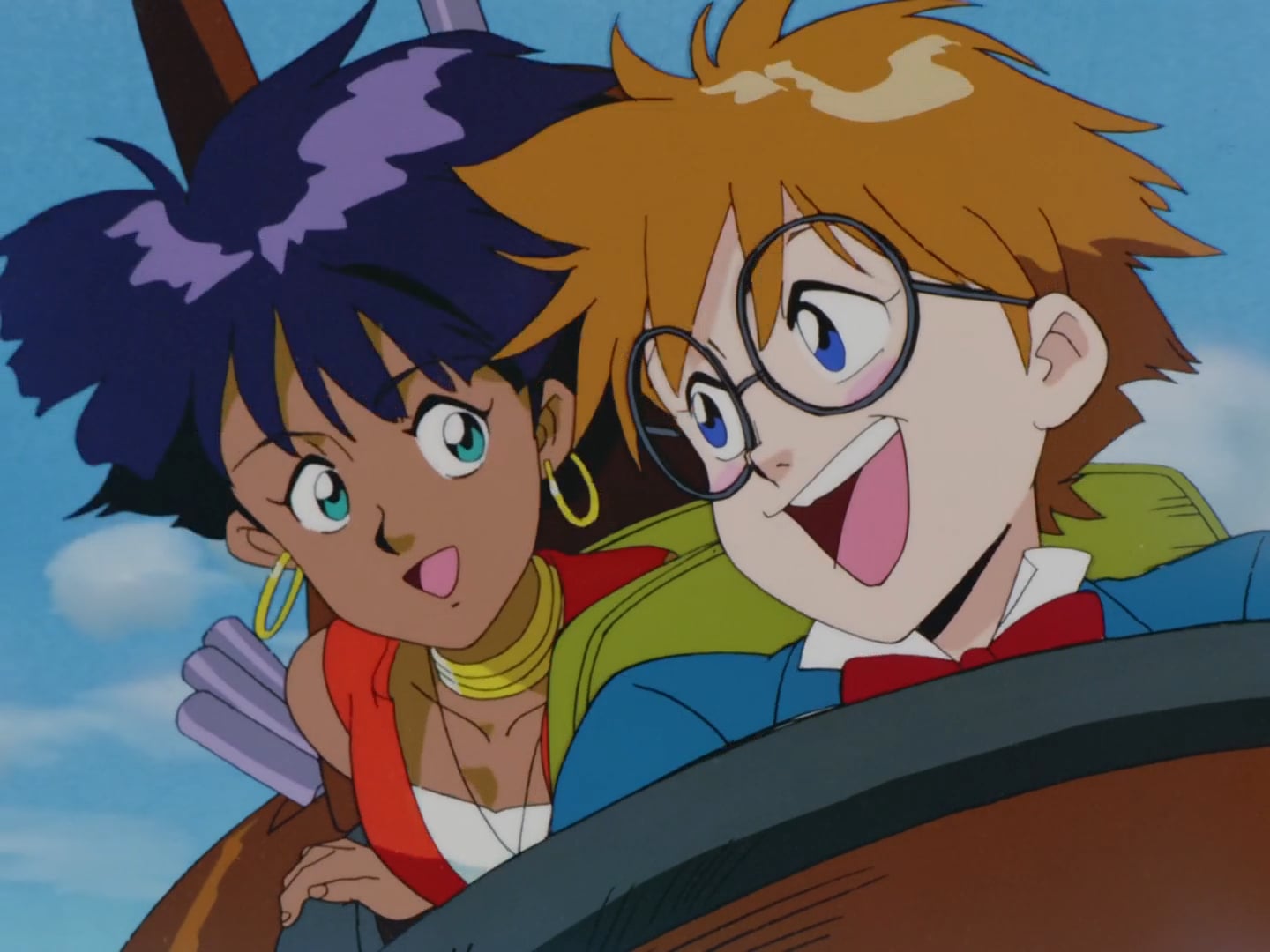
Throughout the show, they keep trying to pad the world for them, either out of guilt for the wreckage they’re leaving behind or out of a misguided belief that unsolicited advice was the catchall solution they didn’t know they needed. But in doing so, they accidentally build crisscrossing sidewalks for the kids to follow, robbing them of the wonder—and the necessity—of walking their own path toward understanding the world and themselves. By the time the show made its march toward its finale, even the narrator stopped pestering about the main quest and started to wonder about the secret of its cast’s hearts as the real One Piece-like treasure trove at the end of its narrative rainbow.
And that’s all thanks to Nadia not beelining toward its grand adventure and letting the journey unfold in long stretches of nothing consequential. Thirty-six years later, Nadia stands the test of time, proving that, like Anno, its heart isn’t buried under nihilism; it’s right there in the filler, beating loudest when the story slows enough to let its characters simply live, goofily.
Want more io9 news? Check out the best movies and TV shows to stream this month and all the upcoming sci-fi, fantasy, and horror books that should be on your radar.