

Researchers have found that thiazolidinediones, or TZDs are linked to a lower risk of dementia compared to other popular diabetes drugs.
In a 10-year trial, people offered a colonoscopy were not less likely to die from colon cancer.
A new analysis from the Commonwealth Fund predicts that even a modest booster campaign would save tens of thousands of lives and billions in medical costs.
In experiments with mice and human cells, scientists found evidence that norovirus infection can trigger Crohn's in people genetically vulnerable to it.
A study of over 3 million pregnancies suggests that antidepressants don't raise the risk of autism or ADHD in children.
New cases of monkeypox in the U.S. are slowing down, but the virus may circulate locally at low levels "indefinitely," the CDC says in a new report.
New research shows that many cancers play host to their own unique microbiomes of fungi, which may affect our chances of surviving them.
As of 2021, 19 states and territories have at least 35% of their residents living with obesity—more than double the number in 2018.
The EPA now calls PFAS 'hazardous substances,' but these chemicals widely contaminate our homes, workplaces, and bodies.
The antibody therapy lecanemab appears to have slowed people's cognitive decline in a Phase III trial, but its real-world benefits are uncertain.
Drinking decaffeinated, ground, and instant coffee was associated with a lower risk of dying early and cardiovascular disease in new research.
At least one patient with advanced cancer experienced a complete remission after being treated with a modified herpes virus.
There are now more than 18 million cancer survivors in the U.S., but many challenges remain in prevention, detection, and treatment.
New research shows that teens have been using most drugs less over the past three decades, but cannabis and vaping are more popular.
In both rodents and humans, scientists have found evidence that spironolactone can reduce people's craving for alcohol.
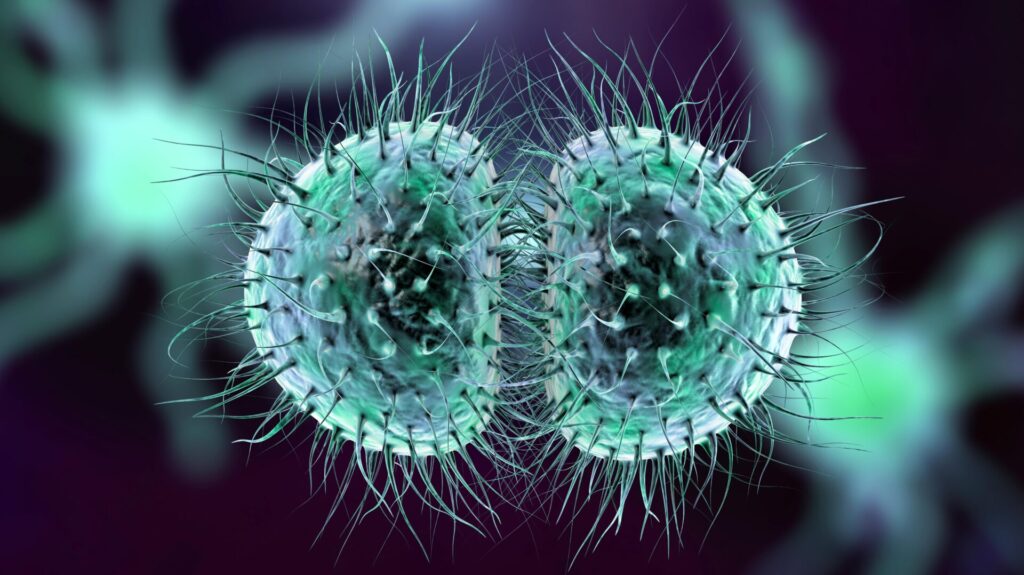
At a conference this week, public health experts and health officials sounded an alarm over growing case numbers of syphilis, gonorrhea, and chlamydia.
Covid-19 is likely to cause less death and misery moving forward, but it's far from a vanquished public health threat.
The awards are in their 32nd year and "honor achievements that first make people laugh, and then make them think.”
Up to 17 months later, five lupus patients have remained free of damaging autoantibodies after receiving CAR T cell therapy.
The CDC warned that cases of enterovirus D-68 have surged this summer, which will likely lead to a rise in cases of acute flaccid myelitis.