

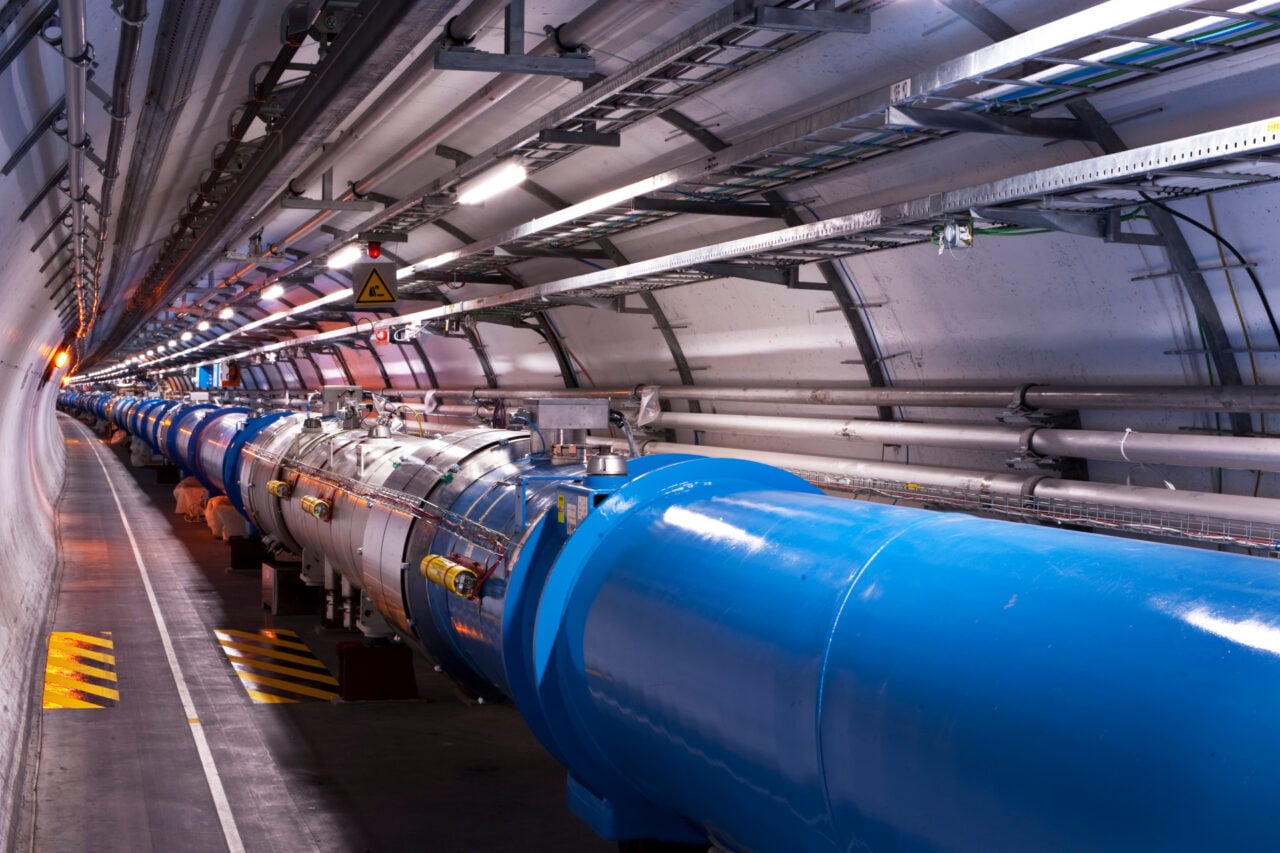


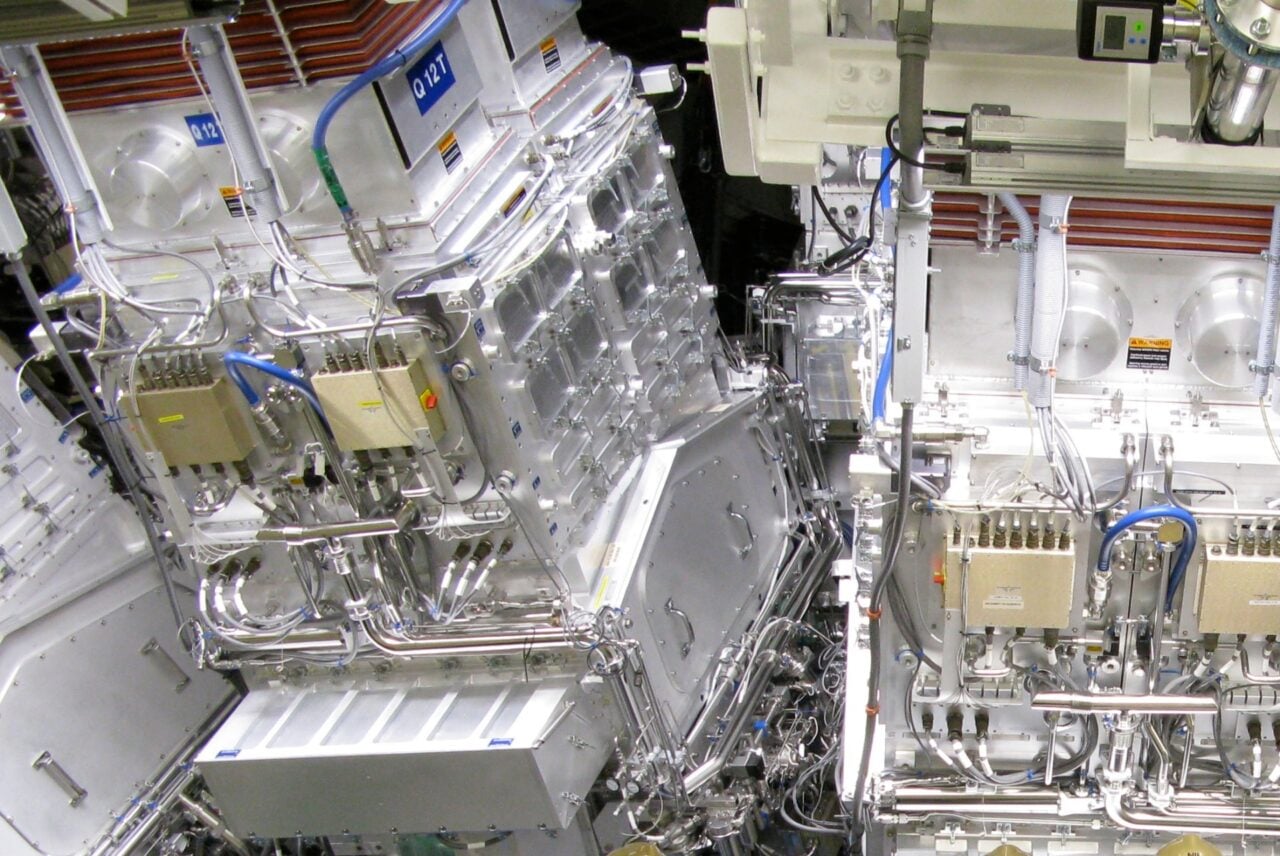



This year's winners offer behind-the-scenes access to the frontiers of particle physics research.
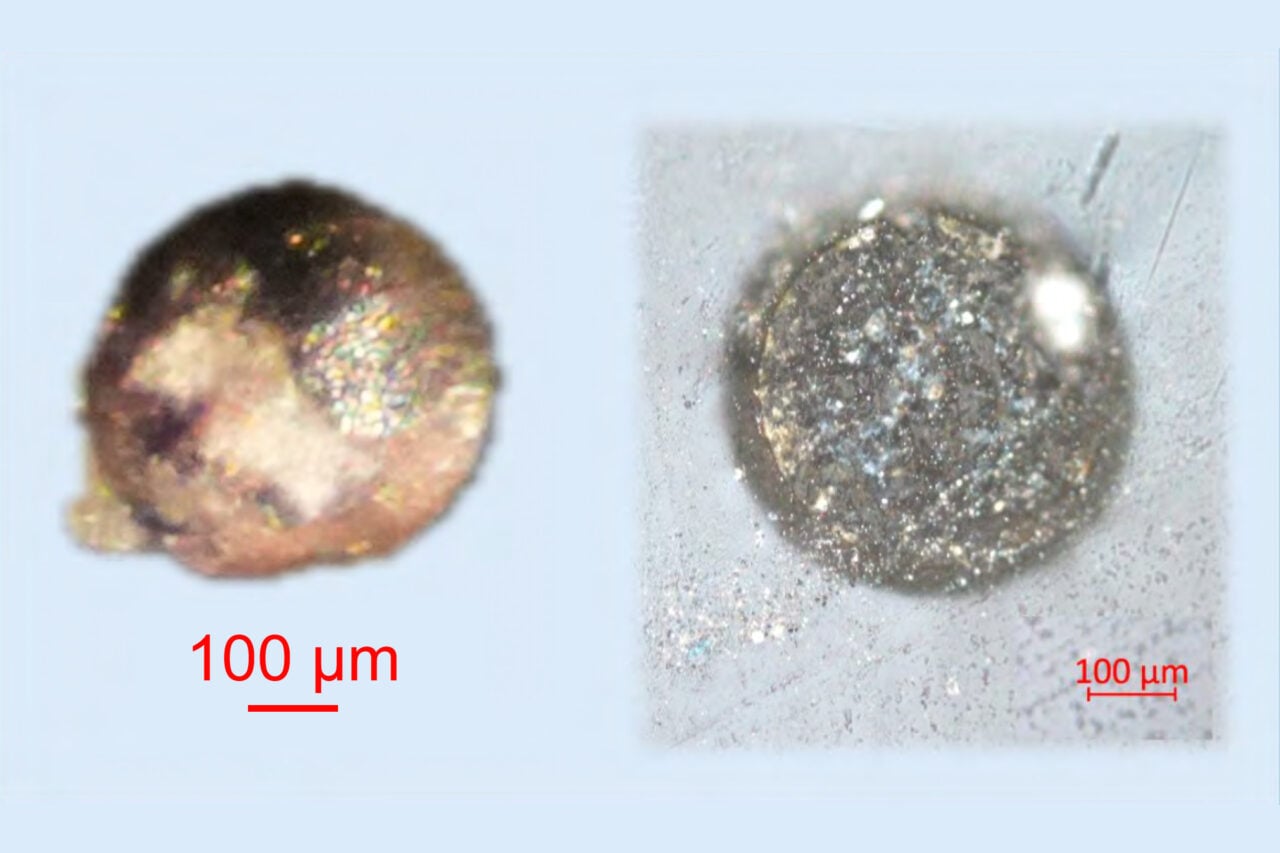
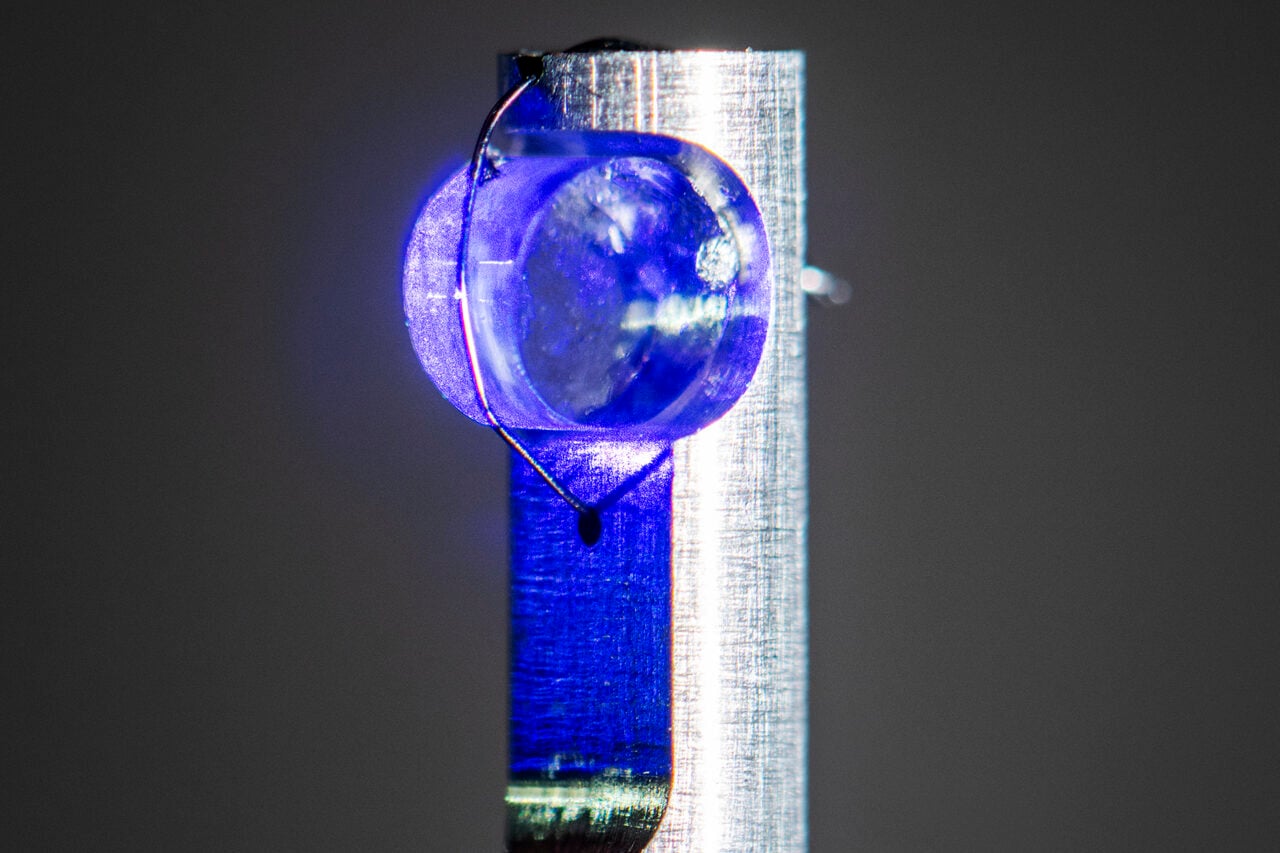
The time crystal "beads," held midair by sound waves, bring the enigmatic quantum system into renewed practical relevance.
Don't worry, it's all good.
The battery won't power cars as the famous inventor intended, but it's still got a lot of potential.
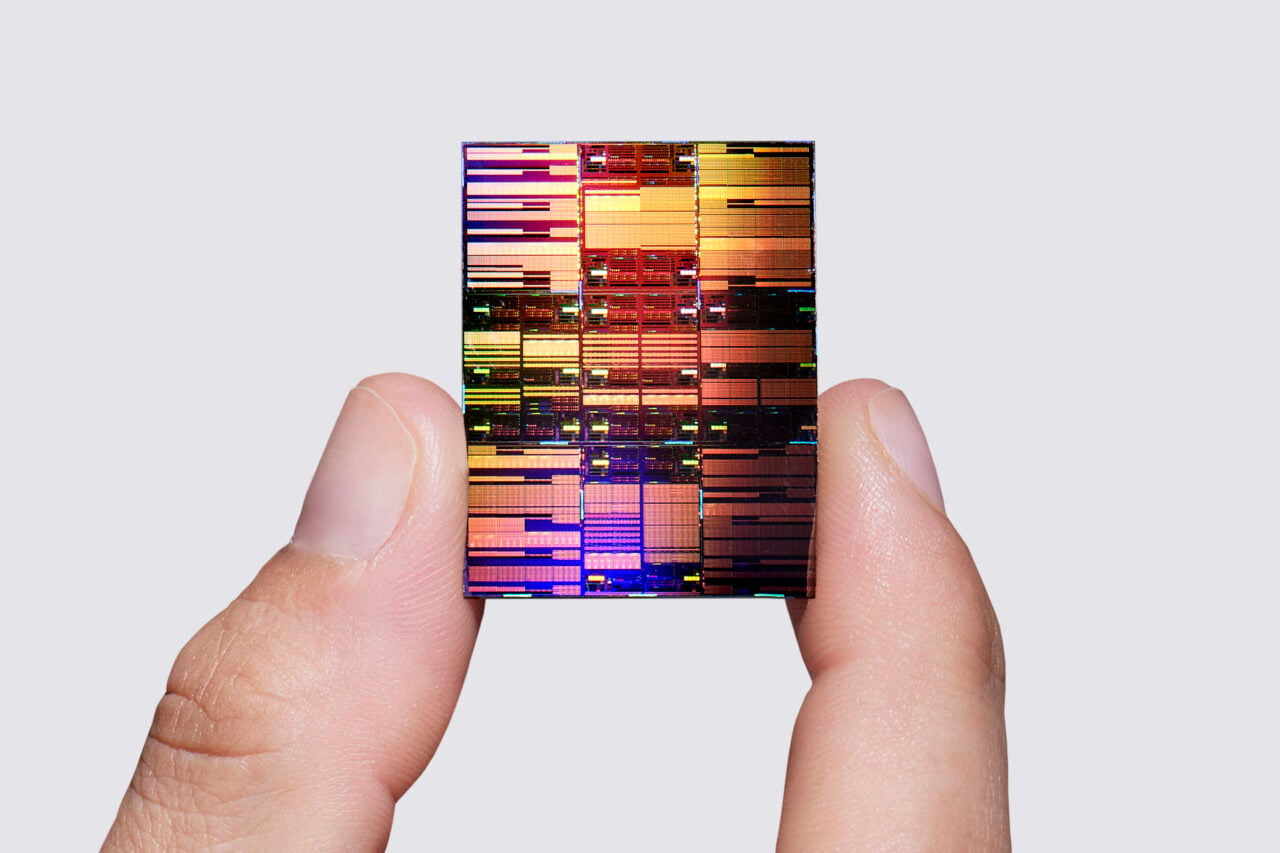
While it's no replacement for either computer, the new device is a powerful alternative for addressing some very practical challenges.
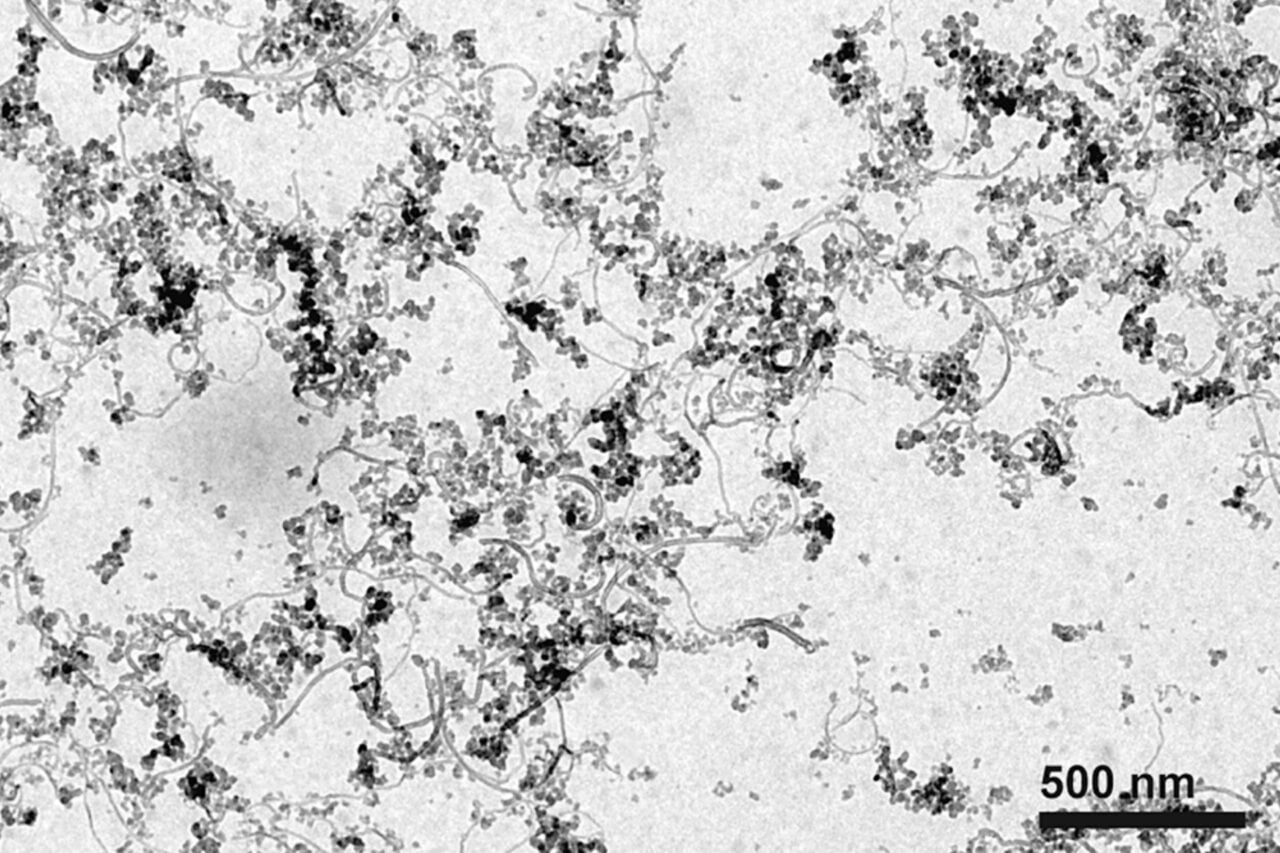
The early universe is full of mysteries, but we can now at least be sure it was soupy.
Long considered a serious technical challenge, superradiance could actually help quantum devices go even further.
Inspired by kirigami, a type of Japanese paper art, researchers have created a new material that transforms from a grid into any 3D structure you'd like.
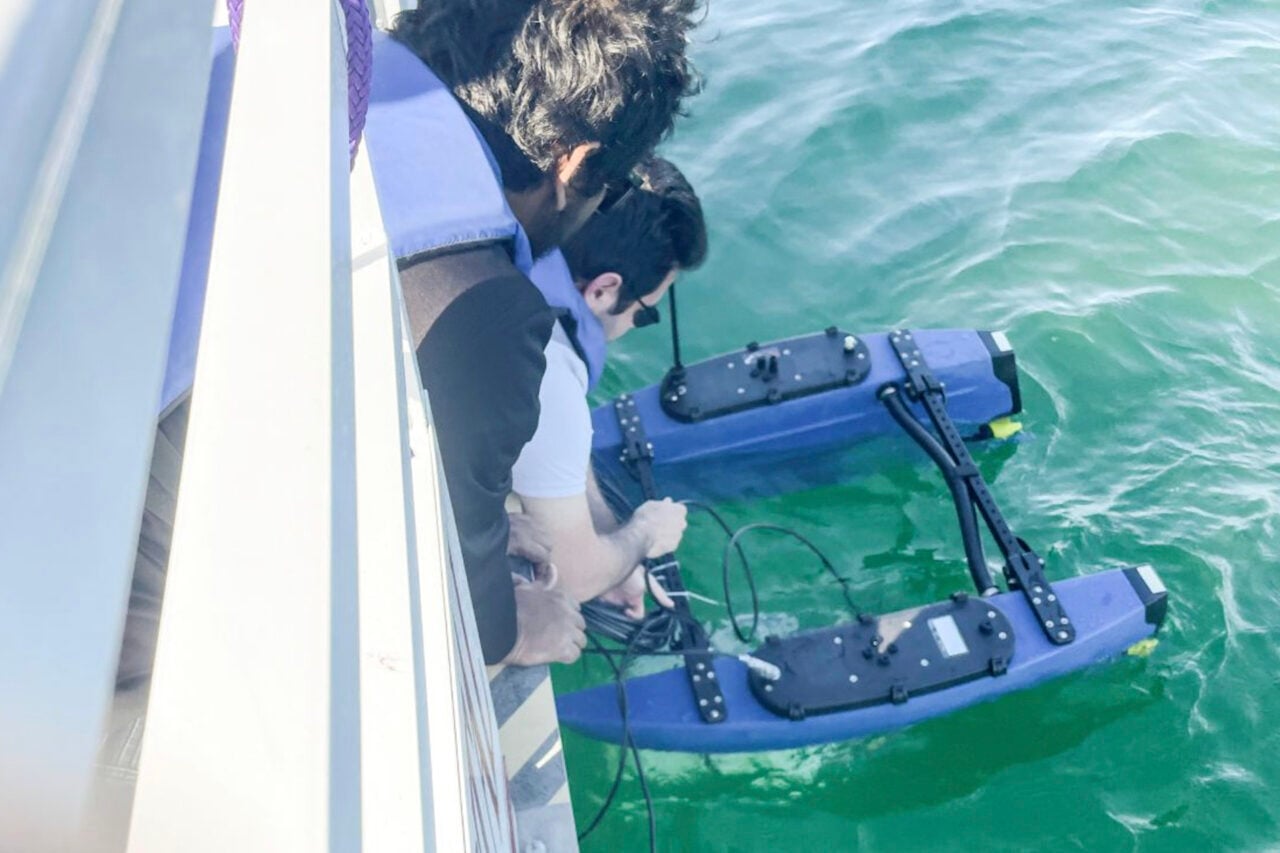
The cloak can shield objects of any shape from unwanted noise, the researchers say.
A destructive windstorm disrupted the power supply to more than a dozen atomic clocks that keep official time in the United States.
The first phase of the Future Circular Collider wouldn't be completed until the 2040s.
Once applied to building windows, the thin insulator could save houses a lot of energy in the future.
During this phase, matter exists in a weird, precarious limbo that ultimately determines what it becomes.
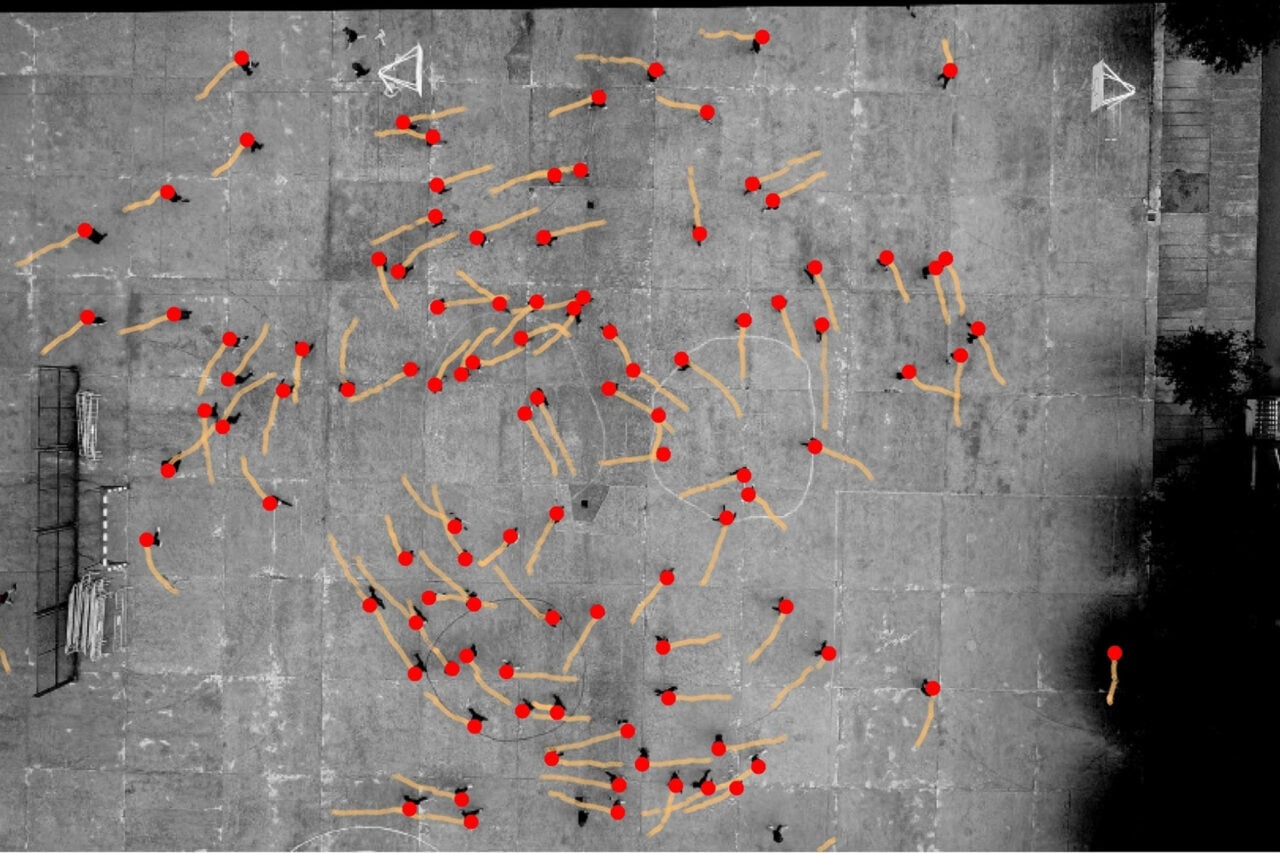
We apparently have more in common with some shorebirds than we previously thought.
An elegant new equation identifies the surprisingly orderly, mathematical way in which things break, shatter, and fall apart.
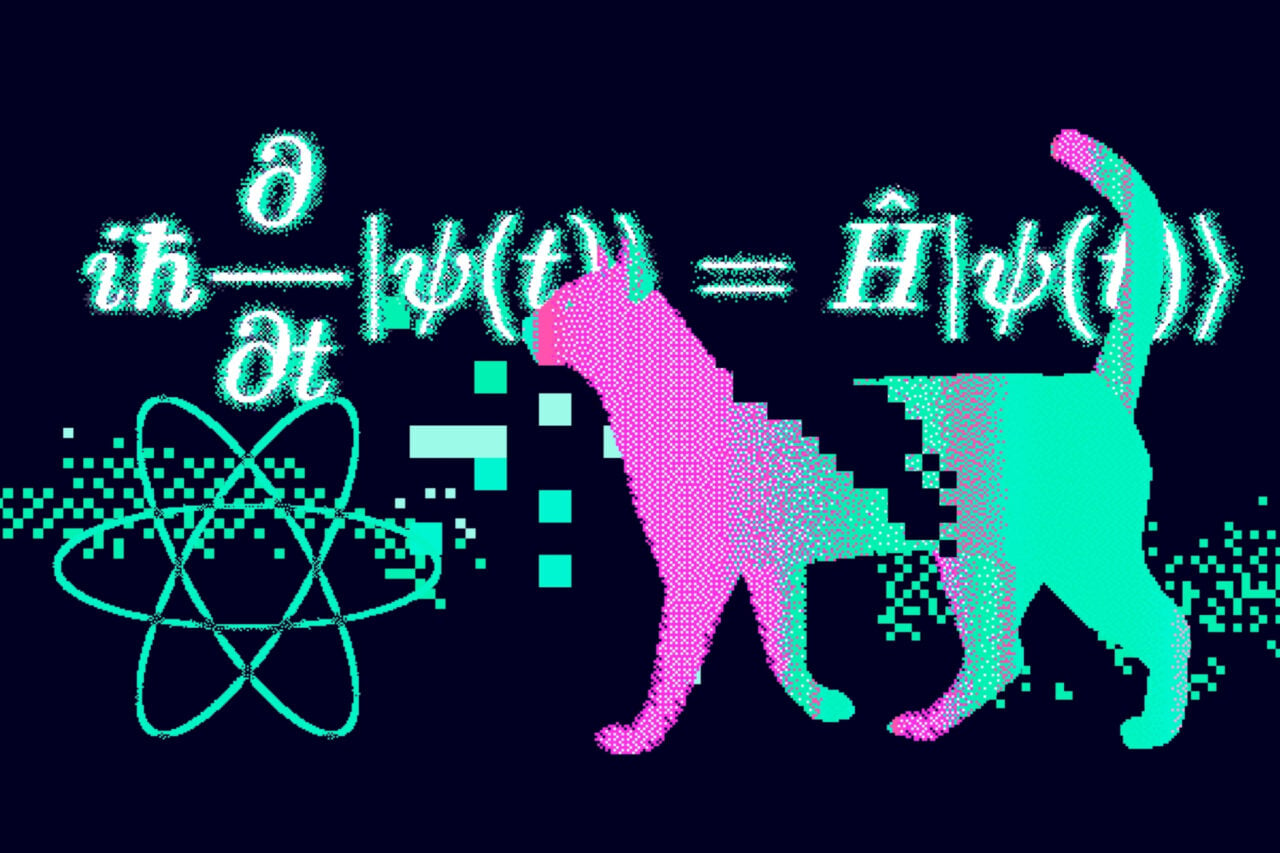
Quantum timekeeping comes with the paradoxes of quantum mechanics, a new study suggests.
At the turn of the century, it sounded as if string theory could give us big answers about the universe. Well… has it?
Quantinuum's H2 quantum computer is already a favorite among scientists, but Helios is an impressive upgrade.
A mathematical investigation of galactic data suggests elusive dark matter is confined to the rules of gravity.
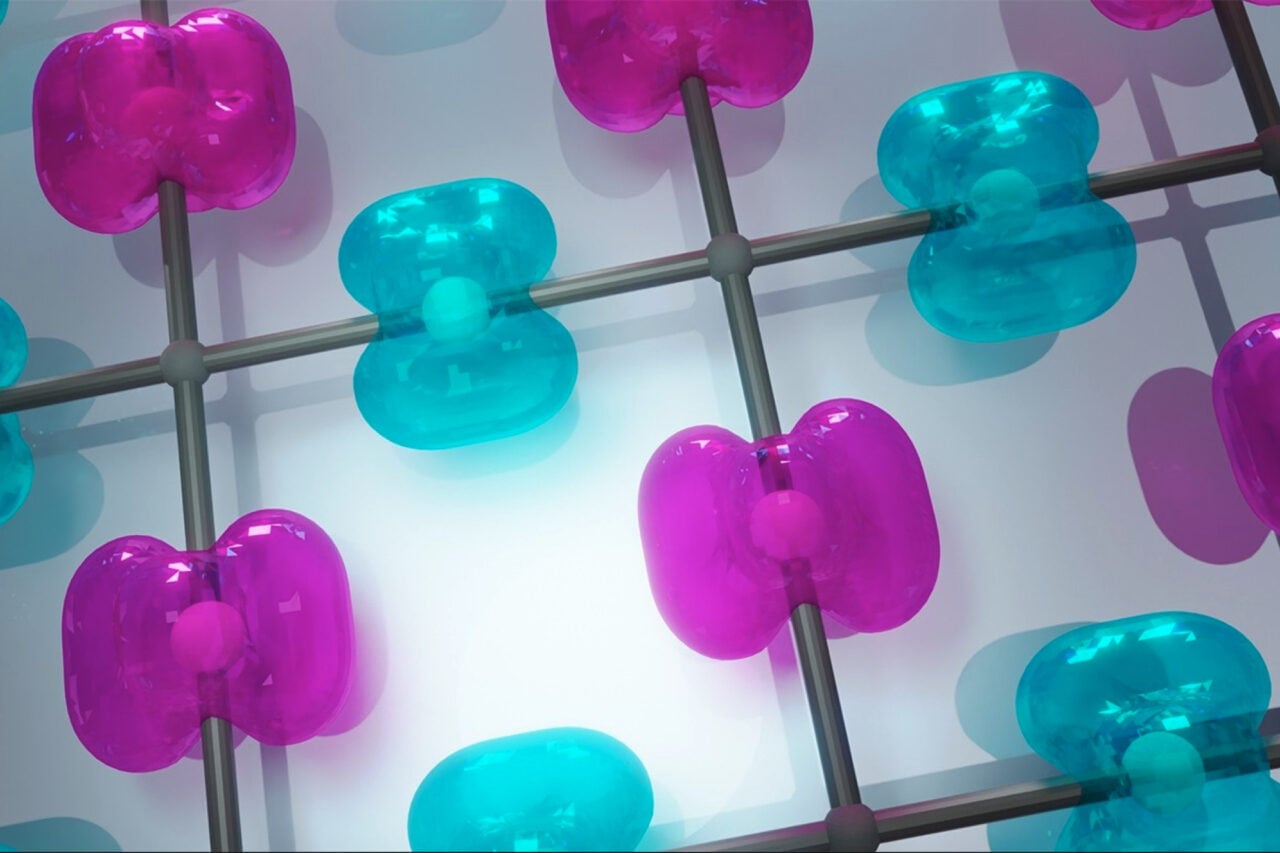
Physicists finally identified why some quantum materials seemingly lose their electrical conductivity for no reason.