A bubble bath doesn’t just feel good. Apparently, it’s now a scientifically tested way to give produce, medical equipment, and industrial materials a gentle, chemical-free cleaning session.
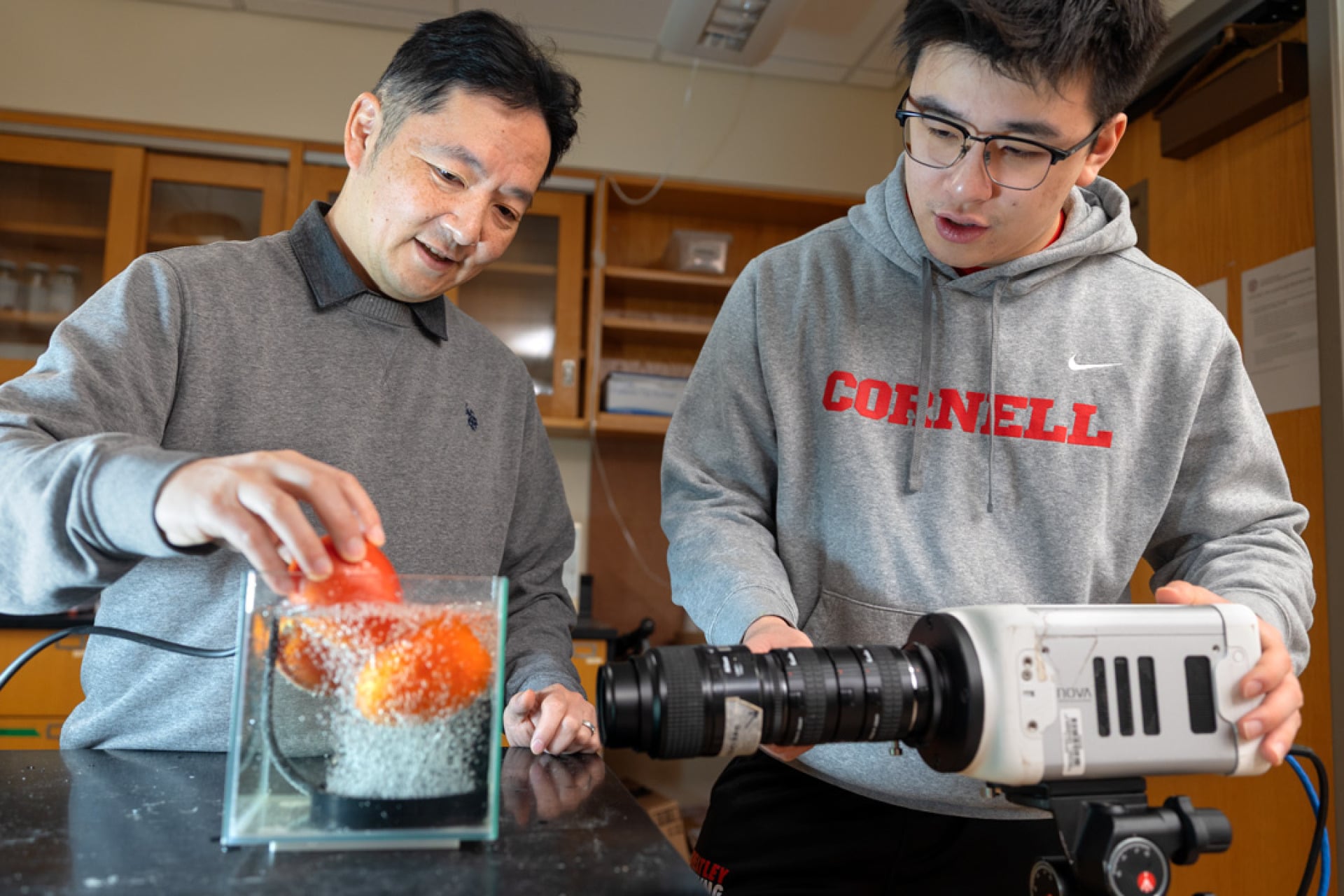
For a recent study described in a Droplet paper, researchers at Cornell University devised a technique that injects tiny bubbles alongside a low-frequency sound wave in water. This combination led to an amplified, swaying motion that made vegetables 90% cleaner as opposed to bubble-only or water-only baths, according to a statement. The team tested produce like tomatoes, but it believes the chemical-free, gentle characteristics of the method could make it useful for cleaning sensitive medical equipment or semiconductors.
“We proved that by treating the bubble as a forced harmonic oscillator, where surface tension acts as the spring and the surrounding fluid acts as the mass, we can predictably scale and tune acoustic frequencies to maximize cleaning efficiency,” Sunny Jung, the study’s senior author and an engineer at Cornell, told Gizmodo.
Sparkly clean
According to Jung, the food and agricultural industries typically use harsh chemicals or ultrasonic cleaning to remove harmful pathogens, like listeria or salmonella. But the former can leave residue, whereas the latter could “unintentionally promote microbial growth,” Jung added.
But food and agriculture aren’t the only industries in need of a comparatively gentle, chemically safe way to keep things clean. For instance, the biofilms from sensitive medical devices such as implants or catheters need clearing, whereas semiconductors, while delicate, are notoriously prone to ruin from contamination.
“We wanted to know if we can achieve effective bubble-mediated or sound-mediated surface cleaning using low, sub-cavitation acoustic frequencies,” Jung said, “thereby avoiding the destructive erosion and turbulence caused by traditional high-frequency ultrasonic cleaning.”
A bubbly solution
For the study, the team prepared an open-top glass tamp connected to a syringe pump to generate bubbles. Then, the researchers set up high-speed cameras to track the interactions between the bubbles and “dirt,” which in this case was a protein-based soil artificially engineered to make quantification easier. The experimental design considered bubble dynamics both for suspended bubbles and bubbles that slid down an inclined glass slide.
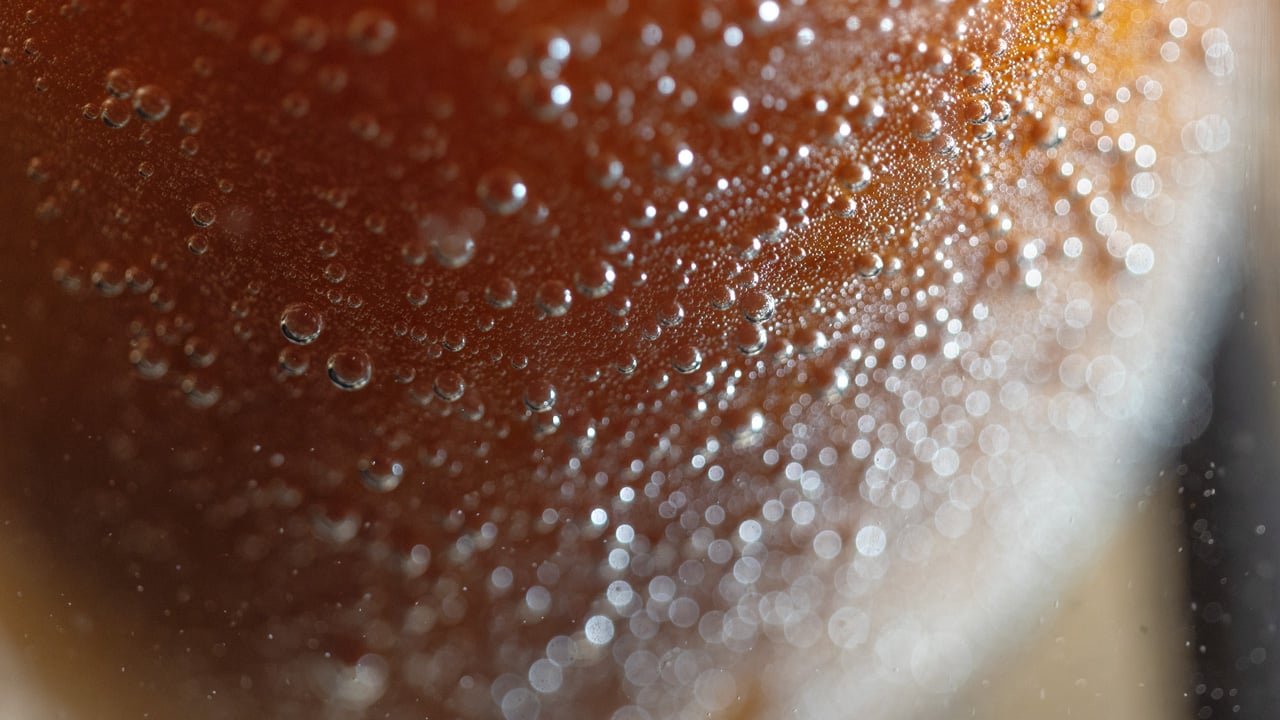
Once the setup was complete, the team generated tiny bubbles (around 0.6 millimeters, or 0.02 inches, in diameter) and exposed them to low-frequency sound waves with an underwater speaker. Fascinatingly, this resulted in the bubbles exhibiting a “stop-and-go” motion that created “strong, localized shear forces,” Jung said.
“During the deceleration phase, the bubble essentially ‘locks’ onto the contaminant edge,” he explained. “And as it accelerates, it peels the dirt away with transient bursts of high shear stress. It’s like watching a microscopic, oscillating scrubber hammering and peeling away dirt in real-time.” The findings demonstrate that “fundamental physics often holds the key to developing highly sustainable technologies,” Jung said.
At its very core, the theoretical foundations of this method are simple. But the implications reach far beyond—yes, for your own bath in a Jacuzzi, too, as Jung adds (jokingly) in the statement, “One takeaway message is that when you are sitting in the jacuzzi, play the music at a low frequency.”