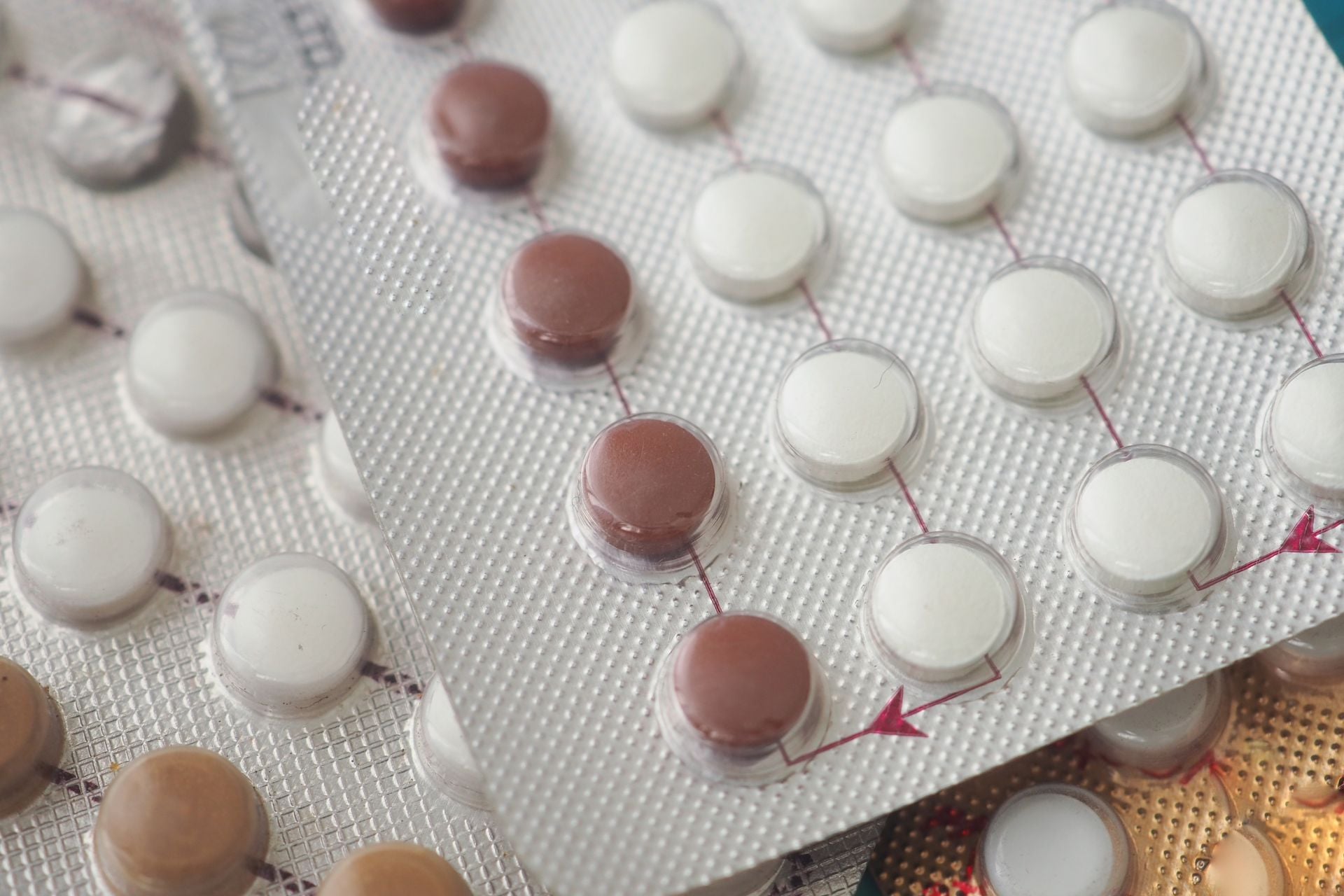
The birth control pill might come with more risks than assumed. A study out this week suggests the most common oral contraceptive can raise the odds of a particular form of binge eating.
Researchers at the University of Michigan and others examined survey data from women taking contraceptive pills containing estrogen and progesterone. Women actively on birth control had a higher risk of emotional eating, they found. Further research is needed to identify the women most vulnerable to this added risk, the researchers say.
The “findings were remarkably consistent in showing increased [emotional eating] during periods of active hormone vs inactive pills,” they wrote in their paper, published Wednesday in JAMA Network Open.
Hormones and binge eating risk
Some studies have suggested that fluctuations in the hormones naturally produced by a woman’s ovaries can influence the risk of binge eating, especially emotional eating (overeating in response to emotional stress). The team’s past research in particular found that high levels of both estrogen and progesterone—which typically happens in the second half of the menstrual cycle, after ovulation—seem to heighten this risk.
Many forms of birth control for women rely on synthetic versions of these same hormones, raising the question of whether the pill could also increase binge eating. The researchers decided to study the potential effects of the combined oral contraceptive pill on binge eating, since it most mimics the riskiest conditions they had previously identified. Notably, the combined pill is also the most common type of hormonal birth control that women will take in their lifetime.
The researchers analyzed data from the Michigan State University Twin Registry, a long-running project keeping close track of twins and their families in the state. As part of the survey, women were asked to report their daily use of the combined contraceptive pill, which included whether they were taking the active pill or the inactive placebo pill (typically, women will use the active pill for 21 days, then the inactive for 7 days); they were also asked about their eating habits. In total, the researchers tracked 422 women across two menstrual cycles.
On days when the women were taking the active pill, the researchers found, they were significantly more likely on average to report emotional eating than they were on days when taking the inactive pill. This pattern was seen in the entire sample of women as well as the smaller group of women who previously reported having clinical episodes of binge eating.
“These findings are important for highlighting the potential negative impact of combined oral contraceptives in women. Nonetheless, it’s important to note that not every woman in the study developed binge eating—they are safe for many women, and it’s likely that the risk is targeted to those with other risk factors,” said lead author Kelly Klump, an eating disorder expert and professor at MSU’s Department of Psychology, in a statement from the university.
What comes next
The researchers say that more work is needed to figure out the other risk factors that might make women on hormonal birth control more susceptible to emotional eating.
On the positive side of things, the researchers found that women were less likely to binge eat the longer the study went on. It’s possible this is because the women’s daily reporting acted as a form of “self-monitoring”—a technique that has shown some promise in reducing binge eating episodes. Hopefully, this means there will be ways to proactively help women who might be at higher risk of binge eating but who still want to stay on hormonal birth control, the researchers say.
“We found that self-monitoring was an effective tool in mitigating risk for women in the study,” Klump said. “The more we can equip women with tools and educate medical providers about these risks, the more effective care can be given.”