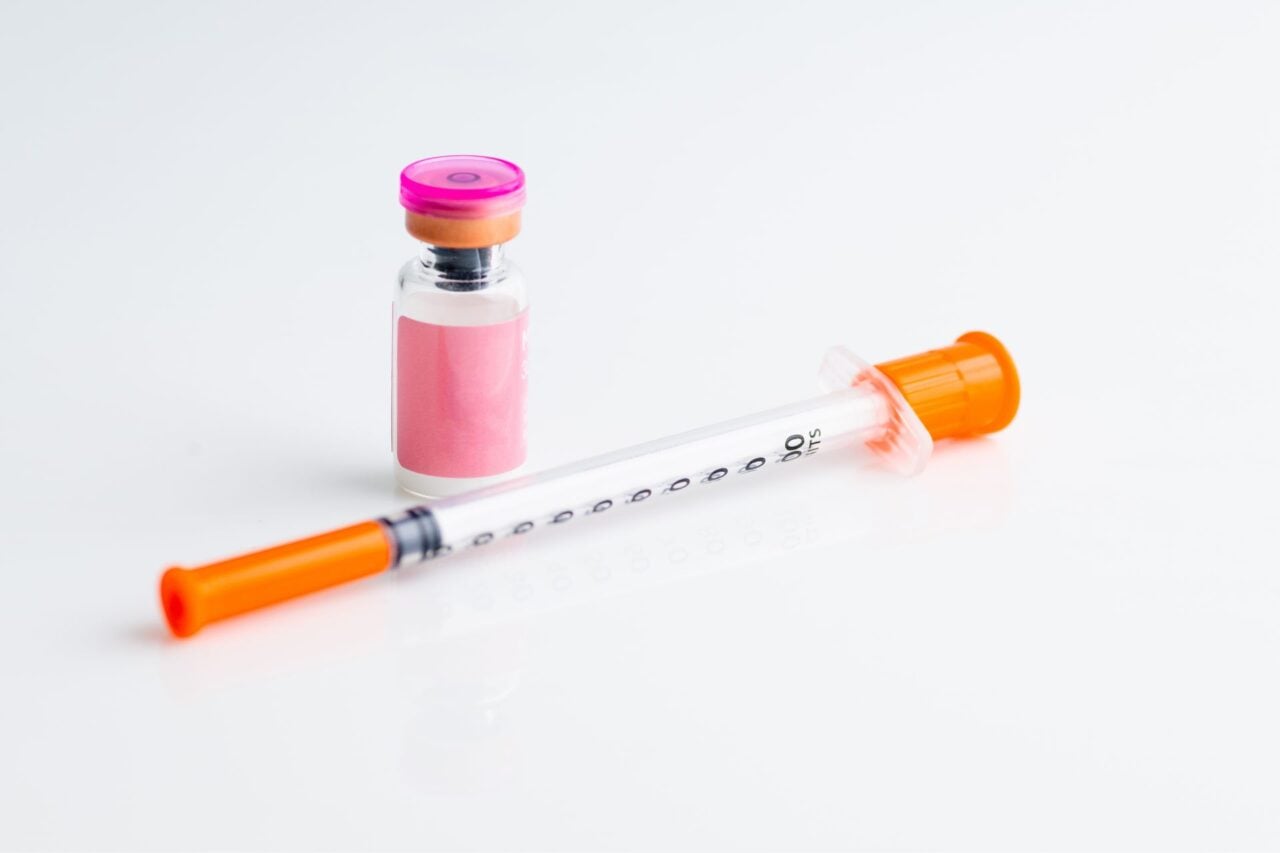
Research published today might leave a bad taste in your mouth and a crinkle in your nose if you’re taking a GLP-1 medication like semaglutide (the active ingredient in Ozempic and Wegovy).
Researchers at the Hebrew University of Jerusalem in Israel examined the medical records of people with type 2 diabetes. People taking a GLP-1, they found, had a noticeably greater chance of being diagnosed with smell or taste problems than those taking a different diabetes drug. Though the absolute risk appears to be small, more study is warranted to confirm whether GLP-1s can negatively affect some people’s sense of smell and taste, the researchers say.
“This study indicates that GLP-1 receptor agonists may be linked to a higher risk of smell and taste disturbances,” study co-author Nir Zontag told Gizmodo.
Smellzempic?
GLP-1 drugs have greatly improved the treatment of type 2 diabetes and obesity. Yet no drug is completely risk-free. And since GLP-1s have skyrocketed in popularity over the past few years, researchers have identified new, if usually rare, potential side effects linked to them.
Some reports have recently tied smell and taste issues to GLP-1 use, which made the current study researchers curious enough to dig further. The researchers analyzed medical records from a large database of patients treated at more than 170 health care centers across the world. Ultimately, they compared the outcomes of roughly 439,000 type 2 diabetes patients taking a GLP-1 with those of a similarly sized group of patients, closely matched in age and other characteristics, taking another medication.
In both groups, the prevalence of newly reported smell or taste disturbances was tiny, the researchers found, but those taking a GLP-1 were still 48% more likely to develop them. Overall, 0.37% of GLP-1 users in the matched comparison were diagnosed with smell or taste problems, compared to 0.22% of non-users. These included conditions like anosmia (the partial or total loss of smell), parosmia (a distorted sense of smell), and parageusia (a distorted sense of taste).
The findings highlight “the need for closer monitoring and greater public health awareness,” the authors wrote in their paper, published Thursday in JAMA Otolaryngology–Head & Neck Surgery.
What this should mean
This study is retrospective and observational, meaning it’s not able to conclusively show a cause-and-effect link between GLP-1 and these sensory disturbances. The researchers also note that some studies have actually linked GLP-1 use to an improved perception of taste and smell, though these studies have mostly involved people taking a GLP-1 for their obesity rather than type 2 diabetes. So it’s possible that the risk of reduced smell and taste from these medications is complex and tied to multiple factors.
“Further studies are needed to clarify mechanisms, assess drug-specific effects, better characterize symptom severity and duration, and evaluate impacts on dietary behavior and long-term outcomes,” said Zontag. Both our taste buds and olfactory bulb (the brain region that primarily regulates smell perception) contain GLP-1 receptors, for instance, so perhaps these drugs might be directly affecting cells there.
Importantly, the researchers aren’t calling for everyone to dump out their GLP-1s over their findings. But they still say doctors and patients should be on the lookout for these symptoms.
“Although the absolute risk is low, clinicians and patients should be aware of these potential sensory changes, as they may influence food preferences, nutrition, and quality of life,” Zontag said. And the sooner such issues are identified, the better the chance that treatments like olfactory training can work to recover a person’s sense of smell and taste.