Weight isn’t the only thing people can lose while taking a GLP-1 medication like semaglutide (Wegovy and Ozempic) or tirzepatide (Zepbound and Mounjaro). Some might also experience a profound loss of joy, doctors are warning.
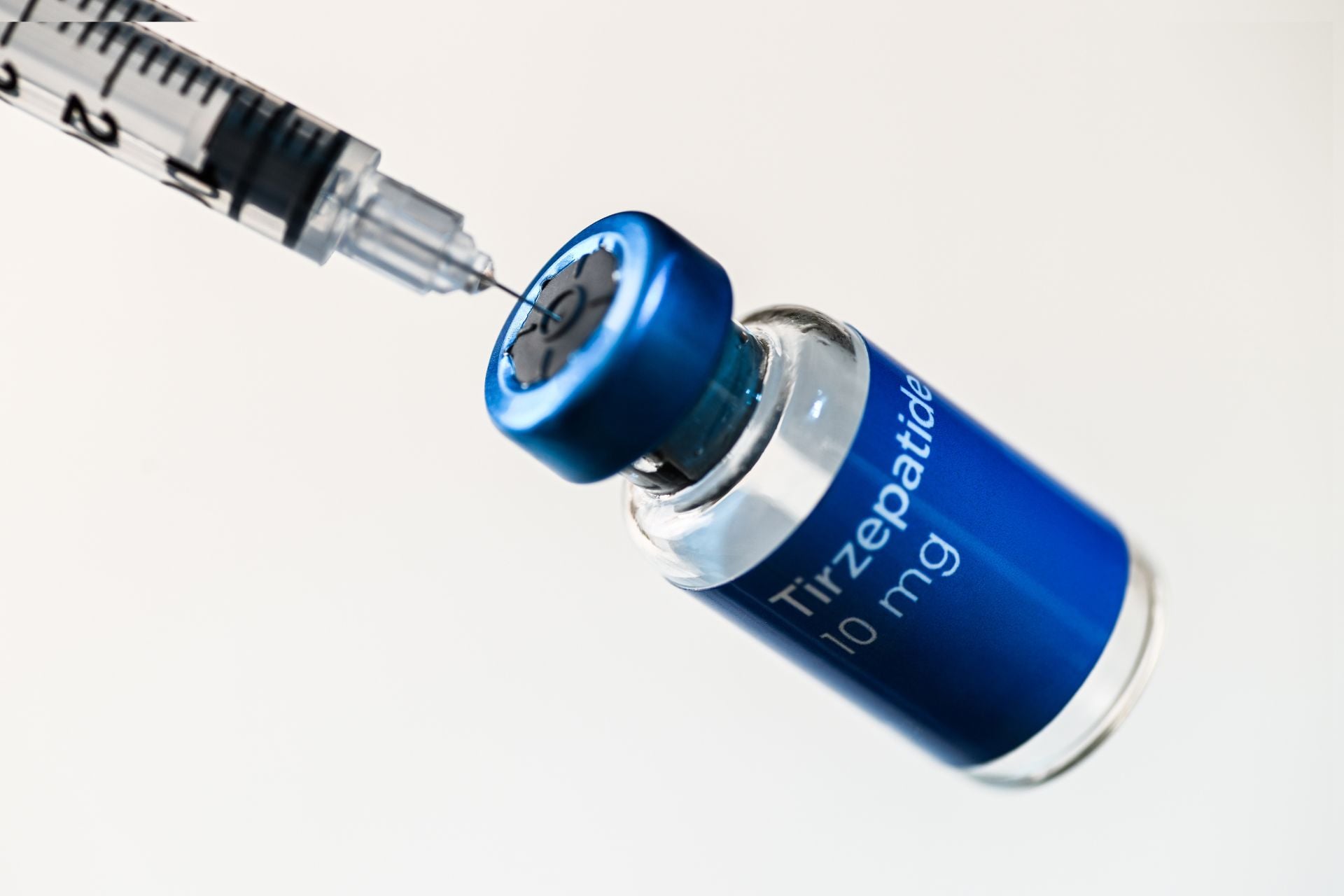
In a report out this week, doctors have detailed three cases of their patients developing anhedonia—an inability to feel pleasure—after they started taking tirzepatide for their obesity. Fortunately, this potential side effect seems to be linked specifically to the largest doses of the drug, and all three people began to regain their zest for life after reducing their dosage. Still, doctors should be on the lookout for this possible complication in GLP-1 users, the authors say.
“Clinicians should consider monitoring for changes in motivation and reward perception during treatment, particularly at higher doses,” they wrote in their paper, published Tuesday in Obesity Pillars.
The loss of joy
GLP-1s help people lose weight through several mechanisms, which include reducing people’s cravings for food. In recent years, researchers have found these drugs can also tamp down people’s unhealthy urges for alcohol and other addictive vices like gambling. As a result, scientists are now trialing these drugs as treatments for substance use disorders.
These effects are linked to how GLP-1s can affect regions of the brain associated with reward-seeking and pleasure. Useful as that might be for helping people with addiction, there has been some concern about the unwanted consequences of these changes to the brain. According to the authors, some people have anecdotally reported anhedonia-like symptoms after they started taking a GLP-1, but so far, there’s been little written about the phenomenon.
The authors highlighted three such cases, all involving women on tirazeptide for their obesity. The women all lost substantial weight while on the drug. After they reached the maximum prescribed dosage (15 milligrams per week), two of the women reported symptoms like a loss of interest in their hobbies or feeling unmotivated to do other healthy things like exercise. The third woman didn’t initially report any symptoms, but after she had to temporarily stop taking the drug for a medical procedure and was weaned back onto a smaller dose, she then reported feeling an improved sense of motivation and a stronger desire to complete daily activities.
These symptoms make sense biologically, based on how GLP-1 drugs can engage and modulate dopamine-producing neurons in the brain’s ventral tegmental area (VTA), a region that influences people’s “moment-to-moment motivation for motor, cognitive, and complex executive behavior,” the doctors wrote.
A happy ending
The doctors say this anhedonia-like effect of GLP-1 use is distinct from depression itself. In fact, several studies have actually suggested that GLP-1 therapy is linked to reduced symptoms of depression and other mental health disorders overall. This side effect also seems to be limited to people taking the highest doses of these medications, and can be treated effectively once noticed.
“This shouldn’t deter people from trying the medicine if it is indicated (obesity or type 2 diabetes), as it is not very common and can be managed with dose changes plus or minus anti-depressant medication,” lead report author Spencer Nadolsky, an obesity medicine specialist and CEO of the virtual health clinic Vineyard, told Gizmodo. “This also needs to be validated in more rigorous study designs.”
Two of the women reported feeling much better after lowering their dosage, though one woman required an add-on treatment of bupropion, an antidepressant known to help with anhedonia by boosting dopamine levels; the third stayed on her lower dosage and reported continued improved motivation. Also, each of these people were still able to maintain or lose more weight as they reduced their dosage. That’s an important consideration, since some people with these symptoms might otherwise be reluctant to limit their GLP-1 use over the fear of weight regain.
“The difference was significant and immediate. I began to feel more like myself again—my energy improved, my interest in exercise and daily activities returned, and I was able to resume losing weight,” said one of the patients in an accompanying perspective. “This adjustment helped me find a better balance between managing my health and maintaining my overall quality of life.”
While this side effect might be rare overall, more research is warranted on how best to prevent or treat it, the authors say. Tirzepatide is also notably the best GLP-1-based drug available to the public today, but more effective medications are set to come down the pipeline at any moment. So it’s also worth keeping an eye on whether such drugs will be more likely to cause anhedonia, they added.