There are likely few moments more joyous in a parent’s life than seeing their children get married. Unfortunately, one 65-year-old mother’s sheer wedding happiness inadvertently led to heart problems that landed her in the emergency room.
The woman’s doctors detailed the baffling situation earlier this month in a case report. In the days after her daughter’s wedding, she developed an incredibly rare condition known as “happy heart syndrome.” Thankfully, she made a full recovery.
“Our case underscores this uncommon presentation and adds to the limited body of literature documenting patients who experienced profound joy followed by the unexpected onset of stress cardiomyopathy,” the doctors wrote in their paper, published in the Oxford Medical Case Reports.
Too much joy
Happy heart syndrome, or HHS, is a rare subtype of an already rare heart problem called takotsubo cardiomyopathy.
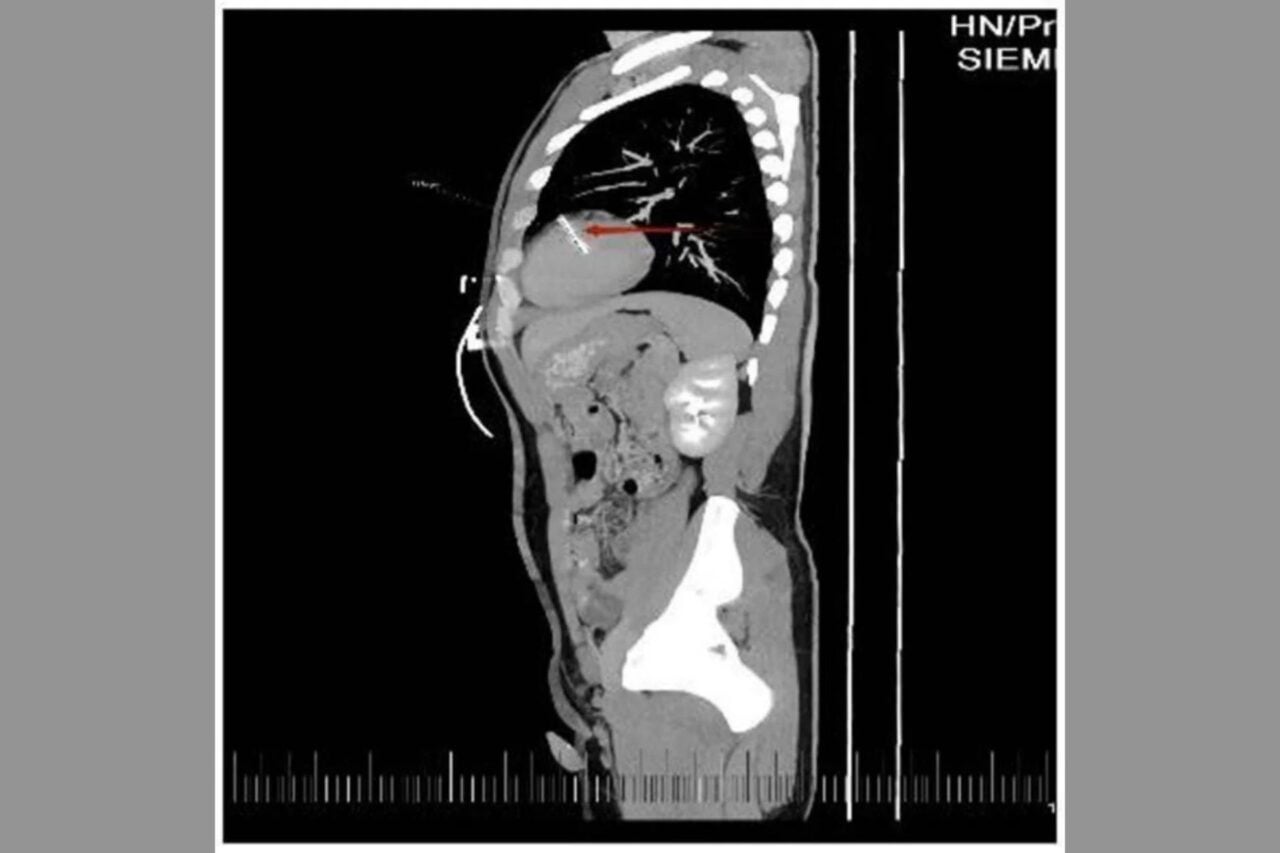
Takotsubo is characterized by the sudden weakening and ballooning of the heart’s left ventricle, the thickest chamber primarily responsible for pumping blood throughout the rest of the body (the ventricle can then resemble the shape of a Japanese octopus trap, which is called a takotsubo). This weakening is typically sparked by an intense burst of emotional or physical stress, though actual trauma (like a fall) can potentially cause it as well. It’s usually associated with the fallout of a deeply sad life event, such as a break-up or a close loved one’s death, which is why it’s garnered the nickname of “broken heart syndrome.” But even an especially cheerful situation can trigger the condition, as with this case.
According to the report, the woman sought medical care three days into having chest pain and shortness of breath that was worsened with physical exertion (this is known as typical or classic angina). The woman had a history of high blood pressure and recent follow-up visits to a cardiology clinic months earlier for atypical chest pain, meaning it didn’t fit the criteria for classic angina, though her electrocardiogram came back normal. Still, doctors rushed her to the intensive care unit, fearing she had developed acute coronary syndrome, a range of conditions caused by a lack of blood flow to the heart (the most worrying version is a heart attack, but any form of it is a medical emergency).
When doctors checked out the women’s coronary arteries, however, they seemed perfectly fine. Her left ventricle, though, showed the ballooning typically seen with takotsubo cardiomyopathy, while other tests confirmed heart damage and that the heart was struggling to pump blood as effectively as usual. The woman explained her new symptoms began after she attended her daughter’s wedding three days earlier, where she experienced “extreme joy.” And with tests ruling out any other plausible explanations, the doctors diagnosed her with happy heart syndrome.
A truly happy ending
HHS was only formally discovered in 2016, more than a quarter-century after takotsubo cardiomyopathy was first described. And though it might be rarer than the classic broken heart version, it’s a condition that doctors should be aware of, the authors say. “Maintaining a high index of suspicion, even in patients without conventional cardiovascular risk factors, is crucial,” they wrote.
Though temporary, takotsubo cardiomyopathy can be a serious, even fatal condition, especially if it’s not recognized and managed effectively. A recent study of nearly 200,000 U.S. adults, for instance, found that 6.5% ultimately died from it between 2016 and 2020. In this case, fortunately, things ended well.
The woman was discharged and eventually able to resume her usual daily activities with no limitations. Follow-up visits also showed that her heart function returned to normal, and that the women was “looking forward to witnessing the happiest milestones of her other children in the years ahead,” the doctors wrote.
Report author Ra’ed Ababneh also notes that people generally shouldn’t be too worried about their happiness getting them into similar trouble, given the rare nature of this condition.
“Celebrate life’s happiest moments with confidence,” Ababneh, an internal medicine doctor at the Hackensack Meridian Ocean University Medical Center in New Jersey, told Gizmodo. “Happy heart syndrome is exceptionally rare, but if you experience new chest pain after an intensely emotional event, whether joyful or stressful, seek immediate medical attention, as it may indicate a medical emergency.”
This article has been updated with comments from one of the report’s authors.