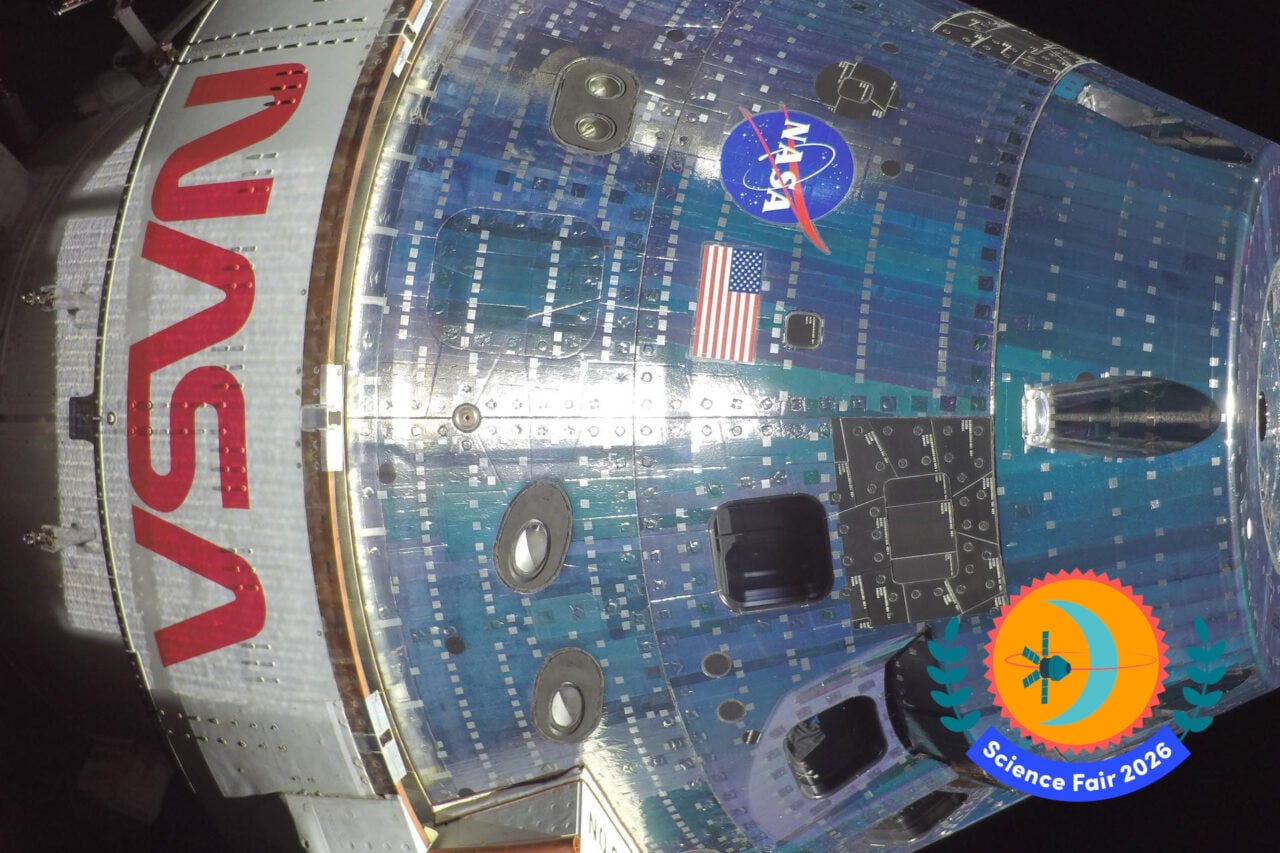
Americans have been waiting a long time for NASA to return to the Moon—54 years to be exact. After weeks of technical delays, the agency’s first crewed lunar mission is finally scheduled to launch on Wednesday.
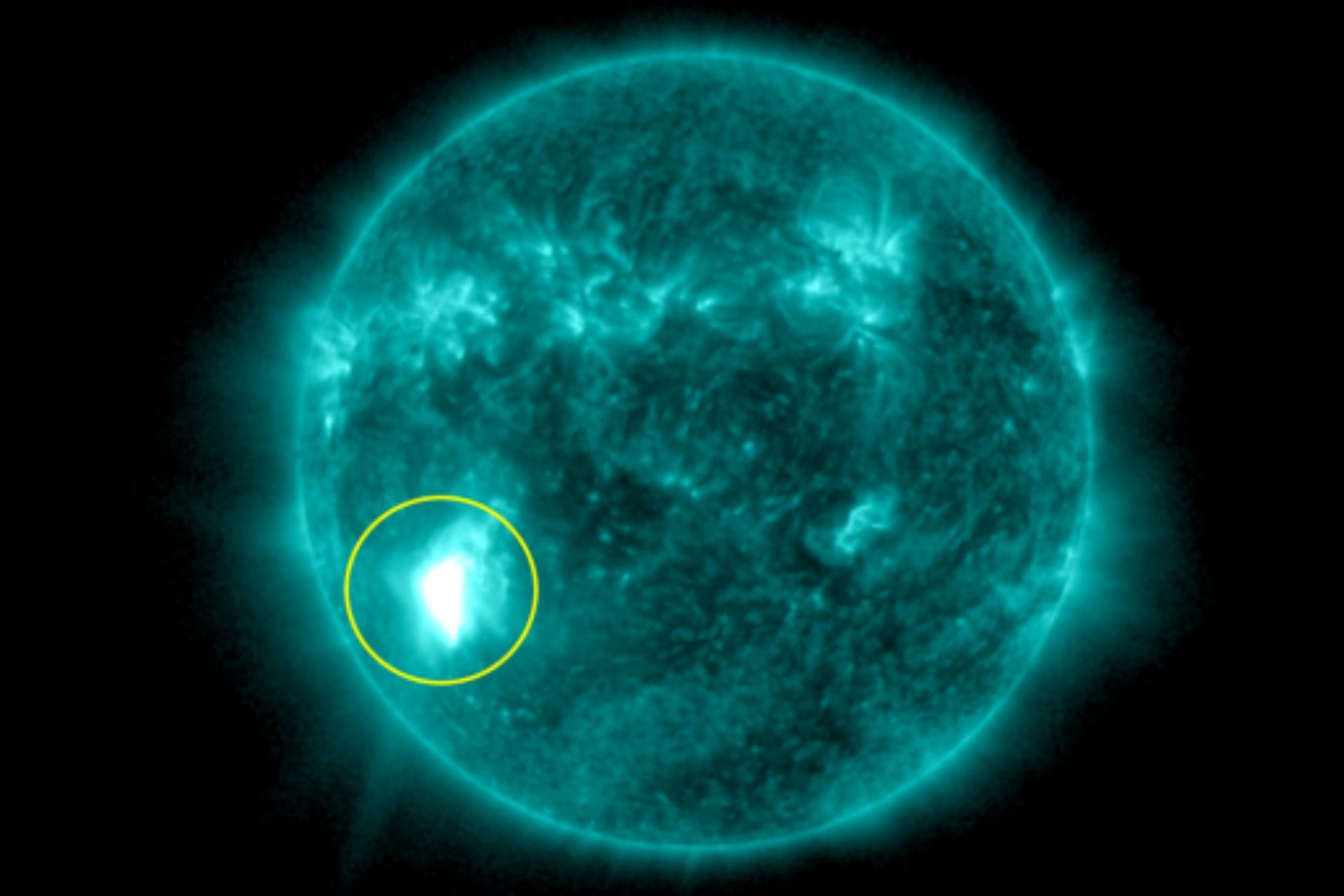
The anticipation couldn’t be higher, but the Sun may have other plans. According to the National Oceanic and Atmospheric Administration’s Space Weather Prediction Center, our home star unleashed a powerful solar flare and associated coronal mass ejection late Sunday evening.
With the Artemis 2 mission set to launch a crew of four astronauts around the Moon in just two days, this is not the news NASA wants to hear.
Bad timing, Sun
A cluster of sunspots called active region 4405 produced the X1.4 flare on Sunday, sending a powerful burst of radiation toward Earth. This triggered a strong (severity level 3 out of 5) high-frequency radio blackout on the Sun-facing side of our planet, affecting Southeast Asia and northern Australia.
The blackout posed no threat to NASA’s Artemis 2 mission. However, AR 4405 is now rotating further into view of Earth. If it erupts again, there’s a greater chance it could impact mission preparations.
To make matters worse, Sunday’s flare preceded a coronal mass ejection (CME)—a violent eruption of plasma and magnetic field that’s now hurtling toward our planet. The SWPC has issued a G2 (moderate) geomagnetic storm watch for Tuesday in anticipation of its arrival.
Geomagnetic storms are major disturbances of Earth’s magnetosphere which, like solar flares, can cause radio blackouts. They can also disrupt satellite operations and navigation systems. Depending on the timing and severity of this potential storm, Artemis 2 could be in trouble, but the forecast remains unclear.
“The CME is still being analyzed and the forecast could change as some model results suggest a slightly more Earth-directed arrival,” the SWPC stated.
The risk of a solar SNAFU
According to NASA’s Artemis 2 weather criteria, the mission cannot launch “during severe or extreme solar activity resulting in increased density of solar energetic particles with the potential to damage electronic circuits and make radio communication with the launch vehicle difficult or impossible.” With a crewed mission, such technical issues can quickly turn dangerous.
In a Monday morning update, NASA said there’s an 80% chance weather conditions will be favorable for launch on Wednesday—and that includes solar weather. With that said, the agency will be keeping a close eye on this CME and AR 4405 over the next couple of days.
“Guaranteed, NASA is paying attention regarding the upcoming Artemis 2 launch,” solar physicist Tamitha Skov told Space.com in a reply to a comment on X. “We need to pay attention to radio bursts now. Those can really impact [high frequency/very high frequency radio communications] as well as satellite radio communications during critical launch operations and early orbit maneuvers!”
NASA is likely to err on the side of caution when making the launch call. If solar activity threatens communications or navigation systems, Artemis 2 will probably slip again. While that would be disappointing, it is critical that the mission and its crew achieve their objectives safely.