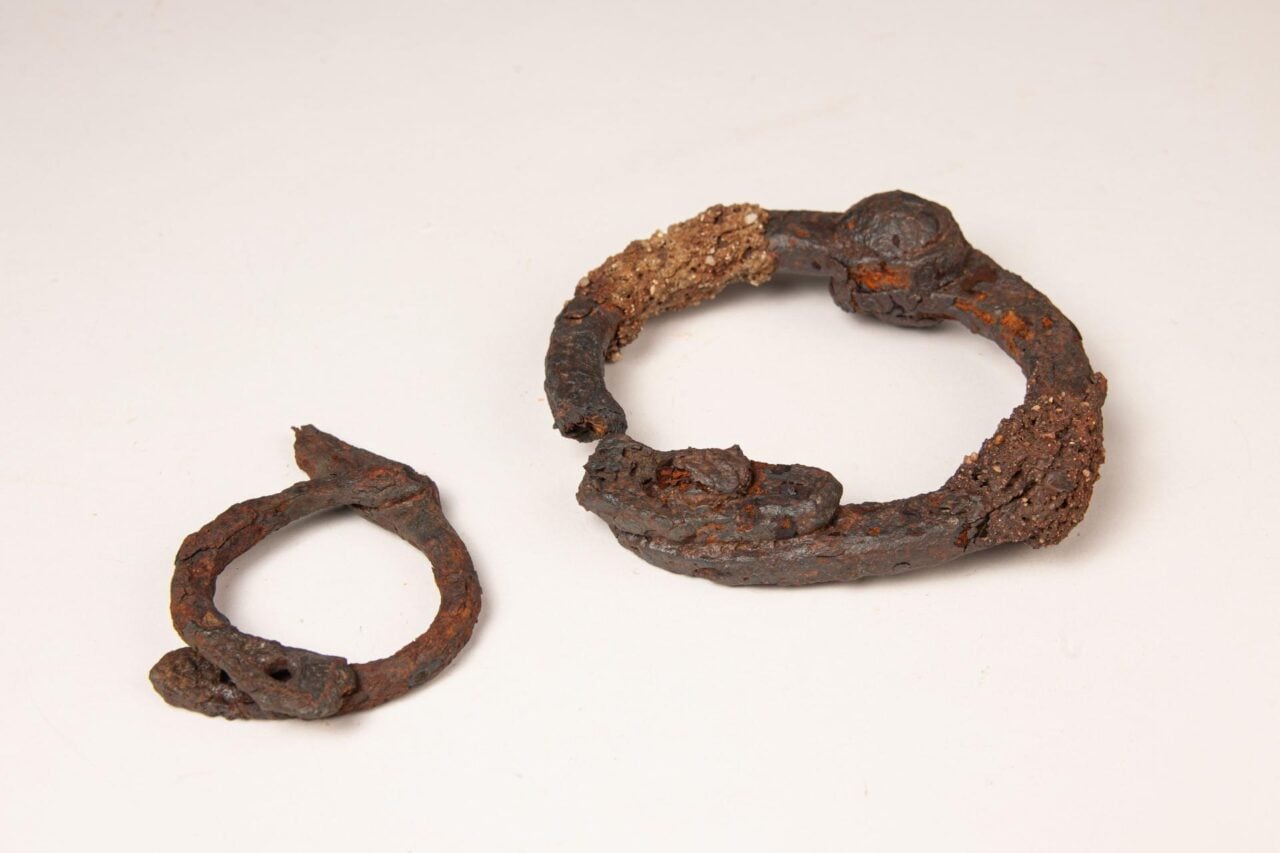
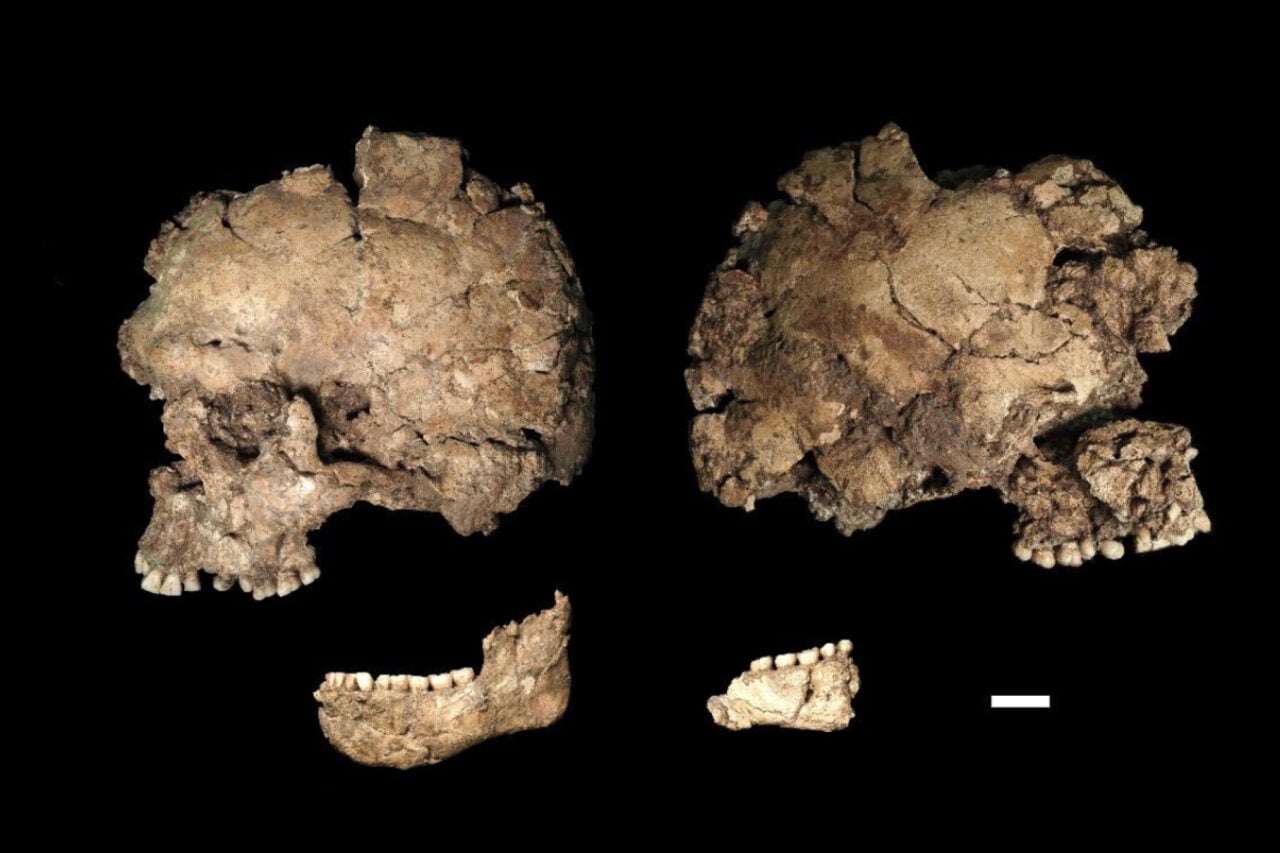
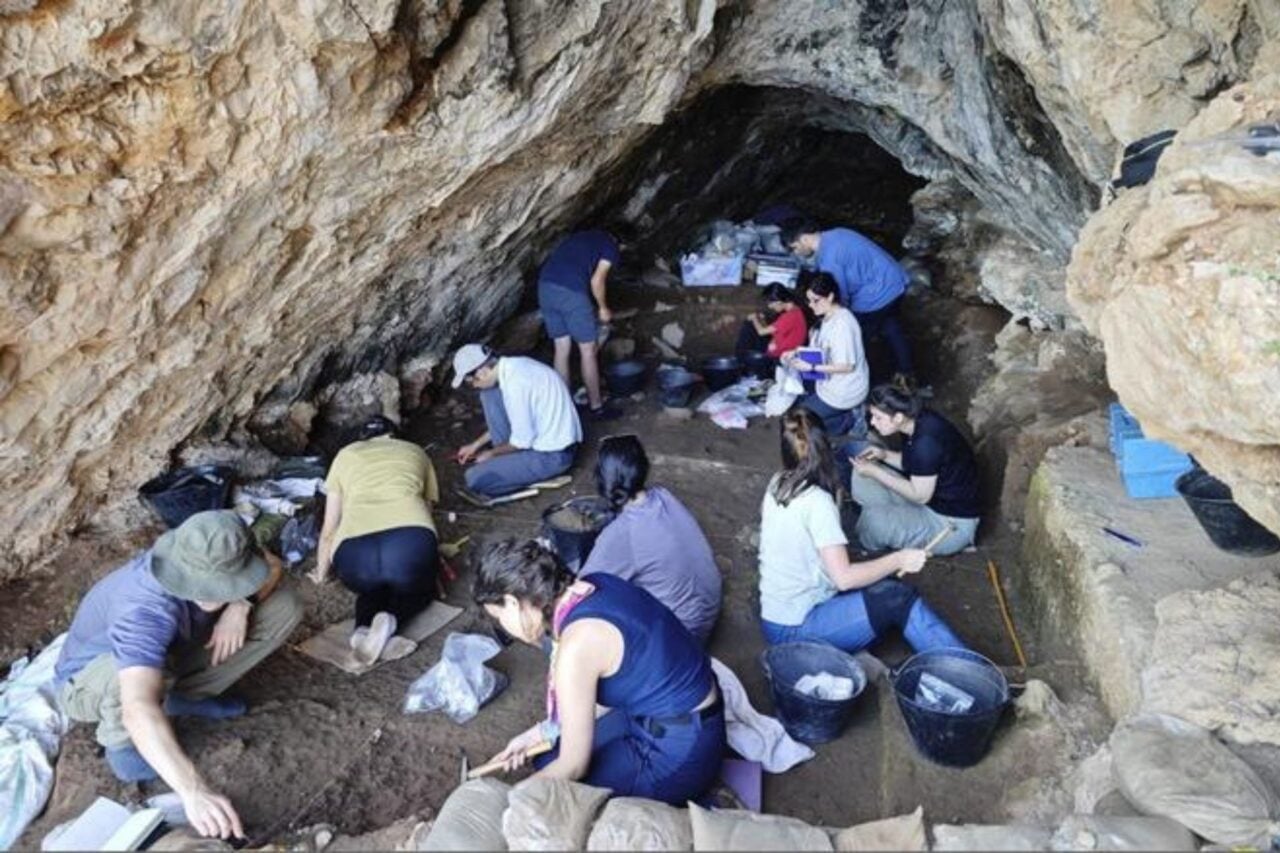
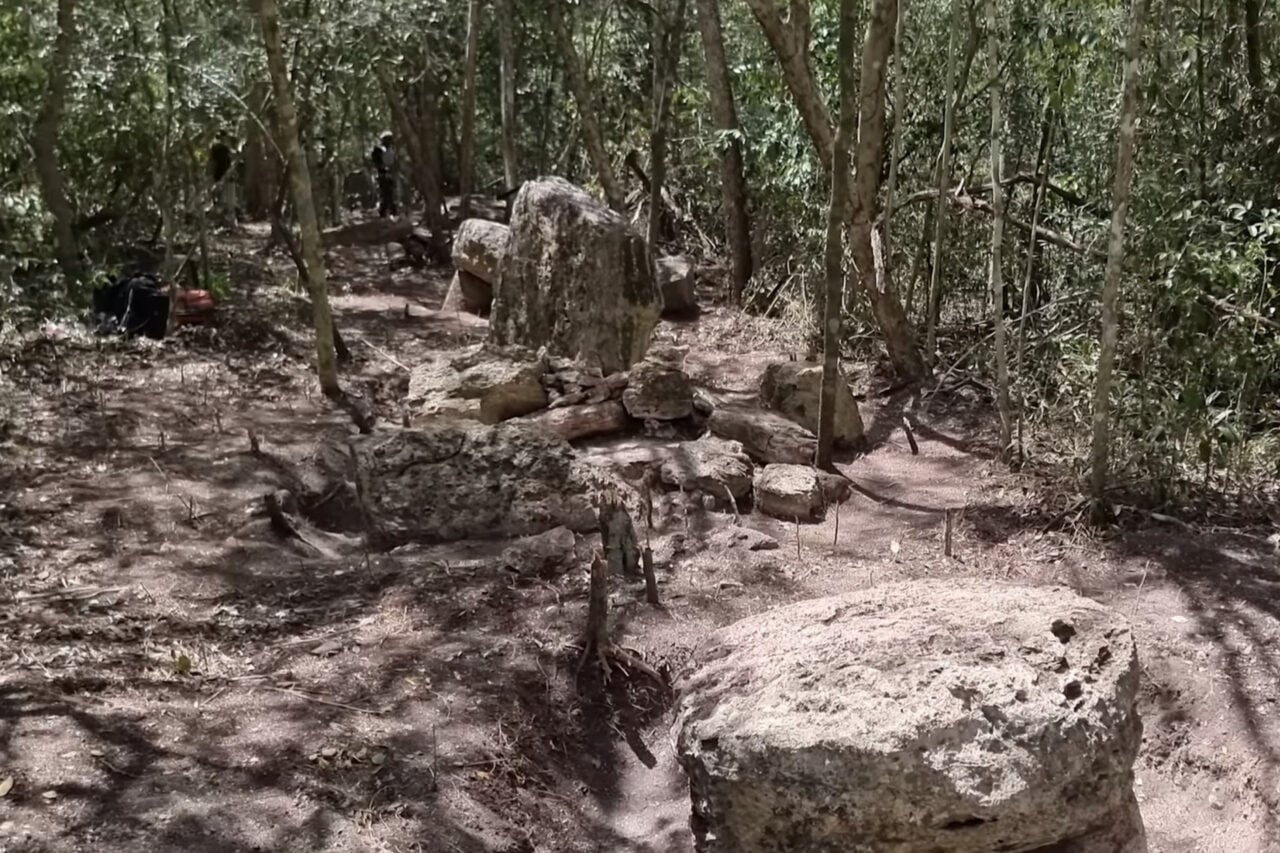

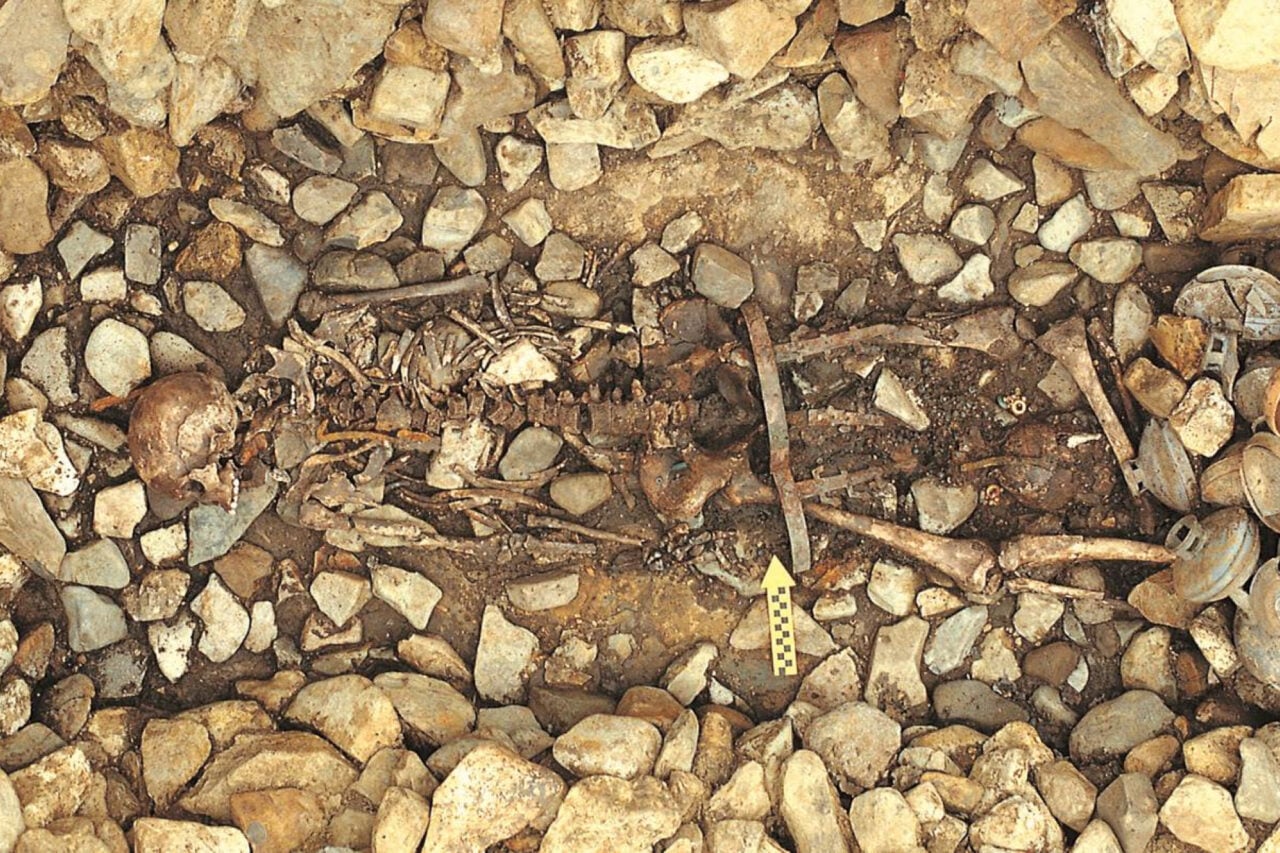
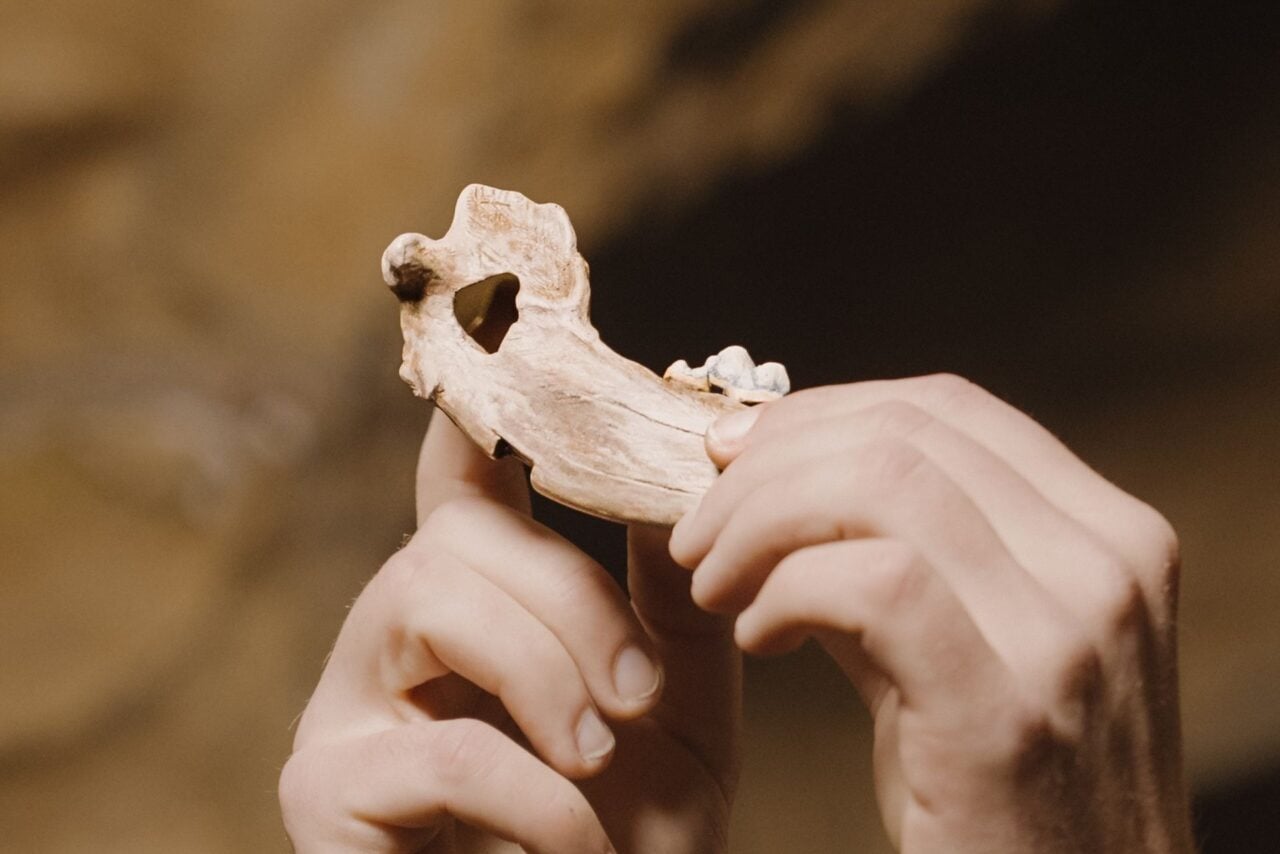
The man, who died roughly 3,800 years ago, may have been a prominent military leader and was buried in an elaborate fashion.
Three burials are challenging a widespread notion about the interactions between Mesoamerican cultures.
Rock art may have been a way for elite individuals to show off their power.
In a new study, researchers reenacted how people in Taiwan might have reached the Ryukyu Islands tens of thousands of years ago.
New research suggests the first Americans weren't who we thought they were.
A study of animal remains from an ancient trash pit in Mallorca suggests thrushes were once a staple of Roman street food culture.
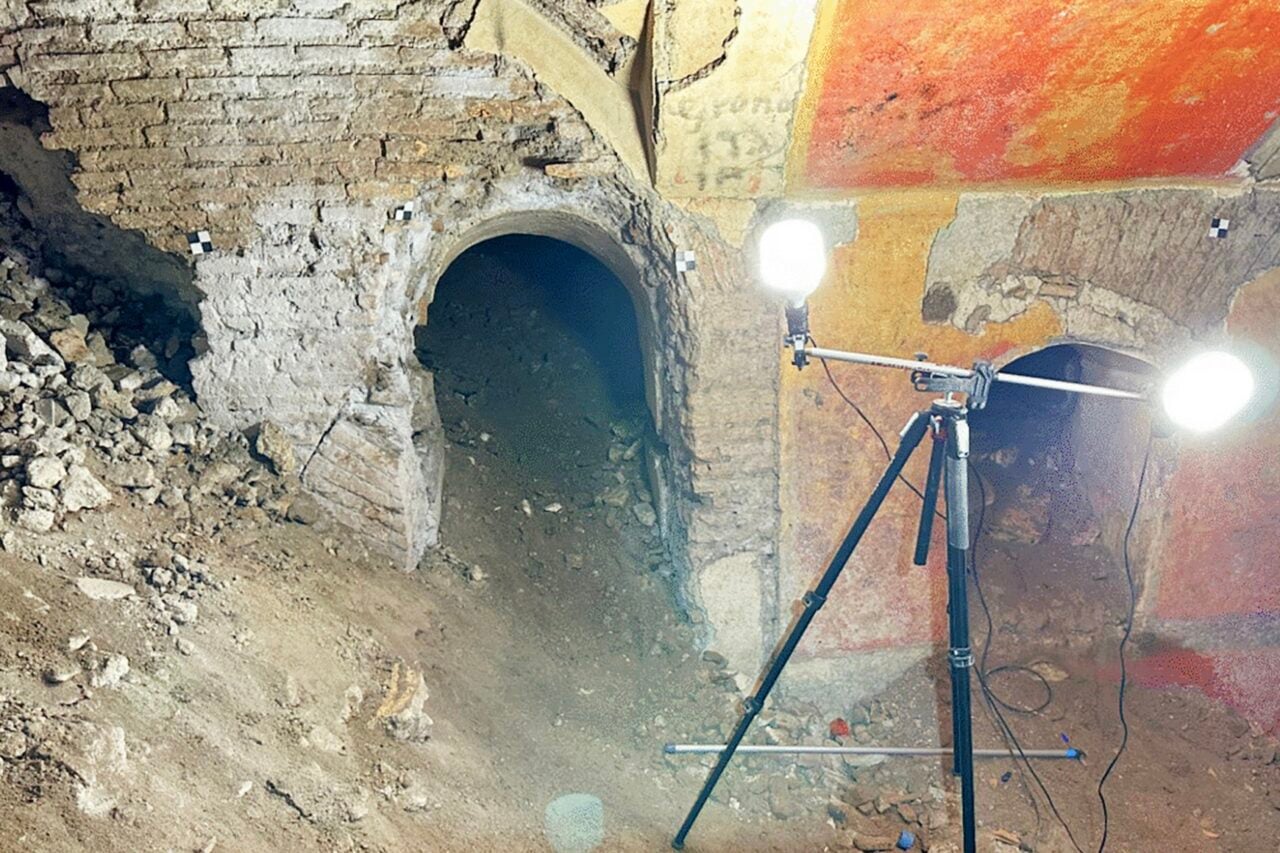
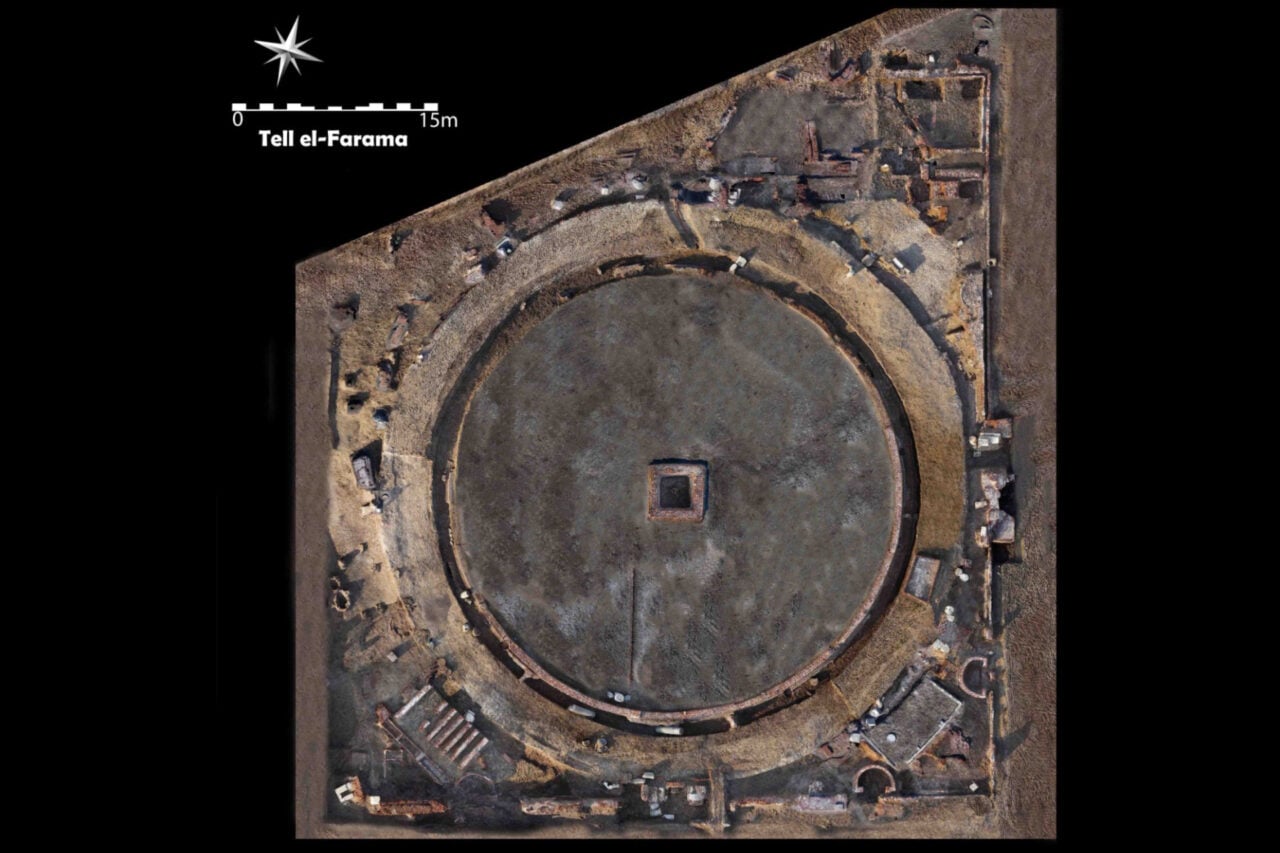
A recent excavation reveals that a large building excavated in 1966 was just a part of an even grander ancient complex.
A bread made from ancient grains is rising again in Turkey, and it's a big hit.
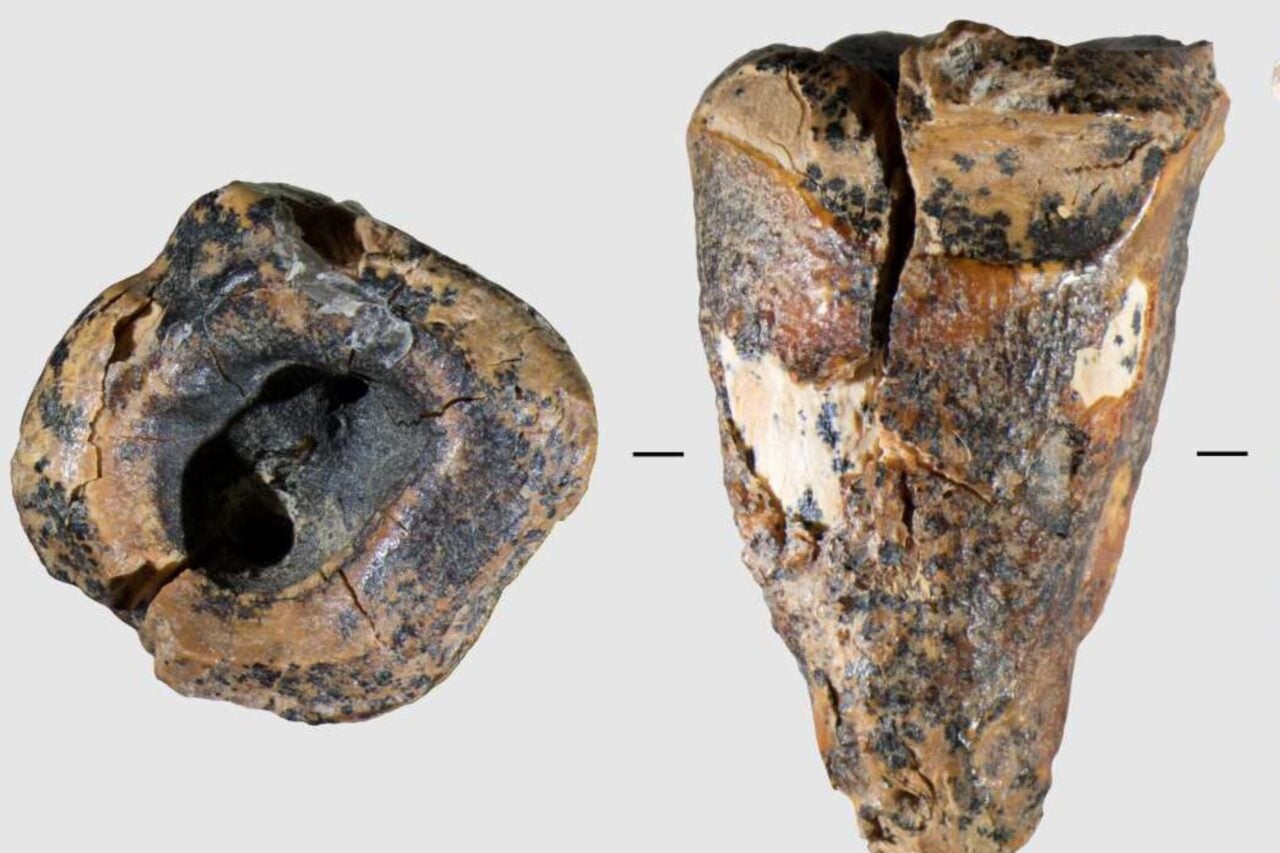
The discovery could deepen our understanding of the Neanderthal mind, but some experts aren’t convinced by the interpretation of the evidence.
This vast frontier served a very different purpose than previously believed, researchers suggest.
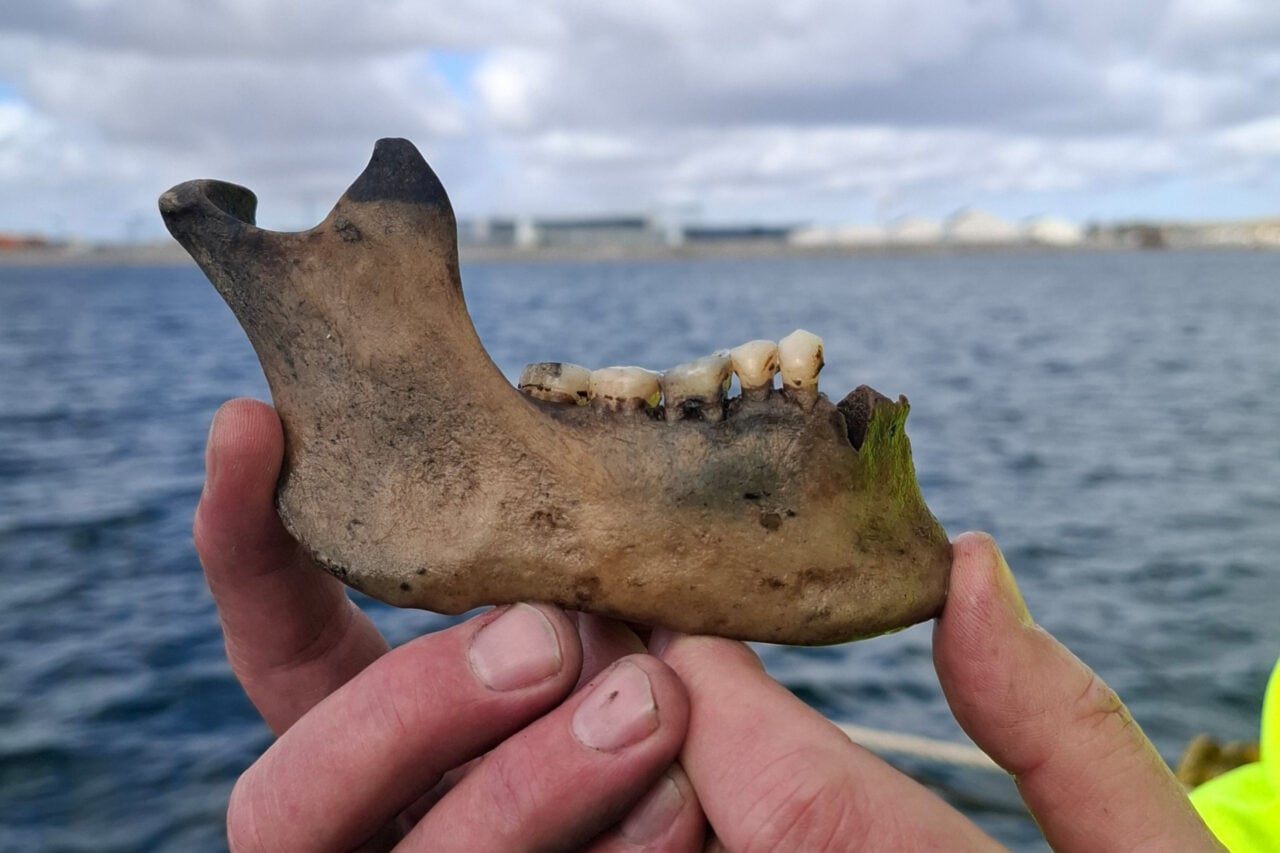
Whale bones retrieved from prehistoric shores are shedding light on how humans lived—and hunted—along Europe's vanished coastlines.
To trace forgotten Viking trade routes, an experimental archaeologist spent three years braving frozen Norwegian waters.
Psychedelic drugs might have fundamentally changed pre-Incan society.
Almost 2,000 years after Mount Vesuvius exploded, scholars continue to uncover extraordinary archaeological remains immortalized in ash and pumice.
The 3,300-year-old monument has sat in the French capital's center for almost 200 years, but no one else noticed these strange encryptions.
Researchers compared puncture marks on an 1,800-year-old skeleton in the UK to various animal bites, and concluded that the individual was likely bitten by a lion.
A construction project in Stuttgart, Germany, resulted in the discovery of the ancient site.
Archaeological records indicate that prehistoric people in Europe relied on fire throughout the Ice Age—but the evidence drops off during its harshest period.
The remains belonged to around 150 men between the ages of 20 and 30—all victims of a fierce battle.
The artifacts reveal the harsh working conditions in ancient Egyptian gold mines under the rule of the Ptolemaic dynasty.