The Saturn V rocket remains one of NASA's greatest technological achievements—a powerful launch vehicle that finally brought the Moon within reach.
Bizarre and badass, these experimental planes tested new strategies for flight.
The space agencies refuse to call it a “rescue mission,” in an obvious attempt to downplay the current risk posed to three stranded ISS crew members.
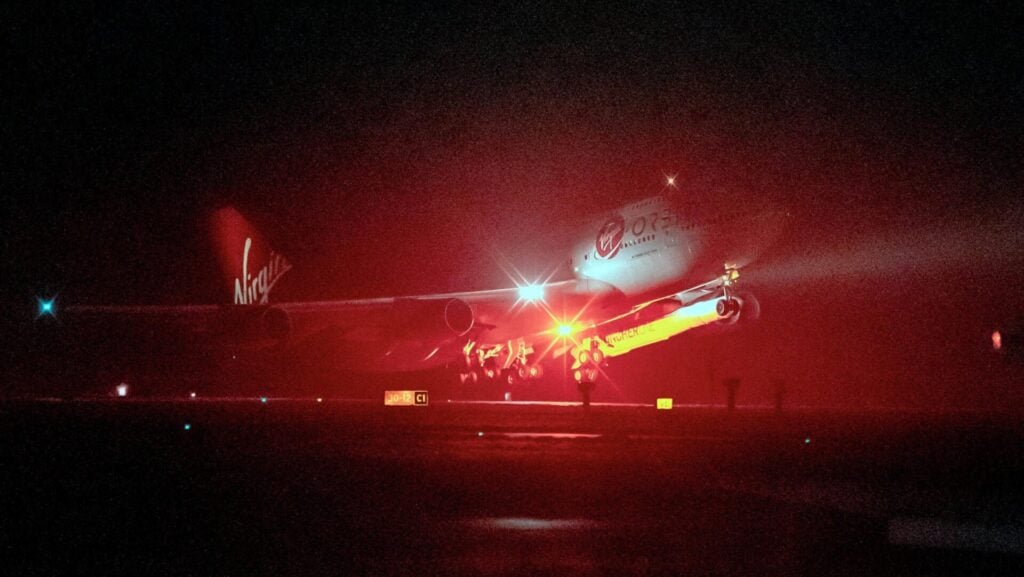
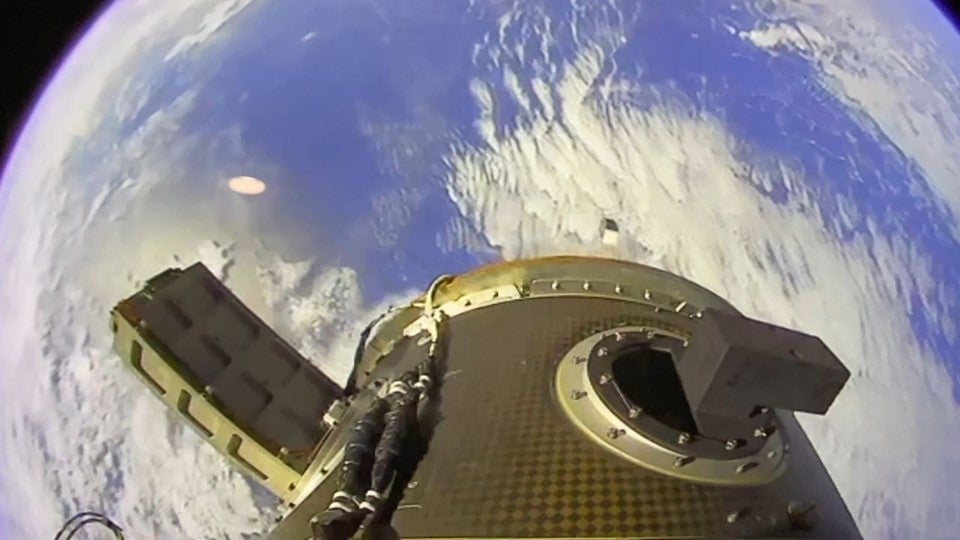
The LauncherOne rocket burned up in Earth's atmosphere, resulting in the destruction of all seven satellites on board.
The LauncherOne rocket suffered an anomaly about 30 minutes into the mission, spoiling the first attempt at an orbital launch from British soil.
The commercialization of space continues unabated, with an unprecedented number of launches and missions planned for 2023.
NASA administrator Bill Nelson recently asked SpaceX president Gwynne Shotwell if Elon's Twitter acquisition is serving as a "distraction" at the rocket firm.
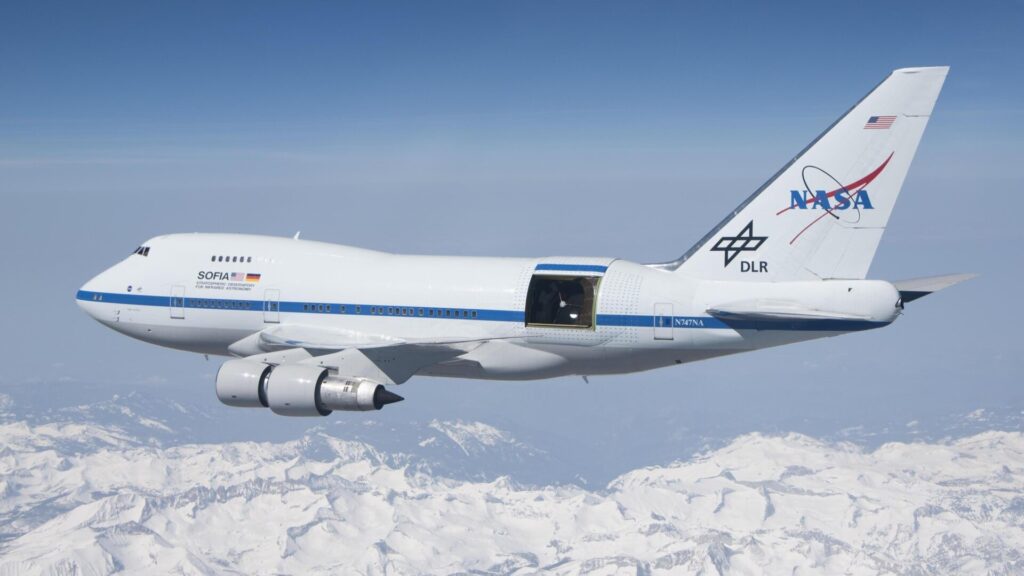
The space agency retired the flying infrared telescope last year as the result of budget cuts.
The Blue Origin founder sued NASA after losing its original bid to SpaceX, but there's still a chance for the billionaire to build an alternative Moon lander.
An upcoming experiment could make it possible for the U.S. Space Force to launch replacement satellites with just 24 hours notice.
The Artemis 1 mission is now scheduled to blast off on Wednesday, November 16, but that assumes the incoming storm doesn't damage NASA's megarocket.
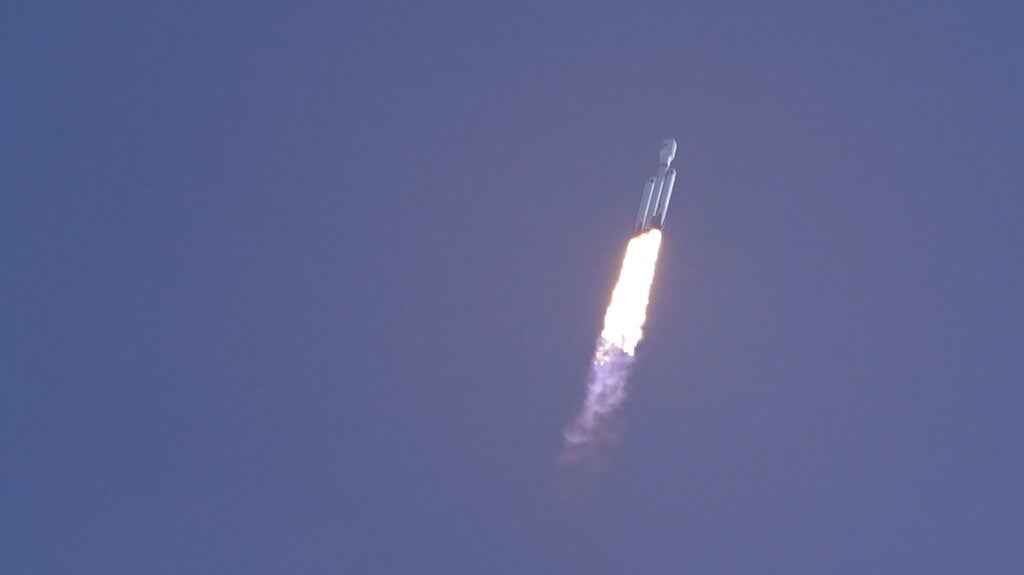
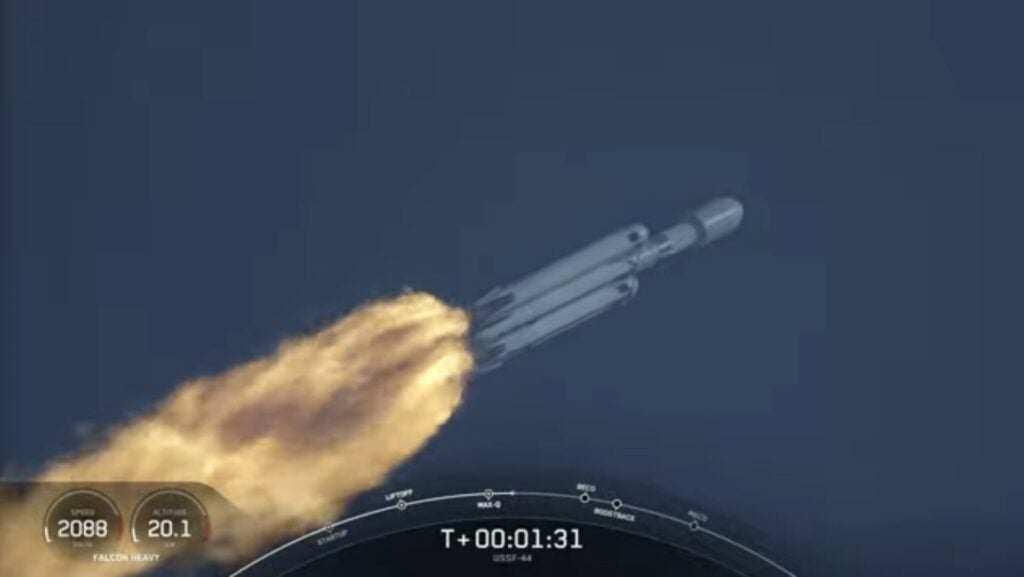
The 230-foot-tall rocket flew for the first time since 2019, delivering a classified payload for the U.S. Space Force.
The Falcon Heavy, currently the most powerful rocket in the world, blasted off on Tuesday at 9:41 a.m. ET.
A senior Russian official said commercial satellites, if used to aid the Ukrainian war effort, could become “legitimate targets,” prompting the U.S. response.
Boeing slipped down on NASA’s vendor list and Starliner has now cost it nearly $900 million, making for a double-whammy of developments.
The company will no longer be using ABL Space Systems to launch its Kuiper-1 and Kuiper-2 satellites and will instead use ULA's Vulcan Centaur rocket.
The powerful 28-engine rocket hasn’t flown in three years, the result of payload delays.
The company that once partnered with Boeing and the now-defunct Kittyhawk now has to compete with other four-seat designs from the likes of Joby.
The startup financed by Google co-founder Larry Page announced it was “winding down” work on all its flying taxi prospects.
Recent remarks suggest the former astronaut has shifted his position on commercial spaceflight.