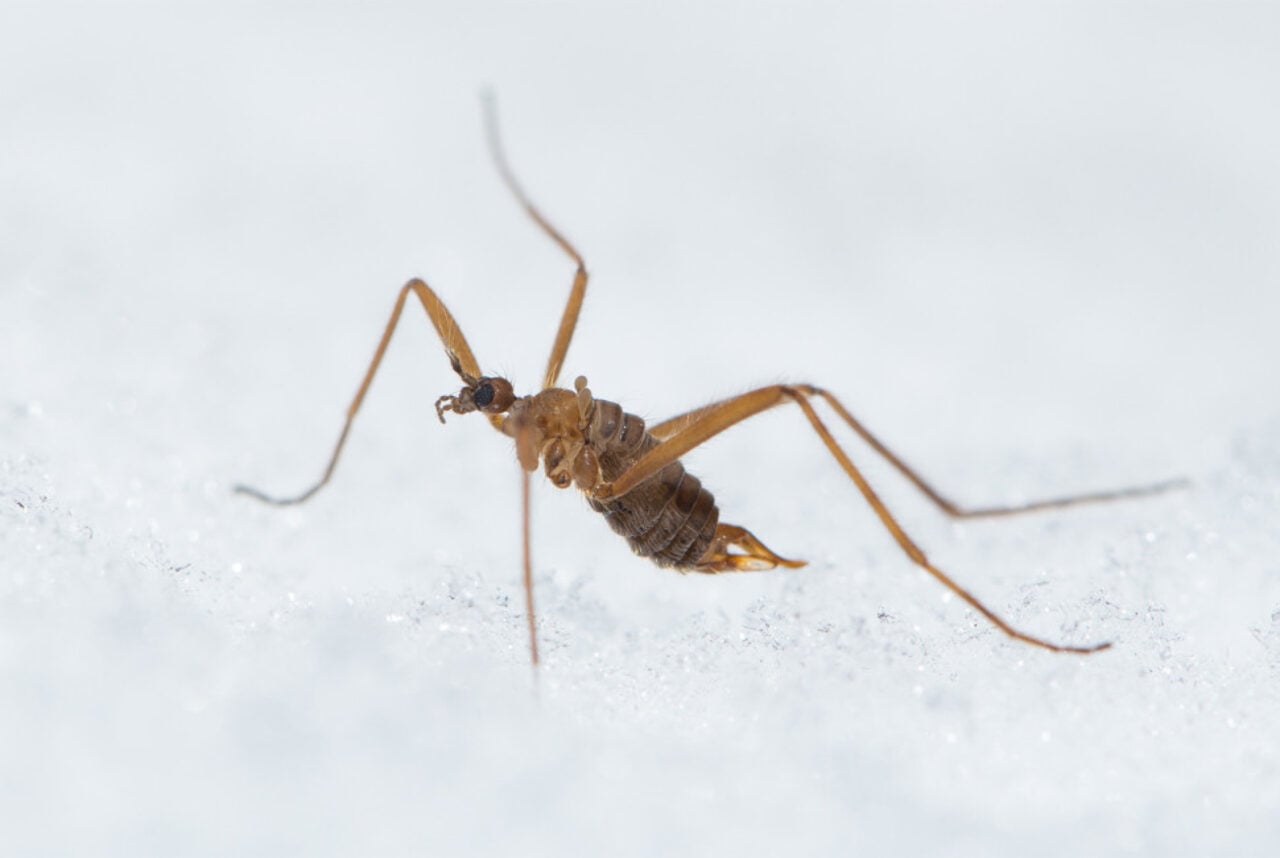
Unlike most bugs, snow flies thrive in the cold—thanks to a baffling mix of genetic kinks that scientists never expected to find.
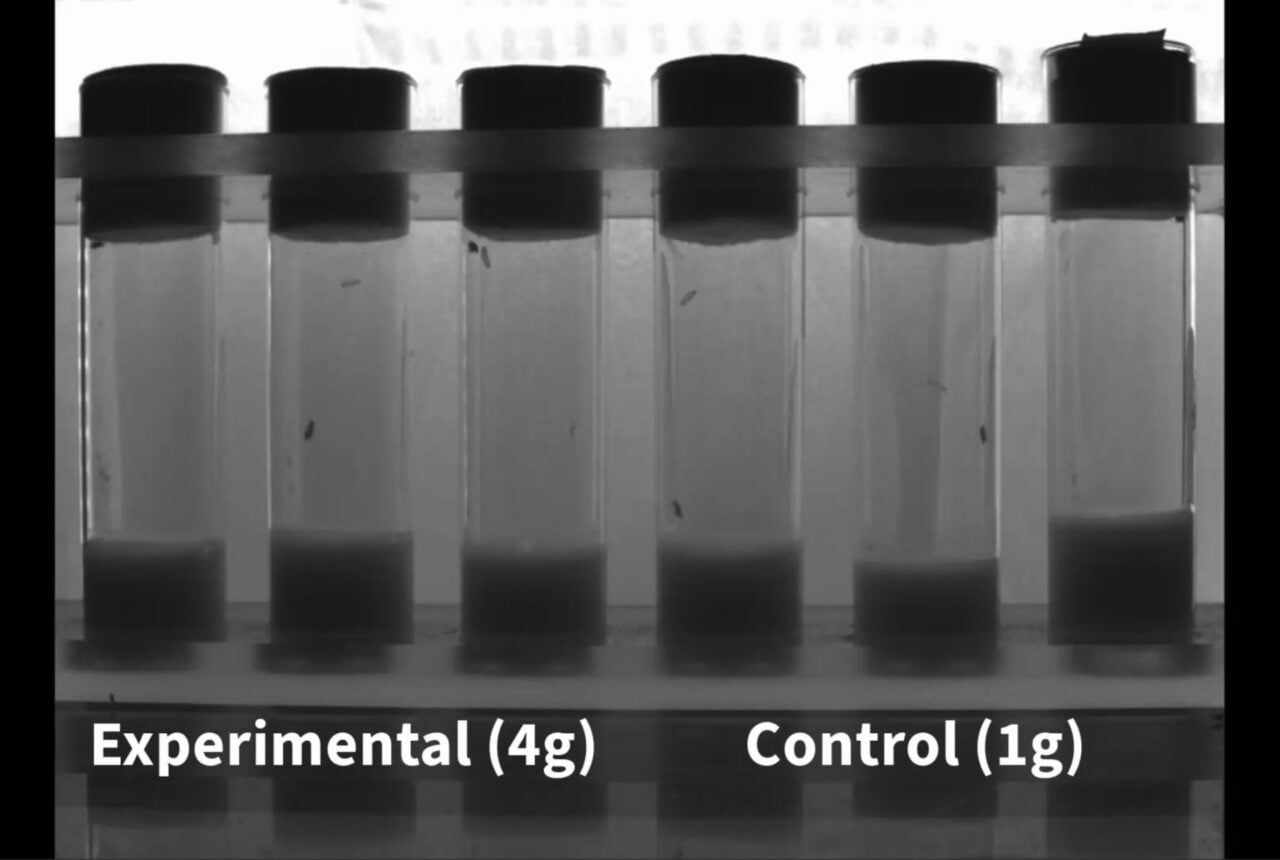
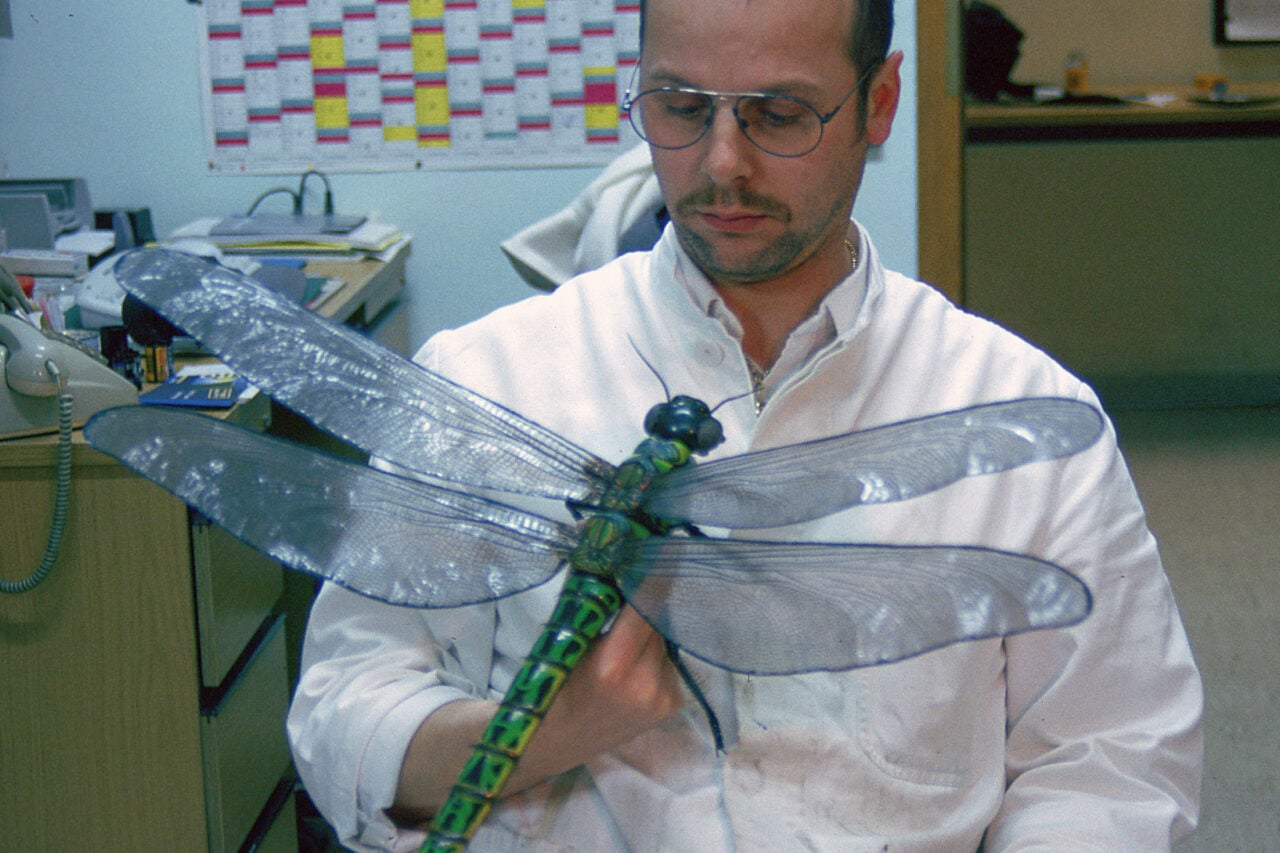
We're now back to square one on understanding how ancient insects were able to grow so monstrously large.
Three's a crowd: Tree, beetle, and fungus don't get along, but they're surviving together.
The findings hint at the creeping presence of microplastics near the South Pole, researchers suggest.
The color, likely caused by a genetic mutation, is lovely to behold but unfortunately detrimental to the critter's chances of survival.
What can we say? Nature is scary.
An entomologist answers your questions about the Joro invasion this fall.
The "worm-charging mechanism" of parasitic nematodes illustrates the wildest physics on the tiniest scales.
The amber fossils preserve an impressive array of ancient bugs and plants that scientists are using to piece together a previously unknown Cretaceous ecosystem.
Queen Iberian harvester ants are capable of storing and cloning the sperm from a cousin species, spawning hybrid offspring to take on the hard work of keeping the colony intact.
Sheetweb spiders don't immediately pounce on fireflies caught in their webs, and for good reason, according to new research.
Wildlife experts in Australia have discovered a new giant stick insect, and it’s the largest, heaviest insect ever found in the region.
Researchers put a sensor at the entrance of beehives to register each time the pollinators entered or exited, and how long they were gone.