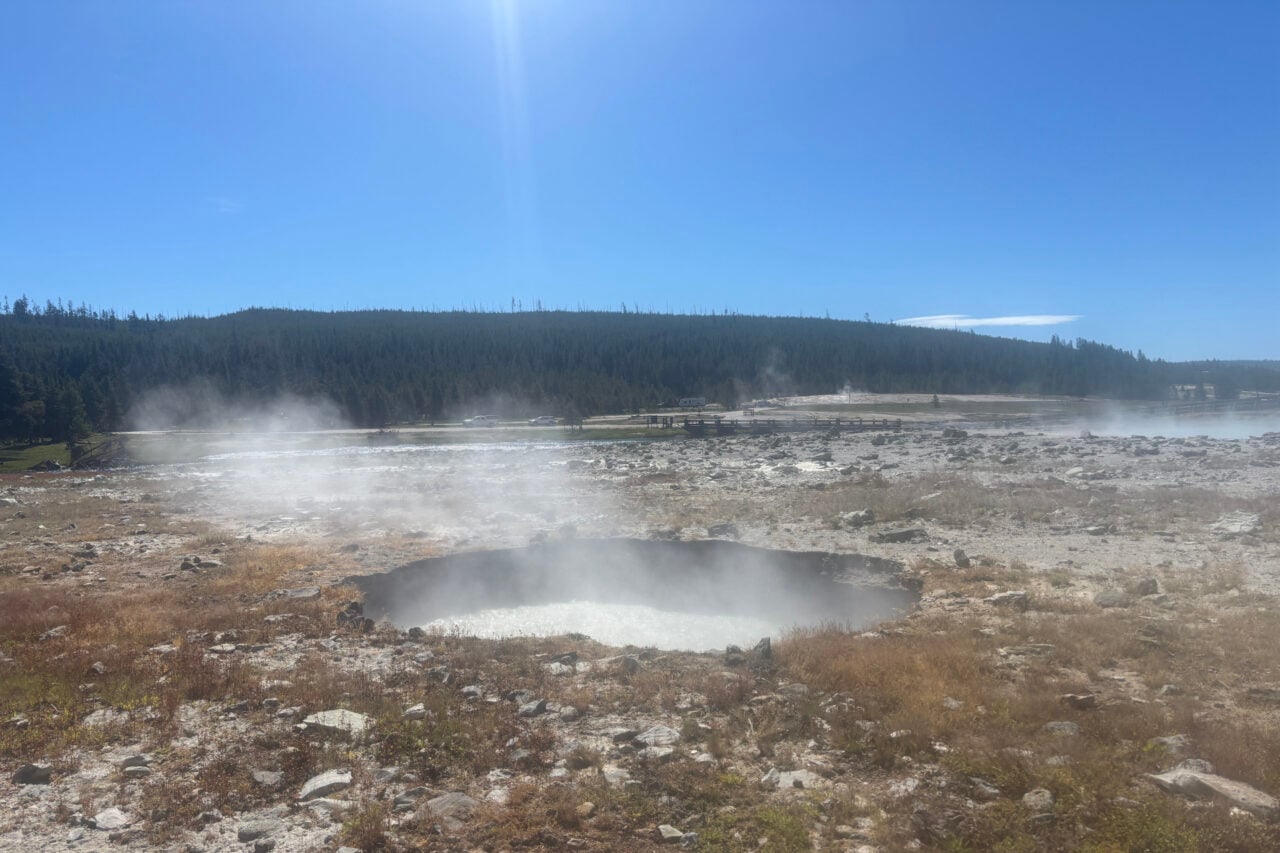
The geyser is likely to fall back into dormancy soon, but there's a slim chance the spectacular eruptions will continue into summer.
Without the blobs, Earth would be “magnetically dead,” the researchers said.
The Green River may have had some help from a dripping crust.
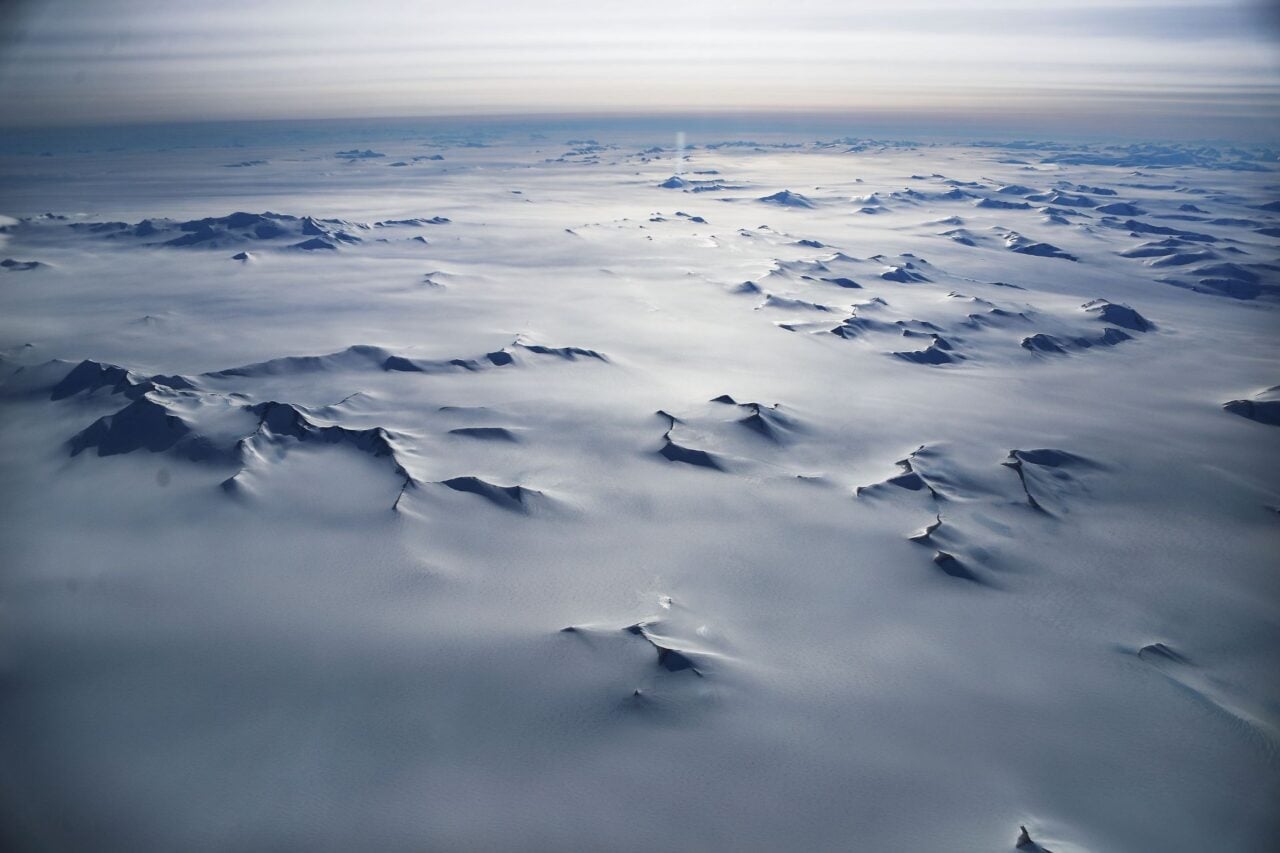
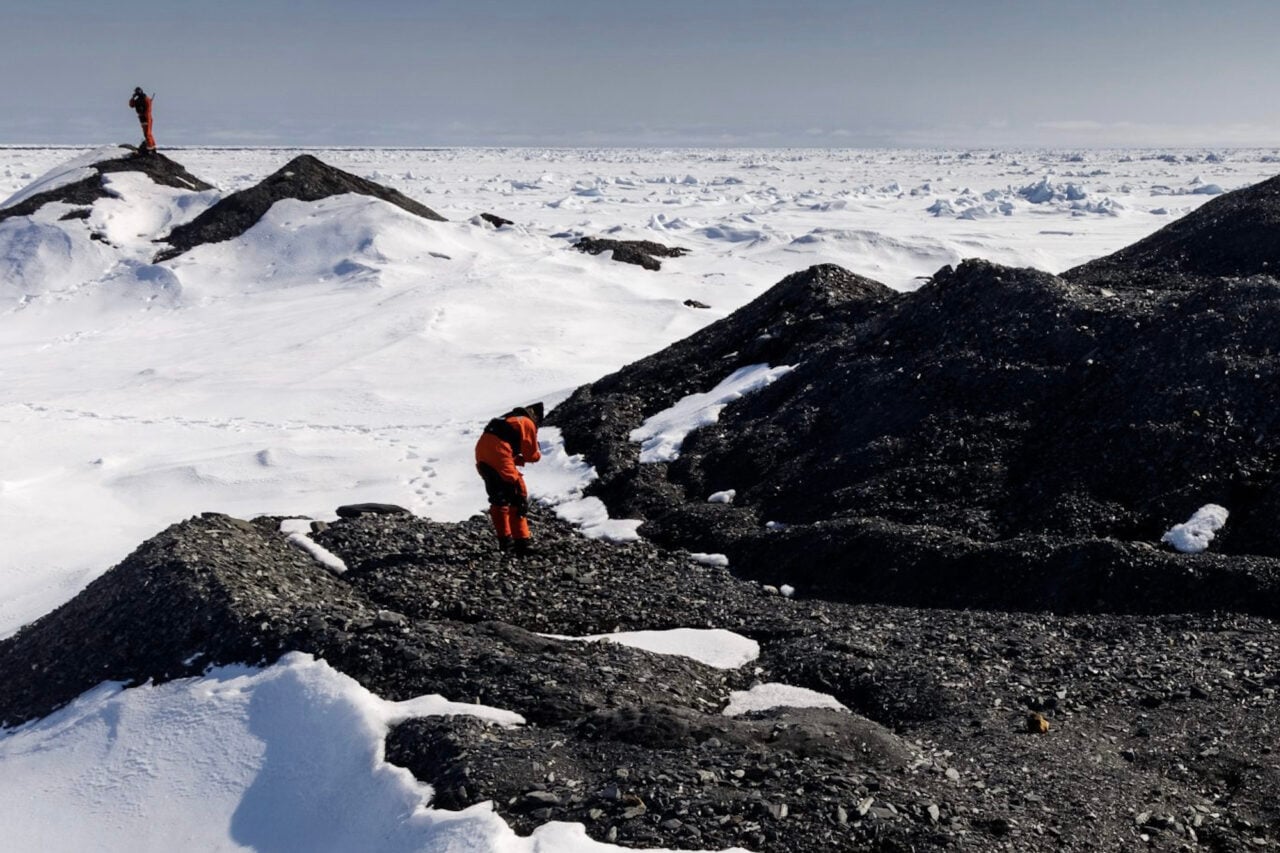
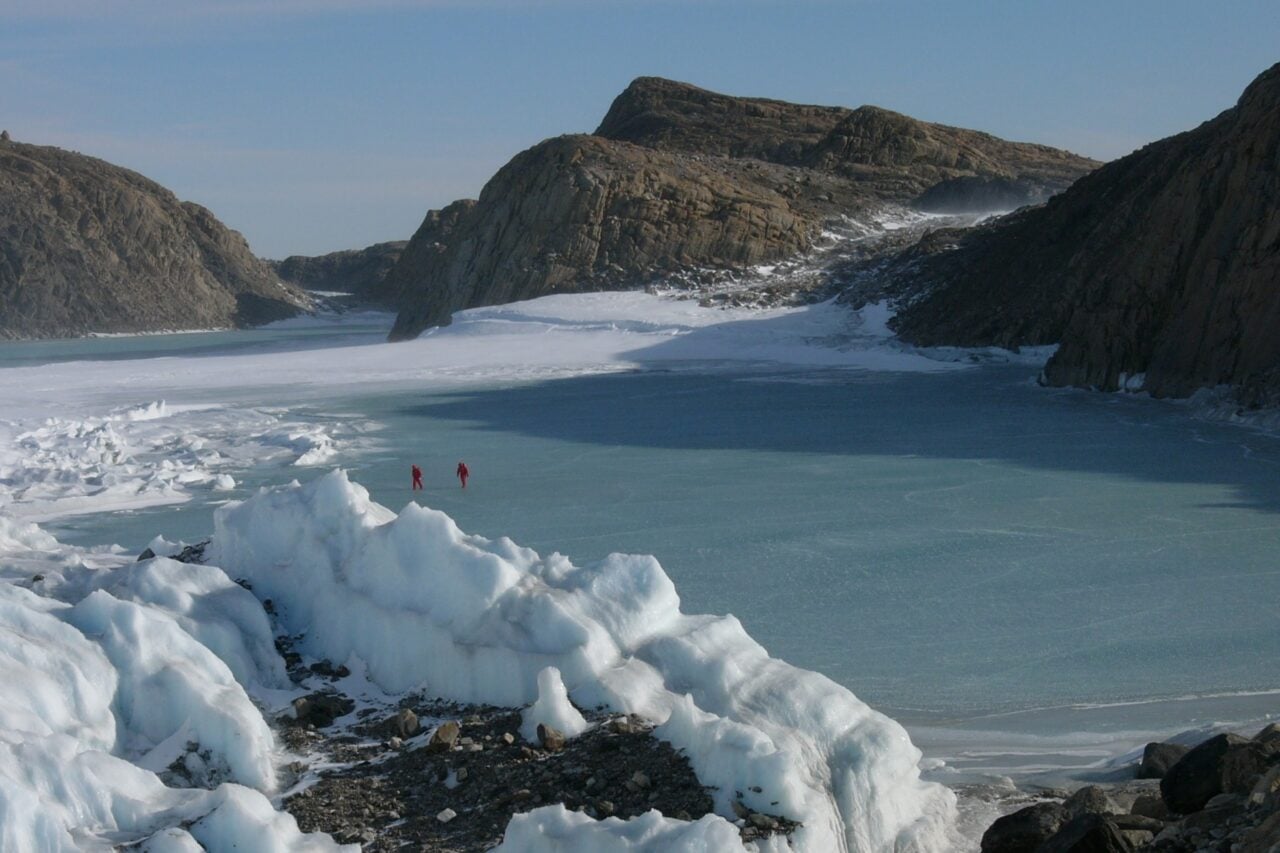
The ice sample, retrieved in Antarctica, is the oldest on record—but this discovery may just be tip of the iceberg.
Rock layers deposited before and after the major dinosaur extinction event 65 million years ago are surprisingly different.
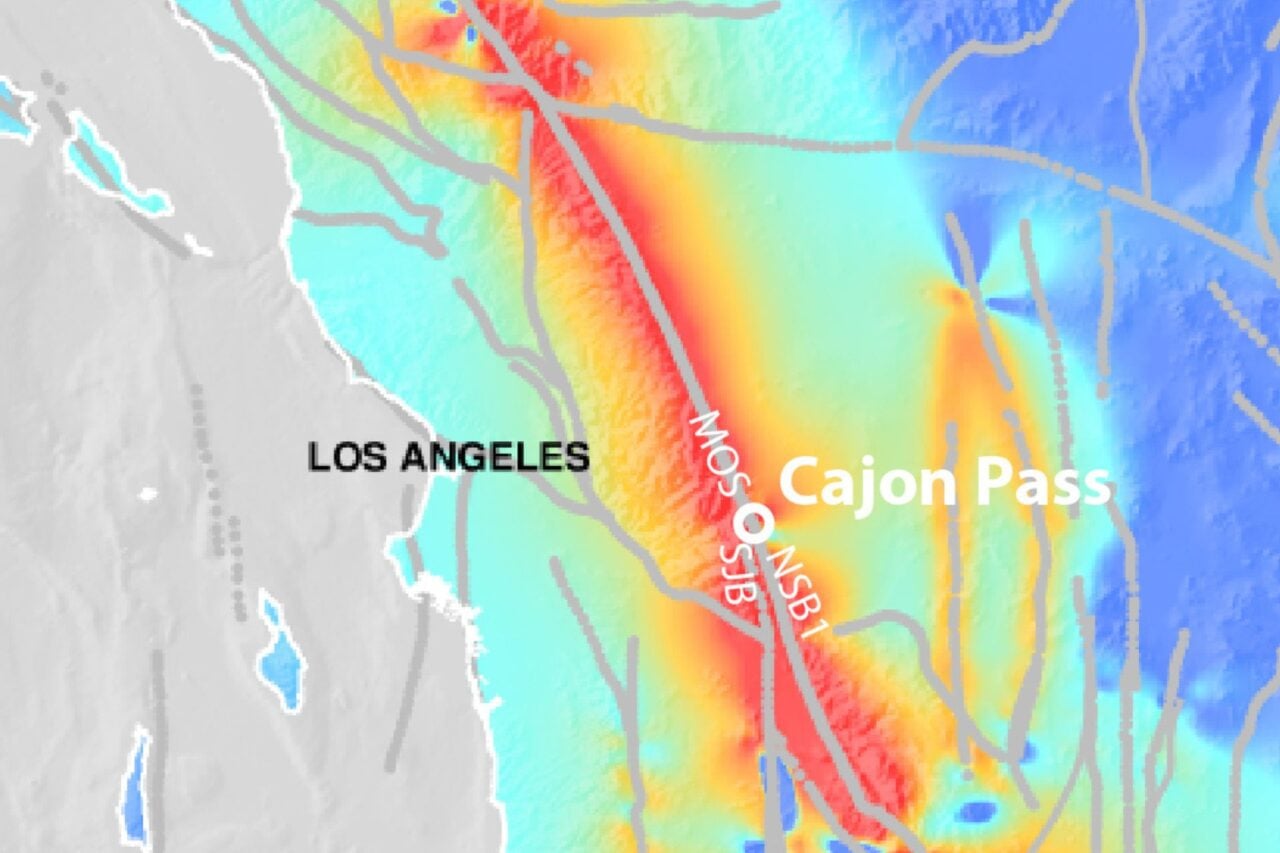
A miniature quake-in-a-lab enabled scientists to quantify an earthquake’s energy dynamics for the first time.
We're starting to stash our planet-warming carbon emissions beneath the seafloor, but we might have to take these strange mounds of underground sand into account.
Studying this ancient space rock will help scientists prepare for larger, more dangerous asteroid impacts.
New research suggests Earth's lithosphere is dripping rocks like lava lamps.
Rocks older than 4.03 billion years could shed light on Earth's earliest geological history, but they're incredibly rare.
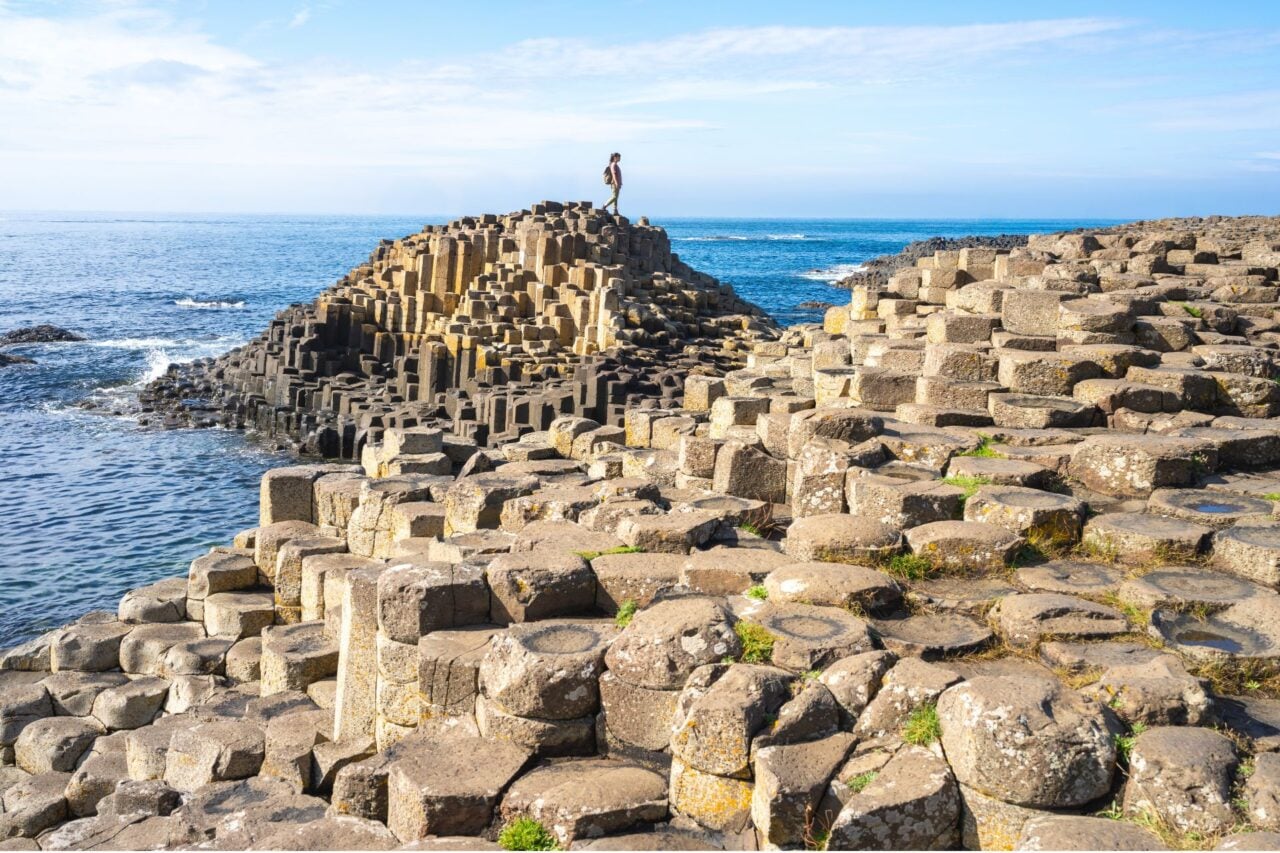
From Parisian bridges to Rome's Trevi Fountain, tourists love leaving behind mementos—but in Northern Ireland, they're eroding a 60-million-year-old landmark.
A seemingly out-of-place boulder in Tonga hints at a massive tsunami that hit the region 7,000 years ago.
Researchers warn that current land management models don't account for accelerated, human-driven rock formation processes.
Cores extracted from the impact crater revealed evidence of an ancient, life-nurturing hydrothermal system in the wake of the catastrophe.
The Palos Verdes Peninsula is sliding by much as 4 inches (10 centimeters) per week, putting hundreds of buildings at risk.
Researchers identified geological features that point to a single massive flooding event that refilled the Mediterranean Sea 5.33 million years ago
If the cartoons said it, it must be true.
Six unusual earthquakes shook Mount Adams in September, but it's too soon to speculate about a potential eruption
The world's tallest peak has inched above its peers, and now researchers think they have an explanation.
Underground methane blasts are behind Siberia’s puzzling exploding craters, according to new research.