



If confirmed, it would be the first homegrown case reported in the state in over three decades.
They may look like real-life jackalopes, but these rabbits owe their peculiar appearance to an infection caused by a cousin of the human papillomavirus.
Several states have reported higher than normal cases of Vibrio vulnificus, a bacterium found in coastal waters.
Residents in five zip codes across Central Harlem are being advised to seek immediate medical care if they develop flu-like symptoms.
Sea star wasting disease causes sea stars to decay and die, often within days.
At least 22 cases and one death have been documented in Central Harlem since last week.
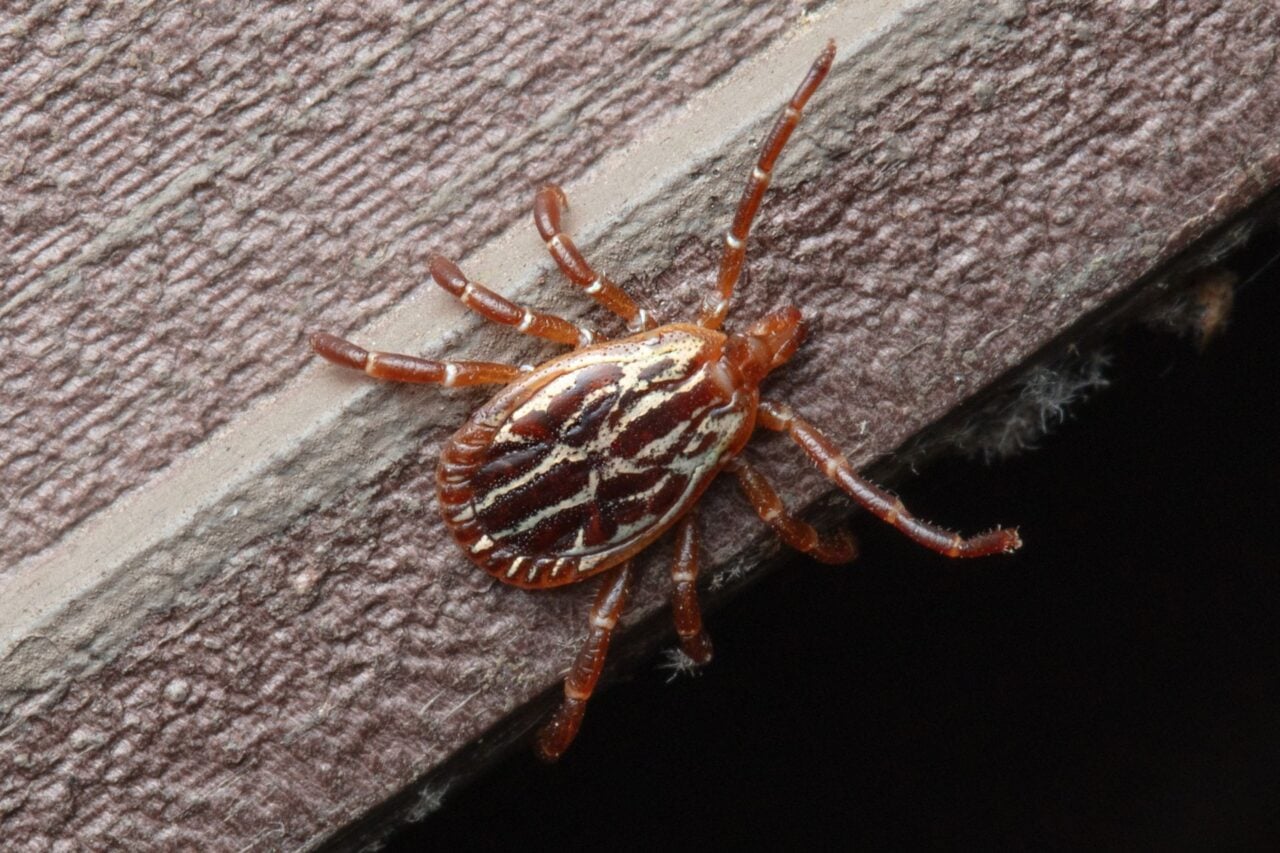
Ticks and the diseases they carry are only becoming more common. But new treatments and vaccines might not be too far off.
A woman in her 50s died from a rare complication of the bacterial STI this spring, the latest in a recent spike of similar cases in the state.
The 56-year-old woman was hospitalized with an infection along her left arm's joints, tendons, and skin.
The latest covid variant, NB.1.8.1, is spreading fast and could fuel a summer surge.
Cases of Naegleria fowleri infection are incredibly rare, but nearly always fatal.
PIC's gene-edited pigs are highly resistant to one of the most harmful viruses affecting pig populations worldwide today.
The Integrated Research Facility is one of the few labs in North America where scientists can safely study BSL-4 pathogens like the Ebola virus.
Doctors in the UK and other countries have reported a rise in cases of necrotizing fasciitis.
Only around 100 cases of brucellosis are reported annually in the U.S., even fewer of which involve feral pigs.
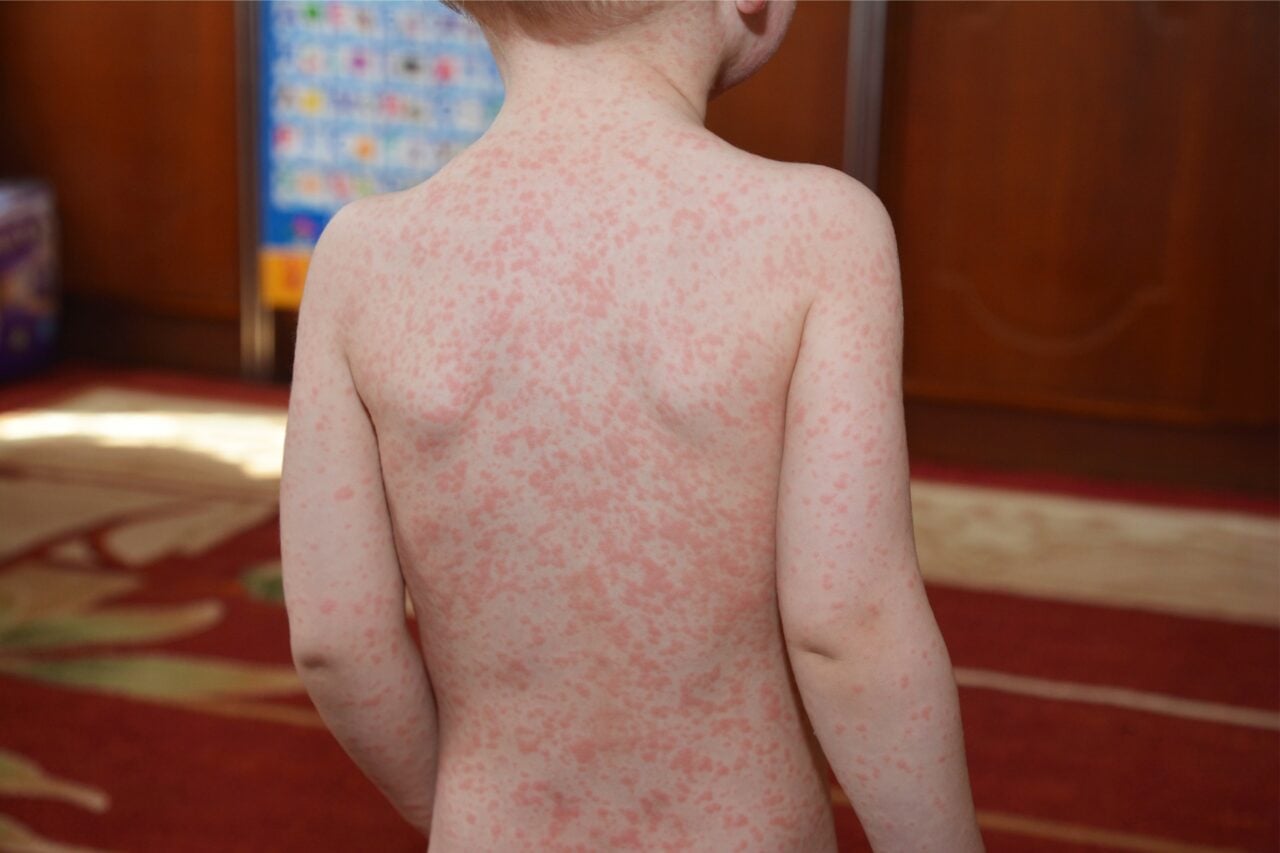
A joint WHO/UNICEF report this week shows that measles has made a dramatic comeback across Europe and Central Asia.
124 cases and 18 hospitalizations from measles have been reported in Texas and New Mexico, though the true tally is likely higher.
WHO officials have identified two outbreaks of a mystery illness in the area that has sickened hundreds and killed over 50 people to date.
Scientists in China have found a new coronavirus in bats that could possibly infect humans, but the risk remains low for now.
Health officials in Wisconsin and Minnesota have documented a rare case of donor-derived ehrlichiosis.