




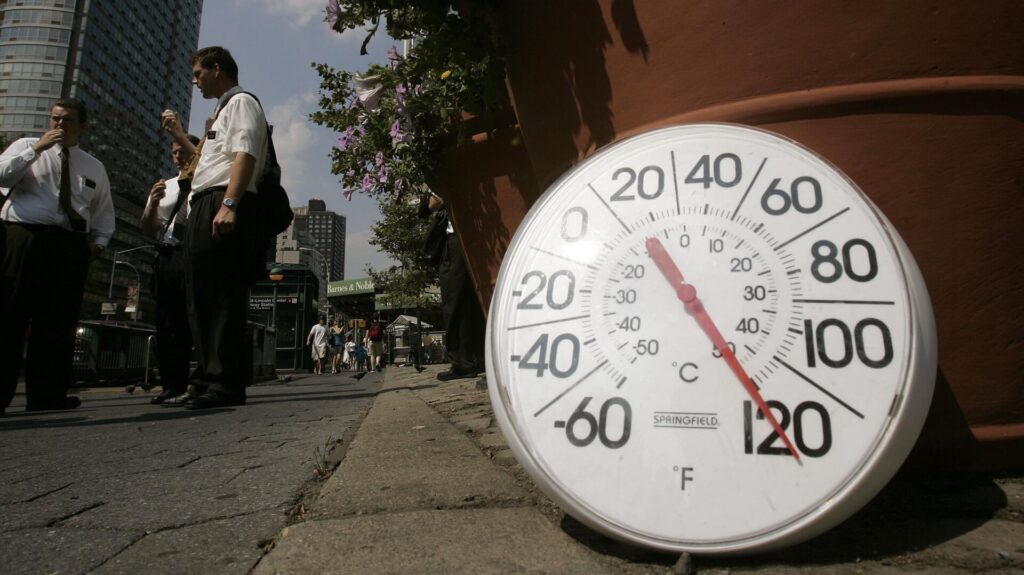
The lone star state’s heat is going to feel hotter than usual, thanks to the combination of heat and humidity.
By 2100, about 22% of the world will be pushed out of a "climate niche" where humans can thrive, new research finds.
If this is a sign of what's to come, the U.S. West is in for another dangerously hot summer.
Laborers stopped working by 10 a.m. amid a dangerous heat wave.
The tech behemoth will now offer more location-specific info on heatwaves in its search engine results, along with new climate tools for city planners.
Widespread drought, deadly monsoons, and record-breaking temperatures swept the globe this year.
The planet was on fire this summer, especially in areas that had little to no access to air conditioning.
A Labor Day heat wave is taxing the power grid and emergency services in the state.
Some areas will see temperatures as high as 124 degrees Fahrenheit (51 Celsius).
Sky-high temperatures in July broke records in cities across the U.S. and Europe.
Escape the oppressive summer heat by watching these scorching dramas.
The usually mild region is not accustomed to high temperatures.
About 60 million people in the U.S. are under some sort of heat alert this week.
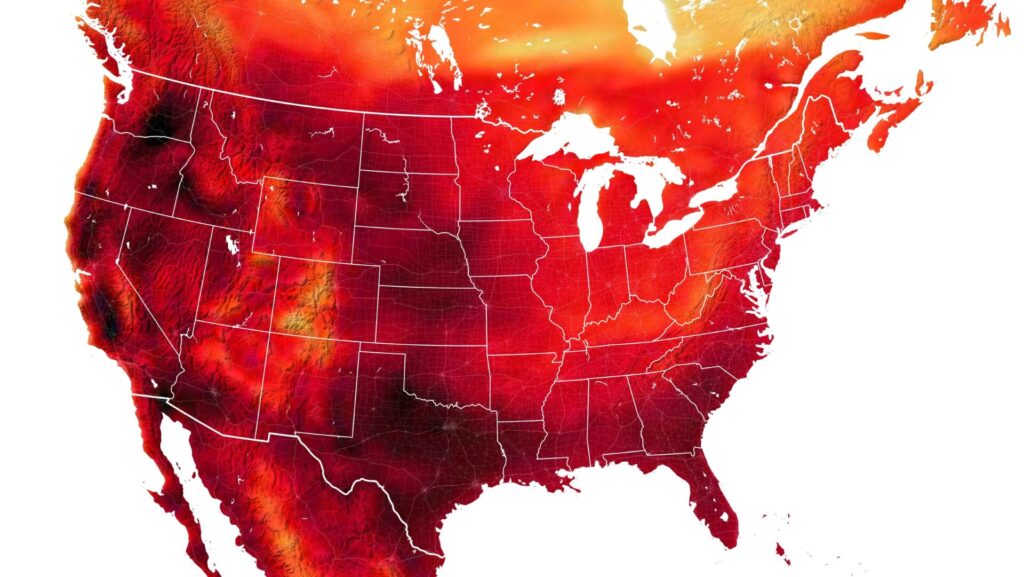
Sections of the Southwest, Midwest, Great Plains, and Southeast are all facing high temperatures this week. 20% of the population could encounter triple digits.
From California to Texas, 100+ highs are forecast to persist into the weekend, affecting millions of people.
It's not just heat exhaustion and stroke that harm people when temperatures rise. Researchers found that hot days drove mental health crises as well.
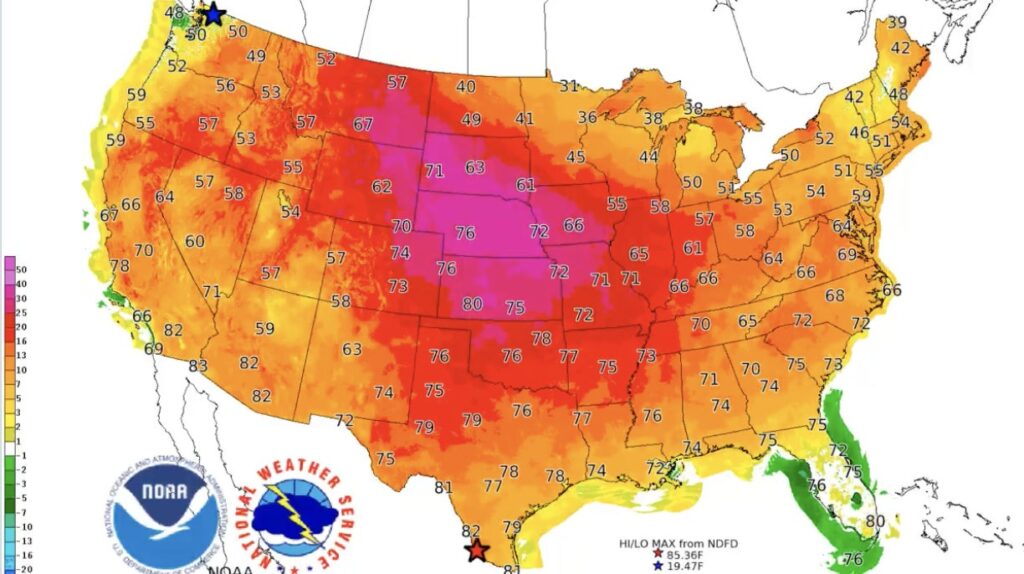
As much as a third of the continental U.S. experienced highs of over 70 degrees Fahrenheit this week.
The U.S. saw its hottest summer ever recorded as blistering heat roasted multiple regions of the country, according to new government data.
The move could help draw attention to the dangers posed by extreme temperatures, one of the hallmarks of the climate crisis.
An estimated 1.7 million deaths worldwide in 2019 were linked to too much cold or heat, a new study finds.