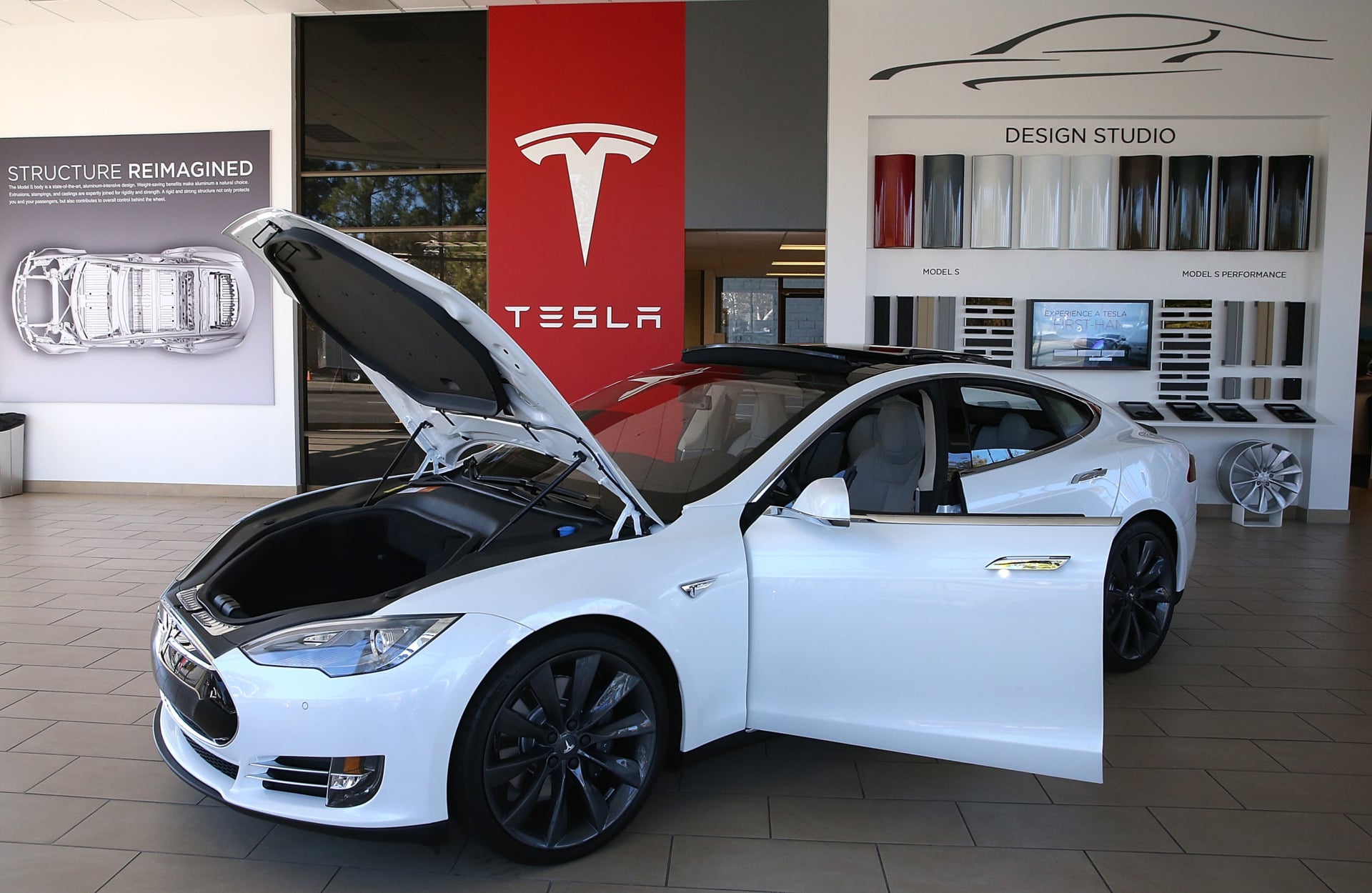
Tesla is making buyers of its farewell Signature Edition Model S and Model X cars sign a strict no-resale agreement that carries a penalty of at least $50,000.
The EV maker announced last week that it will produce a very limited run of the vehicles as a send-off ahead of their discontinuation this year.
Electrek reports that anyone who wants to buy one of the EVs must agree to terms that restrict resales during the first year of ownership. Under the agreement, buyers are not allowed to sell or even attempt to sell the vehicle within 12 months of the delivery date without Tesla’s approval.
If an owner needs to sell the car for unforeseen reasons, they must first notify Tesla in writing and give the company the option to buy it back. Tesla says it would repurchase the vehicle at the original price, minus $0.25 per mile driven, along with the cost to refurbish the car.
If Tesla declines to repurchase the car, it may still allow the owner to move forward with a third-party sale but only with prior written approval from the company.
Violating the agreement could be costly. Tesla says it may seek liquidated damages of $50,000 or the price of the resale, whichever is greater. The company also warns it could ban any violators from purchasing Tesla vehicles in the future.
Tesla did not immediately respond to a request for comment from Gizmodo.
IGN Senior Executive Editor Ryan McCaffrey posted on X last week that the company began sending out email invites for the limited-edition cars last week. McCaffrey wrote that Tesla is producing only 250 Model S units and just 100 Model X units, all in Garnet Red paint with gold accents and a white interior.
Both vehicles are priced at $159,420 and come loaded with Tesla’s Luxe Package, which includes Full Self-Driving (Supervised) and lifetime Supercharging.
The farewell editions were announced after CEO Elon Musk told investors in January that the company is killing the Model S and Model X this year.
“We expect to wind down S and X production next quarter and basically stop production,” Musk said on the call. “That is slightly sad, but it’s time to bring the S and X programs to an end, and it’s part of our overall shift to an autonomous future.”
The move appears to be part of Tesla’s broader effort to free up space at its Fremont, California, facility as it pushes ahead with plans to manufacture robots.
Resale restrictions like this aren’t unheard of in the world of ultra-luxury and collector cars. It’s also not the first time Tesla has tried to crack down on flipping.
Electrek notes that Tesla introduced a similar clause when it first launched the Cybertruck, barring early buyers from reselling their vehicles. The company quickly faced backlash, briefly walked back the policy, then reinstated it weeks later. The restriction was ultimately dropped in 2024 as supply caught up with demand.
While Tesla never publicly enforced the $50,000 penalty, some Cybertruck owners reported being blacklisted from purchasing future vehicles, according to Electrek.
Whether Tesla will actually enforce the agreement this time around remains to be seen.