Mobile World Congress, or MWC for short, is like CES or IFA—but focused on mobile announcements. That means new phones, tablets, wearables, and accessories that help while you’re on the go. But MWC 2026 features some big changes: In addition to new versions of touchscreen slabs that fit in your pocket, phone makers like Xiaomi and Honor are showing up with EV supercars, electric scooters, and humanoid robots. It’s a not-so-subtle nudge that the definition of “mobile” is evolving beyond a glass screen—into mobility, specifically transportation and personal robotics.
Gizmodo isn’t on the ground in Barcelona this year, but we’re still paying close attention to what’s coming out of MWC 2026. Check back often to see our highlights of the best and weirdest tech announced each day.
Forgot a Lighter at Home? Just Use Your Phone
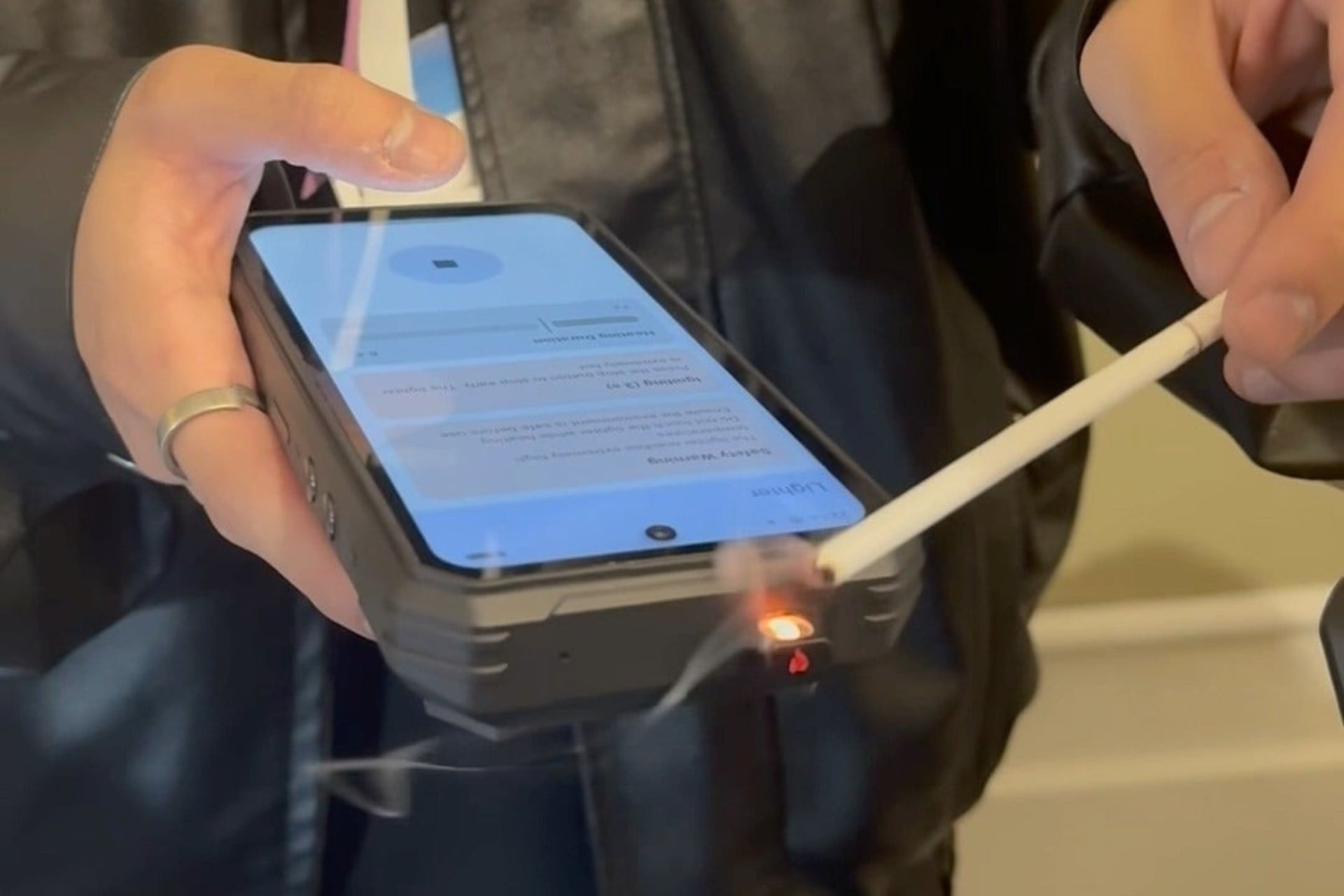
MWC is great in a lot of ways, but one of the reasons I love it is that it’s often an exercise in how many things you can shove phone capabilities into or how much you can shove into a phone, and the Oukitel WP63 is a perfect example.
This hyper-rugged phone, if you can even call it a phone, has a 20,000mAh battery, reverse charging, and 512GB of storage, but the flashiest thing it does (no pun intended) is… create fire. While most phones can only do that unintentionally through their batteries exploding, this one has a pop-out coil that heats up like a cigarette lighter to burn sticks and what have you. Great for camping or arson, whichever tickles your fancy. —James Pero
El celular con encendedor integrado 🤯 el Oukitel WP63🔥¿Lo comprarías?
🔋 Batería de 20,000 mAh
🔥 Encendedor electrónico integrado para camping o emergencias
💡 Luz de camping brillante
🔌 Puede cargar otros dispositivos mediante USB-C (18W)
🛡️ Resistencia IP69K +… pic.twitter.com/MbjfEKUdFA— Carlos Vassan (@Carlos_Vassan) March 4, 2026
Somebody Out There Still Cares About Slim Phones
Both Apple and Samsung are unlikely to offer any hope of a new ultra-thin phone. The Galaxy S25 Edge and iPhone Air didn’t set the world on fire in 2025 like Samsung or Apple likely hoped. Both phones were hindered with smaller-than-typical batteries and limited cameras. Last year, Chinese phone brand Tecno brought its Slim phone to IFA 2025. It features a larger battery than either Apple’s or Samsung’s phones and is still very slim (though not technically as thin as the competition).
Tecno Slim2
The world's narrowest concept machine At MWC 2026.
The bezel is only 0.7 mm.
The thickness is only 5.49mm.
Battery 6150 mAh.
It's a concept phone, so we don't have to expect it to go into mass production one day.
But at least we get a glimpse of what the 0.7mm bezel… pic.twitter.com/8tYb3frRDM— Ice Universe (@UniverseIce) March 5, 2026
For MWC, Tecno has a new version of its thin phone, the Slim 2, which measures at 5.49mm thin. That’s even more compact than the 5.93mm of Tecno’s first “Spark Slim.” What’s more, it has some extremely thin bezels that measure out at 0.7mm. Tecno claims it still managed to include a 6,150mAh battery. Whether anybody truly needs a phone this thin is another question, though Tecno is showing us the biggest names in phones still have some room to grow, or shrink. —Kyle Barr
We’ve Had Rollable Laptops, So Why Not a Rolling Phone?
I still have a soft spot for rolling laptops thanks to Lenovo’s ThinkBook Plus Gen 6 Rollable. That doesn’t mean the only kind of rollable screen needs to exist inside a large laptop lid. For Samsung, that means sticking a sliding mechanism inside a compact smartphone. The concept relies on users pulling out both parts of the phone to expand the screen. The display is normally 5.1 inches, but it expands to 6.7 inches, or close to your typical smartphone screen. Android Authority said Samsung’s “Mobile Slidable” could also open with a button, though that either wasn’t available in the device or it wasn’t a feature available for MWC.
Is this a future Samsung SLIDABLE phone?! 😃 #mwc2026 #samsunggalaxy pic.twitter.com/OQTjRSZh1B
— Android Authority (@AndroidAuth) March 4, 2026
While Samsung wasn’t quick to describe how it worked, it likely features a flexible screen akin to the Galaxy Z Fold 7. Instead of folding, the mechanism likely rolls out the extra screen space when you pull it apart. The phone seems far thicker than the typical slab device we’re so used to sticking in our pockets. However, being more compact could be a boon for anybody wearing jeans with extremely short pockets. —Kyle Barr
Dot Matrix Displays, This Time With More Ferrari Flavoring
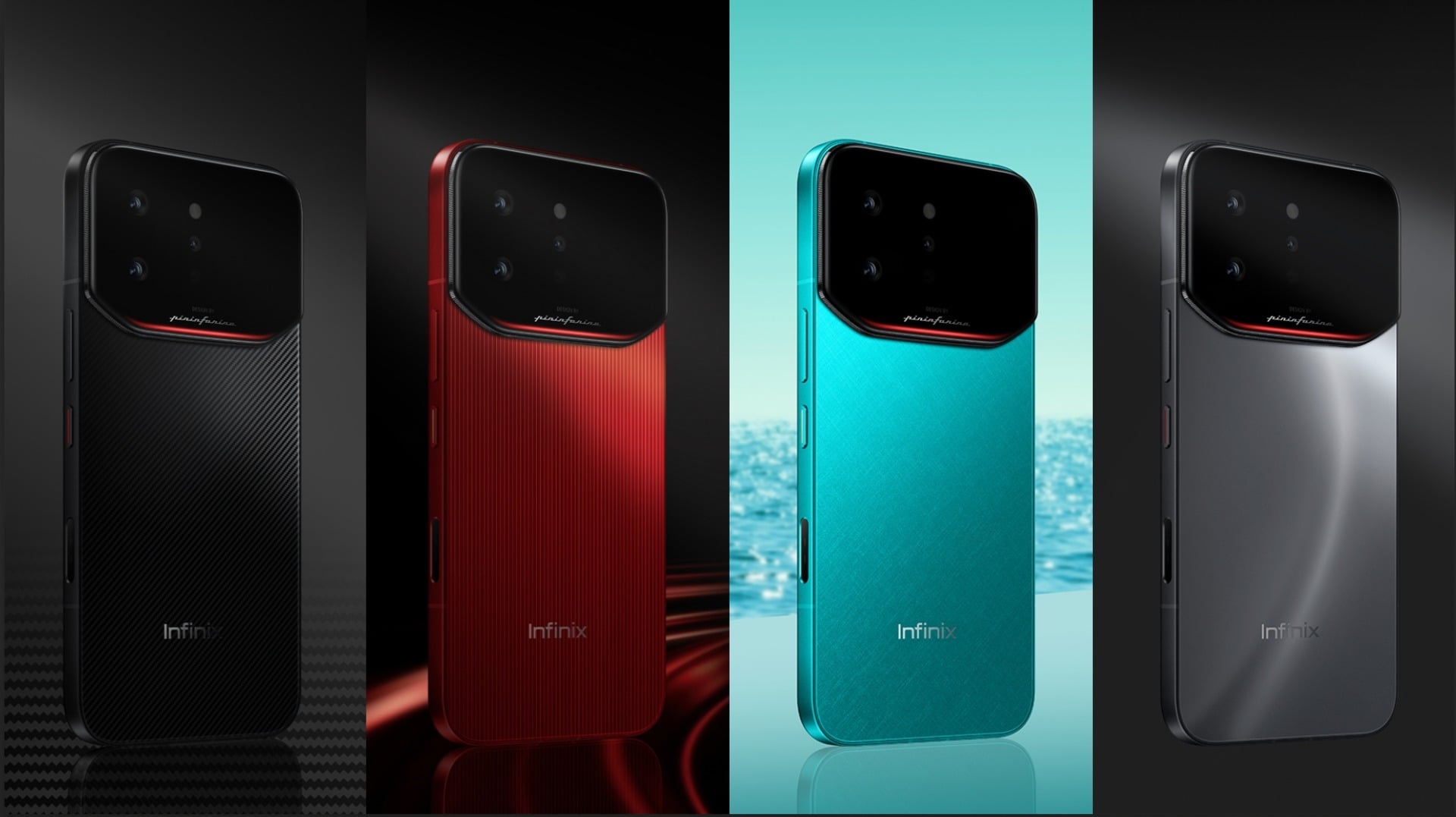
We keep seeing more and more companies that seem to think we spend much, or any, time staring at the back of our smartphones. There are more devices with dot matrix displays, like Asus ROG Phone 9 and—more recently—the Nothing Phone 3. Infinix, a Chinese smartphone brand, is making these small LED displays even odder with the addition of some sports car design ethos.
Infinix NOTE 60 Ultra 🔥 Designed in collaboration with Pininfarina Italian car design firm
• 200MP camera with up to 100x periscope zoom
• MediaTek Dimensity 8400 Ultimate
• 7000mAh silicon-carbon battery with 100W fast charging + 50W wireless charging.
• 6.78″ 1.5K AMOLED… pic.twitter.com/J4Z4PI6zvS— AhMad 𝕏 Ansari (@Ahmadansari2233) March 4, 2026
The company’s new Note 60 Ultra phone was created in part by Pininfarina, an Italian design firm best known for its work with automakers—notably Ferrari. Already, you can see the car-like design ethos at work thanks to the large pane of glass covering up the camera bumps. There’s a programmable dot matrix display to the right of those cameras, looking less like a screen and more like an 8-bit character hanging out in a black void. Pininfarina put its logo at the bottom of this Corning Gorilla Glass Victus cutout, as if you should ever forget who designed this device.
The phone itself is a single unibody aluminum design. The device runs on a MediaTek Dimensity 8400 Ultimate chip and comes packed with 12GB of RAM. It also makes use of a 200-megapixel main camera sensor and a 50-megapixel periscope telephoto lens. Currently, the phone is only available in Malaysia. Perhaps this Ferrari phone can find means of driving out to other parts of the globe as well. —Kyle Barr
Finally, You Can Call Your Pets
Have you ever been at work and thought, “I wish I could call my cat right now”? I sure have (I’m sick), and luckily, a company called GlocalMe is on the case. This little device hooks onto your pet like a collar and enables two-way calls, meaning your pet can hear your voice and respond. They can also call you by jumping a few times? I’m a little fuzzy on how the whole thing works, but GlocalMe claims its pet phone is supported by more than 390 carriers and comes with a “cloudSIM,” so it doesn’t have to be hooked up to Wi-Fi necessarily. Great for when you send your dog to the store and he wants to know how many bacon packages to eat on the way back. —James Pero
🐶📱 Le “PetPhone” : un smartphone pour animaux
Au Mobile World Congress, l’entreprise GlocalMe a présenté le PetPhone, un appareil connecté fixé au collier qui permet aux animaux de compagnie de communiquer avec leurs propriétaires.Ce dispositif utilise capteurs, IA et… pic.twitter.com/XGBL951o9r
— Heritier Ndangani (@Heritier_Ndanga) March 4, 2026
Did Someone Order a Tank?
Unihertz might be getting shine for its BlackBerry dupe in (not) Cosmic Orange, but it’s not all QWERTY keyboards and nostalgia for them. Unihertz also means business, and that business is the Tank 5 Pro. This absolute unit of a phone is apparently the “world’s first smartphone equipped with a 50-MPthermal camera powered by the FLIR Lepton 3.1R, radiometric long-wave infrared (LWIR) module,” according to Unihertz. Because who doesn’t need some thermal imaging from time to time?
On top of that, it also has a projector for “versatile on-the-go entertainment” when you’re not out hunting big game like some kind of real-life Predator. In short, this is the phone you get airdropped to you after a kill streak in Call of Duty. —James Pero
キーボード付きのTitan 2 Eliteの脇で、全部のせタフネス機のUnihertz Tank 5 Pro も展示。
大容量バッテリー、プロジェクター、キャンプライト、サーモグラフィー撮影機能まで載せたゲテモノ
本体の重さが1kg近いので撮影していて腕がもげるwww pic.twitter.com/FzomyBfVQF
— はやぽん (@Hayaponlog) March 4, 2026
The Euros Still Want to Stick It to Big Tech
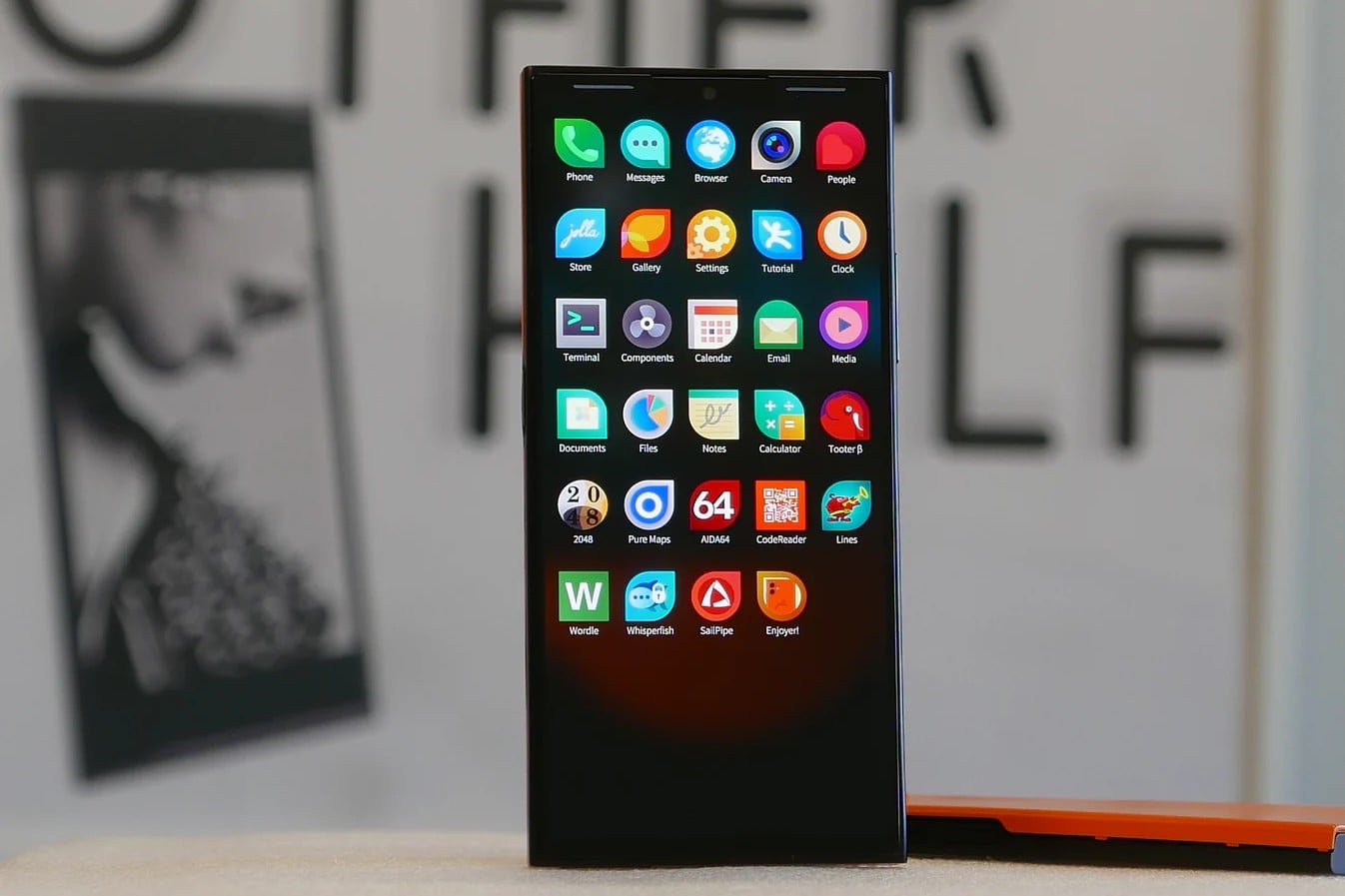
Are you tired of the fight between Android and iOS, and are you lucky enough to live in the EU? Perhaps you may be interested in a Linux phone. The Finnish company Jolla, a firm originally built by ex-Nokia engineers, is back with a new mobile device built on an operating system not managed by any stateside big tech firm. Which brings us to the Jolla Phone. It’s actually a revised edition of a separate Jolla Phone that first launched in 2020. The device runs Jolla’s own Sailfish OS, a slimmed-down version of Linux that adds in expected features like a phone’s main screen, an app drawer, and other amenities. It is technically capable of running some Android apps, but your mileage may vary.
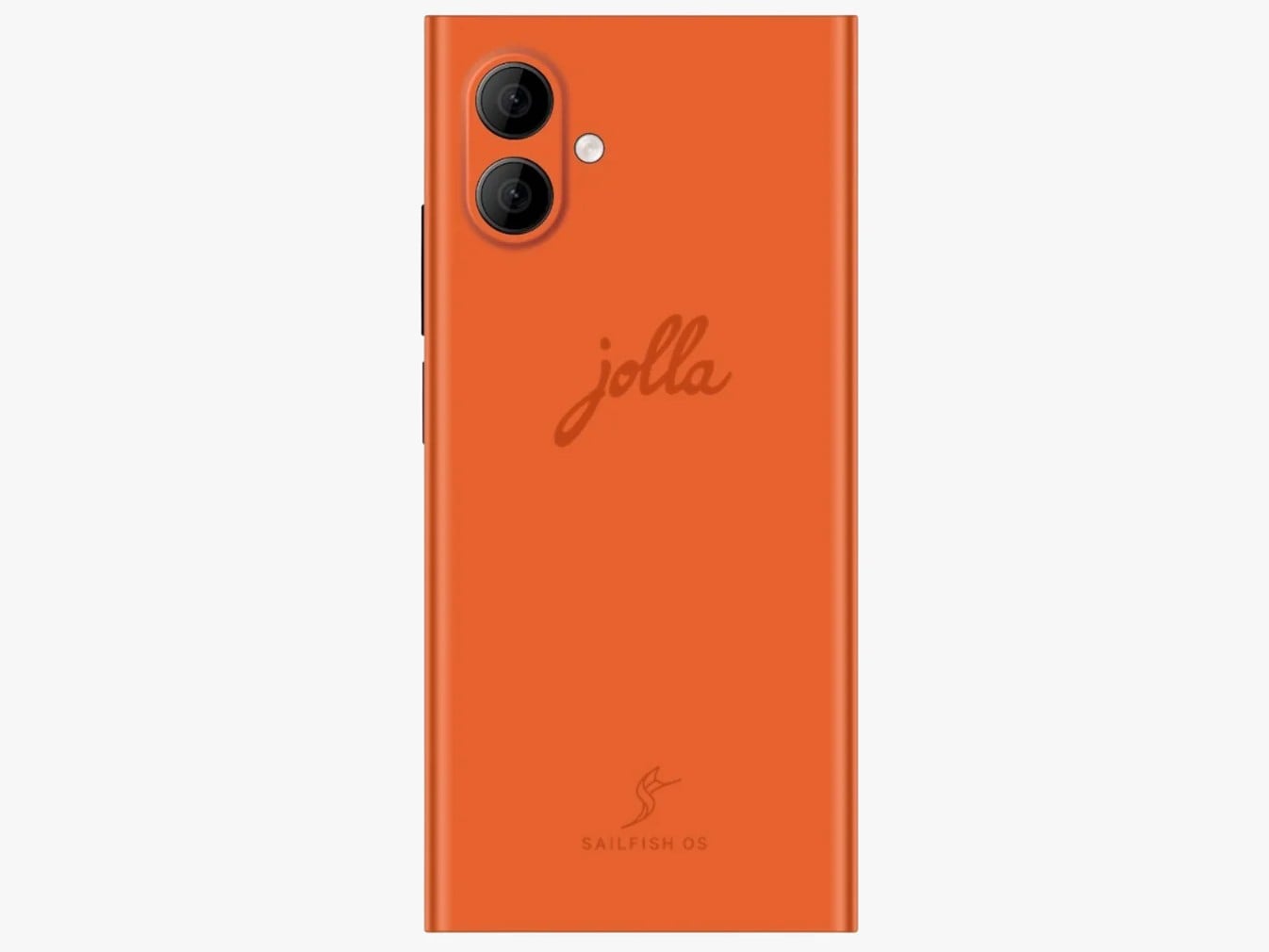
What’s more, the Finnish company is trying to position itself as the “European Phone.” Considering the general EU blowback to U.S. tech firms, especially their willingness to kowtow to the Trump regime, the device may strike a nerve. The smartphone costs 649 euros ($753) and is assembled in Salo, Finland, according to a report from Wired. If the phone proves successful this go-around, it may indicate just how far Europeans are willing to go to break from the U.S. big tech hegemony. —Kyle Barr
A BlackBerry In (Not) Cosmic Orange
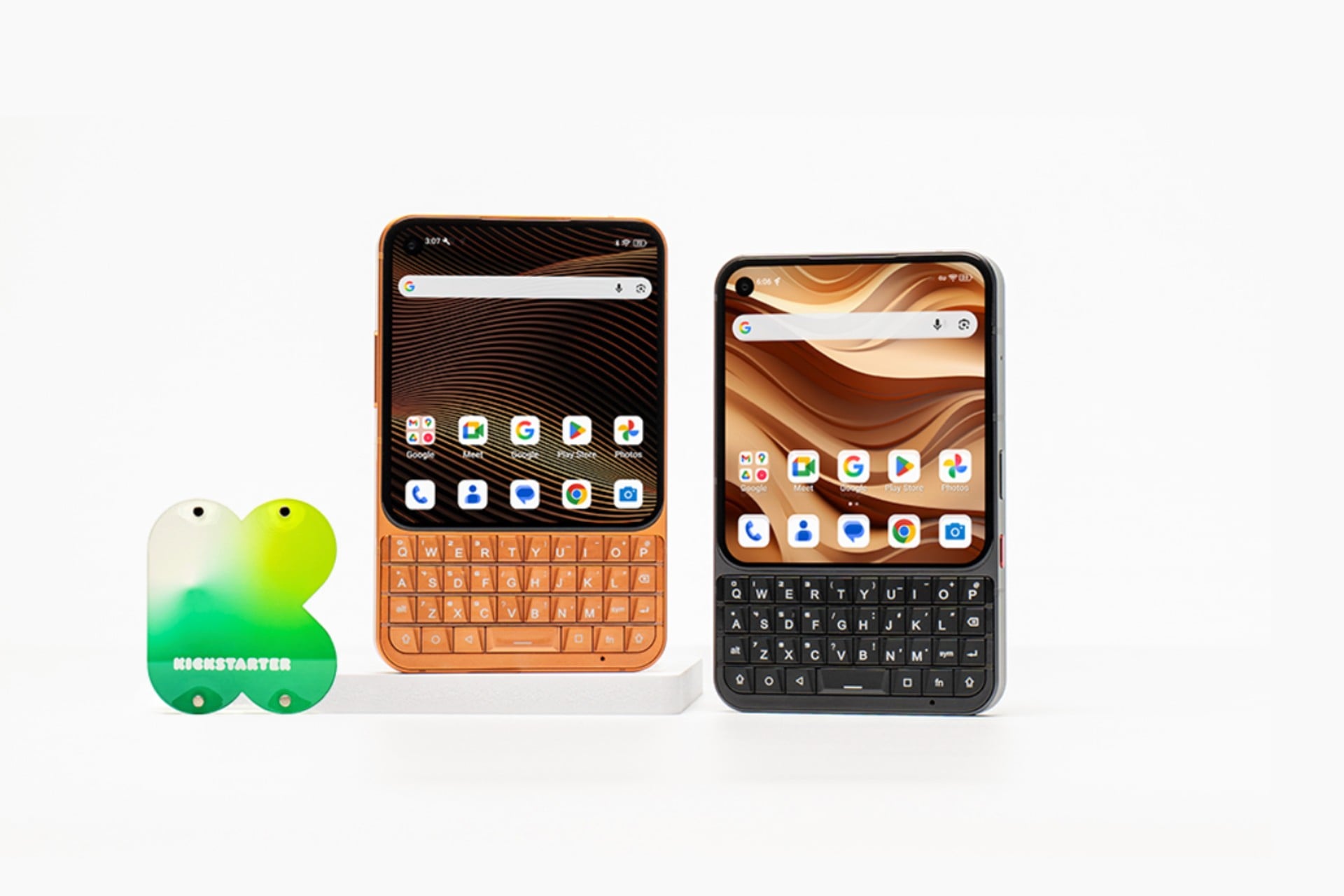
Everyone’s favorite BlackBerry redux is at MWC. Here’s the Unihertz Titan 2 Elite in a very cosmic orange-esque color. The highlight here is the QWERTY keyboard attached to a touchscreen. This isn’t Unihertz’s first BlackBerry knockoff, but it looks like its best so far. The Titan 2 Elite is being funded via a Kickstarter launching this month, so if you’re ready to relive your golden years in all of their physical button glory, your chance will soon arrive. —James Pero
I’m really excited for the Unihertz Titan 2 Elite! It was great seeing it in person today and getting to see a working unit. pic.twitter.com/4Jl9sUHV7t
— TechOdyssey | #TechRejects (@AdamJMatlock) March 2, 2026
Anyone Want an iFrog?
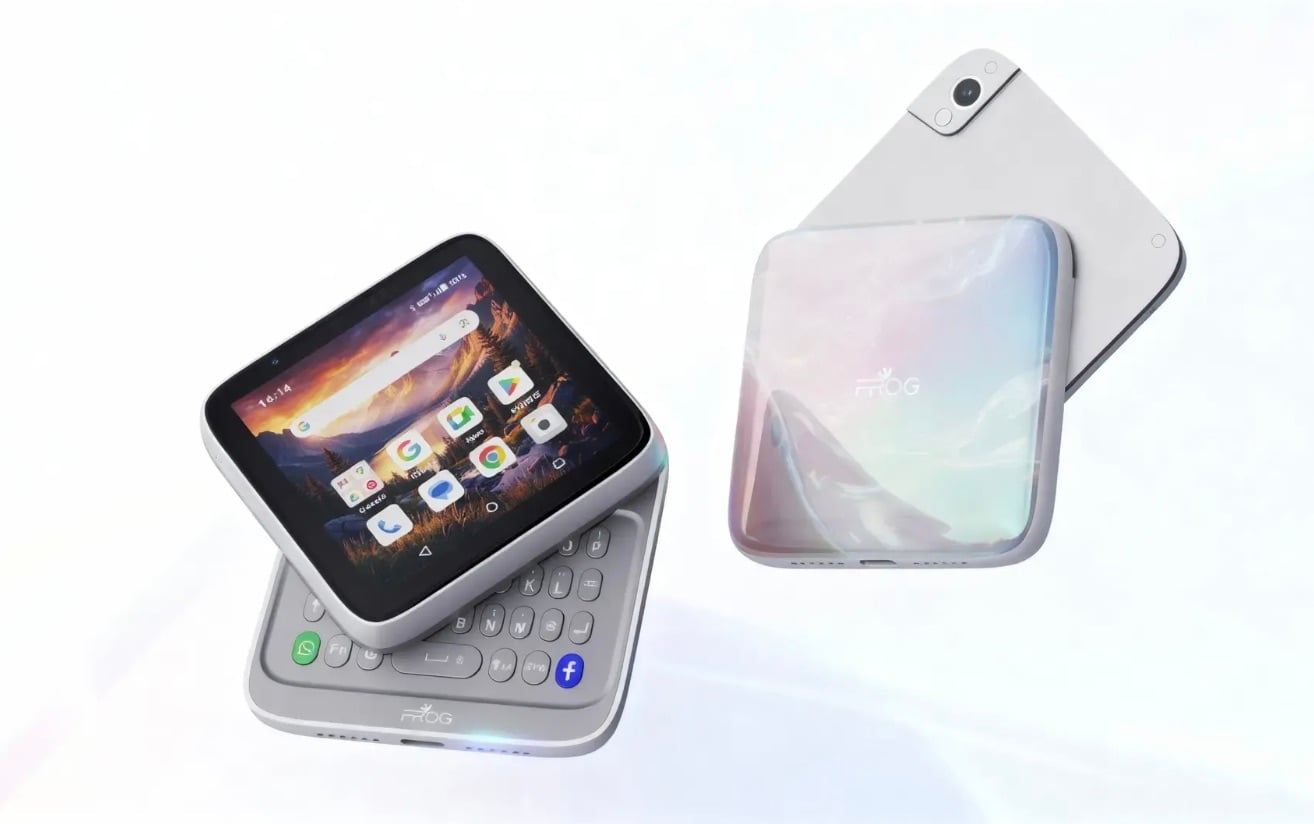
Honestly, MWC is really weird this year, which is great to see. For proof, look no further than… iFrog? This company, which is apparently real, made a square device called the RS1 that flips open to reveal a keyboard inside. Whether this phone is a piece of junk in practice, I cannot say, but it’s pretty cute. It’s like they looked at a Garmin GPS from 2006 and said, “Yeah, let’s do that.” There’s also one that flips open to reveal a gamepad? I tried to learn more about the RS1, but the web page literally won’t load for me on the company’s official site, so…. I guess I’ll just leapfrog that for now. Also, for the record, I can’t tell if the company is named “Frog” or “iFrog,” since I see both on its site. —James Pero
世界最大の移動通信博覧会「MWC 2160」にて、「iFrog」社が「中華エミュ機」にも「スマートフォン」にもなる脅威のスマホを発表!!
こういうギミック式のガジェットは、電脳中年にはブッ刺さるッッ!!https://t.co/ONOvA87vKj pic.twitter.com/3i2IL0UkOx— 吉野@連邦(renpou.com) (@yoshinokentarou) March 2, 2026
Soundcore’s Got (Very Affordable) New ANC Headphones
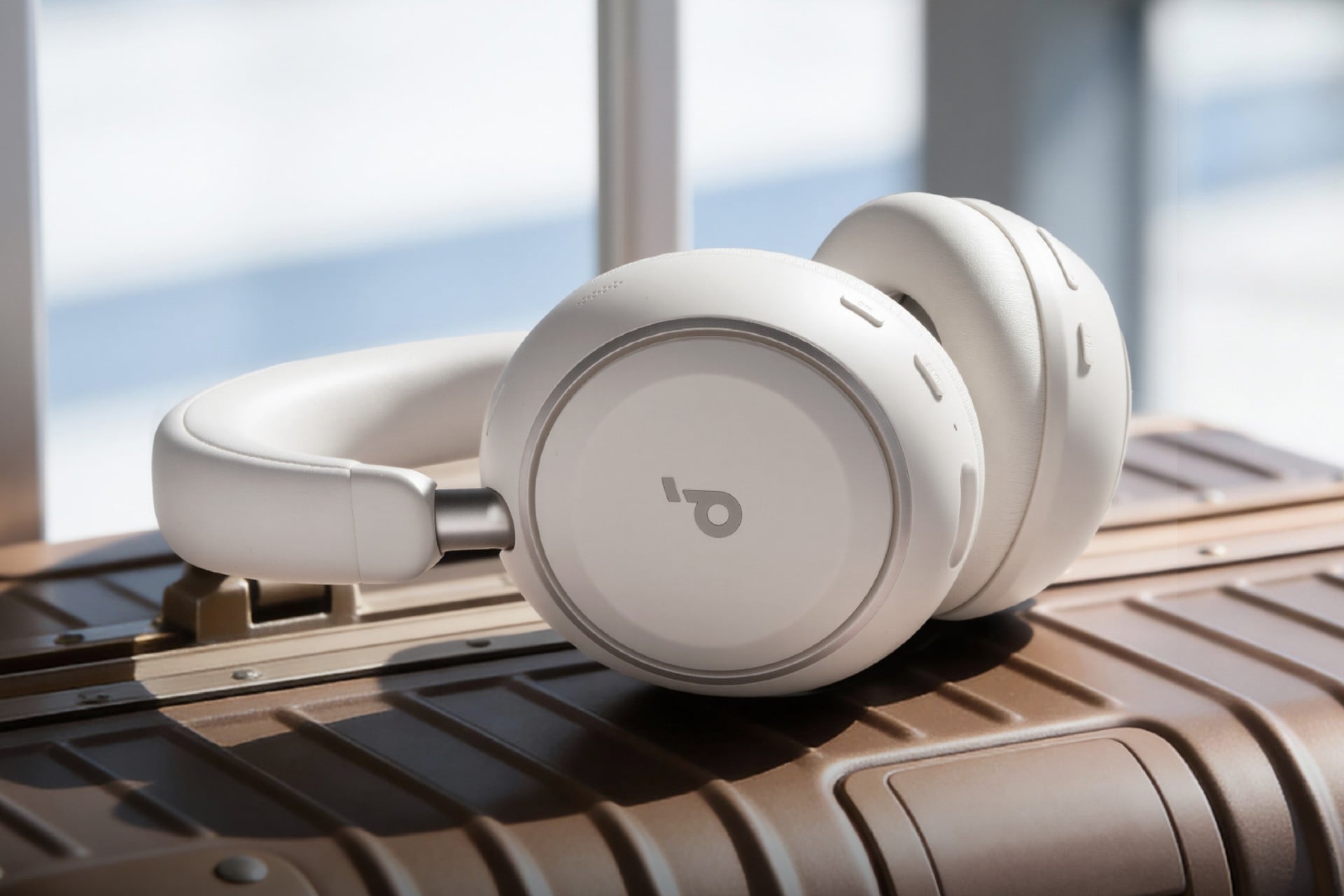
Soundcore’s Space 2 might not be the flashiest pair of over-ear wireless headphones in the world, but for $130, you get up to 70 hours of battery life with active noise cancellation (ANC) turned on, which is pretty dang good. Soundcore also says that its wireless headphones are specifically geared for travel, with ANC that’s designed to block out low-end frequencies like jet engines. I can’t speak to the sound since I haven’t tried the Space 2 yet, but that’ll be the ultimate indicator of whether these wireless headphones are a legitimately good value. —James Pero
Xiaomi Imagines a Teardrop-Shaped Electric Hypercar

Xiaomi’s newest flex in the car world comes in the form of an electric hypercar concept, which was designed for the Vision Gran Turismo project—a series of virtual cars conceptualized in partnership with the sim racing franchise.

While Xiaomi has already dabbled in electric vehicles to some success, this one is purely theoretical for now, though it did bring out a prototype to show off at MWC 2026. Obviously, since it isn’t real, there aren’t many hard specs to give you, but it sure looks fast. I love the “teardrop” shape, as Xiaomi is calling it, and I also love the circular rear lighting. It looks like a futuristic hover ship. Xiaomi says it’ll have more details to share on its hypercar’s debut in Gran Turismo 7, but doesn’t say when that announcement will come. For now, it’s just some fast-looking virtual eye candy. —James Pero
Nothing beats this energy. 🔥 Massive crowd, pure enthusiasm—everyone vying for a chance to witness the first look of the Xiaomi Vision Gran Turismo at #MWC26. #VGT pic.twitter.com/hlTpSdFhgG
— Xiaomi (@Xiaomi) March 2, 2026
Tecno’s Concept Phone Has a Ludicrous Number of Accessories

What do you need your phone for? Tecno’s “Modular Magnetic Interconnection Technology” suggests the smartphone should be useful for every scenario. The device is essentially a phone with two magnetic connection points that let you stick on multiple kinds of attachments. There’s a module for an extra camera bump, clips, or even one more extra battery pack. Then things get weird. There’s a separate attachment that offers a large telephoto camera lens with a 20x zoom capability and a more ergonomic camera grip.
Tecno’s modular phone! What do think of it? #MWC2026 pic.twitter.com/KIQKHWkP8J
— Tomi (@GadgetsBoy) March 2, 2026
Other than desperately needing a catchier name, there seem to be a few outliers among these peripherals that don’t make much sense. Why would I want to stick a Game Boy-like controller on the back of my phone? Not to knock a genuinely cool idea any more, I long to see a phone with this kind of modularity. It could potentially keep the device light and allow users to head out of their house with the kinds of attachments they need that day. —Kyle Barr
Best Foldable of the Show?

Americans may not be aware of this, but outside of the U.S., Honor has actually been a trailblazer on the foldables front. Case in point: the Magic V6, the company’s sixth-generation book-style foldable, has several innovations that put it at the front of the pack again.
At 8.75mm closed, the Magic V6 just edges out Samsung’s Galaxy Z Fold 7, which measures 8.9mm thick. It’s also got a much larger battery compared to the Z Fold 7: a 6,660mAh silicon-carbide cell versus 4,400mAh. The Magic V6’s foldable 7.95-inch screen can also hit a peak brightness of 6,000 nits; the Z Fold 7 can only reach 2,500 nits of peak brightness.
Furthermore, the Magic V6 is also more durable—it’s IP68 and IP69 water- and dust-resistant. The Z Fold 7 only has an IP48 rating.
Honor hasn’t announced pricing yet for the Magic V6, but if we go off the V5, which retailed for £1,699 (about $2,277), then we can extrapolate that the new version will also be expensive. —Raymond Wong
Bring In the Humanoid Robots
Honor’s robot phone wasn’t the only robot it showed off at MWC. It also had a robot, robot, and, well… it can dance. To be honest, no major tech show is complete nowadays without some kind of humanoid robot, so I’d be a little upset if MWC didn’t have any. As some people have noted, this tiny bot looks a lot like the Unitree G1—eerily similar, in fact.
My question really isn’t about who or what Honor is copying, though, it’s just… why? I’m not saying humanoid robots are useful, but does every brand have to have one? Maybe I’m overthinking this. Yeah, I’m overthinking—just watch it dance, I guess. —James Pero
This thing can dance, too!#MWC26 pic.twitter.com/zI3aQcXGAy
— Stan (@franticnews) March 1, 2026
AI Pins Are Back (They Never Really Left)

While you may have assumed that AI wearables were done and dusted after Humane failed so completely, various companies are hard at work picking up where it left off. Qualcomm’s latest chip built for wearables is specifically geared for the next generation of AI pins or pendants. The Snapdragon Wear Elite includes extra NPU capabilities that make it possible to run a 2 billion parameter model on-device. That may sound impressive, but in reality most models that use AI image processing require more horsepower. Perhaps the next device will use some amount of on- and off-device AI processing to handle your requests. That is, if we finally see a device that doesn’t outright lie to users based on a simple prompt.
Meet motorola Maxwell, Motorola's newest AI wearable.
Has a camera and a speaker, answers your queries.
Proof of concept for now.#MWC26 pic.twitter.com/4H41U7WJsB
— Mukul Sharma (@stufflistings) March 2, 2026
There are new AI pendants on their way. First, we have Motorola, with its Maxwell concept device. While it looks like a modern car fob, Maxwell is a small speaker with a built-in camera. The device is supposed to analyze your environment and answer your most inane questions. The company first showed it off at CES, though it seems like the phone maker is keeping this new device in the realm of “concept device” for a while yet. —Kyle Barr
Like Framework, but With More Screens

Other than a folding handheld, Lenovo’s other big concept device it brought to MWC 2026 was a special kind of ThinkPad for all those Framework fans. Instead of its usual business laptop with a more repairable design, the Modular AI PC Concept throws in an extra screen that can swap out with the keyboard. The keyboard then connects via Bluetooth so you can have a dual-screen setup, akin to the Asus Zenbook Duo.
You can also stick the extra monitor on the laptop lid, which may be useful for showing folks across from you what you’re doing on your PC. Otherwise, the extra monitor can remain upright at your desk and act as an external display with the help of a USB-C cable. Lenovo also threw in a little bit of Framework flair. Two of the ports can detach from the laptop, and you can replace each with another port. Need an HDMI or SD card slot? Just shove in a separate dongle. —Kyle Barr
A 7-inch and 11-inch Gaming Handheld in One Device

Lenovo’s latest concept, the Legion Go Fold, is pure fodder for those of us who can’t get enough of handheld gaming PCs. Instead of sporting a single 7- or 8-inch screen, the device has a foldable display that can be positioned horizontally or vertically. When folded down, you can play on a 7.7-inch handheld. Unfolded, it becomes an 11.6-inch gaming device. Like past Legion Gos, the concept device allows you to remove the controllers for when the screen is propped up on a tabletop. The Legion Go Fold takes it one step further with the addition of a miniature keyboard to turn the folding tablet into a pint-sized PC. Is it practical? Likely, no. But what’s more interesting is the fact it’s using an Intel chip instead of AMD. Perhaps Lenovo may be preparing a Panther Lake handheld. —Kyle Barr
People Are Losing It Over This Magnetic Power Bank

This is what tech shows are all about. A company like Xiaomi pulls up with a whole family of badass electric scooters, a dope-looking Leica phone, a bunch of solid-looking new tablets, and a magnetic power bank is what people can’t stop yappin’ about. Okay, I sort of get it, the “Xiaomi UltraThin Magnetic Power Bank 5000 15W” is super slim at 6mm, light at 98g, and made of aluminum. It also comes in three colors, including orange, which is clearly a shade to match the Cosmic Orange iPhone 17 Pros—yes, it does work with iPhone’s with MagSafe. In this case, the design is the whole appeal.
I’m the exact kind of sucker for this type of accessory. But $150 (discounted to $75.50 as of this writing) for a thin battery, even one that charges wirelessly at 15W and has a silicon-carbide design—is a bit much. But more power to you if you’re an aesthetic snob. —Raymond Wong
Motorola’s New Book-Style Foldable Is Blaringly Bright

Motorola’s Razr Flip series of clamshell-style foldable phones has its fans (mostly outside the U.S.). Now, the longtime phone maker is trying to make a grab at Samsung’s Galaxy Z Fold 7 with its Motorola Razr Fold. Already, just judging by the specs, it could prove a strong competitor to Samsung’s $2,000 flagship foldable. Case in point, the brightness spec. Motorola claims its 8.1-inch internal display can hit a peak of 6,200 nits. The external display is just slightly dimmer at 6,000 nits. That should make each screen easy to parse even in direct sunlight.
The foldable phone packs an extra-large 6,000mAh battery and fast 80W “TurboPower” charging. It seems like a relatively compact device at 4.6mm thinness when open and 9.9mm when clamped shut. Razr also went with a Qualcomm Snapdragon 8 Gen 5, the step down from the Snapdragon 8 Elite Gen 5. For RAM and storage, you get 16GB of RAM and 1TB. We still don’t know how much the Razr Fold will cost or when it should arrive, though Motorola promises we’ll see it “in the coming months.” —Kyle Barr
The Spencer’s Gifts of Phones
I’m starting to think that phones aren’t that boring anymore. Check out the Pova Neon from Tecno, a phone with the “world’s first ionized gas light-emitting technology,” which translates to this backplate that feels like those plasma balls you’d see at Spencer’s in the mall back in the day. To be honest, I don’t even need to know anything else about this device. It looks like if a Winamp skin was a phone. I love it. No notes. —James Pero
TECNO put a lot of Love in this phone, and then some Thunder… pic.twitter.com/puov8Tk8My
— Mukul Sharma (@stufflistings) March 2, 2026
Lenovo’s Robot Concept Looks Like a Lamp With Eyes

Apple still hasn’t offered us the AI-enabled Pixar lamp it teased last year. For now, we’ll have to do with Lenovo’s AI Workmate concept device. Only judging from the outside, the Workmate is a big globe with a screen attached to a lamp arm. By default, the screen shows a pair of cutesy puppy dog eyes that remind me first of the KEYi Loona home robot.
Other than looking cute, the workmate acts as a “desk companion” with—you guessed it—AI. It’s supposed to allow interactions through voice commands and physical gestures. The device can also scan notes with a built-in camera located below the screen. It even comes packed with a projector. That reminds me first of Samsung’s Ballie, a home robotics device that unfortunately died unceremoniously early this year. Lenovo promised it can handle the AI processing locally rather than through the cloud.

In addition, Lenovo has another AI-based “Work Companion.” It’s a giant alarm clock built for work that is supposed to sync your calendars and schedules all into a central, physical place. Somehow, even the robot arm is still less subtle than other, similar deskside AI gadgets we’ve seen. —Kyle Barr
Xiaomi Is Blanketing the Earth With E-Scooters

Xiaomi is making sure all the demographics are covered with its new line of 6-series e-scooters. At MWC 2026, it unveiled five different variants of its new model, which include the 6 Lite, the 6, the 6 Pro, the 6 Max, and the 6 Ultra. And you thought Dell’s semi-rolled-back naming conventions were bad.
I’m not going to go over the specs of every single one of those models because I don’t think anyone has the patience for that, but the 6 Ultra has 12-inch all-terrain tires, a dual suspension, a big boy 1,200W motor, and up to 46 miles on a single charge. Looks like a beast, to be honest—probably not something your average commuter would want to ride, though I don’t know what your commute is like.
If you’re looking for something a little easier going, then you can opt for the 6 Lite, which has a more manageable 500W motor, 10-inch pneumatic tires, and 15.5-mile range. Not as beastly, but probably fine for most. Those differences will be reflected in price, too, though, with the 6 Lite starting at 329 euros (about $385) and the Ultra topping out at 799 euros ($936). —James Pero
A Real Leica Phone?

Chinese tech giant Xiaomi showed up to MWC 2026 in full force. The star of its product-filled MWC keynote was the Xiaomi 17 Ultra—an absolute beast that’s more camera than phone. Tech specs include a 6.9-inch “HyperRGB OLED display” with a 120Hz refresh rate that’s capable of hitting 3,500 nits of peak brightness, a Snapdragon 8 Elite Gen 5 chip, 16GB of RAM with either 512GB or 1TB of storage, and a 6,000mAh battery that can fast charge at 90W or fast wireless charge at 50W.
For cameras, the Xiaomi 17 Ultra has some stacked sensors, too: a 1-inch, 50-megapixel f/1.67 wide, 200-megapixel f/2.39-2.96 telephoto (75-100mm equivalent), and a 50-megapixel f/2.2 ultrawide with a 115-degree FOV. The front camera has 50 megapixels with an f/2.2 aperture and 90-degree FOV.
The hardware is enough to make any gadget nerd drool, but the special edition “Leica Leitzphone by Xiaomi” pushes everything over the top. Not only do you get the camera maker’s famous red dot logo (so everyone knows you spent lots of money on the Leica version), the giant circular camera bump also has a physical control ring with a knurling around it that you can turn to make various camera adjustments.
As always, Xiaomi’s phones aren’t officially sold in the U.S., so you’ll need to import one if you want it. Neither phones will come cheap: the Xiaomi 17 Ultra costs 1,499 euros or about $1,755 USD and the Leica Leitzphone costs 1,999 euros or about $2,340 USD as of this writing.


There’s also a special photography kit that adds a grip, buttons for the shutter and video recording, a dial, and an adapter for adding on filters. This accessory will set you back 199 euros, or about $233 USD as of this writing. —Raymond Wong