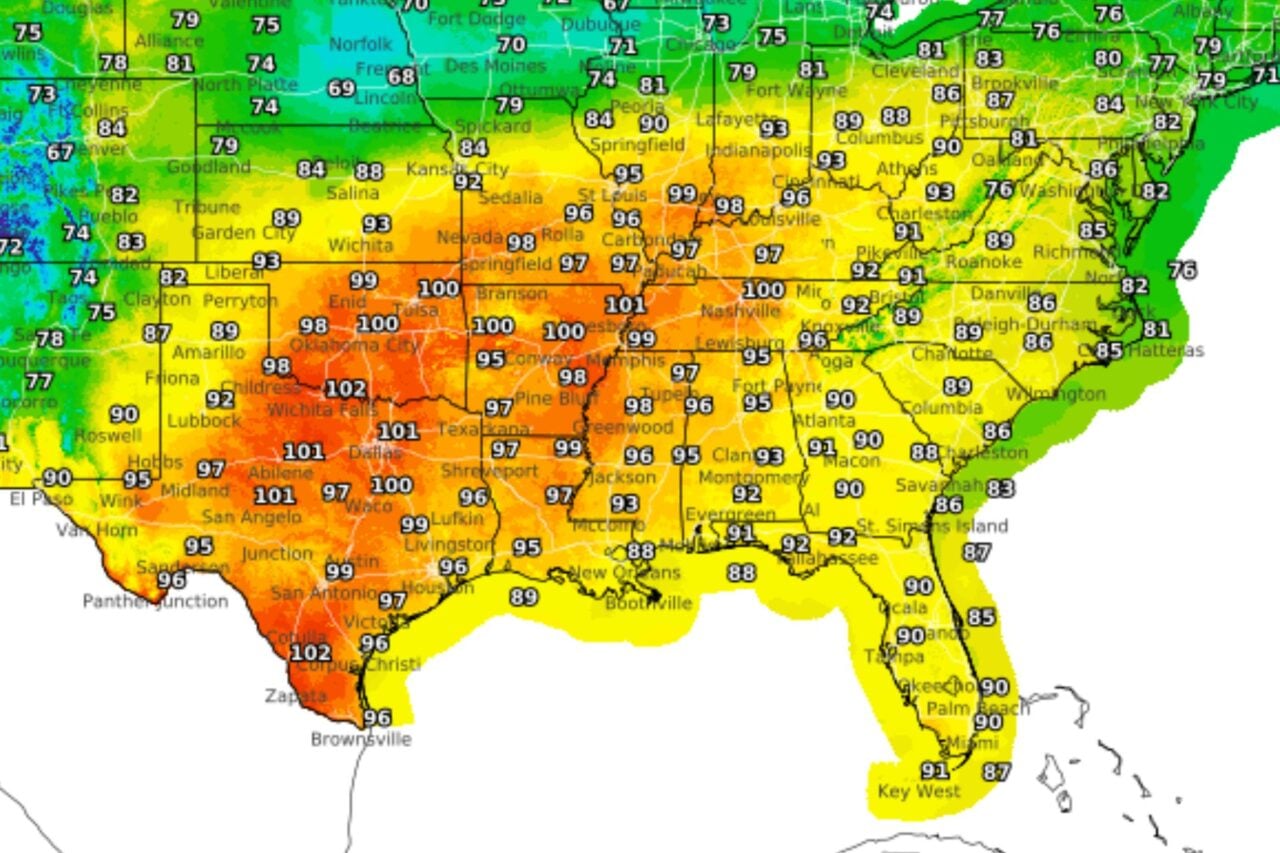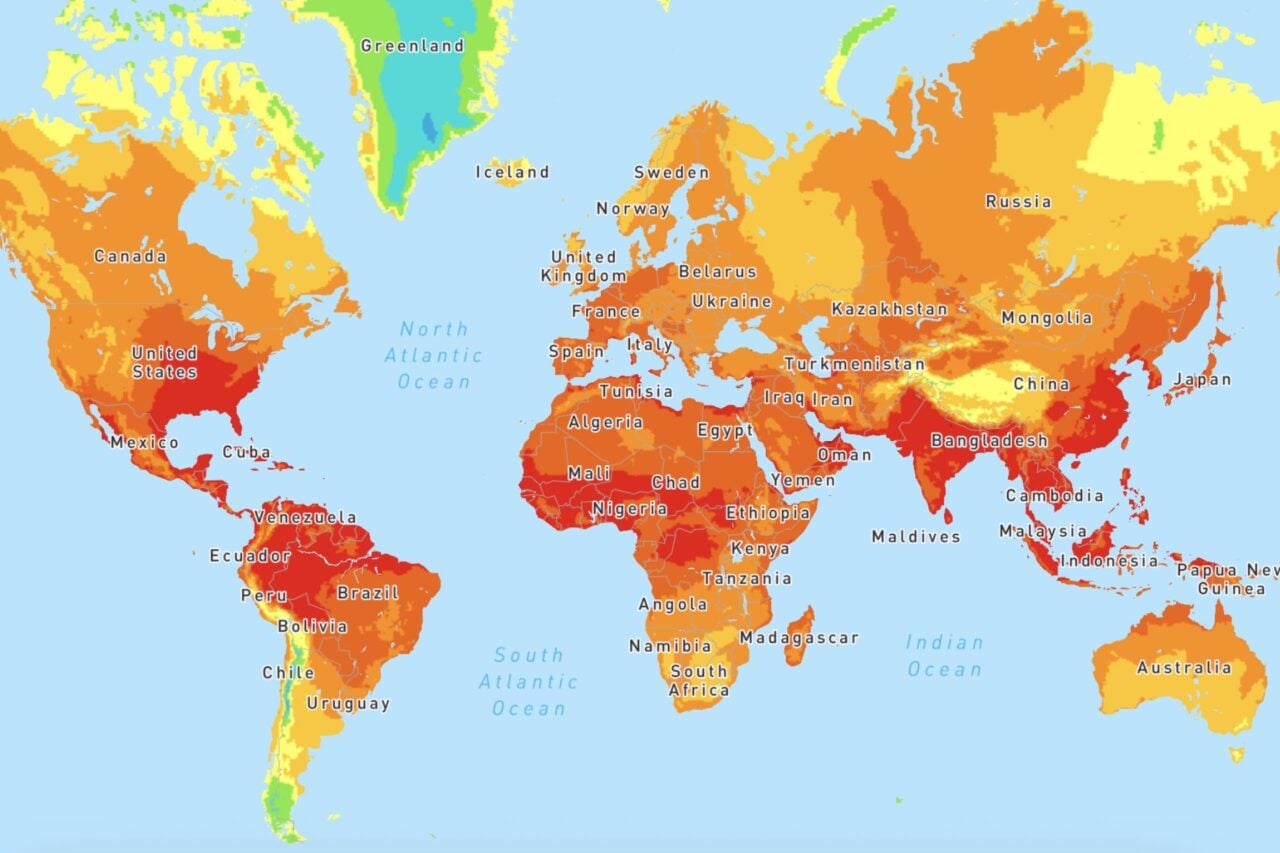
The eastern U.S. is in the grips of a brutal heatwave heading into July Fourth weekend. As millions head outside to attend parades, barbecues, and fireworks displays, excessively high temperatures and suffocating humidity will pose a a significant public health threat.
The deadly nature of extreme heat has been making headlines as an unprecedented, prolonged heatwave bakes Europe. On June 23, France recorded its hottest day ever, and national officials reported more than 1,000 heat-related deaths between June 24 and 27. According to one preliminary statistical estimate, the continent-wide death toll of this event could exceed 20,000. But why, exactly, is extreme heat so deadly?
Gizmodo spoke with experts who explained how severe heat exposure impacts the body, from your cells to your major organ systems. While certain populations are more vulnerable than others, everyone is at risk during a major heatwave.
How the body regulates its temperature
Humans are homeotherms, meaning our bodies need to maintain a stable internal temperature to function properly. That safe temperature range is quite narrow, roughly between 97 degrees Fahrenheit (36.1 degrees Celsius) and 99 degrees F (37.2 degrees C) for adults, according to the Mayo Clinic.
Any significant deviation from this range will make it harder for cells to work, explained Orlando Laitano, an assistant professor of exercise physiology and principle investigator of the Laboratory of Muscle and Environmental Physiology at the University of Florida. When a person’s core temperature rises too high, this can disrupt enzyme activity, oxygen delivery, and other critical functions that keep cells alive and working properly, he said.
The body has two primary strategies for lowering its core temperature: vasodilation and sweating. During vasodilation, blood vessels near the skin widen, increasing blood flow to the body’s surface so excess heat can escape. That’s why your face becomes flushed when you’re hot. Once the body’s core temperature reaches its “sweat threshold,” perspiration begins, offloading heat via evaporative cooling.
When the air is saturated with water vapor, sweat can’t evaporate efficiently, causing this cooling mechanism to falter. This explains why heat and humidity are such a dangerous combination. The body keeps losing water through sweat without cooling itself effectively, leading to dehydration. And because sweat is drawn directly from blood plasma, “the more you sweat, the less blood volume you have available,” Laitano explained.
Both vasodilation and sweating can therefore reduce blood flow to the internal organs and cause a drop in blood pressure that forces the cardiovascular system to work harder. Let’s dive into what this means for the vital organ systems.
Every major organ system is affected by heat
To compensate for low blood pressure and keep delivering oxygen and nutrients to the organs, the heart has to beat harder and faster. This added strain increases the risk of cardiovascular injury, including heart attack and stroke, according to Craig Crandall, a professor of internal medicine at the University of Texas Southwestern Medical Center and the director of the Thermal and Vascular Physiology Lab at Texas Health Presbyterian Hospital in Dallas.
While working to cool the body, the cardiovascular system diverts blood away from the intestines and the kidneys, Crandall explained. Lack of blood flow breaks down the intestinal barrier, allowing endotoxins and bacteria to leak into the blood stream and cause “a whole cascade of potential problems,” he said. Meanwhile, the kidneys are working harder to conserve water, which strains their filtering capacity and increases the risk of both acute and long-term damage.
Then there’s the brain, the most temperature-sensitive organ in the body. “If the brain’s temperature gets too high, neural processes will stop working,” Crandall explained. That’s why people who are overheated tend to have difficulty walking, speaking, and thinking clearly. “The brain is not functioning properly,” he said.
The risk to the body’s vital organs increases as its internal temperature rises. Heat exhaustion occurs when the cardiovascular system is expending too much energy trying to maintain blood flow and cool the body. This can cause fatigue, nausea, confusion, and headache, according to Crandall.
When the body’s natural cooling systems become overwhelmed, this can lead to heat stroke, a life-threatening medical emergency. Heat stroke typically occurs when a person’s core temperature rises above 104 degrees F (40 degrees C) but according to Crandall, that’s not the case for everyone. If someone is exposed to extreme heat and exhibiting a sudden change in mental state or behavior, they likely have heat stroke, he said.
If untreated, heat stroke can quickly damage the brain, heart, kidneys, liver, and muscles. In the most extreme cases, it can be fatal.
For survivors, there may be long term health consequences, according to recent research. A 2020 study by Laitano’s lab found that mice that had survived heat stroke were more likely to develop cardiovascular disease. His work has also shown that heat stroke in mice can suppress the immune system long after recovery.
How to prevent and treat heat illness
Individuals most at risk of heat-related illness include older adults, young children, pregnant people, people with chronic conditions, outdoor workers, athletes, and people without air conditioning. Certain medications can also increase heat sensitivity, such as diuretics and some psychotropic drugs.
With that said, the entire population is at risk of heat-related illness during a major heatwave, according to Riana Pryor, an associate professor of exercise and nutrition sciences and director of the Hydration, Exercise and Thermoregulation (HEAT) Lab at the University of Buffalo. That’s especially true when high temperatures and humidity coincide with a holiday weekend, when people tend to spend longer periods of time outdoors, be more active, and consume more alcohol.
Though it may put a damper on your Fourth of July plans, “if you can adjust your schedule, that’s the first thing you’ll want to do,” Pryor said. That doesn’t mean you have to rearrange your weekend entirely—even taking short, regular breaks in an air conditioned space can lower your risk significantly.
Staying hydrated is also critically important. “If you are feeling thirsty, you are already dehydrated,” Pryor said. “Once you get behind with consuming fluids, it’s really hard to catch up.” This is especially true for older adults, who tend to have a delayed thirst sensation, she explained.
If someone is exhibiting signs of heat exhaustion or heat stroke, the first thing to do is cool them down as quickly as possible, according to Pryor. Help them move into the shade, or better yet, into an air-conditioned building, then rehydrate once they’re in a cooler place.
“If you’re wondering if it’s heat stroke, that’s when you want to seek medical attention,” Pryor said. In this case, it’s also critical to cool the person down as quickly as possible. Cold water is the most effective way to do this. Helping them safely submerge in a cool bath, shower, or even covering their body in cold, wet towels could save their life.
As the global temperature rises, so does the risk of heat-related illness. Now that extreme heat has become the deadliest natural hazard in the United States, understanding how it affects the body, who is most at risk, and how you can protect yourself at others will be critical to adapting to our warming world.