After burning its previous business plan to the ground—leaving thousands of its former Microsoft and developer studio staff to suffer in the conflagration—Xbox has left itself no choice but to pin its future hopes on next-gen hardware.
True to form, Xbox’s new strategy is seemingly “you can’t make an omelet without taking a bulldozer to the chicken coop.” The full-scale Xbox “reset,” as described by CEO Asha Sharma, led the company to ax 1,600 staff positions across several of Microsoft’s teams and among various studios. Xbox has cut four studios loose and left developers like Obsidian, Bethesda, and id Software short on staff. As heartbreaking as it is to read longtime devs’ farewell letters, this is only the start. Xbox plans to cut ties with 3,200 employees by the year’s end.
Obsidian Enterainment was hit by the XBOX reset layoffs. This includes their art director who worked there for 21 years. #Xbox pic.twitter.com/sNRHP5SZir
— Rebs Gaming (@Mr_Rebs_) July 6, 2026
The one part of Xbox that may survive relatively unscathed is the console division. According to Windows Central, anonymous sources within Xbox claim that the team behind the upcoming Xbox “Project Helix” console remains intact. According to the report, the console won’t be delayed. That’s despite what Sharma called in her letter to staff “the most severe hardware crisis in [the video game industry’s] history.”
Like every other company that has a toe in computing, the ongoing memory pricing crisis has left Microsoft’s gaming division scrambling for ways forward. Xbox recently hiked prices (the third one in a year) for its Series S and Series X consoles by $100 to $150 depending on storage size. However, Windows Central’s sources suggest the console team creating Project Helix is trying to “innovate on materials” to keep costs down. Even still, the next-gen Xbox was originally billed as one of the most powerful consoles available. Xbox has touted that Project Helix should be able to play PC games as well as Xbox titles, and such a device seems like it would demand a premium price.
Even a company as big as Microsoft can’t negotiate a favorable deal on memory from the increasingly cartel-like memory makers. For instance, Micron—one of the big three semiconductor companies that makes RAM and SSDs—has emphasized it’s now pursuing five-year contracts that could keep memory prices high until at least 2030. Sharma, who has been in her position for less than five months, has mentioned multiple times that the average gamer would not be able to afford consoles at obscene prices.
This is an important email I sent today to all employees at XBOX:
Team,
We are beginning the most significant restructure in XBOX history. After careful consideration, I've made the difficult decision to reduce our team by approximately 3,200 throughout FY27. This will include…
— ASHA (@asha_shar) July 6, 2026
Whether or not Xbox pins all its hopes on Project Helix, it’s clear hardware is its only path forward. The old “Everything is an Xbox” strategy didn’t pan out, as Sharma wrote that the company lost “64 cents for every dollar we invested” in a typical year prior to 2026. Game Pass, once Xbox’s big plan for future growth, has stagnated. The Wall Street Journal reported based on an anonymous source that Game Pass is currently sitting at 30 million subscribers. Xbox previously hoped to reach 77 million subscribers by this year.
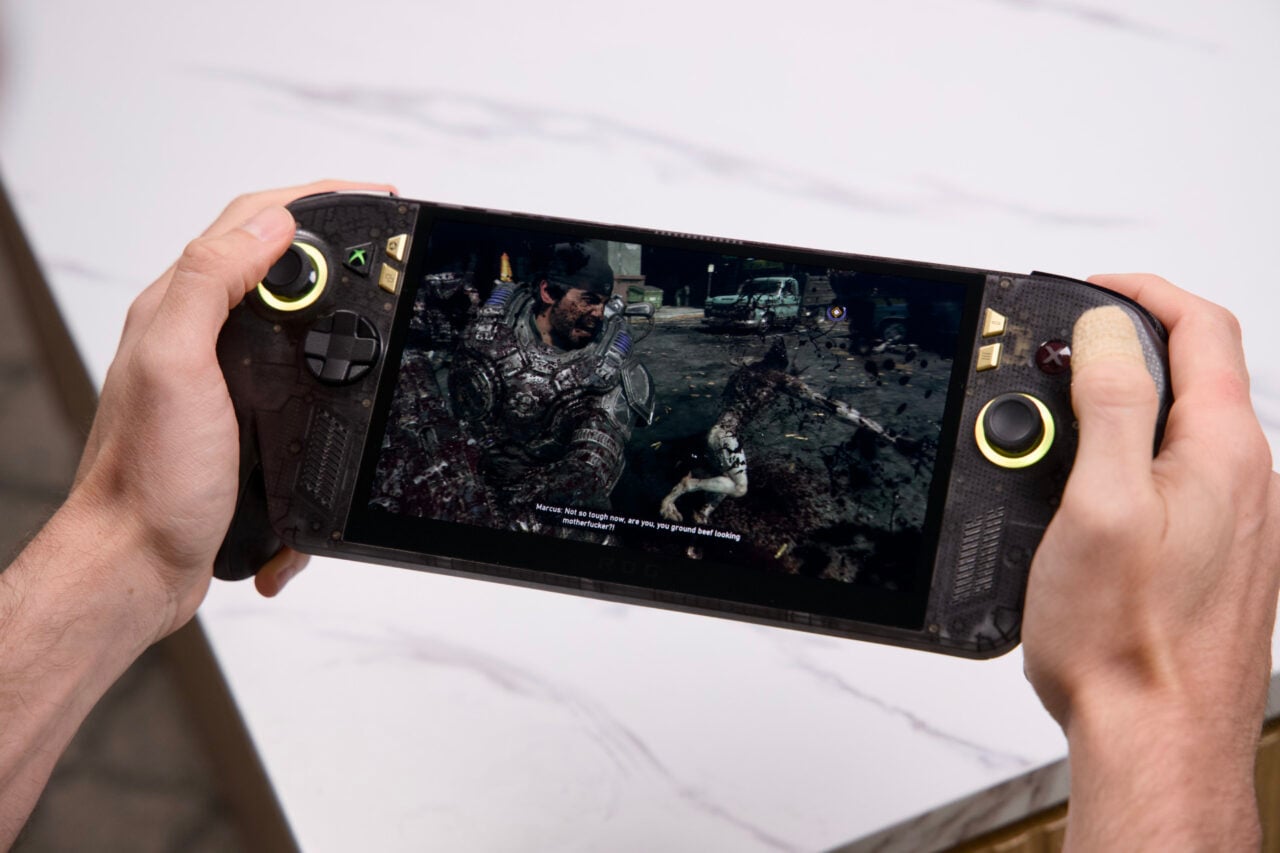
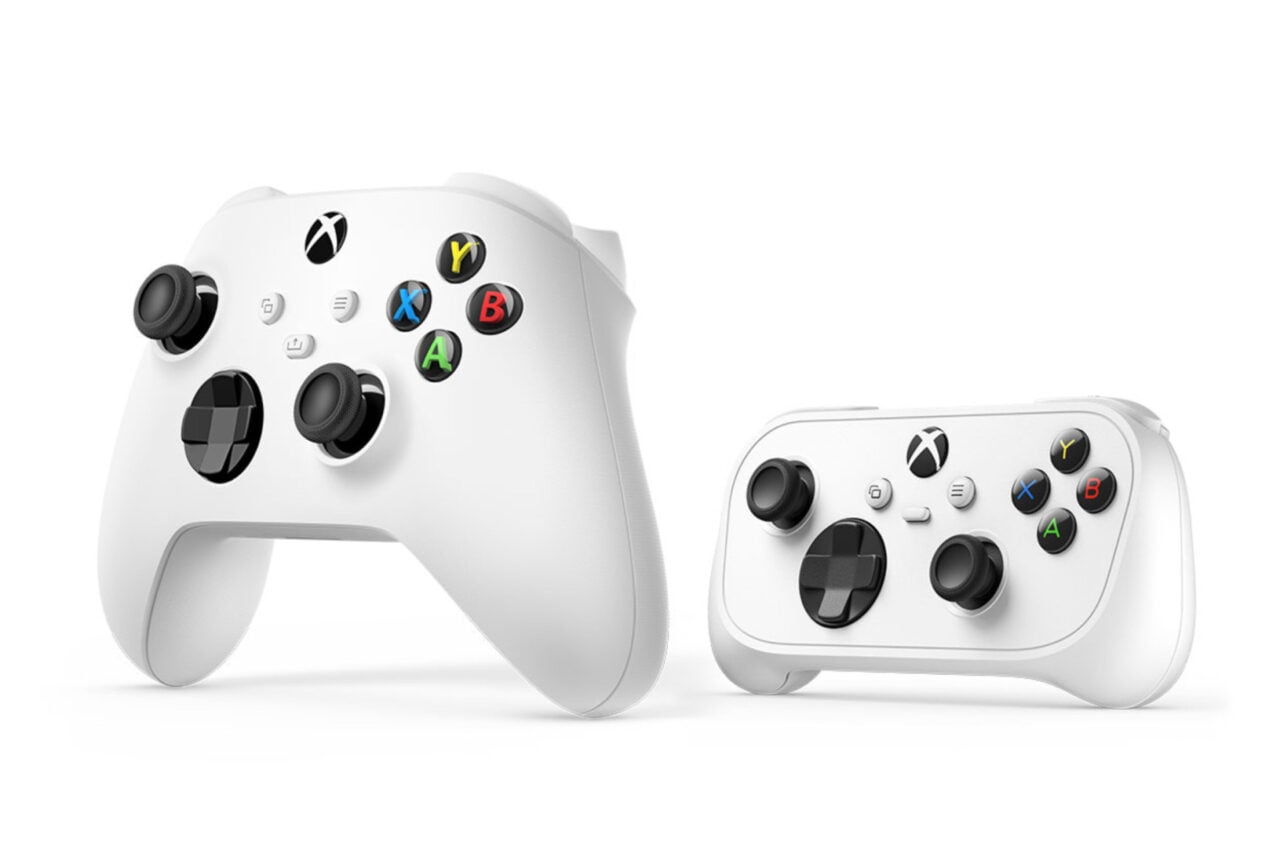
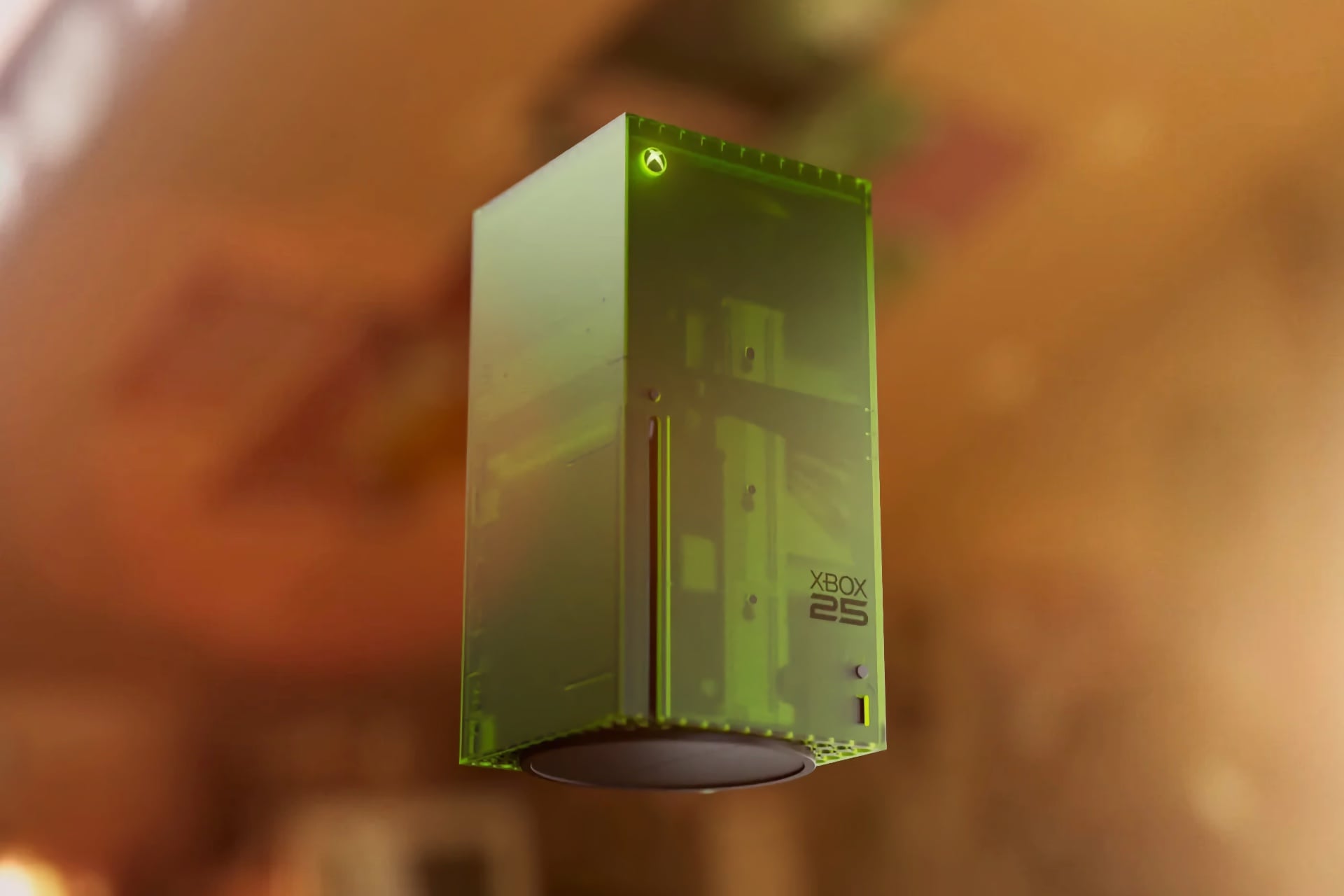
In an interview with Fortune, Sharma said the team also needs to focus on mobile and PC. She further claimed that “I think our core has to be healthy, and that will be necessary but not sufficient.” If Xbox has any ambitions beyond consoles, Microsoft isn’t telling. In public statements, Sharma has emphasized the regular old console—even bringing out a limited edition ultra-green Series X slated for this year. That doesn’t mean Microsoft can’t push more handheld options like the $1,000 Asus ROG Xbox Ally X or—perhaps—even a first-party streaming stick. The latter was something Xbox had been developing but ultimately canceled under Phil Spencer, Sharma’s predecessor. With the expected premium that Project Helix would fetch, a low-cost way to stream Xbox games suddenly looks attractive.
We don’t yet know what form the next generation of Xbox hardware may take. But if one thing’s clear through all this mess, Xbox can’t survive another one of these “resets.”