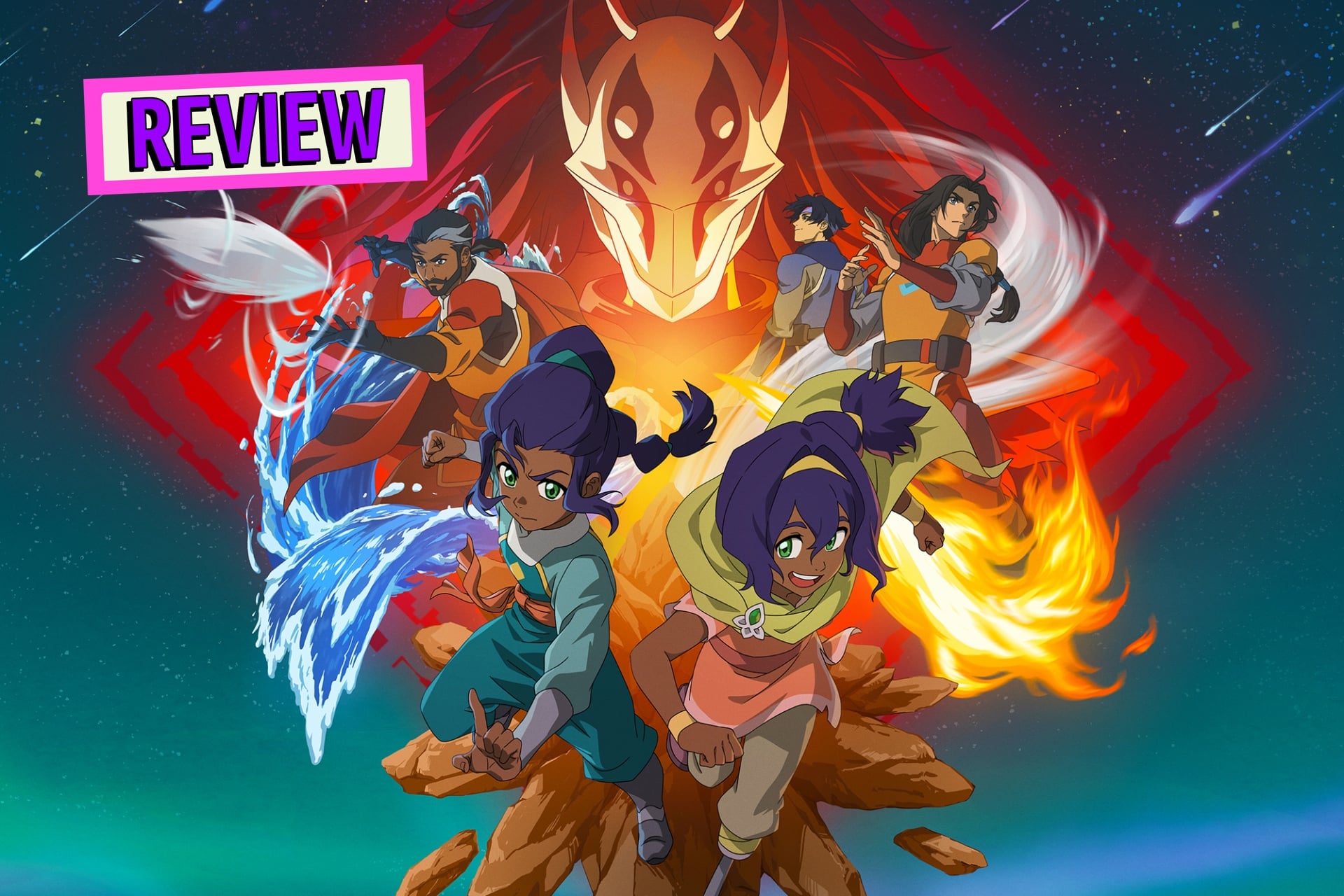
Avatar: Seven Havens, the latest series from Avatar: The Last Airbender creators Michael Dante DiMartino and Bryan Konietzko, arrives on Paramount+ 12 years after its over-hated predecessor, the closest any animated series has come to a Ship of Theseus paradox. After weathering rocky live-action projects and a feature-length animated film kneecapped by an extremely limited theatrical release after a massive leak, Seven Havens, helmed by a new animation studio, sees the franchise disembark on streaming’s rocky shores, where shows rarely make it past a second season.
With a second “book” already in the works, Avatar: Seven Havens’ arrival still raises a fair question: does the world truly want another Avatar series? Maybe some legacies are better left resting. But after three episodes beyond its premiere, Avatar: Seven Havens takes a beat before meeting the moment as the latest sequel series to one of the best animated shows of all time. Once it does, it lays the groundwork for a show that may not reach the towering heights of its predecessors, but it undeniably expands its universe in ways that feel strange and ambitious, mostly in the best way possible.
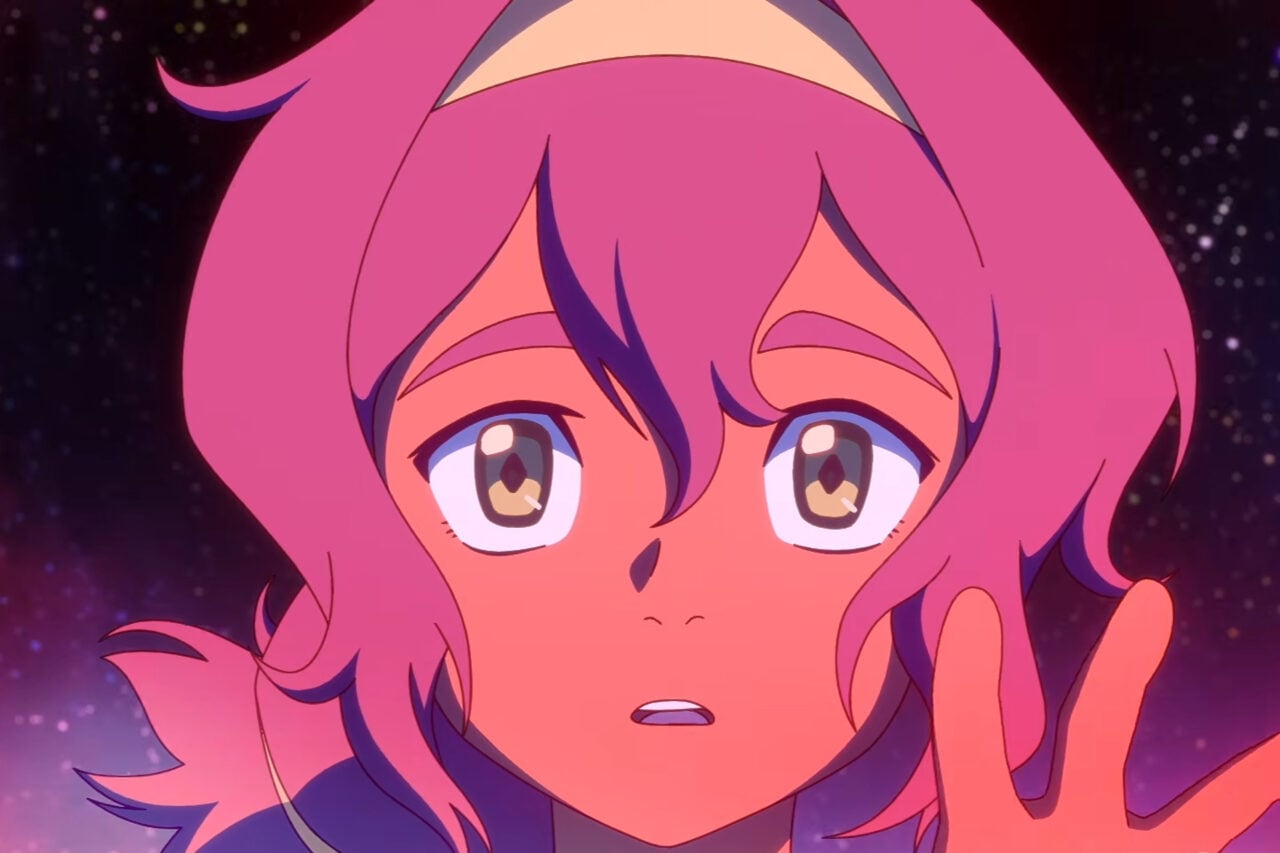
Off the bat, the most striking and peculiar aspect of Avatar: Seven Havens is how it uses real-world discourse about its predecessor as the bedrock for the new show. Set 225 years after The Legend of Korra, humanity no longer sees its eponymous reincarnating peacemaker as its last hope; they see the Avatar, specifically Korra (Janet Varney) herself, as its ruiner. After a cataclysmic event, benders and nonbenders alike unite in a manhunt for her successor. Their admittedly shoddy history books blame Korra for the post-apocalyptic state of the world, and they’re not about to let that happen again. All of that makes life for Seven Havens‘ avatar, Pavi (Saheli Khan), difficult. With help from her twin sister Nisha (Aishu Devan), her mentor Jae (Major Curda), and members of the Order of the White Phoenix, Pavi faces an uphill battle to understand her place in a world that thinks it’s better off without her.
Like the show’s elements, four defining qualities that have made the Avatar franchise a hit are its action, humor, heart, and trust in its audience to handle mature political conundrums despite presenting as a fantastical show geared toward children. Avatar: Seven Havens mostly continues that legacy in its three-episode premiere, albeit unevenly. The best thing about Avatar: Seven Havens is its new art direction.
While the overarching mystery of Korra being treated as a pariah has yet to reveal itself as a metanarrative red herring, Seven Havens‘ writers are pulling on its fandom; it’s a fantastic off-ramp to highlight how truly different the series’ world feels compared to its predecessors. Unlike JM Animation and Studio Mir’s smattering of Asian influence and steampunk character and set designs, which the Western animation industry as a whole has unofficially been emulating to death, La Chouette Compagnie transforms Avatar: Seven Havens into a desert-punk, sci-fi-feeling series.
Sarcastically, that much is clear from the show’s elemental symbols undergoing a similar debranding to how real-world companies lose a bit of character in their march toward modernization. This feels less like the show losing its sauce and more like it’s deliberately drawing a parallel to how times change in the real world: if your favorite pizzeria’s logo can fall victim to corporate flattening, so can the symbols of Avatar‘s world.
What the show’s somewhat cynical modernization doesn’t lose is its art direction. Character designs feel distinctly Southeast Asian; technology feels scraped together and far-flung at once; and the background and scenery art is awash in lush pastel designs that perfectly accentuate a world where civilization has been overtaken by the fantastical vistas of the spirit world. One might wonder whether the show went the post-apocalyptic route to keep the series from having an Avatar doomscrolling on their phone while the entire world hazes them.
Seven Havens faces an uphill battle over whether to dial down the series’ titular political intrigue for a kids’ show beyond a simmer, or resign itself to flirting with how deep its own world-building is. Much of that stems from the show’s tonal dissonance in its early episodes. Despite the dire straits of Avatar: Seven Havens‘ world—with the series swapping out its elemental season-naming convention by titling its first book “Survive”—Pavi and her allies never truly feel in danger. Practically every time they seem like they could be in real shit, they undercut any sense of tension with humorous asides and quips in the face of anything serious.
The show’s tongue-in-cheek comedy brushes up against the stakes of its post-apocalyptic world, which should feel more dire than ever. In a world with fewer benders than ever, conscripted into a kind of military role, the show doesn’t make much of those implications, much less the fact that humanity would hunt down a child on the off chance she’s the reincarnated Avatar. None of it feels like it’s treated like it’s as big of a deal as it should be. If anything, its characters feel like they’re wrapped in bubble wrap. It also doesn’t help that the show’s dialogue feels like it follows an edict for half-attentive viewers, with characters flatly stating everything about them instead of letting animation and voice-acting nuance do the work.
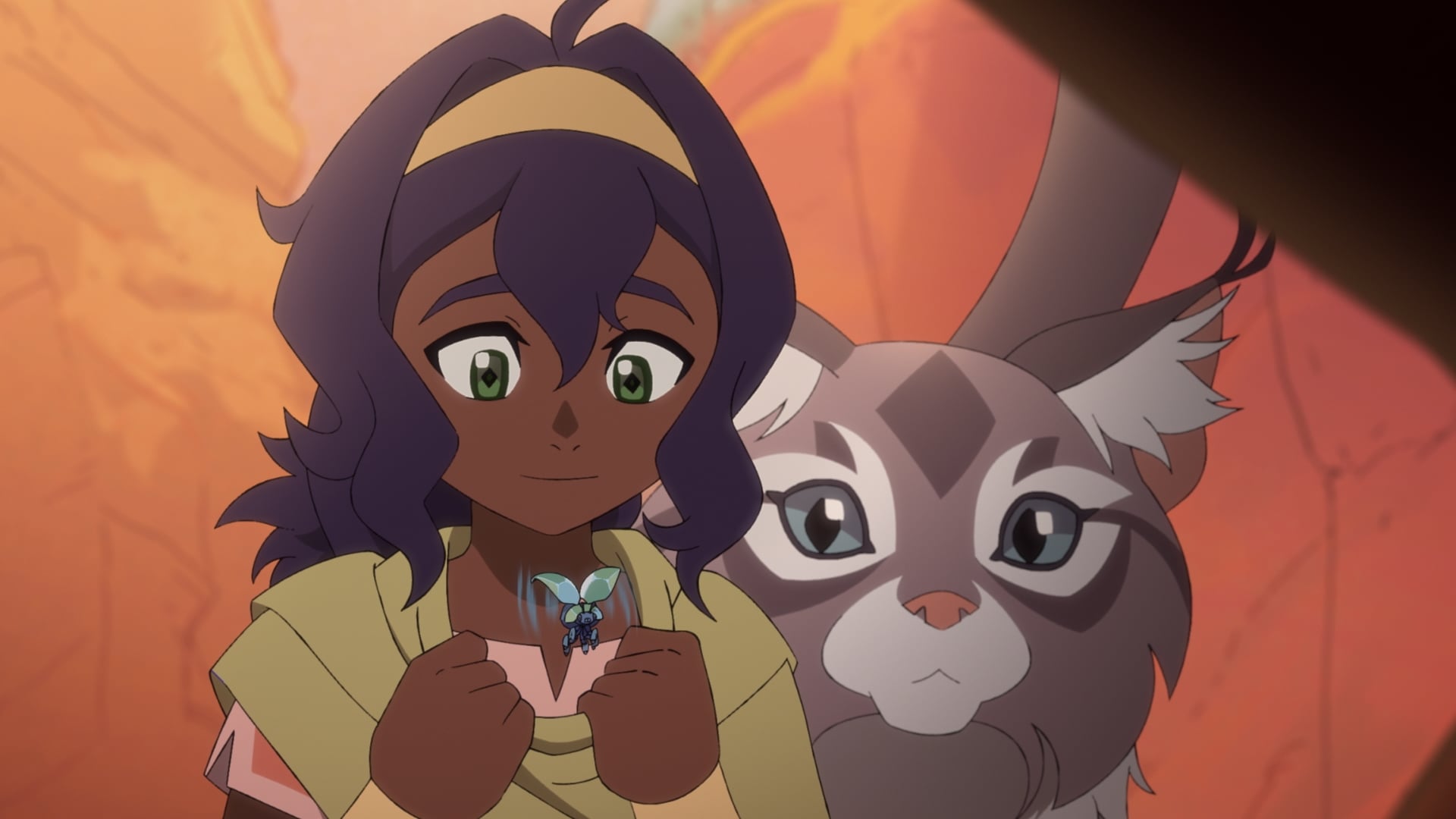
While the supporting characters in Avatar: Seven Havens‘ somewhat crowded ensemble take a while to warm up to, its winning dynamic is between its twins. Pavi and Nisha feel like a what-if scenario where Korra and Aang were siblings. Pavi has Aang’s pacifism and whimsy, and Nisha has Korra’s militancy and combat prowess. Seeing them work in harmony and bounce off each other is easily the heart of the show. Hopefully the rest of the season sees Seven Havens‘ writers turning up the temperature. Otherwise, watching Avatar: Seven Havens‘ premiere felt less like a frog in a slowly boiling pot of water and more like a show playing it a bit too safe despite its premise being the most radically risky the franchise has ever had.
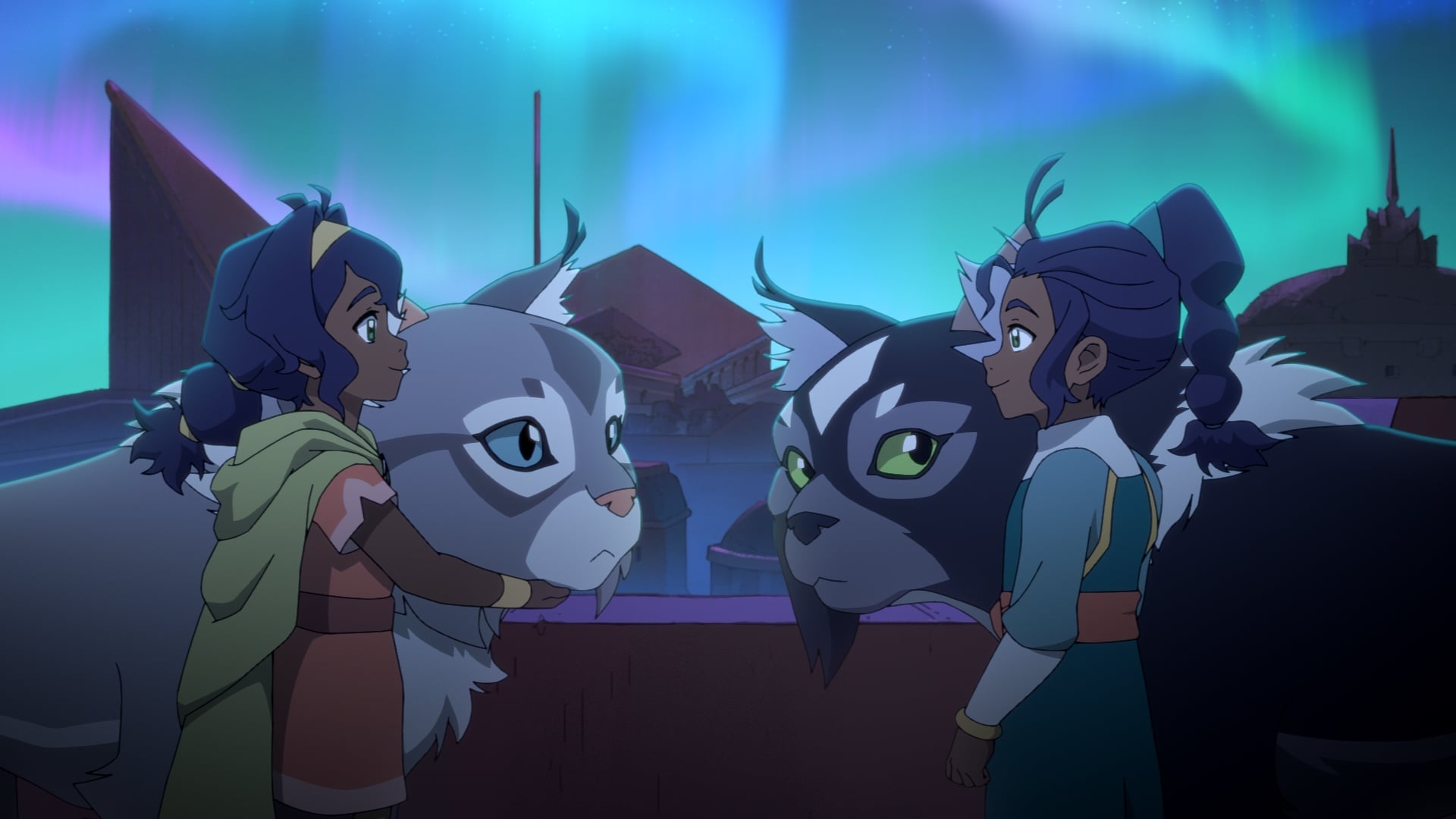
The one major issue with Flying Bark‘s Avatar Aang film is that its awe-inspiring animation does a ton of heavy lifting, while the story feels half-baked by comparison. Even so, the film proved the world still hungers for more stories set in Avatar‘s grand universe, whether with legacy characters or a brand-new ensemble. By comparison, Seven Havens feels like the pendulum swinging in the other direction, delivering a show that’s wildly engrossing while having diminishing returns in the animation department. It’s best described as impeccable art direction and middle-of-the-road animation. As for action, the largely 2D-animated show feels a couple of steps down from its predecessors.
Throughout the premiere, some animation feels a bit stuttered, and the voice acting and animation feel out of sync at times. Likewise, Avatar: Seven Havens‘ first few episodes switch from 3D to 2D for character models in noticeable places, but some shots get love; it’s just somewhat inconsistent throughout. In a vacuum, this isn’t majorly immersion-breaking, though it does feel a touch concerning, with rumors of production crunch and micromanagement from Avatar Aang potentially spilling over to the new show.
What would otherwise be a minor gripe for animation snobs becomes harder to ignore with the show’s more static camera work, taking a lot of the “wow” out of its bending. Although the show continues the series’ legacy of having a martial arts consultant, Seven Havens feels more like a show centered on the mysticism of element bending than on martial arts. Thankfully, the next three episodes are where the show really sings, with much of my griping above going up in smoke. Its action is crisp, hinting at the escalation of what bending can do—for good and for ill—and the animation feels worlds more consistent. Still, that doesn’t keep its premiere episodes from being a bit rough of a watch.
Although it sounds like I walked away from Avatar: Seven Havens mostly hating the show, its premiere still shines through, proving that DiMartino, Konietzko, and the folks at Avatar Studios still know how to work their magic. There’s a world where Seven Havens couldn’t have been cynically made as a legacy cash grab at the behest of a corporation banking on the name recognition and profit the series can turn two decades after its premiere. While Paramount isn’t beating the allegations as a rights owner who seemingly resents Avatar‘s still-beating fandom, Seven Havens never feels like it’s spinning its wheels as a safe, derivative work coasting on brand recognition. Granted, its premiere takes a while to get off the starting blocks, but the series has a strong foundation and the potential to become the most radically different rendition of the Avatar universe yet. Hopefully, the subsequent episodes of Seven Havens will see its animation feats sync up with the show’s engrossing reshuffling of its rich worldbuilding.
The first three episodes of Avatar: Seven Havens‘ 26 episodes are streaming now on Paramount+. Three new episodes will drop in batches each week until October 30, when the thirteenth episode airs. Details on the show’s remaining episodes, which will comprise Book Two of Seven Havens, will be announced later.
Want more io9 news? Check out the best movies and TV shows to stream this month and all the upcoming sci-fi, fantasy, and horror books that should be on your radar.