Meta heads to federal court in Oakland, California, on Tuesday in a trial brought by four states alleging the company’s flagship platforms, Facebook and Instagram, were designed to be addictive to children. The potential financial penalties are shocking, totaling as much as $1.4 trillion in the worst case scenarios, according to Meta. The company is currently valued at about $1.5 trillion, making that kind of financial blow an existential threat. But experts think there’s no way Meta is paying that much, even if it loses.
Attorneys General for California, Colorado, Kentucky, and New Jersey have brought the case that goes to trial Tuesday and is being overseen by District Judge Yvonne Gonzalez Rogers in the US District Court for the Northern District of California. The states want Meta to redesign its platforms to eliminate design features perceived as having a connection to addiction, like infinite scroll. The states also want new time restrictions for kids under 18 on platforms like Instagram and the deletion of any AI systems trained on data from children.
After decades of little to no regulation of social media in the U.S., American officials have recently tried to hold the Big Tech companies accountable for alleged connections to poor mental health in children. Meta has settled two lawsuits recently, including one with Kentucky’s Breathitt County School District that sought financial compensation for the cost of helping kids with mental health issues.
Many people have compared the legal issues facing social media companies like Meta to the tobacco lawsuits of the 1990s. At the time, states brought lawsuits in order to be reimbursed for the Medicaid expenses of people in their states who suffered from smoking-related illnesses. And much like the tobacco litigation, much of the question comes down to what the Big Tech companies knew. When Big Tobacco companies were shown by internal documents to have ignored the health hazards of their products and still marketed them to children anyway, it helped turn the cases against them.
“This week, we’re in court with the largest consumer protection lawsuit in American history. We’ll show a jury that Meta concealed what it knew about the harm its products cause young people because looking away was more profitable,” said Kentucky Attorney General Russell Coleman in a press release. “AGs are in the perfect position to get this done,” continued Coleman. “We did it with the Tobacco Settlement in the 1990s. We did it with the companies behind the opioid crisis. We’ll do it again with Meta.”
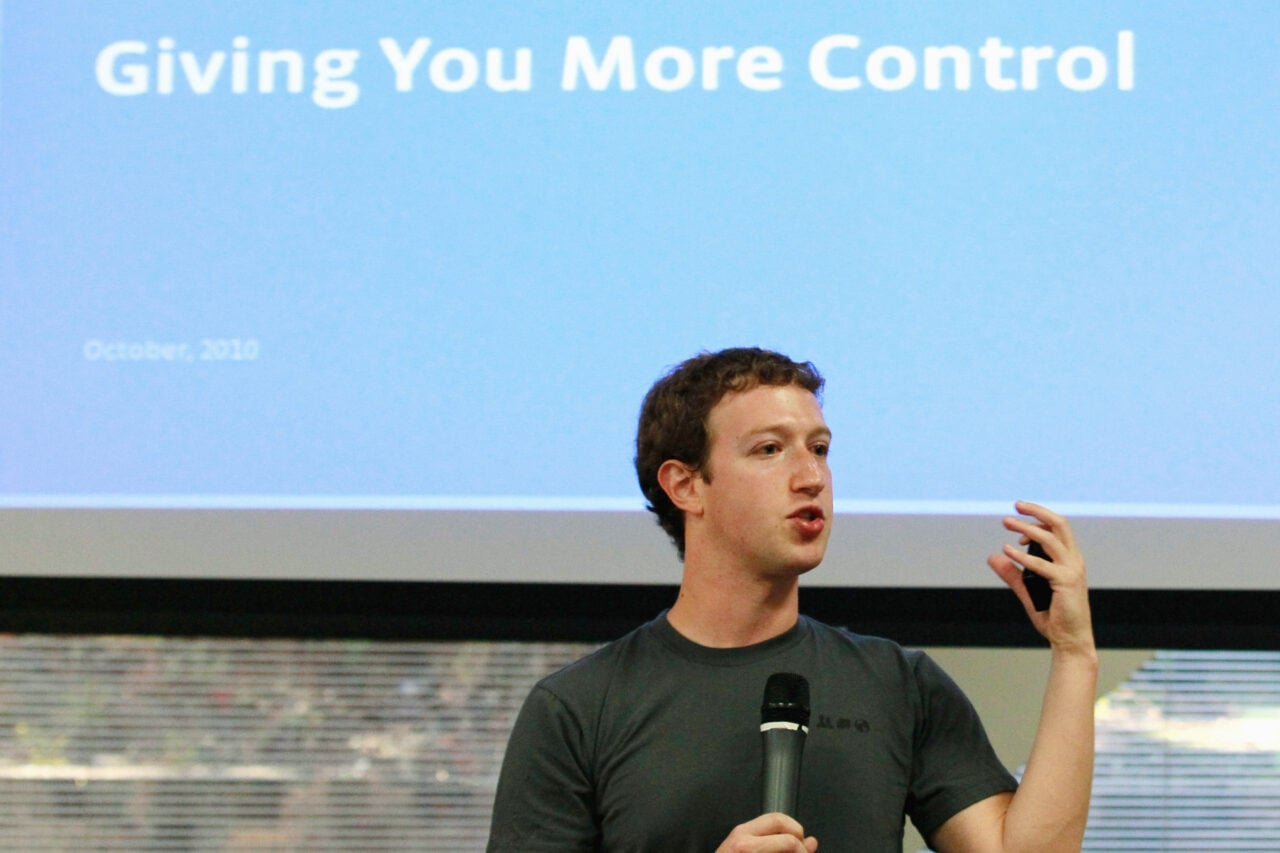
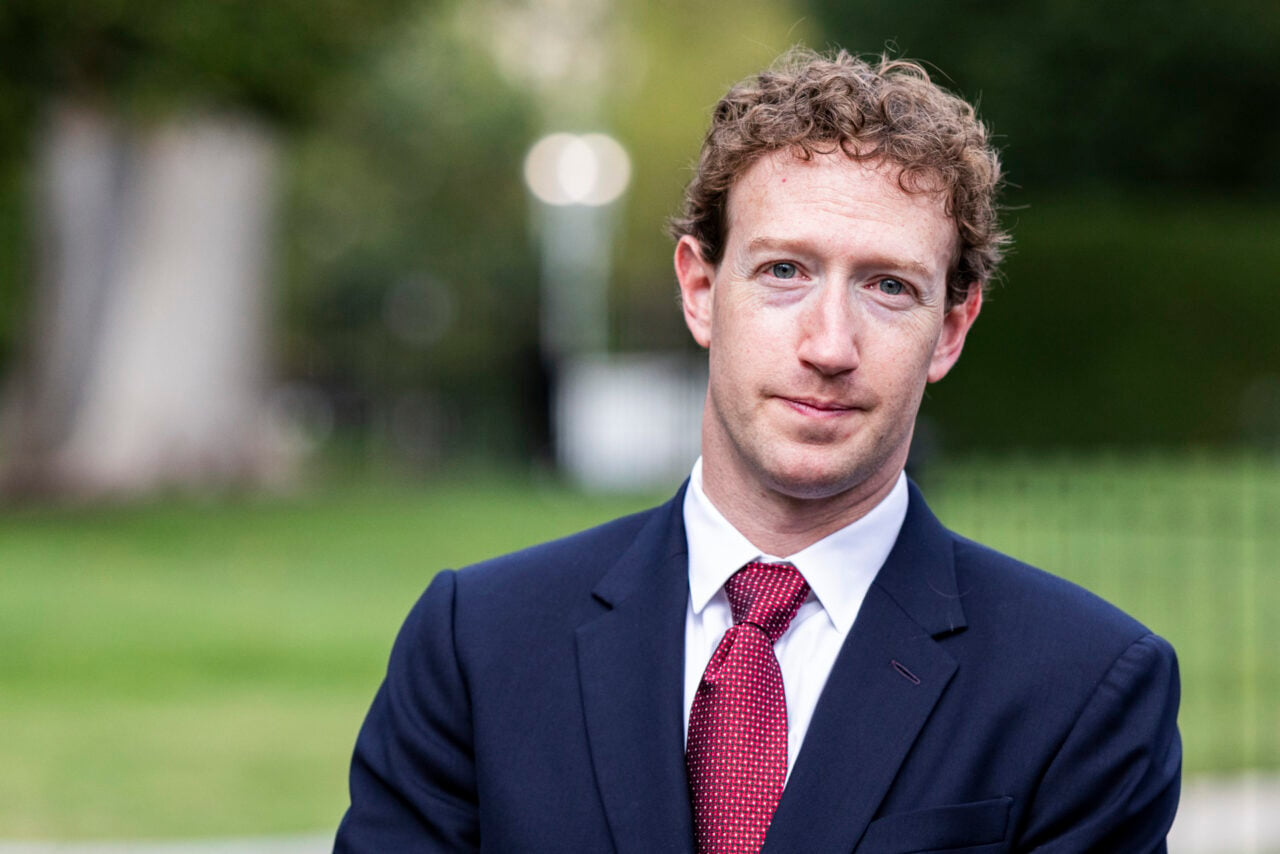
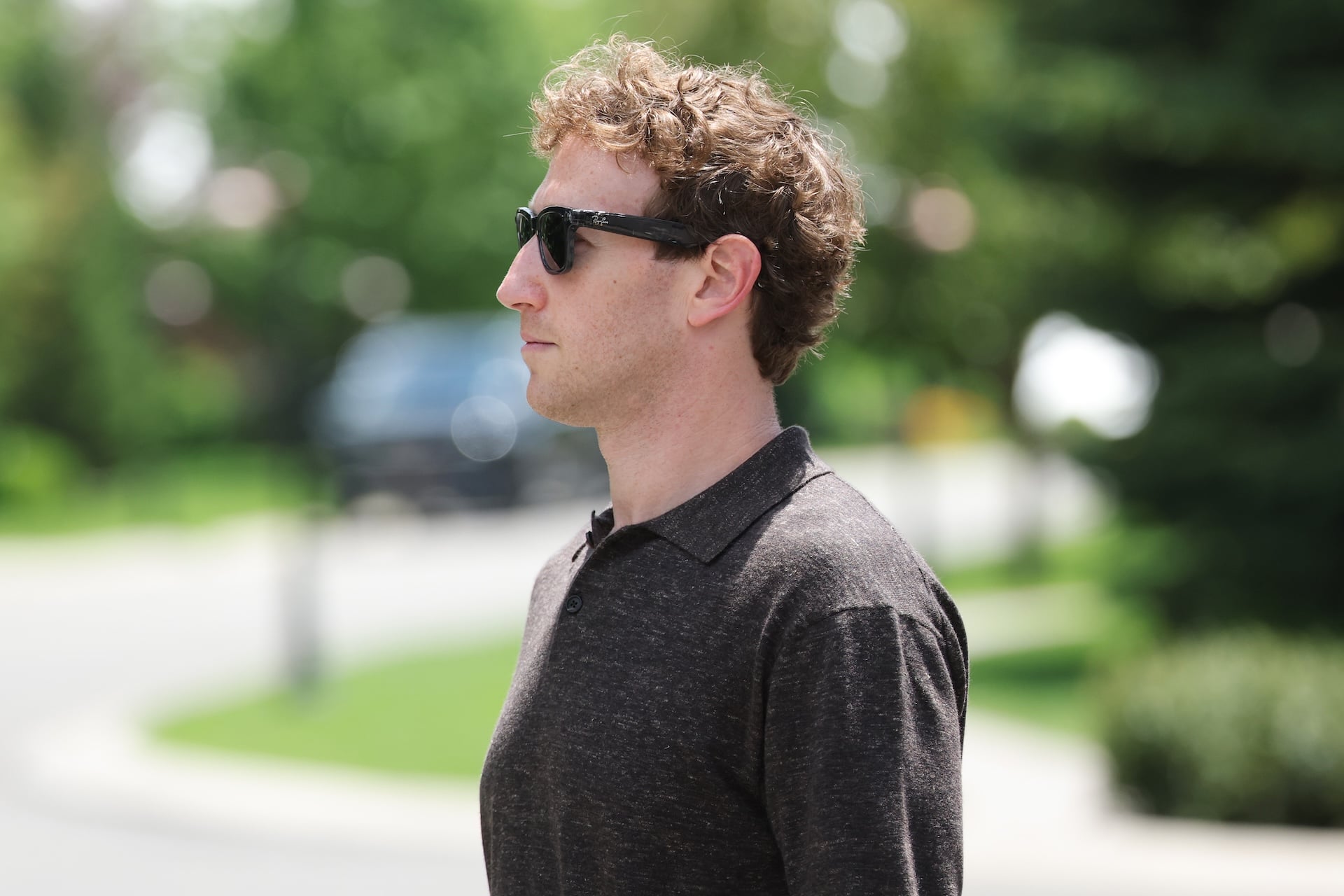
Meta CEO Mark Zuckerberg and Instagram CEO Adam Mosseri are expected to testify, and Meta has pushed back against these claims of harm.
“The State AGs may call this a landmark case, but their limited claims are unsubstantiated and their financial demands are vastly disproportionate. The AGs offer no proof anyone in their states was misled, claim benign features like having an additional Instagram account somehow harmed their residents, and attempt to penalize Meta for industry-wide challenges like age verification,” a Meta spokesperson told Gizmodo over email.
“Rather than sticking to the facts or the law, the states have instead decided to chase an outlandish payout. We stand by our record of creating strong protections for teens, and look forward to making our case in court,” the statement continued.
California, the home of Silicon Valley, has historically been a friendly regulatory environment for Big Tech. Nobody in power in California wants to kill the goose that lays golden eggs. But California has more recently attempted to respond to anger from the average person who believes that Meta has gotten away with too much.
“Meta designed Facebook and Instagram to keep kids on the platforms longer and longer — to the point of physical and mental harm. Exploiting our most vulnerable residents to boost corporate profits is not only morally wrong, it’s also illegal,” California Attorney General Rob Bonta said in a press release.
“Alongside my colleagues from Colorado, Kentucky, and New Jersey, and with support from states across the country, we head into trial ready to hold Meta accountable. As the home of great innovators and Silicon Valley, California has a particular opportunity and obligation to be a catalyst for change.”
Even with the deck stacked against Big Tech in terms of public opinion, it seems unlikely that Meta will get put out of business anytime soon, at least through litigation involving alleged harm to kids. There’s no question that this case is important and will serve as a way to gauge the viability of future cases. But experts don’t think Meta will have to pay out anywhere close to $1.4 trillion, assuming it loses, which is no guarantee.
“It’s not plausible in the sense that Meta doesn’t have that much money and could not get it,” James Grimmelmann, a law professor at Cornell Law School and Cornell Tech, told the Associated Press. “An award that large would put Meta into bankruptcy, wipe out its owners, and effectively result in the states owning Meta.”
The most likely result will either be a much smaller payout or a settlement. In the case of the tobacco companies, a Master Settlement Agreement was entered into in 1998 that committed billions of dollars to be paid out for medical expenses to the states over the course of 25 years and new commitments that Big Tobacco wouldn’t target kids.
An eight-person jury has been selected to hear the case in Oakland but they will only serve in an advisory role, with the ultimate decision resting with Judge Yvonne Gonzalez Rogers. The case is expected to last four to six weeks.