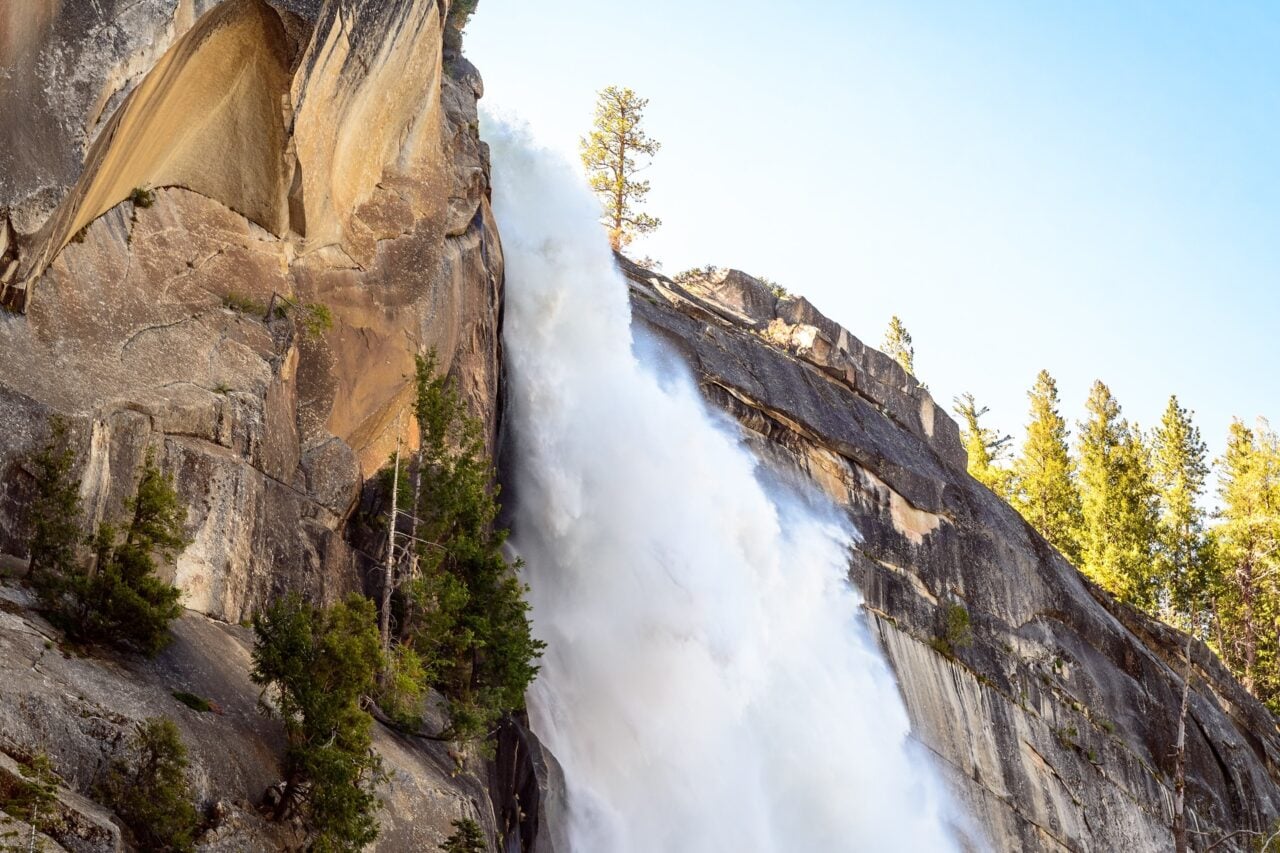
A tourist hiking through Yosemite National Park’s Mist Trail noticed something unusual on Sunday. People in “yellow shirts,” the hiker posted on Reddit, “rolled a body bag down the granite steps on an off-road stretcher. We all had to step to the side so they could make it […] one of the most chilling things I’ve ever witnessed.”
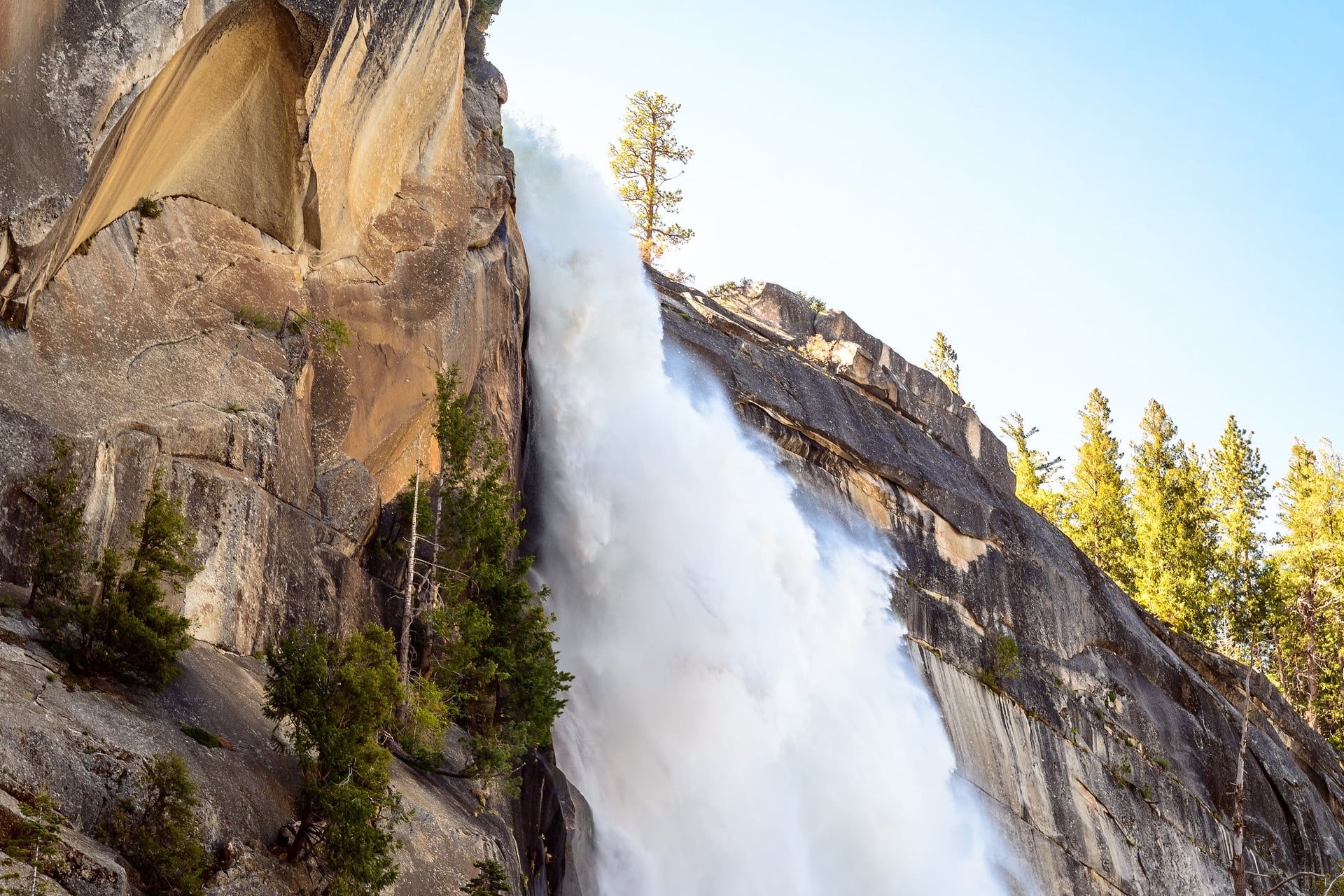
But the encounter—the apparent aftermath of the death of a 23-year-old who fell over the park’s 594-foot (181-meter) Nevada Fall on Saturday—has only officially been confirmed as “an incident” by the U.S. National Park Service (NPS). This seemingly needless air of mystery surrounding the event appears to be an intentional new policy, judging from an internal memo from the park service’s overseers with the U.S. Department of the Interior, as first reported by the Washington Post. The new internal guidance reportedly states that Interior agencies “shall not confirm a death” nor “the severity of injuries” following incidents—a departure from past policies that might increase the risk of fatal accidents among park patrons, according to NPS staff who spoke with the Post.
The policy allegedly delayed an announcement on the deaths of three visitors to Grand Canyon National Park this month, “apparent heat-related deaths” attributed to sweltering days above 100 degrees Fahrenheit (38 degrees Celsius), as three anonymous park staffers told the Post.
Respecting “investigative processes”
To the extent this move might reveal the Trump administration’s anxieties over deaths in America’s national parks (or the political optics of those deaths), the new restrictions might stem from the thousands of buyouts and early retirements that have dropped permanent park staff by roughly one quarter. According to NPS veteran Bill Wade, now the executive director of the Association of National Park Rangers, the staff cuts—which has left vacancies for lifeguards, park rangers, and more—could impact the parks’ ability to protect visitors and even locate missing persons.
“The lack of permanent staff all the way around is likely to have some impact on emergency response capability for things like search and rescue,” Wade told the Utah-based National Public Radio affiliate KUER last year.
Interior Department representatives, however, pushed back on this interpretation in statements after the new Post report: “The narrative being presented is false and reflects a significant mischaracterization of the Department’s guidance,” a department spokesperson told The Daily Beast. The guidance, they said, was “developed to create a more consistent approach” and is “not intended to conceal fatalities or delay information.”
The department emphasized that its new policy withholds information instead out of respect for “investigative processes, privacy considerations, next-of-kin notifications, and, in some cases, requests from family members.”
(NPS staff who leaked other recent communications restrictions to the nonprofit National Parks Traveller this January, and worried about “accuracy of information shared with the public,” might beg to differ, however.)
“Maximum disclosure, minimum delay”
Despite their lurid headline-grabbing magnetism, deaths of any kind within America’s national parks are exceedingly rare, according to the agency’s statistics: An average of 358 people die within the parks each year, amounting to less than 0.012% of the over 300 million visitors annually. The vast majority of these deaths, according to NPS, have been caused by motor vehicle accidents and drownings. More salacious deaths by wild animal attacks or homicides account for single-digit figures each year.
That said, past NPS guidance to staff advocated for a policy of “Maximum Disclosure, Minimum Delay,” according to a template reviewed by the Post—intending to help avoid speculation or panic from the public, as well as to educate visitors of any emerging dangers at each park.
One former superintendent for Yellowstone National Park, Dan Wenk, told the paper that this previous push toward transparency was essentially the only way to deal with public curiosity about these deaths.
“When I had a grizzly bear kill somebody, I literally had 10 uplink trucks outside my office the next morning,” Wenk told the Post. “People want facts and they expect answers.”