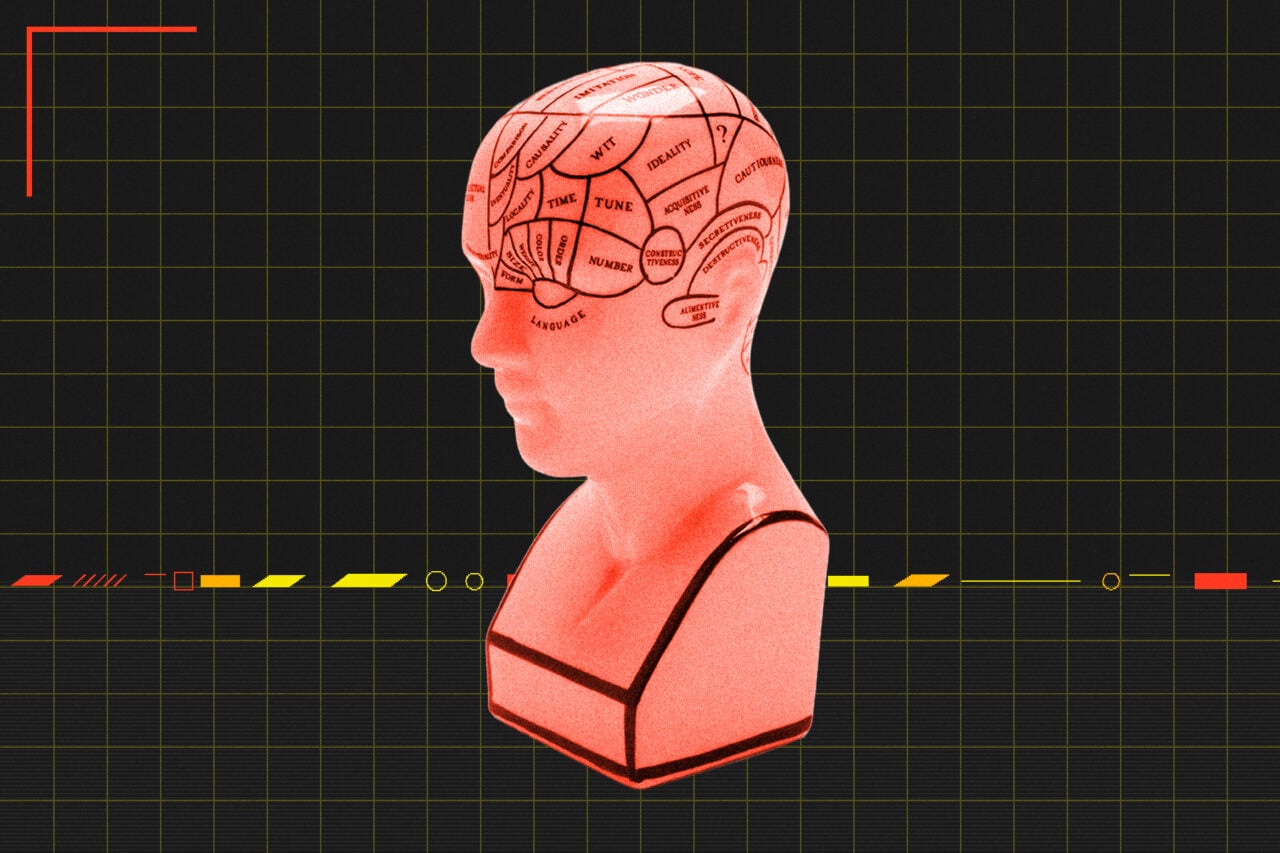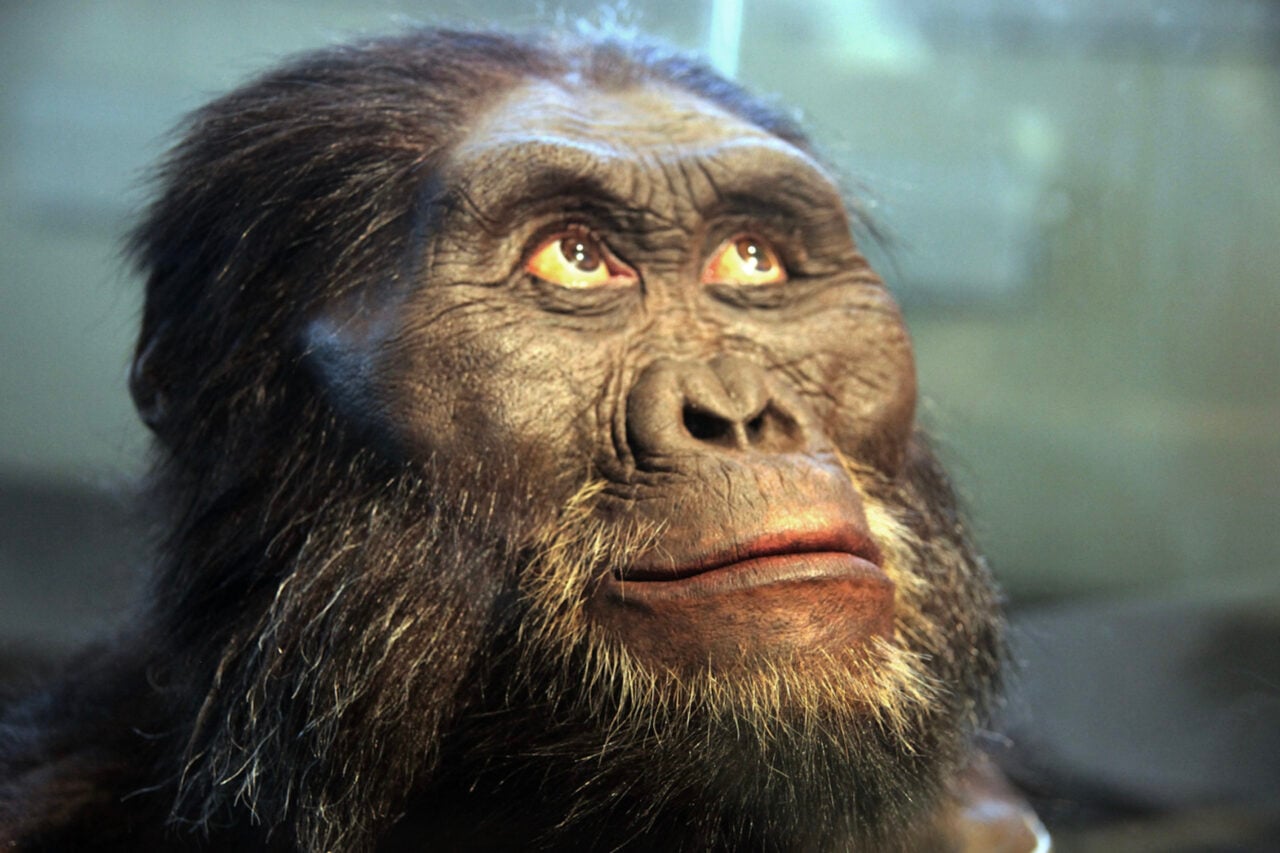
Compared with Neanderthals, Denisovans are a relatively recent discovery. But evidence suggests they’re among our closest extinct relatives—and now, we may finally have a face to put onto a Denisovan’s name.
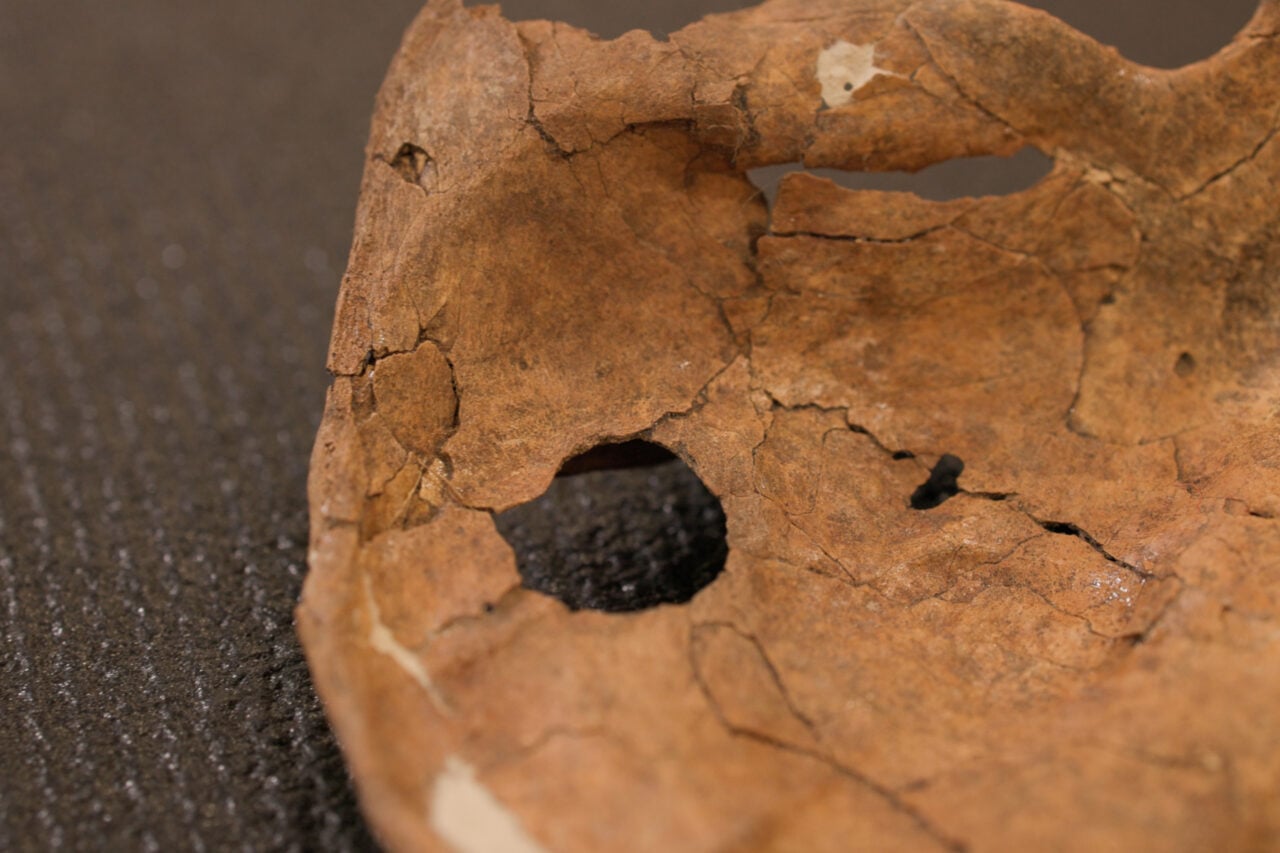
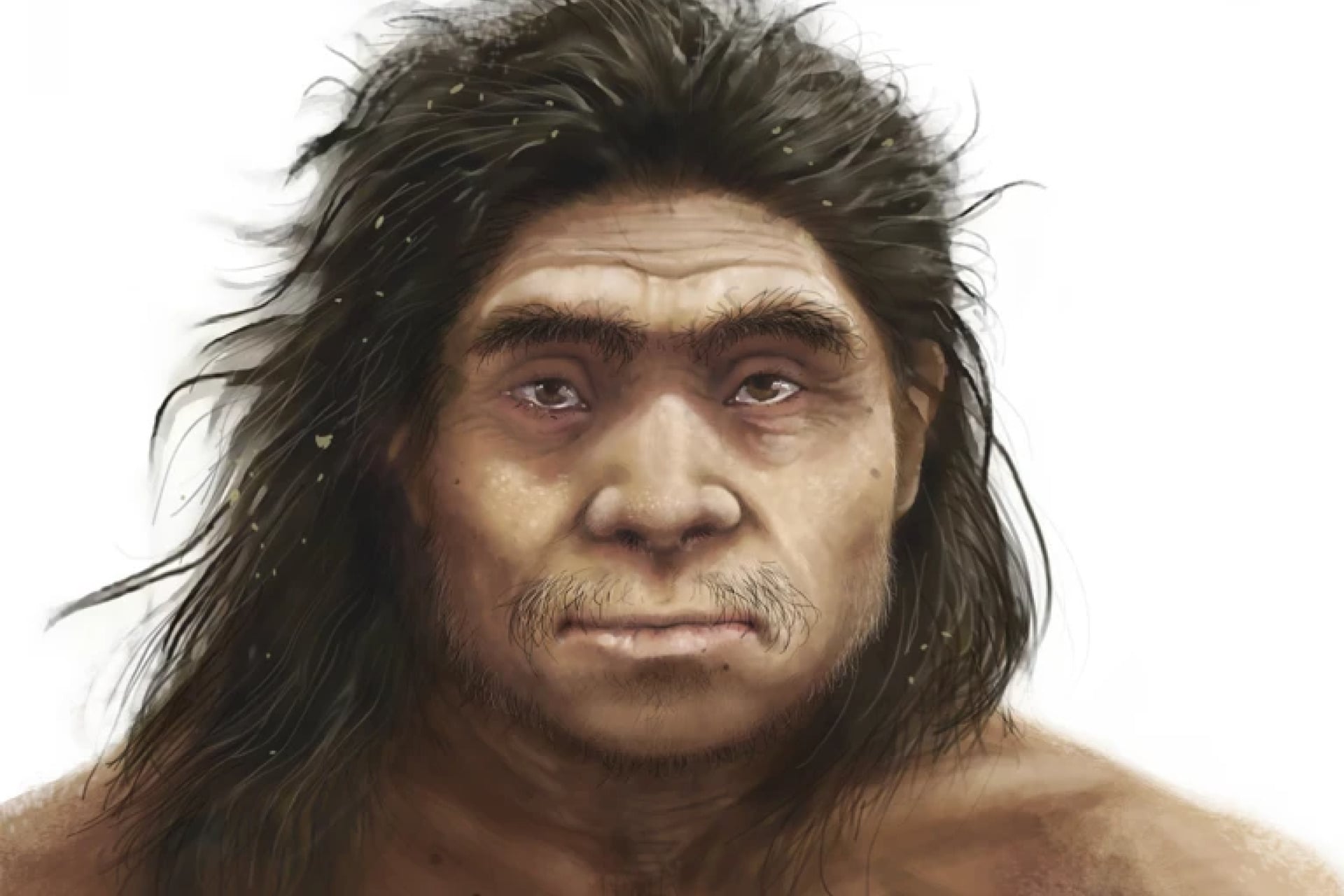
Just last month, research teams primarily based in China reported the discovery of Denisovan remains that shed light on their geographical distribution, as well as their biology, diet, and societal practices. Yesterday, a different team involving many of the same researchers published new analyses in Nature of a collection of 20 fossils from Xujiayao, a paleoanthropological site in eastern China. From protein analysis, the team affirmed that the remains—dated to between 138,000 and 199,000 years old—were Denisovan. Further investigations of the fossils’ physical features allowed the team to guess what these ancient humans might have looked like—hence, the illustration above.
According to the study, Denisovans had a low cranial profile, rectangular eye sockets, a massive brow ridge, flat cheekbones, and a slightly protruded jaw. Overall, the Denisovans shared some features with the Neanderthals but were different in several important aspects, according to a statement (translated via Google) on the findings from the Institute of Vertebrate Paleontology and Paleoanthropology at Chinese Academy of Sciences (CAS).
The Denisovan lore
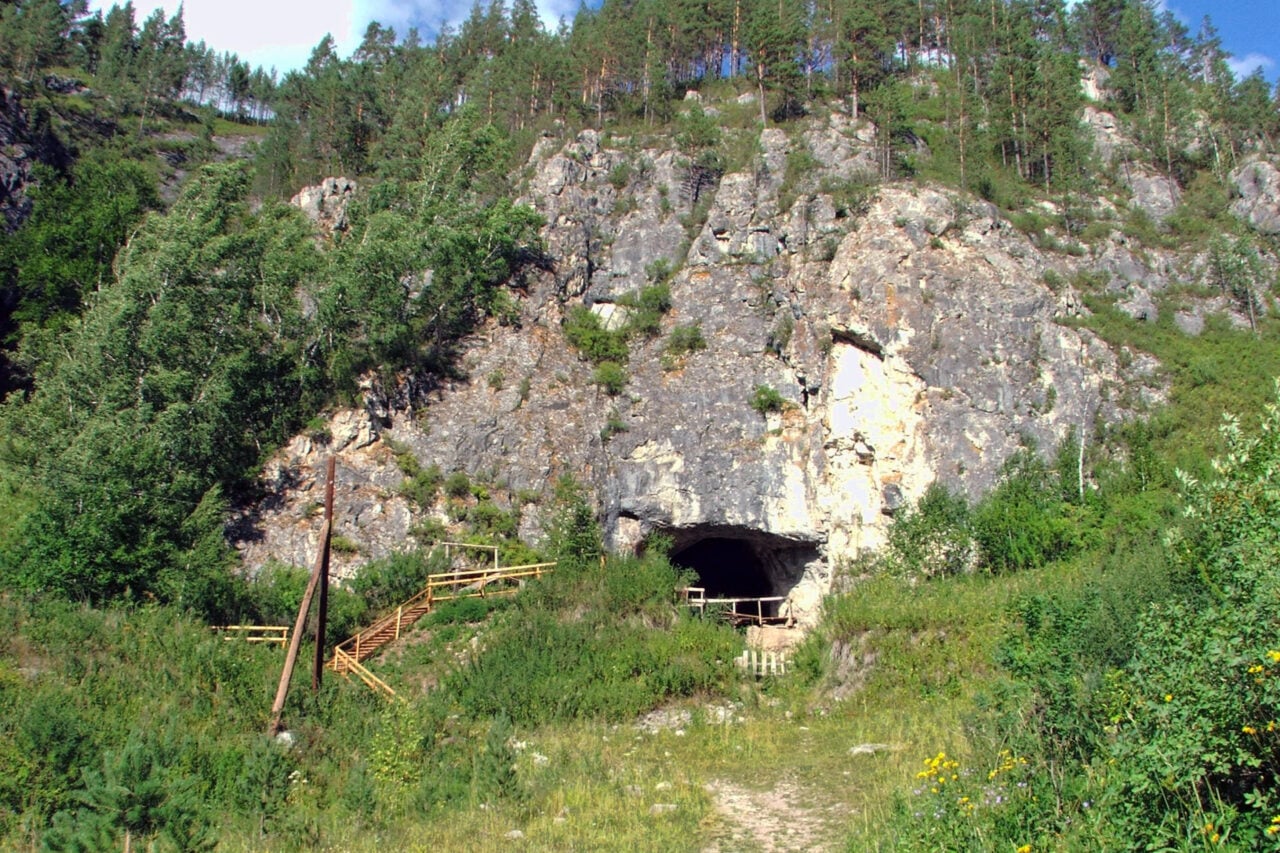
The first fossils recognized as Denisovan were discovered in 2008 in Russia’s Denisova Cave, and DNA results from 2010 indicated that the remains belonged to an “entirely unknown species of ancient human,” according to a blog post by the U.K. Natural History Museum. Since then, discoveries—primarily in Asia—added to evidence that the Denisovans were a genetically distinct species from Neanderthals.
That said, their novelty to scientists meant that researchers didn’t know as much about Denisovans as they did about Neanderthals, explained the CAS. According to the CAS, molecular evidence has expanded our knowledge of Denisovan distribution, but the academic community had yet to agree on common physical features that would help to “quickly identify” Denisovan remains.
A protein check
Proteomic analysis, which exploits how tiny bits of ancient protein preserve a huge amount of data, is an increasingly popular—and successful—technique in paleoarchaeology. It’s how one research team found holy plants in Ancient Egyptian glue. It’s also how the researchers involved in the latest work identified Denisovan remains at Bianfu Cave in last month’s discovery, and, of course, for the Xujiayao bones, too.
In a comment to Nature News, Sally Wasef, a paleogeneticist at the Queensland University of Technology in Brisbane, Australia, explained that although DNA provides more detailed information, ancient proteins survive longer and still reveal valuable information on an individual’s genetic background. Wasef was not involved in the new study.
The genetic smoking gun?
For the latest study, the team singled out an amino acid change that so far has only been observed in fossils confirmed to be Denisovan. Importantly, this protein variant hasn’t been seen in samples from modern human or Neanderthal remains. In other words, this could be used as a molecular marker to reliably identify Denisovan remains, according to the CAS.
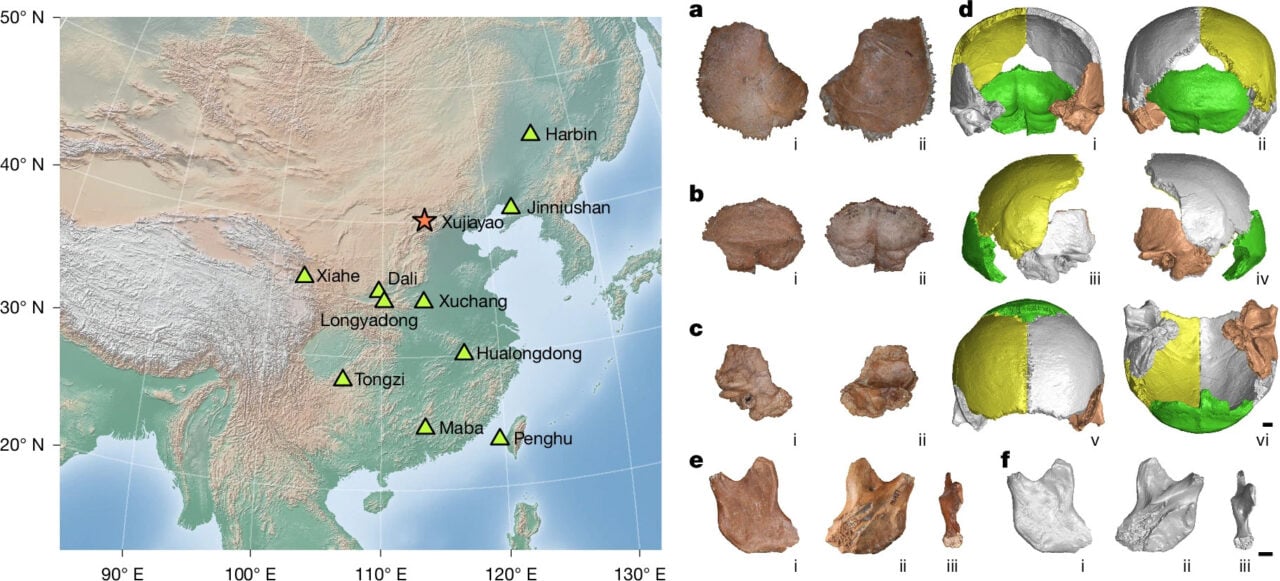
But to be extra sure, the team studied the morphology of the Xujiayao skull fragments in closer detail. To do so, the researchers also gathered roughly 200 remains from different human species to more clearly define physical features unique to the Denisovans. To Nature News, Qiaomei Fu, the corresponding author on the study and a geneticist at CAS, explained that this exercise may come in handy when classifying other fossils that we don’t yet realize are Denisovan.
A ‘chaotic’ Middle Pleistocene
That said, both the team and outside experts agree that more samples would help validate the new findings. Fabrice Demeter, a paleoanthropologist at the University of Copenhagen, Denmark, noted that Denisovans lived across a wide geographic range over hundreds of thousands of years, so there are likely variations in morphology for the same species.
The CAS added in its statement that previous studies have shown how Neanderthal genetics shifted as a result of mixing with other early human species, so it wouldn’t be surprising if Denisovans experienced something similar. Even so, the latest findings challenge the view that East Asia was a “chaotic” region in terms of genetics during the Middle Pleistocene (between 129,000 and 774,000 years ago), the CAS explained.
The latest study “fundamentally improves this situation” by providing more clarity to the identity of the Denisovans, or at least for the Denisovans that occupied modern-day Asia. So, as it’s often the case with these types of findings, the jury is still out on how accurate the interpretations are—and whether a Denisovan would love or hate that portrait above.
But we can at least be sure of this idea: ancient humans were as distinct and genetically diverse as the humans that walk this Earth today.