Sometimes you read an allegation of a deed so harsh, but simultaneously so low-reward, that it’s almost impossible to take it at face value. That’s the situation with a lawsuit filed in the Northern District of California last month. If you take the law firm Brithem LLP at its word, a nonprofit established by Toyota called the Toyota Mobility Foundation (TMF), which is run by Toyota’s executives, allegedly stole secrets from a Mauritius-based, Zimbabwe-operated electric trike company, and handed them over to a company elsewhere on the continent of Africa so that company could turn a profit while Toyota (allegedly) burnished its do-gooder image.
According to the New York Times, the plaintiff, Mobility for Africa, is the creator of an e-trike called a Hamba, a slow-moving, three-wheeled trike with a 60-mile range, ideal for transporting agricultural goods along dirt roads from homes to marketplaces. The company is led by South Africa-based Shantha Bloemen.
Bloeman told the Times her company has a mere 300 Hambas. Mobility for Africa provides charging infrastructure, and leases out the trikes—ideally to women, apparently. A Hamba has a pickup truck-style bed “that can carry 400 kilograms (about 880 pounds) of cargo and a bench seat designed for women wearing skirts.”
The TMF took an interest, according to the Times, and “created a pilot program in Kenya that used Mobility for Africa’s model and described the program as a partnership with Ms. Bloemen’s organization, according to the suit.”
But Bloeman now claims that the TMF also secretly provided Los Angeles-based Exa Innovation Studio with the intellectual property behind Hambas, allegedly allowing it to form another company in Kenya: Songa Mobility, which, sure enough, makes e-trikes with bench seats and pickup truck-style beds.
The Times quotes the suit as saying, “The commercialized Songa Mobility solution is virtually identical to the program [Mobility for Africa] developed and shared [with Exa].”
The Times says according to the text of the suit, Mobility for Africa had a contract with TMF specifically holding onto its intellectual property, and disallowing Toyota from sharing it with other entities. It also says the TMF’s actions have allegedly made it hard for Mobility for Africa to fundraise and make good on its plans to expand beyond Zimbabwe.
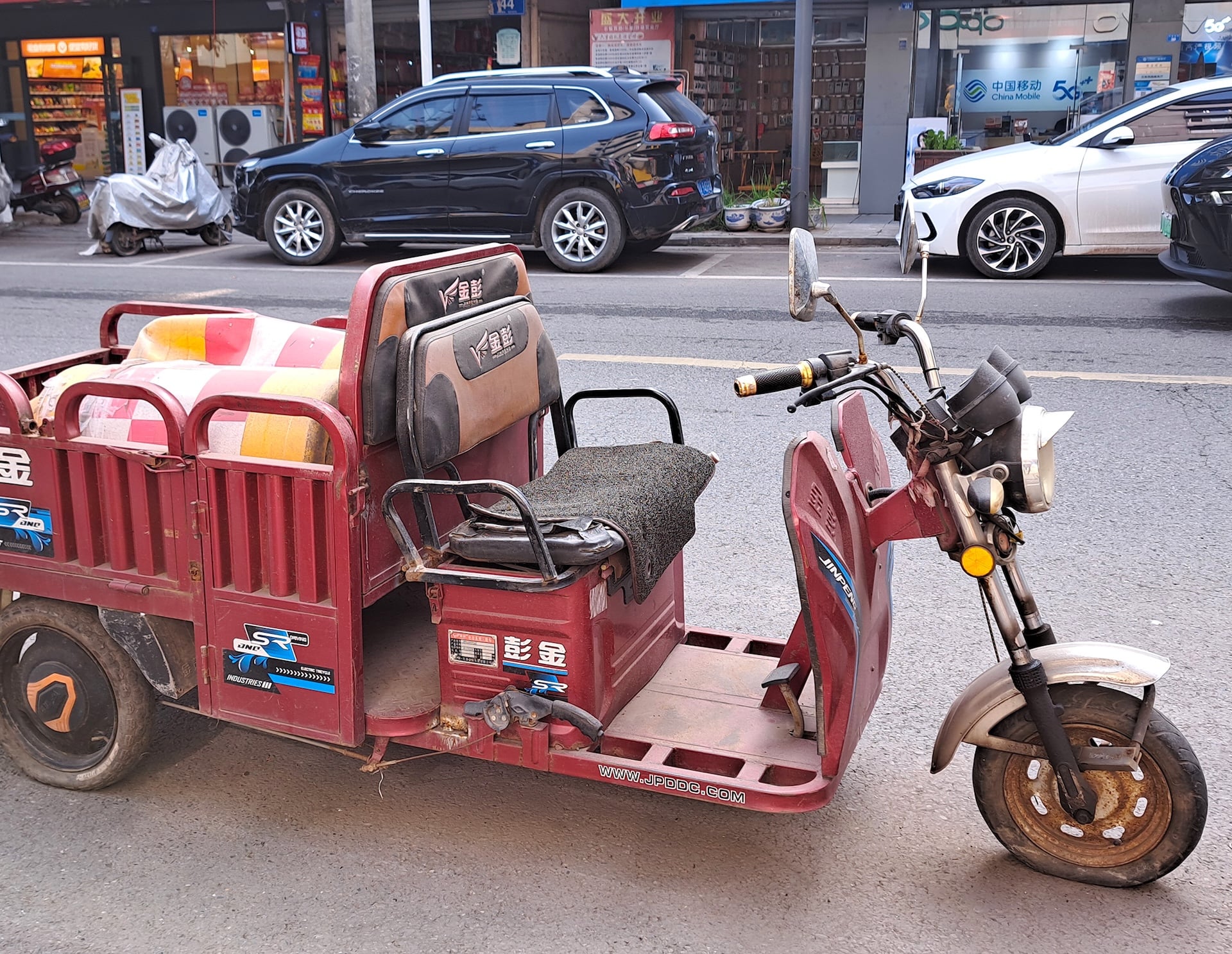
It should be noted that all of these e-trikes are—visually at least—similar to inexpensive vehicles that are widely available from suppliers in China.
The Toyota Mobility Foundation told the New York Times it was “aware of this matter and is investigating,” and declined further requests for comment.