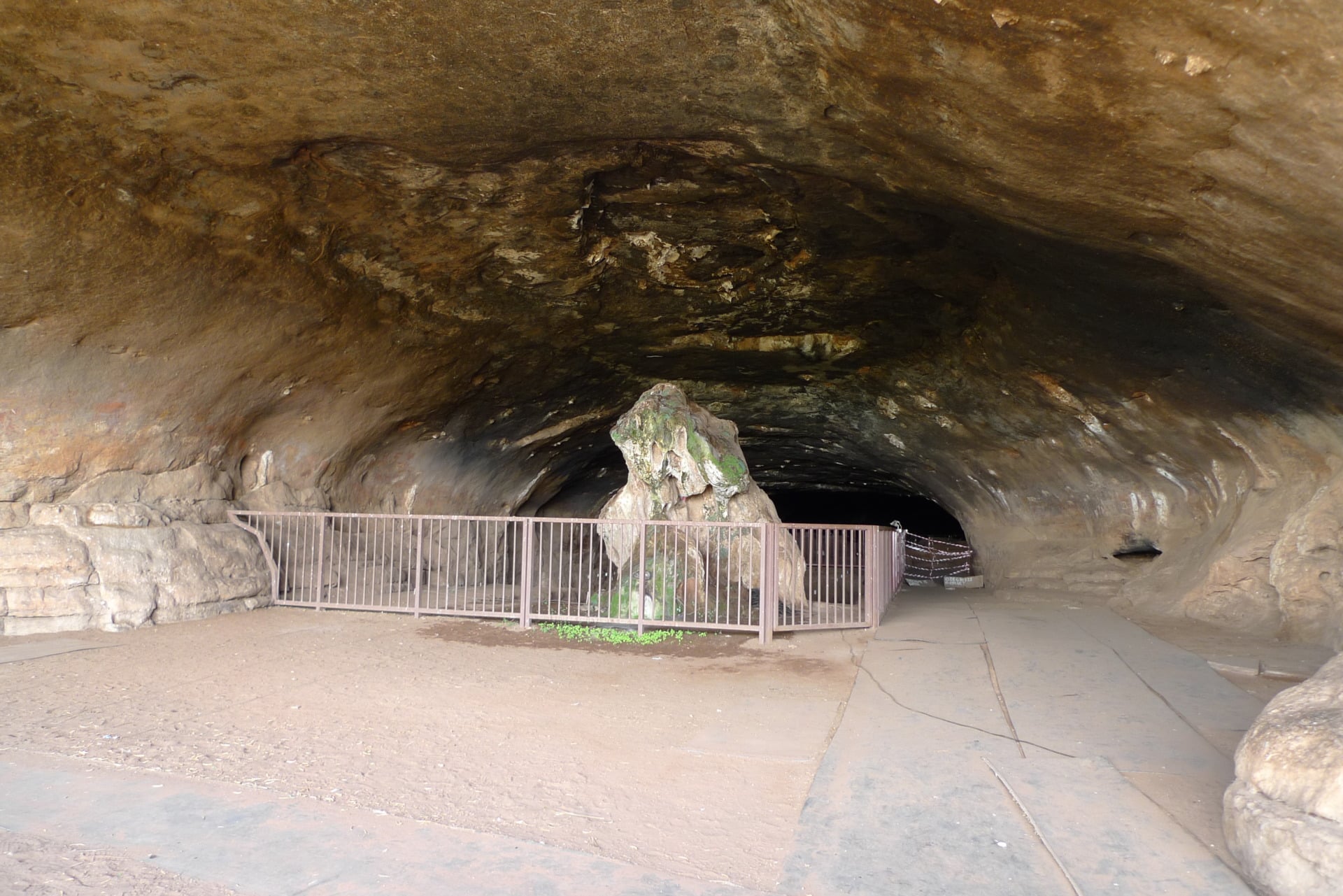
Researchers have been excavating for clues on human prehistory inside Wonderwerk Cave below South Africa’s Kuruman Hills since the 1940s. But that work has really started to heat up (no pun intended, I swear) ever since the site started to show evidence of our ancestors’ earliest known use of fire back in 2012.
Now a sprawling international team of archaeologists, paleontologists, geologists, and others say that they have documented compelling evidence that our ancestors’ first known use of fire dates back 700,000 years earlier than prior estimates. Employing a new luminescence technique to date burnt bone fossils, the researchers estimate that ancient hominids inhabiting the cave were likely fueling their fires with animal droppings as far back as 1.07 to 1.79 million years ago.
“This is intentional use of fire, which doesn’t mean that people started it; they are two separate things,” as zooarchaeologist Liora Kolska Horwitz, co-director of the Wonderwerk Cave project, emphasized to The Times of Israel.
“We can say that it’s not a natural fire, because the fire is at least 30 meters [98 feet] in from the entrance of the cave, so it was not a wildfire that crept in,” Kolska Horwitz, who has worked the site for over two decades, noted. “There is also nothing in this layer that could have caused what we call spontaneous combustion, like guano [the highly flammable excrement of bats, seabirds, and some other animals].”
A very illuminating approach
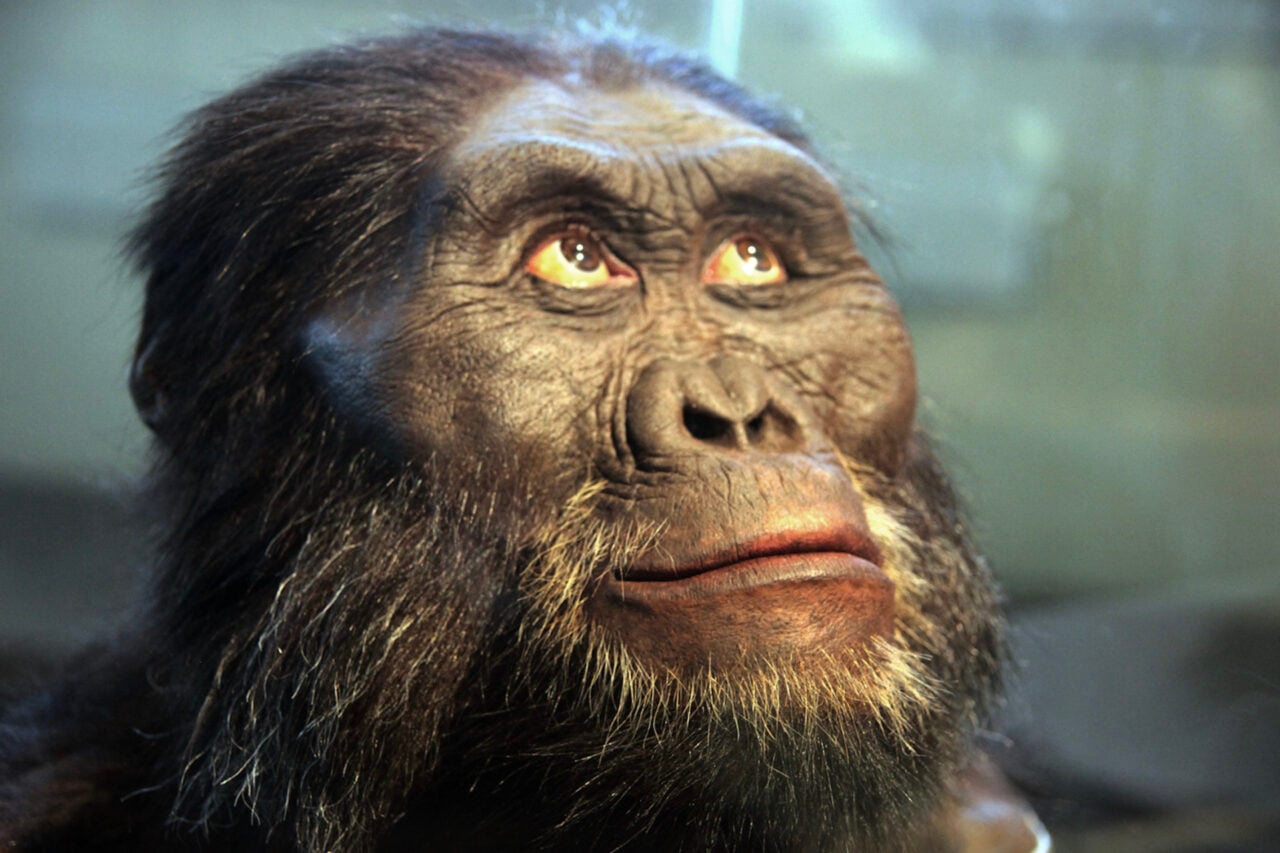
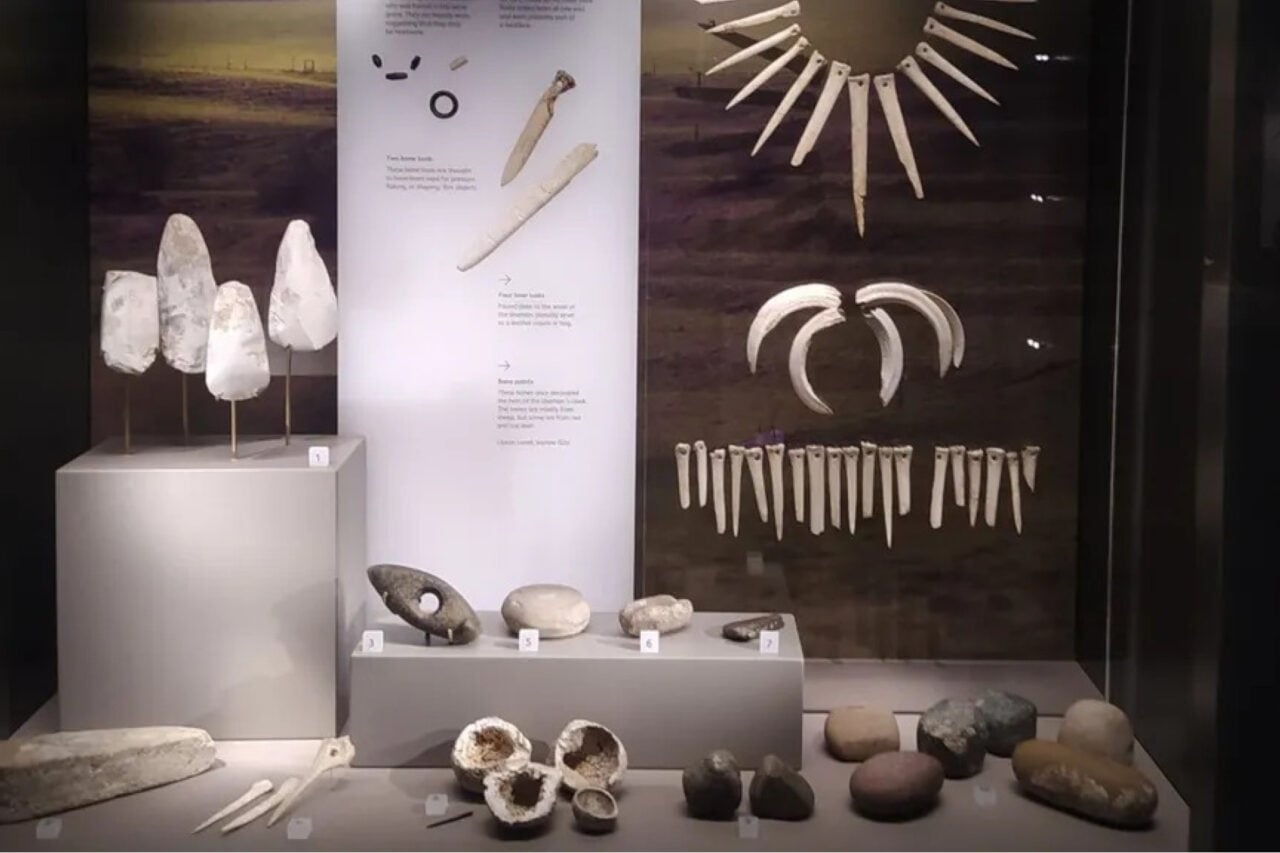
Based on artifacts present in the archaeological layer alongside these fossil bones, Kolska Horwitz and colleagues suspect that these fires were the work of the human ancestor Homo erectus. In short, the team found so-called Acheulean-style tools, attributed to this hominid species from roughly 1.6 million to 200,000 years ago, at similar depths within the cave.
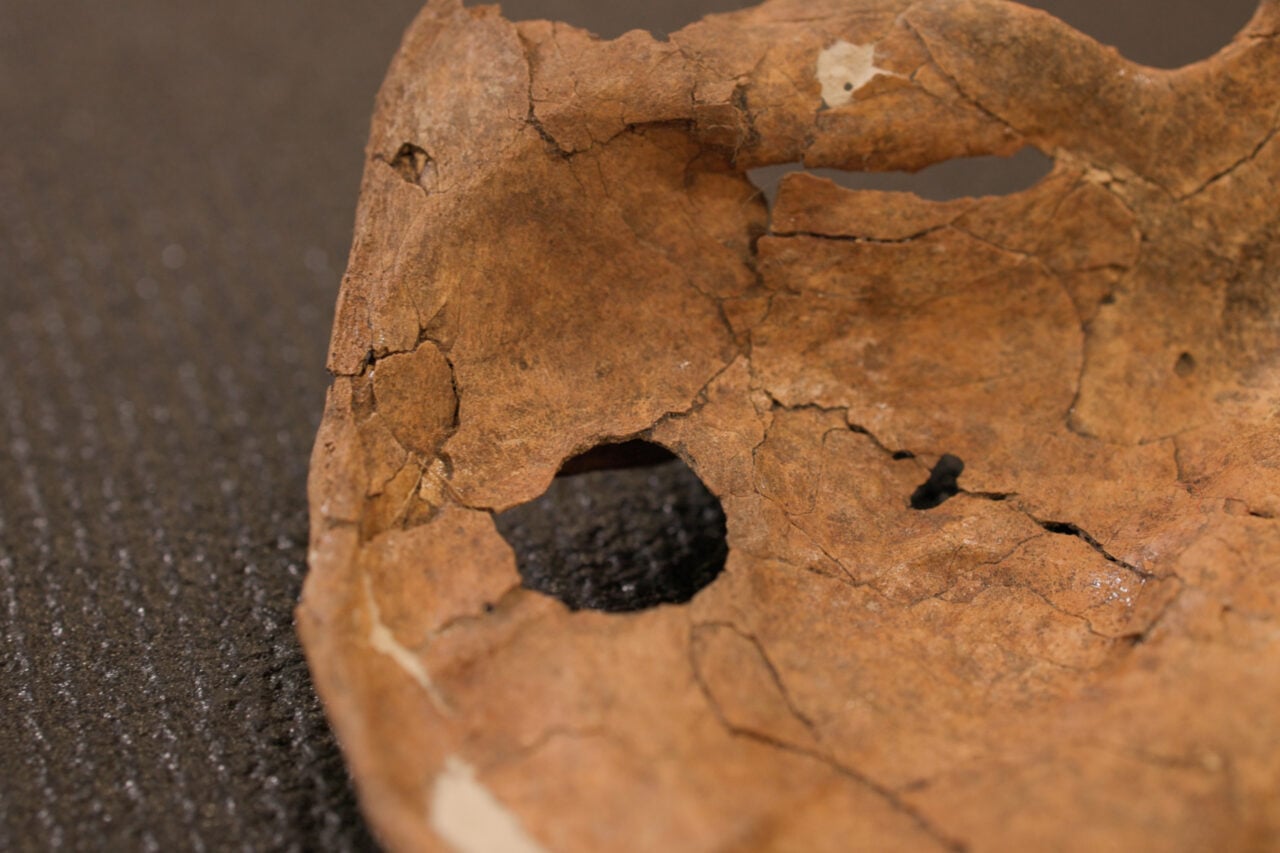
Crucially, the team uncovered the tell-tale fossil bones embedded in burnt owl droppings deep within Wonderwerk, which they believe these ancient peoples had used as fuel. These bones are tiny, apparently the remains of rodents hunted by the ancient owls.
“Evidence of fire from such ancient sites is often subtle and difficult to detect,” Kolska Horwitz noted in a statement. “Our study provides new tools for identifying traces of ancient burning.”
This technique—a form of non-destructive luminescence involving short-wavelength, near-ultraviolet light—produces a unique glow off bones that have been subjected to burning. The researchers were then able to corroborate that evidence of burning alongside more tried-and-true analyses testing for chemical evidence of char.
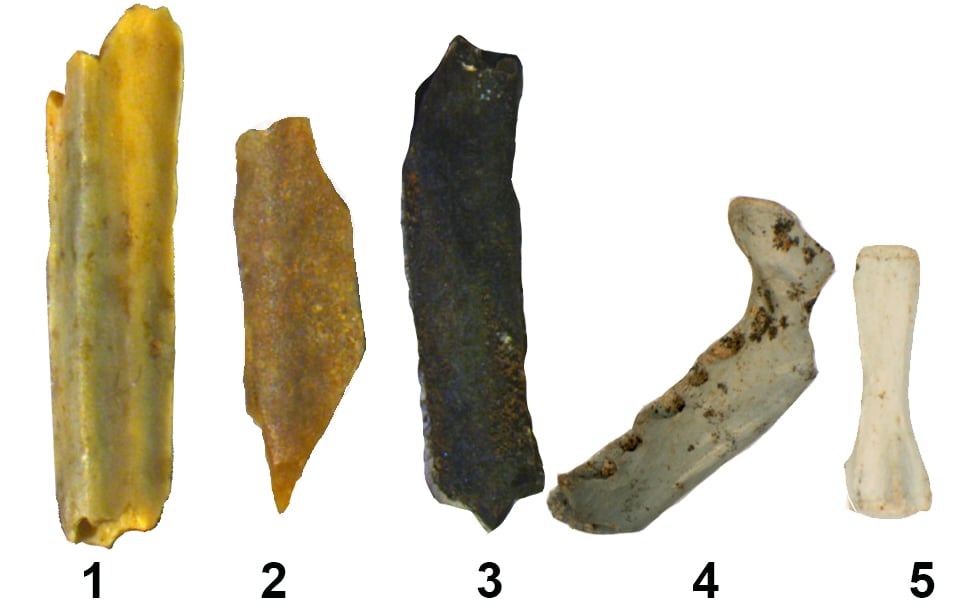
To date this evidence, Kolska Horwitz and her colleagues resorted to aggressive sampling, including two methods beyond simple radiocarbon dating: cosmogenic dating, which measures how long the surface of a geological formation had once been exposed to cosmic rays; and paleomagnetic dating, which examines the directionality of remnant magnetism in rocks against the tectonic migrations of the continents relative to Earth’s magnetic poles.
“These discoveries show that early humans were not simply passive observers of natural fires,” Kolska Horwitz said. “They were actively engaging with fire and incorporating it into their lives.”
A cavernous mystery
Juan Manuel Jiménez Arenas, an archaeologist at the University of Granada in Spain who was unaffiliated with the project, complimented the team on its wealth of evidence—including chronological analyses of the cave’s historic layers, a method called sequence stratigraphy.
“The researchers have several factors in their favor,” Jiménez Arenas said in a statement. “First, the location of the remains 30 meters from the current entrance makes it unlikely that the burning material traveled accidentally from the outside. Second, the fact that these fires recur throughout the stratigraphic sequence.”
But, Jiménez Arenas cautioned, the sheer scope of how these findings would change our understanding of human prehistory makes them extraordinary claims in need of more extraordinary evidence.
“[To] propose a change of such magnitude […] I believe more compelling direct evidence related to its functionality (for example, food cooking) would be required,” he said.