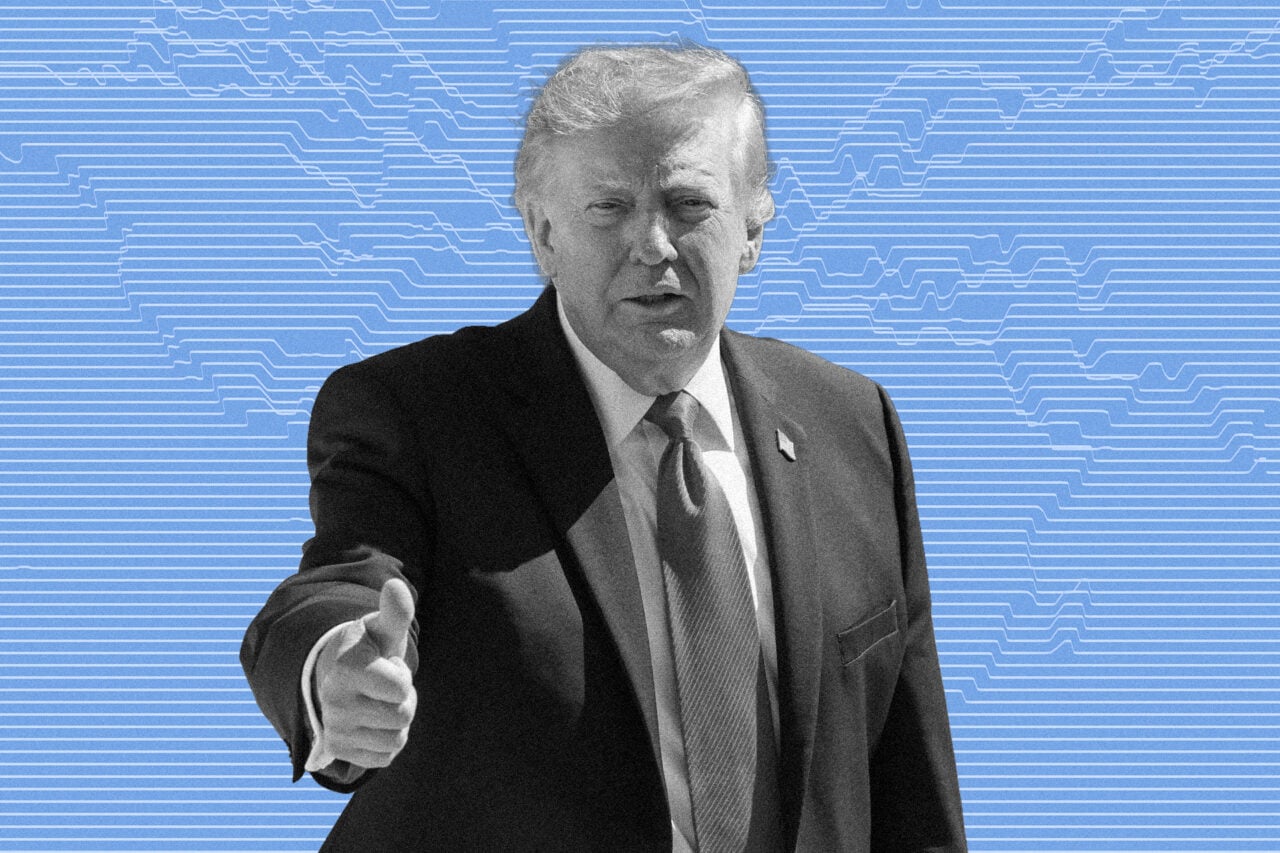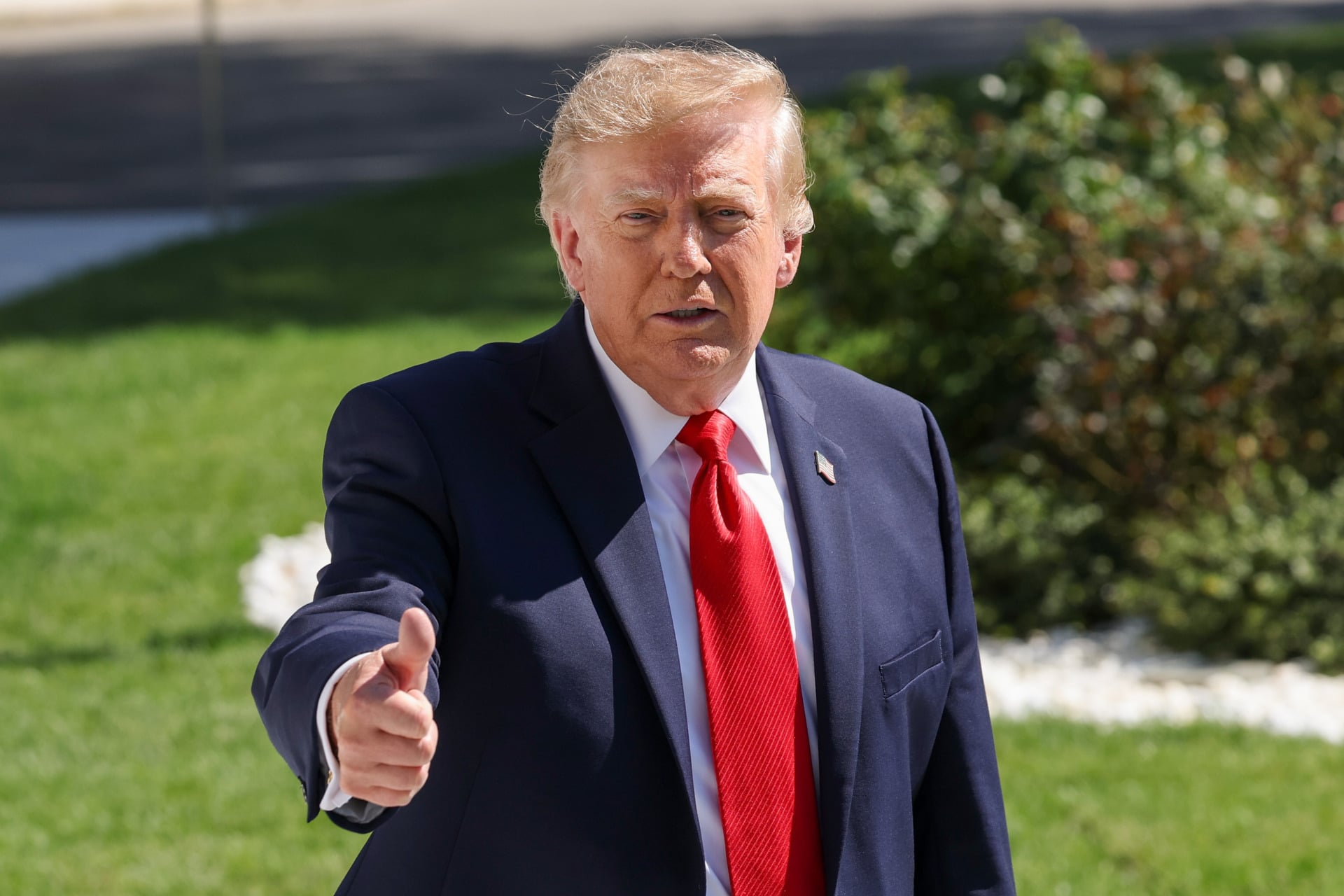
President Trump officially named an artificial intelligence czar to lead his new AI task force—which he refers to as his “SI” task force.
In a post on Truth Social, the President said that he is appointing four government leaders to lead the task force, freshly renamed Super Intelligence Force (SIF) after Trump’s attempt to rebrand artificial intelligence as Super Intelligence. The four leaders Trump is appointing are national intelligence director Jay Clayton, Federal Trade Commission chairman Andrew Ferguson, Pentagon chief technology officer Emil Michael, and the Office of Personnel Management director Scott Kupor. Clayton will be the chair of the task force among the four names announced, according to the Wall Street Journal, effectively making him the AI Czar. Or, rather, the SI Czar. The rest of the group, Michael, Ferguson and Kupor, will be vice chairs. Other members will reportedly include Vice President JD Vance, Defense Secretary Pete Hegseth, Treasury Secretary Scott Bessent, and Bush-era Secretary of State Condoleezza Rice.
“The Super Intelligence Force will coordinate the Federal Government’s engagement with Consumers, Public Interest Groups, Religious Organizations, Critical Infrastructure Providers, and Super Intelligence Companies,” Trump wrote.
Clayton told the Journal earlier that the task force will get 120 days to determine the federal government’s level of responsibility in AI development. The task force will examine the extent of the law and discuss what actions Congress should take, per the WSJ report.
Trump announced last month in an unexpected Truth Social post that he was forming an AI Force and appointing an AI Czar. Without volunteering much detail on what this AI Force would do, the President only implied that it would resemble the Space Force, a new branch of the U.S. Armed Forces that he established in his first presidential term with the mission to secure American interests in space, a lot of the time by preparing for space-based warfare. Considering the pivotal role Clayton will play in the Administration’s AI policy moving forward, simultaneously with his position as director of national intelligence, it’s perhaps safe to assume that the AI Force will be similarly focused on defense.
The AI task force announcement also came at a time of heightened panic throughout the industry on cyber threats from new AI models and increasing calls for government intervention. Earlier in the month, Anthropic CEO Dario Amodei published an essay calling on the federal government to intervene in the AI industry’s unchecked pace of development by facilitating an industry-wide slowdown. The letter dropped after a summer dotted with cybersecurity scandals involving rogue AI agents developed by top AI labs like OpenAI. Some AI leaders, like SpaceX CEO Elon Musk and OpenAI CEO Sam Altman, voiced their agreement with Amodei, while others, like Meta CEO Mark Zuckerberg, differed.
Trump himself and many of his cabinet members rejected the notion that AI could be developing at an unsustainable and perhaps dangerous pace, portraying calls for a slowdown as a “SICK conspiracy” to ensure that the U.S. falls behind as China soars past in AI developments.

The Super Intelligence Force will also be focused on ensuring that doesn’t happen.
“The risk of not being first is high,” Clayton told the WSJ, referring to the so-called global AI race between the United States and its fellow global superpower, China. “Not being first increases the identified, and unidentified, risks, particularly from our adversaries. Being first will better enable us to address those risks on behalf of the American people.”