Volcanoes are often painted as harbingers of destruction—and for good reason. But sometimes, they can help life survive, by feeding energy-starved ecosystems elemental carbon.
That’s exactly what researchers now think happened 252 million years ago, when the Earth was rocked by the most devastating mass extinction in its history. At the end of the Permian period, a series of events precipitated the death of over 90% of all terrestrial and marine species. No one knows exactly how things went down, but it’s possible that volcanic eruptions, runaway climate change, and perhaps even an extraterrestrial impact or two, all helped to kickstart the apocalypse.
Now, scientists think volcanoes may have partially mitigated the damage they wrought, by helping tiny, bottom-dwelling sea creatures such as foraminifera, ostracodes, and worm tubes survive. Volcanic eruptions spew out loads of aerosols, some of which remain airborne for years, shielding incoming sunlight and cooling our planet’s surface. But many of these aerosols settle out quickly onto the land or into the ocean.
Foraminifera. Image: Wikimedia
One major aerosol is carbon-rich coal ash, which can be broken down and eaten by tiny marine animals. When researchers examined Permian-aged rock sections in Vietnam, they discovered ash carbon mixed in with the shells of foraminifera. By analyzing their elemental composition, the scientists found strong evidence that forams were indeed using volcanic carbon—rather than the calcium carbonate we typically associate with these creatures—to build their shells.
Carbon-producing volcanic eruptions were taking place all over the world during this tumultuous time. If this study’s findings are borne out elsewhere, then volcanic carbon may have played an unappreciated role in keeping simple marine food webs alive. In addition to helping destroy the planet.
Read the scientific paper at International Geology Review.
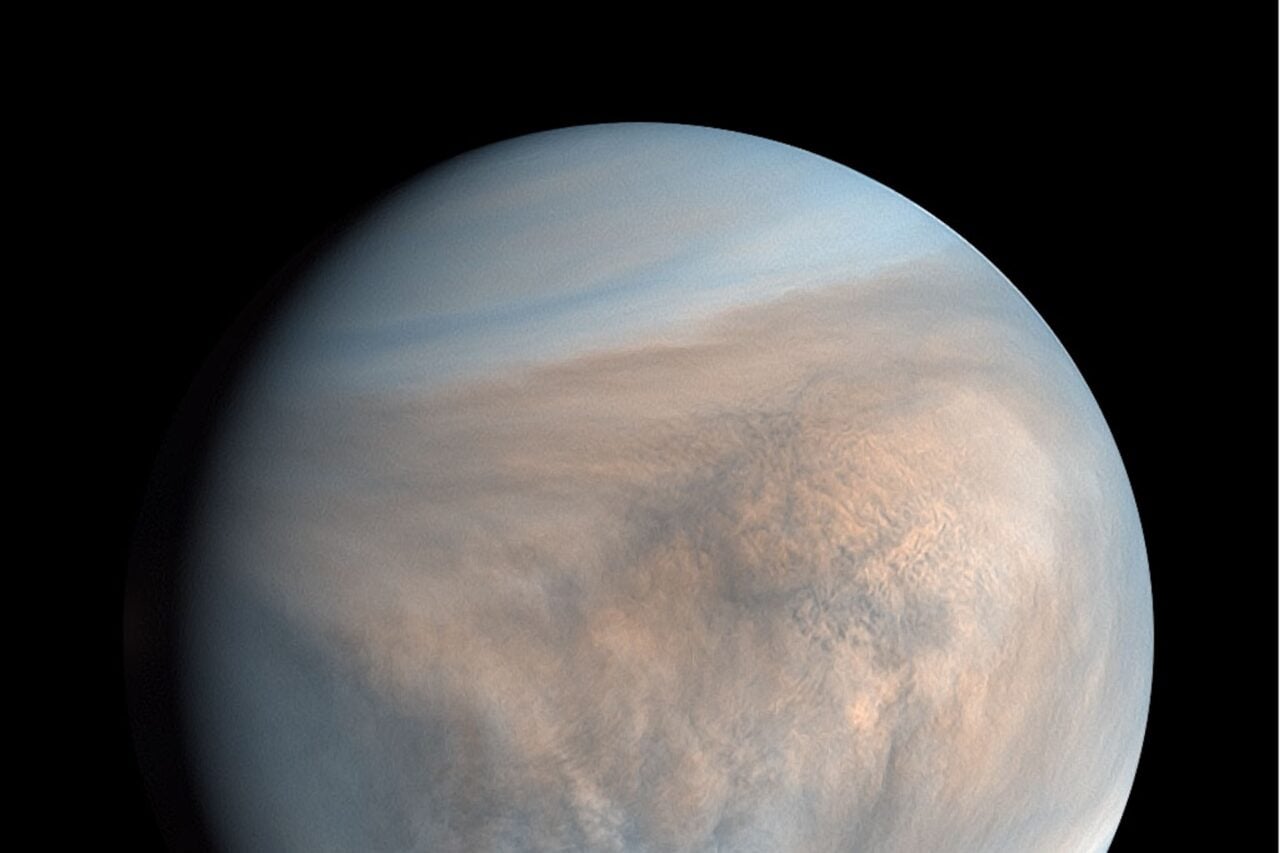
Top image via NASA Goddard Space Flight Center
Follow Maddie on Twitter or contact her at [email protected]