OpenAI is officially going public. The AI giant announced on Monday that it filed for an IPO with the U.S. Securities and Exchange Commission.
“We expect it to leak so we’re just announcing it,” OpenAI said in a statement. “We have not decided on timing yet; it may be a while because there are things we want to do that are likely easier as a private company. But it’s a complicated set of tradeoffs and this gives us the option to go public sooner if that ends up being best.”
The filing is so far confidential, which means that the masses won’t be able to view the highly coveted details of OpenAI’s financials and its murky road to profitability until the SEC makes it public. Companies tend to prefer confidential filings because it helps them seek regulatory approval before presenting financial information to public scrutiny, a wise move considering that OpenAI already has an abundance of critical eyes on itself.
OpenAI is currently valued at $852 billion, and reports claim executives are targeting a stock market valuation of up to $1 trillion
OpenAI was founded in 2015 as a non-profit AI lab. Ten years later, in late 2025, the former non-profit finalized its recapitalization process to become a for-profit public benefit corporation.
OpenAI is credited with kickstarting the AI hype cycle by releasing ChatGPT in 2022.
Although the company’s chatbot is so popular that “ChatGPT” has become practically synonymous with the word “AI chatbot,” that leading position has been contested in recent months as competitors Anthropic and Google made strides and dazzled users with high-profile releases. The comparisons were bad enough that OpenAI declared “code red” back in December, even before Anthropic made headlines with Claude Cowork in February and Mythos in April.
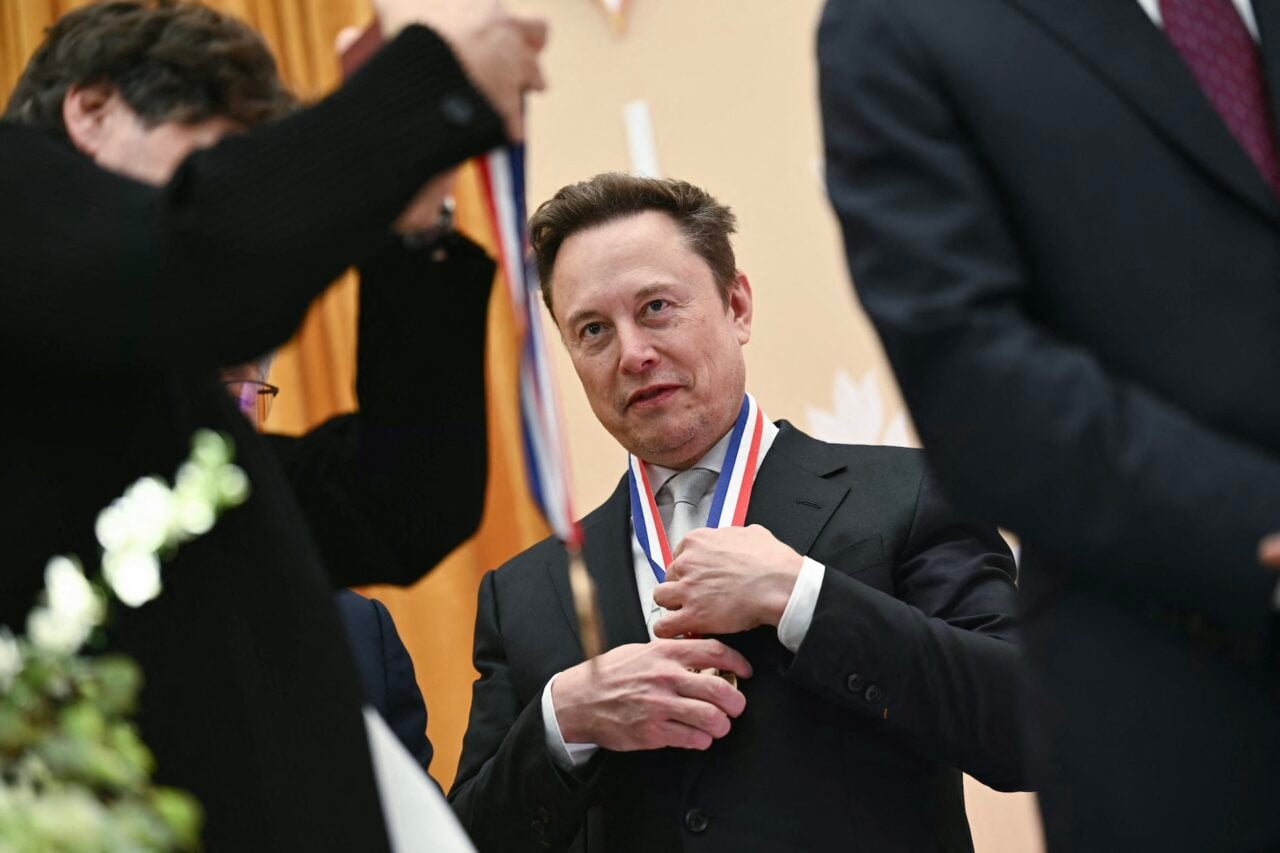
The road to this IPO filing has been riddled with obstacles. Earlier this week, a jury ruled in favor of OpenAI in a lawsuit filed by co-founder Elon Musk in which the billionaire asked for the court to unwind OpenAI’s conversion into a for-profit and to oust CEO Sam Altman from the company.
On top of that, there is the issue of profitability, or lack thereof. For months now, the company has been engaged in a major cost-cutting and revenue maximization effort that has included the introduction of ads in ChatGPT and the shuttering of video generator Sora.
But despite those measures, the AI giant might still have a tough road to profitability. Last month, the Wall Street Journal said that ChatGPT’s growth had slowed toward the end of 2025 and that the chatbot had missed internal revenue and active user targets, citing people familiar with the matter. The report also claimed that CFO Sarah Friar was worried about revenue growth and unsure if OpenAI could pay for its many computing contracts.
Another recent report, this time by The Information, claimed that Friar and Altman were at odds over OpenAI’s IPO timeline, with the CFO allegedly believing that the company was not well-positioned for an IPO this year.
OpenAI is the third of the three big AI-related IPOs the market is bracing itself for this year. The first was SpaceX, led by OpenAI co-founder Elon Musk, whose legal beef with Altman and the company was just resolved last month in OpenAI’s favor. SpaceX is expected to officially start trading on the Nasdaq on Friday. The second was OpenAI’s number one rival, Anthropic, which confidentially filed for an IPO last week.
If they do well, the offerings could have a positive impact on the broader U.S. market. But if they crash and burn, then that’s going to reverberate throughout the entire economic system, in its own way.
Investors are already noticeably wary of Silicon Valley’s justifications for the staggering amount of money being poured into AI infrastructure. Some experts have been painting disaster scenarios of a very real possibility in which AI demand does not pan out as expected in the short term, and the investments, which some say are propping up the entire U.S. economy, cause a feared bubble burst.
Any information OpenAI eventually shares in its IPO process about its financial metrics will be an incredibly rare and valuable glimpse into whether the AI industry has the results to back up the hype.