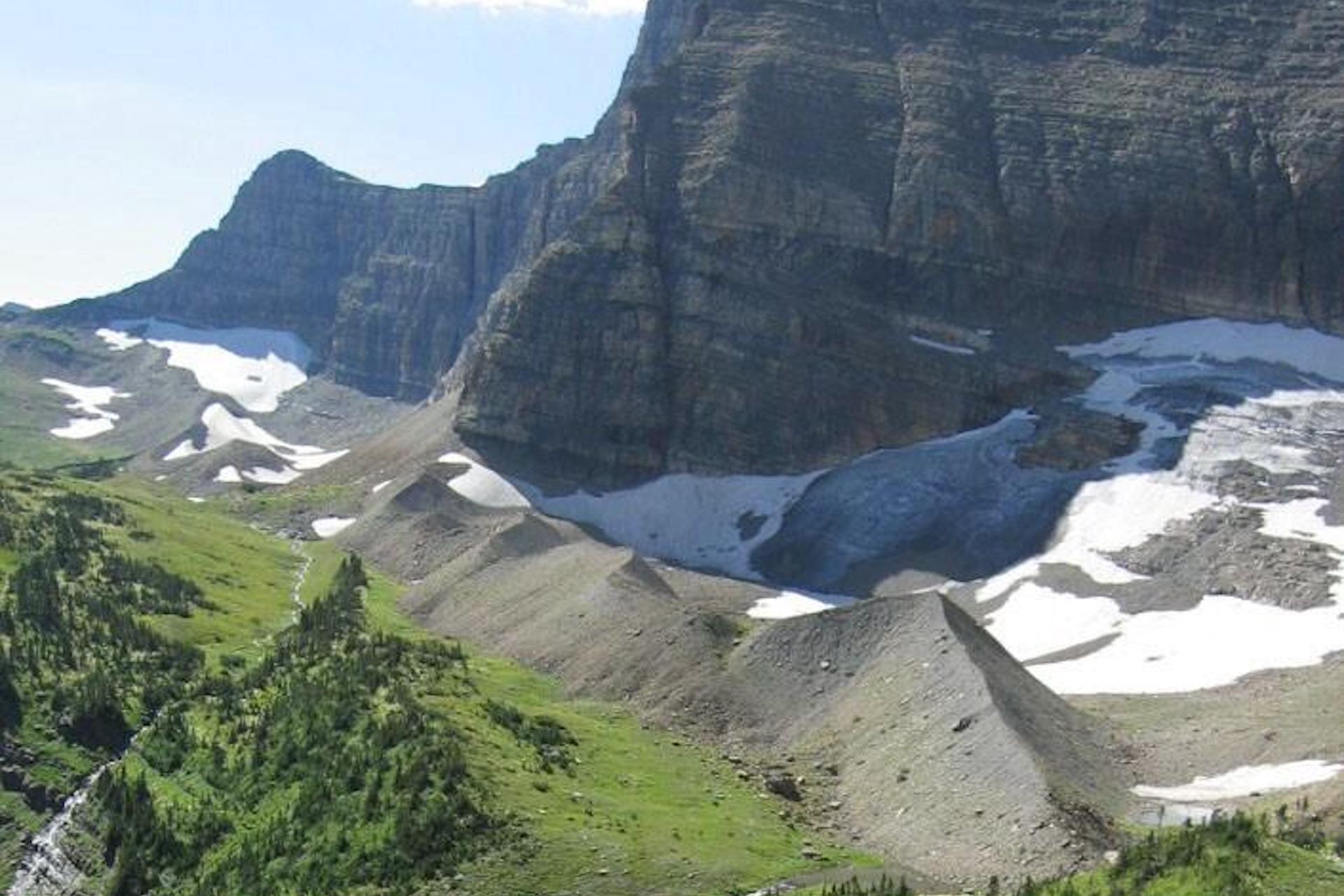
In the middle of the 20th century, roughly 1,450 glaciers could be found across the western United States. Today, their combined area has shrunk by 35%, and the ice continues to retreat, reshaping a landscape long defined by snow-capped peaks and frozen reservoirs of freshwater.
A recent report revealed that a little more than 300 glaciers have disappeared from the lower 48 U.S. states due to rising temperatures, while the rest are rapidly shrinking. The findings, published in the Proceedings of the National Academy of Sciences, offer the first comprehensive look at just how vulnerable mountain glaciers have become under a warming climate.
A changing landscape
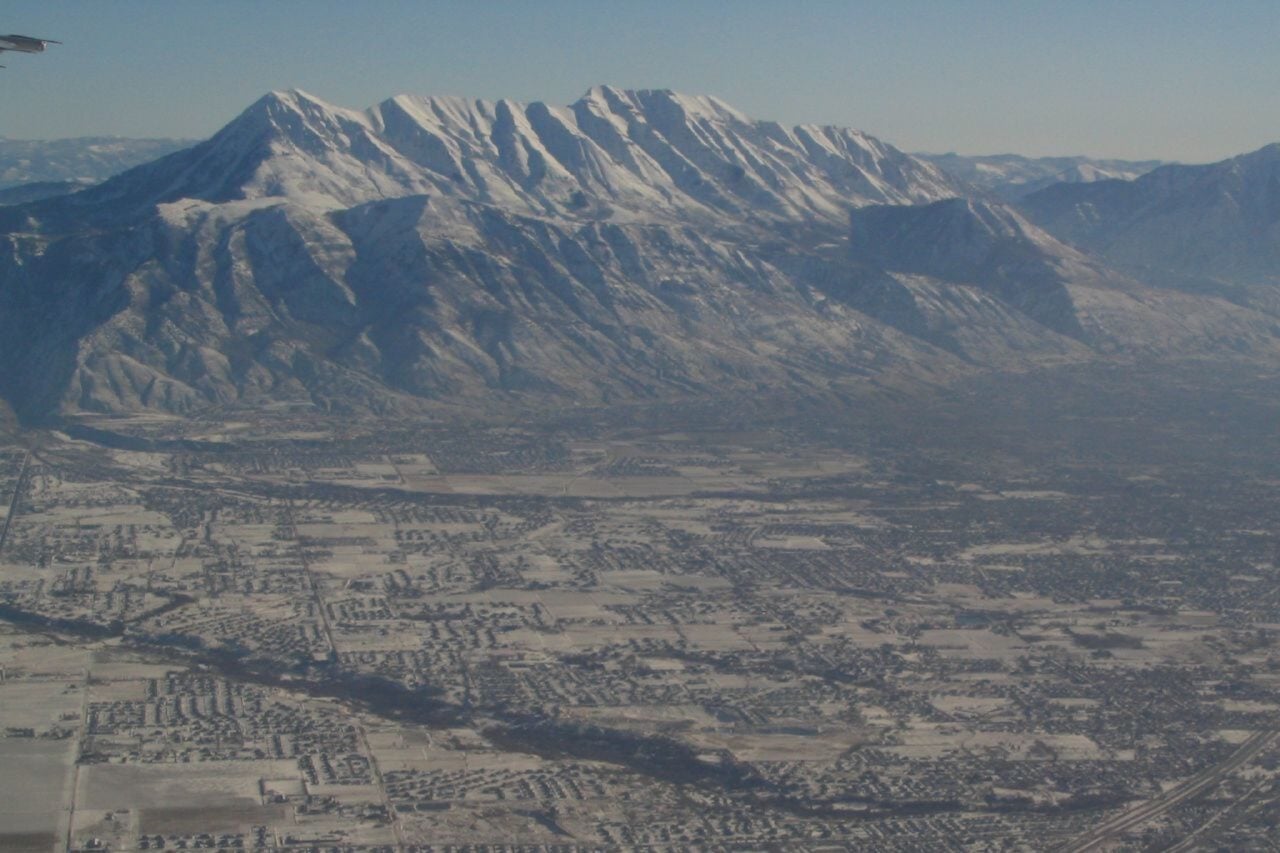
Glaciers in the western half of the country are found in six states, with Washington state being home to the most extensive concentration that spans across roughly 114 square miles (295 square kilometers). Although these glaciers occupy a relatively small area, they have an outsized influence on rivers, ecosystems, landscapes, and water supplies.
Most of these glaciers, however, have been retreating over the past century. Rising temperatures increase summer melt, while warmer winters can reduce the fraction of precipitation falling as snow.
The recent study found that glaciers in the western U.S. are melting at a quicker rate than ones found elsewhere around the world. That’s because the glaciers in the lower 48 states, with the exception of a few large ones in Washington, are much smaller, which can cause them to disappear faster.
Glaciers are constantly being replenished and melted. A glacier survives when it gains enough snow and ice to replace what it loses. This balance determines whether it grows, stays roughly the same size, or shrinks.
In the Beartooth-Absaroka Mountains of the Rockies in southern Montana, glaciers are losing about 1.5 feet (about half a meter) of ice thickness per year, according to the report. The glaciers on Mount Rainier and Mount Baker in Washington are much larger and are shrinking at a much slower rate of about half a foot of ice (15 centimeters) in thickness per year.
Montana’s glaciers are generally more continental and isolated, while those in California and the southern mountains survive in smaller, highly localized high-elevation environments. Glaciers in the Rocky Mountains in Colorado, Montana, and Wyoming, and in the Sierra Nevada of California, were shown to be less vulnerable due to their unique position in the landscape that somehow shields them from the regional climate.
Depleting reservoir
Glaciers act as natural water storage. They accumulate water as snow and ice during colder periods and release it as meltwater during warmer months. As glaciers shrink, they can temporarily contribute more meltwater, but eventually their reduced ice reserves mean less water during late summer.
The loss extends far beyond the mountains themselves: glaciers help sustain cold-water streams, support wildlife, and release meltwater during the warmer, drier months of the year. As they disappear, the ecosystems and communities that depend on these seasonal flows could face growing uncertainty.
The rapid shrinking of glaciers highlights how a warming climate is transforming not only the American West’s scenery but also the natural systems that sustain it.