A space telescope is falling to Earth, but NASA has a bold plan to rescue it before it’s too late. The agency is launching a daring rescue mission later this month using the world’s last flying mothership of its kind—the Lockheed L-1011 Stargazer.
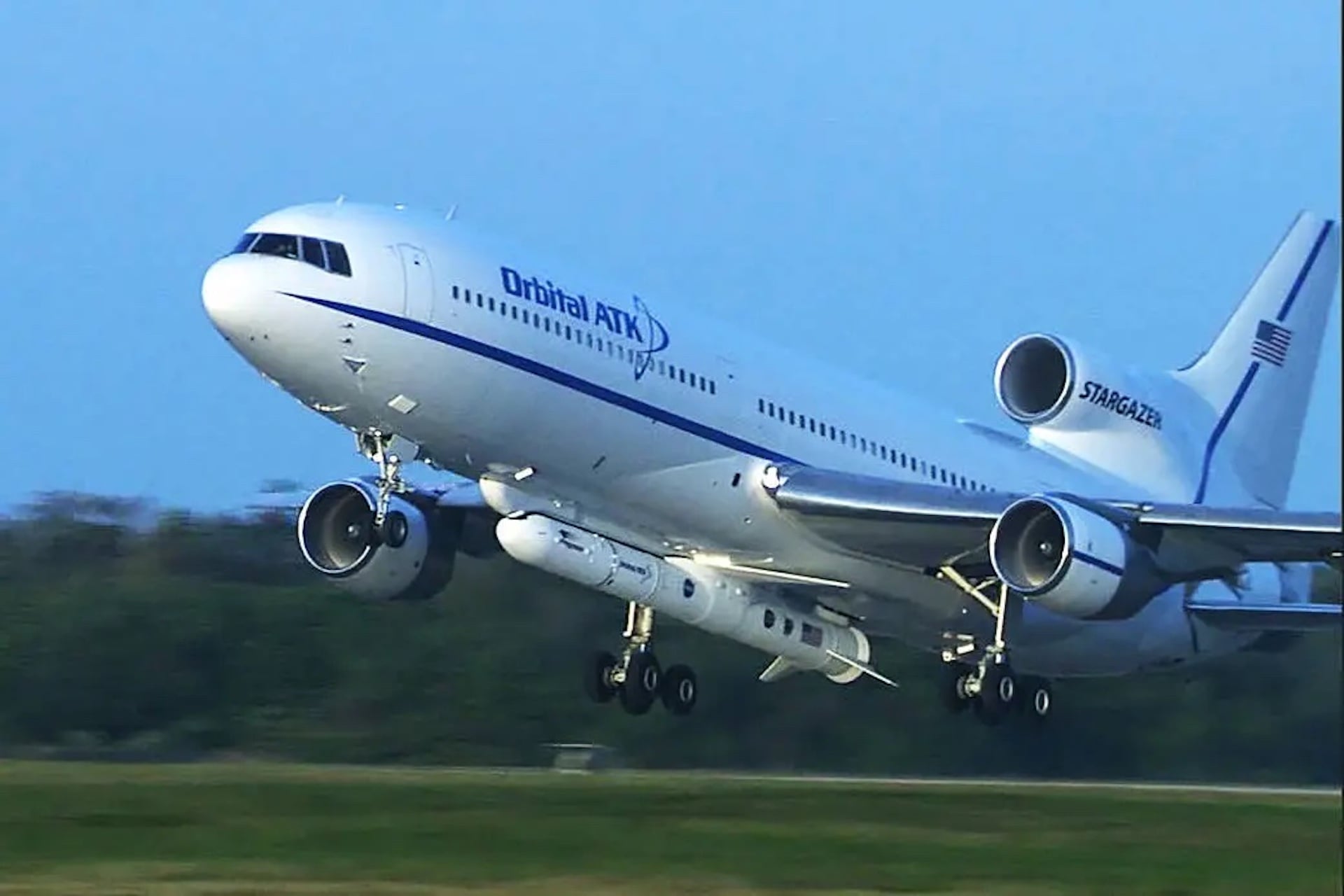
On June 27, NASA is set to launch LINK, a servicing spacecraft from Katalyst Space, into orbit to attempt to boost the sinking Neil Gehrels Swift Observatory. The spacecraft will launch on board a Northrop Grumman Pegasus XL rocket, which is mounted underneath the the Lockheed L-1011 TriStar, the only remaining aircraft of its kind capable of launching an orbital rocket from the air.
Unique set of skills
The Lockheed L-1011 Stargazer was built in 1974 as a wide-body passenger airline, one of the first to feature two aisles to add more seats. In 1994, Stargazer was converted to an air-launch platform for Northrop Grumman’s Pegasus XL rocket.
Northrop Grumman’s Orbital Sciences Corporation selected Marshall Aerospace to perform the design and conversion of Stargazer to accommodate its new duties. The new design allows the aircraft to carry the rocket beneath its fuselage and deploy it at high altitudes.
The mothership carries the rocket to an altitude of 40,000 feet (12,000 meters), then releases it for a five-second free fall. Afterwards, the rocket ignites its first stage motor and ascends its way to orbit. Stargazer has carried out nearly 50 launches of the Pegasus XL rocket in the past 32 years.
Today, Stargazer is the only remaining L-1011 that’s still operational, and the only aircraft currently being used to launch orbital rockets.
To the rescue
For its upcoming launch, Stargazer will be used to help save a space telescope with a decaying orbit. Swift launched toward low-Earth orbit on November 20, 2004 to study the most powerful explosions in the cosmos: gamma-ray bursts. Over the course of its mission, Swift has gradually lost altitude due to atmospheric drag and has a 50% chance of an uncontrolled reentry by mid-2026.
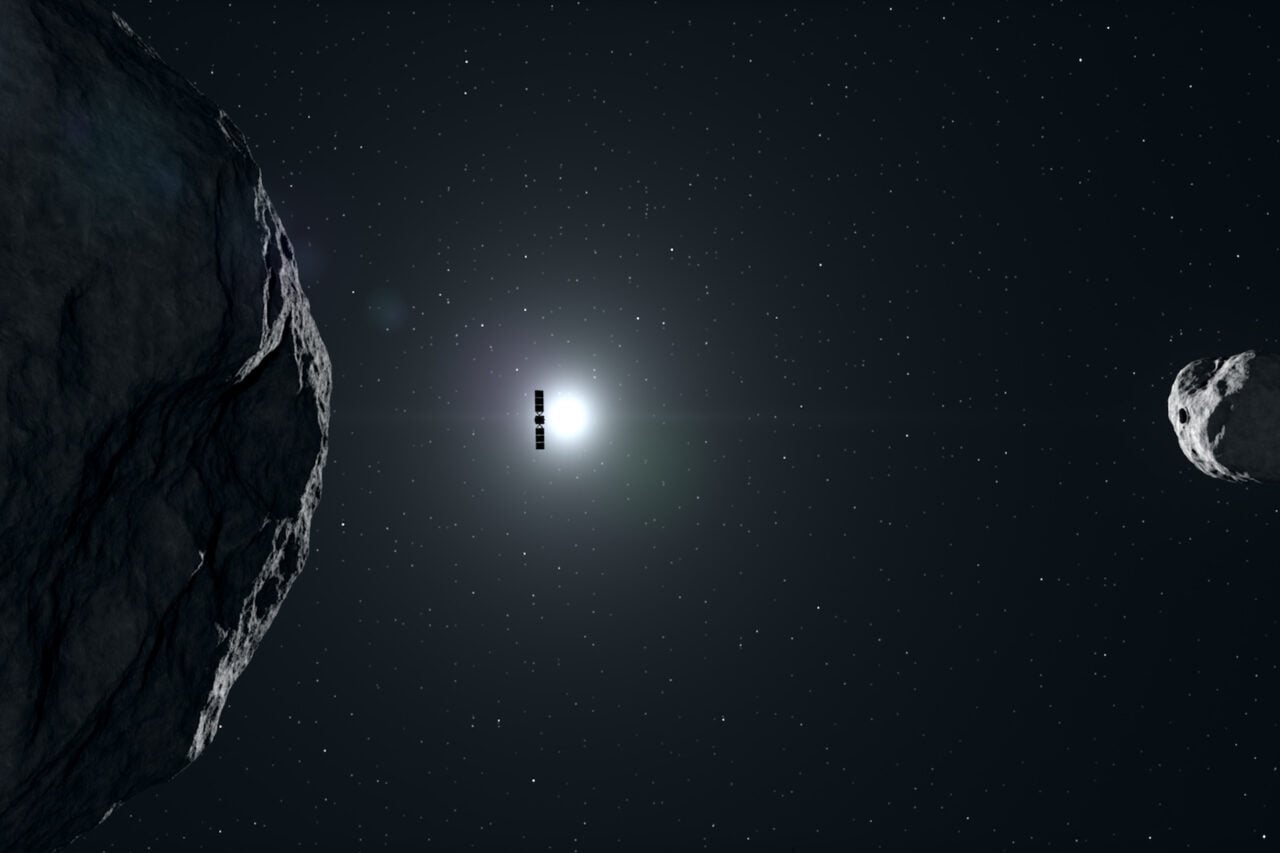
To help keep Swift in orbit, NASA tapped an Arizona-based startup to develop a spacecraft designed to boost Swift’s orbit. The LINK spacecraft is designed to rendezvous with Swift and nudge the spacecraft to a more stable orbit. In doing so, NASA is hoping to avoid Swift being dragged down low enough to hit Earth’s atmosphere and burn up on reentry, thereby extending its lifespan.
The Pegasus rocket’s air-launch design makes it ideal for Swift’s rescue mission. A rocket launching from the ground would require a huge amount of propellant to reach the target orbital plane for this mission. Swift orbits the planet at a 20.6-degree inclination to avoid the South Atlantic Anomaly—a large weak spot in Earth’s magnetic field that exposes satellites to higher levels of radiation. As such, Pegasus is the only rocket that can meet Swift’s orbit while staying within the mission’s budget.
If successful, the first-of-its-kind mission could help pave the way for cost-effective robotic servicing missions to keep NASA’s fleet of spacecraft in orbit.