One of the most trusted forms of protection against the dreaded mosquito might have an unexpected weakness. Research out today shows that mosquitoes can actually learn to love the presence of DEET, a common ingredient in insect repellents.
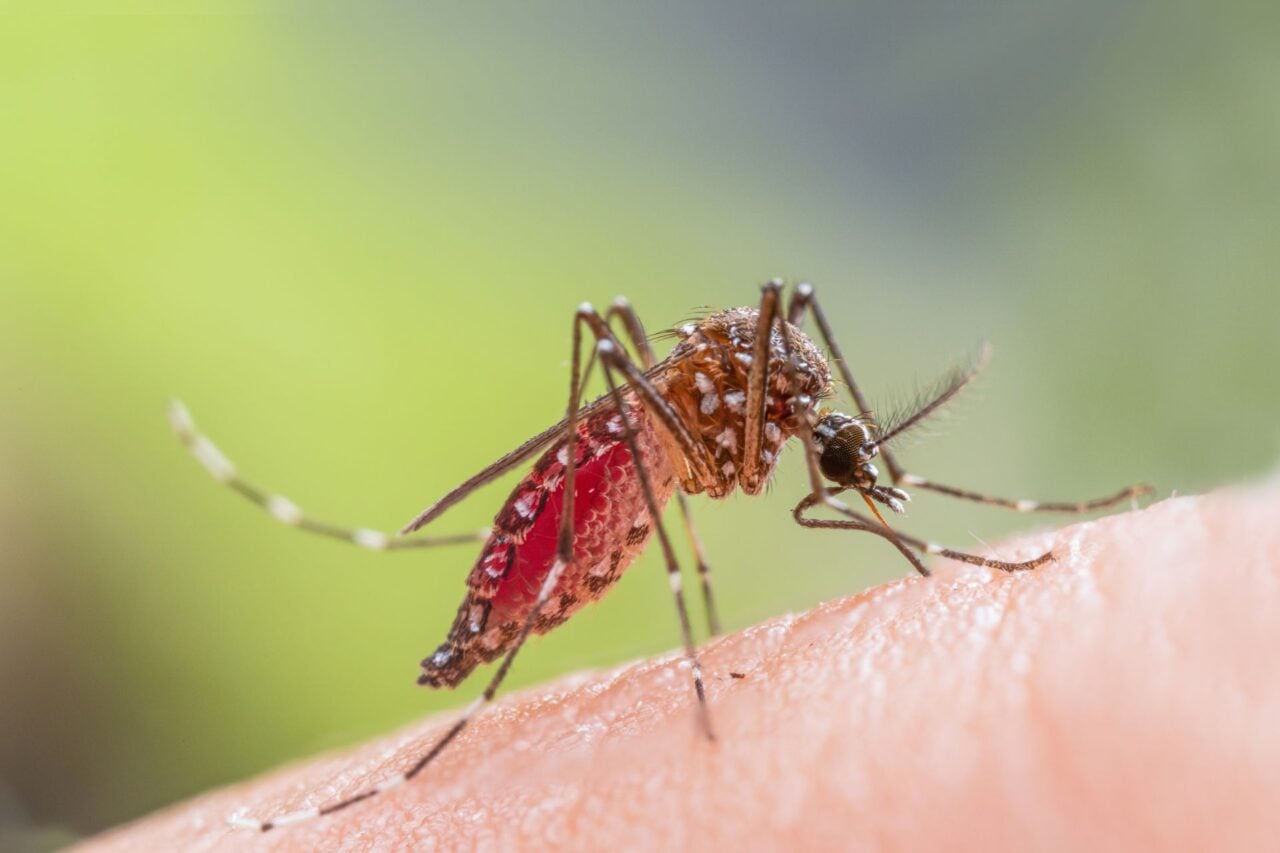
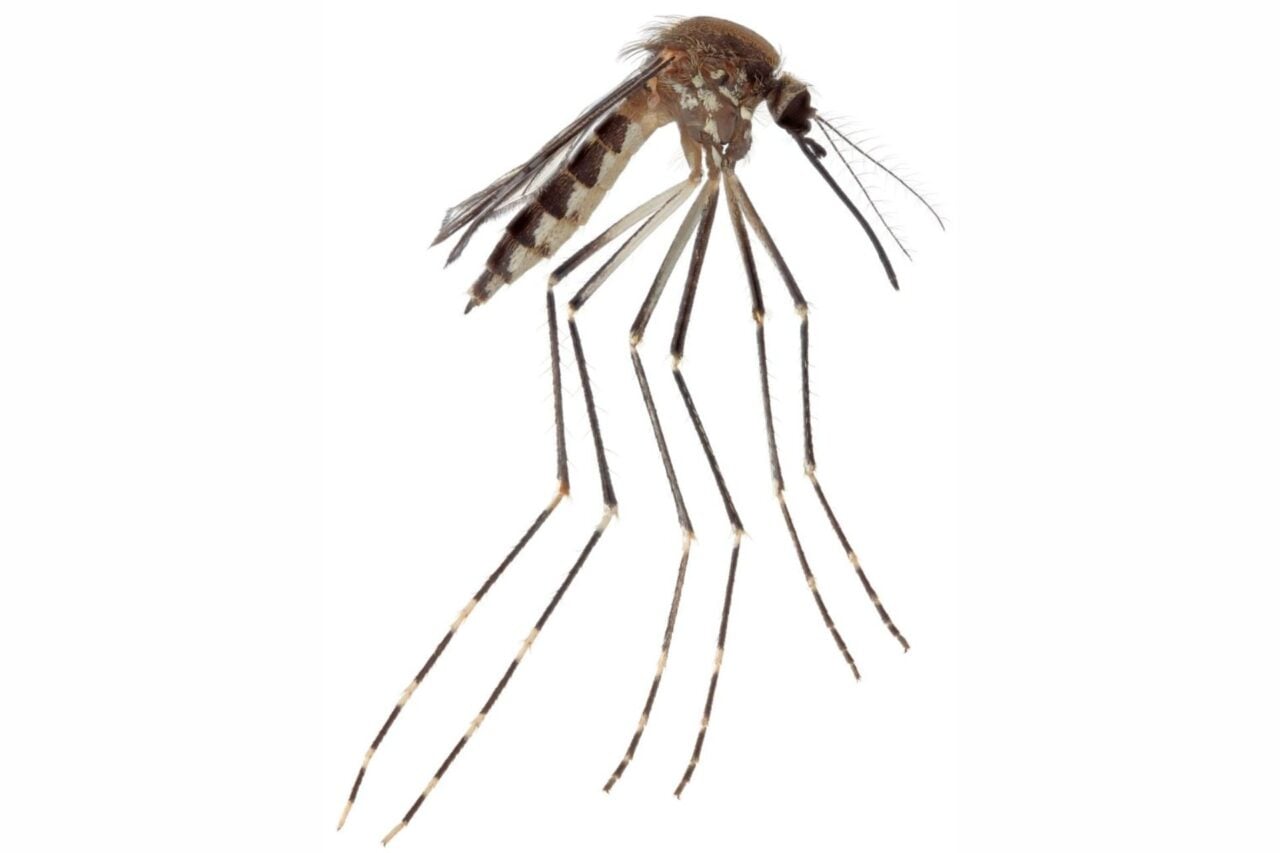
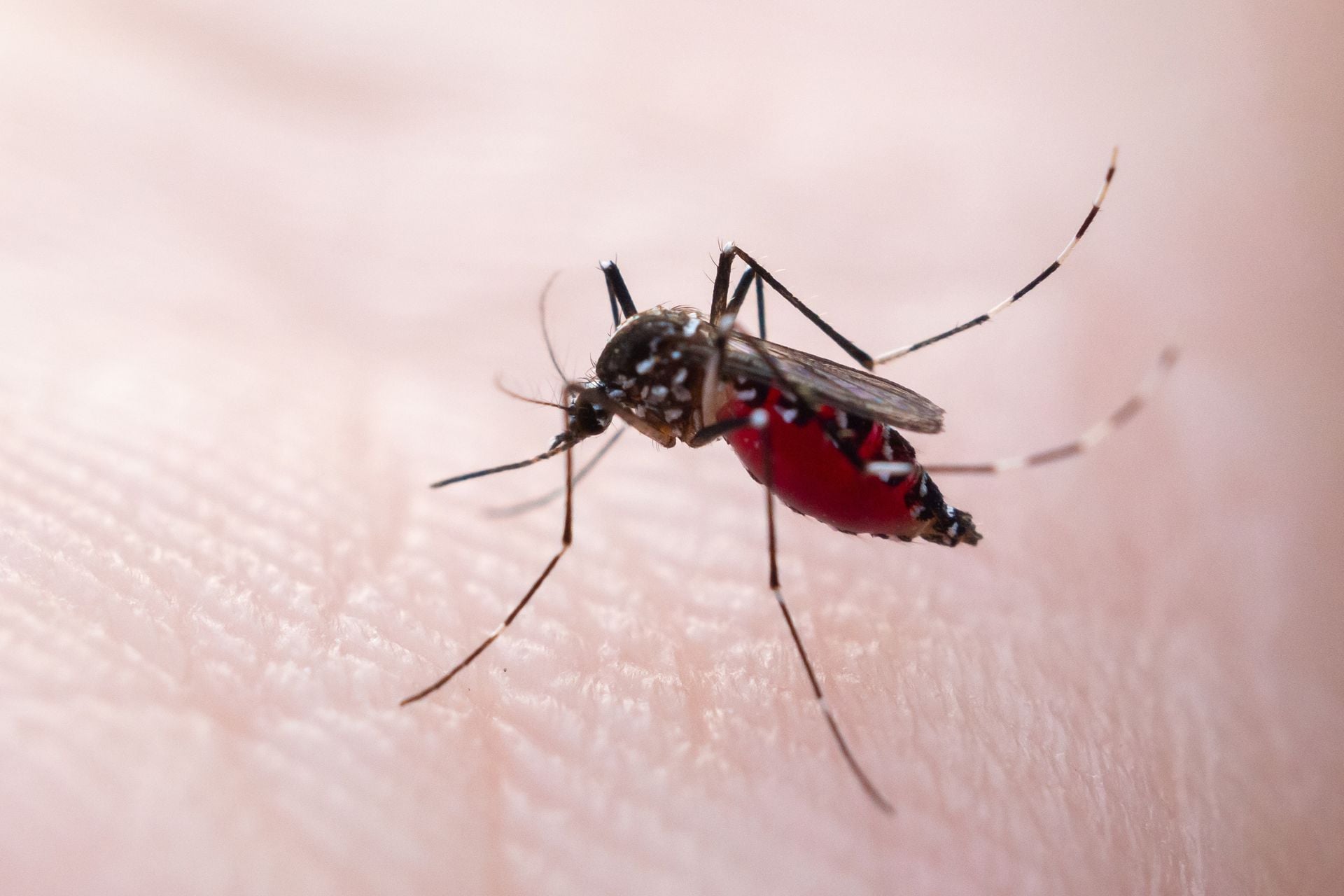
Scientists in the U.S. and France conducted lab experiments with Aedes aegypti mosquitoes, a species well known for spreading various diseases, including yellow fever and dengue. They successfully reversed the mosquitoes’ aversion to the chemical, even making them more willing to approach a human wearing DEET. Though DEET remains a valuable anti-mosquito measure, the findings suggest people should be especially mindful about using it as instructed, the researchers say.
“DEET is still the gold standard of mosquito repellents,” study author Clément Vinauger, an associate professor in the department of biochemistry at Virginia Tech, told Gizmodo. “Our work is an important reminder to carefully read the manufacturer’s recommendations regarding dosage and application frequency to ensure these products are as effective as possible.”
The mystery of DEET
DEET is short for N,N-diethyl-meta-toluamide. DEET was developed by entomologists in the U.S. Army in the 1940s and has remained a mainstay of pest control ever since. It can be used safely on people’s clothing and skin, and it can deter a wide variety of annoying invertebrates such as fleas, ticks, and mosquitoes.
Useful as DEET is, there’s surprisingly still a lot we don’t know about it, including exactly how it repels mosquitoes in the first place. According to Vinauger, though, there are several leading theories.
One is that DEET is inherently toxic to the insect’s nervous system, much like many pesticides. Another is that it blinds mosquitoes to people by blocking their perception of our uniquely emitted chemicals. Lastly, DEET could trigger the same receptors in mosquitoes that are sensitive to chemicals defensively deployed by plants; in other words, it might only remind mosquitoes of something especially unpleasant that they come across in nature, not directly harm them. And perhaps more than one explanation is true.
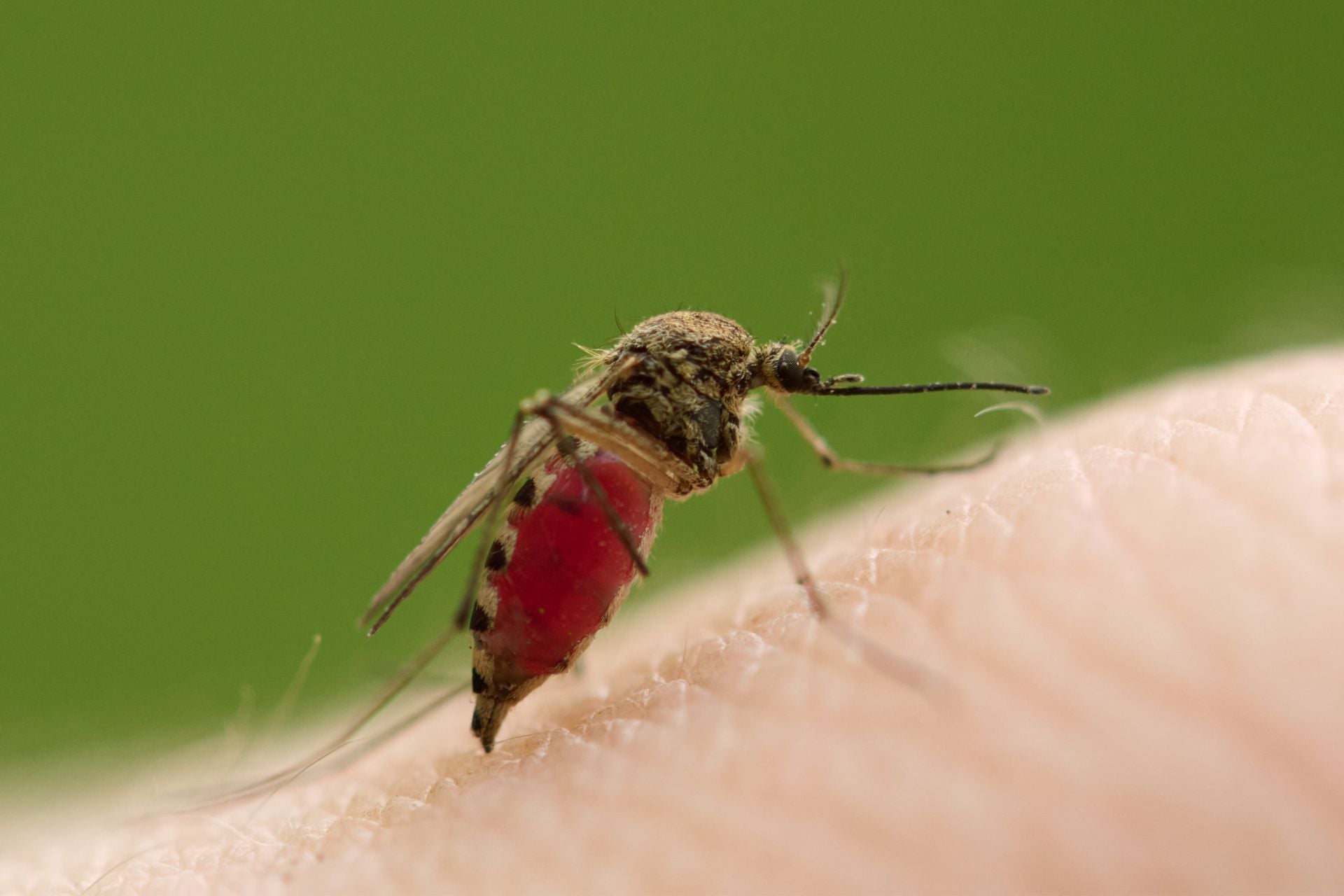
Past research, including the team’s own work, has suggested that brief exposures to DEET can weaken the repellent effect it has on mosquitoes that encounter it again. So the researchers wanted to test whether it was possible to change a mosquito’s feelings, so to speak, toward DEET, a result that would support the third hypothesis.
Their experiments relied on a form of Pavlovian, or classic, conditioning. This technique was famously used to train dogs into associating a ringing bell (originally a neutral stimulus) with dinner (the unconditioned stimulus), the latter of which naturally caused them to salivate (the unconditioned response). Eventually, simply ringing the bell (now a conditioned stimulus) caused the dogs to salivate on command (the conditioned response).
In this study, the female mosquitoes were first given blood through a heated artificial feeder (mosquitoes are naturally attracted to heat, so it acted as the unconditioned stimulus). Then some mosquitoes were exposed to DEET and heat at the same time as their blood meal.
Eventually, many of the mosquitoes learned to associate DEET with the possibility of getting some juicy blood, with more than 60% trying to feed after being exposed to the smell of DEET alone. The team replicated the same set-up using DEET and sugar, another food source for mosquitoes, and found similar results. They additionally studied how their DEET-trained mosquitoes behaved around an enticing human’s arms that were protected by a mesh barrier.
“This learned attraction was also observed in the context of a human volunteer with DEET on their skin,” Vinauger said. “Mosquitoes preferred their DEET-treated arm over their untreated arm, indicating that DEET increased this person’s attractiveness to trained mosquitoes.”
The team’s findings were published Thursday in the Journal of Experimental Biology.
What this means for DEET use
Vinauger notes the team’s research represents a specific experimental scenario. So it’s not totally clear whether mosquitoes outside the lab can also learn to overcome their DEET aversion. There are definitely plausible ways such a thing could happen, however.
“A possible real-world situation our work mimics is a mosquito biting someone who applied DEET long ago,” Vinauger explained. “If the amount of DEET remaining on that person’s skin is too low, it is possible for a mosquito to bite and learn the association between the presence of DEET and the possibility of obtaining a blood meal.”
That said, the researchers think this kind of situation is likely rare. So by no means should this study scare you away from using DEET. And it should be easy enough to avoid this risk completely by reapplying DEET as often as the product labeling says you should.
For their part, the team is excited about the lessons they’ve learned from their research, which gets them closer to figuring out exactly how DEET works.
“This knowledge will be critical for designing novel repellents to complement DEET, rather than the more costly and time-consuming approach consisting of testing hundreds of substances for their potential effectiveness,” Vinauger said. “Diversifying our arsenal against mosquitoes would help lower the risk of seeing mosquitoes becoming resistant, indifferent, or outsmarting our control strategies.”
There are still plenty of other mysteries surrounding DEET and mosquitoes left to unravel. The team next hopes to study how long mosquitoes can remember their trained memories of DEET, for instance, as well as whether DEET can affect other species differently.