Some fitness trackers only measure your activity when you’re in a strength or endurance training mode and ignore the benefits of recovery and daily-life phases. While it is key to track how much your strength and endurance improve over time, you also need to give yourself recovery time between workouts so you can perform at your best when you need it. Like, say, while running a marathon.
While more and more fitness wearables track recovery phases, the impact of your daily life and work stress can be overlooked. Or it’s only tracked on the premium, pricey models. Garmin’s Venu 4 has similar features, but its $549 price isn’t in the same wheelhouse as the new Amazfit Balance 3, which starts at just $369.
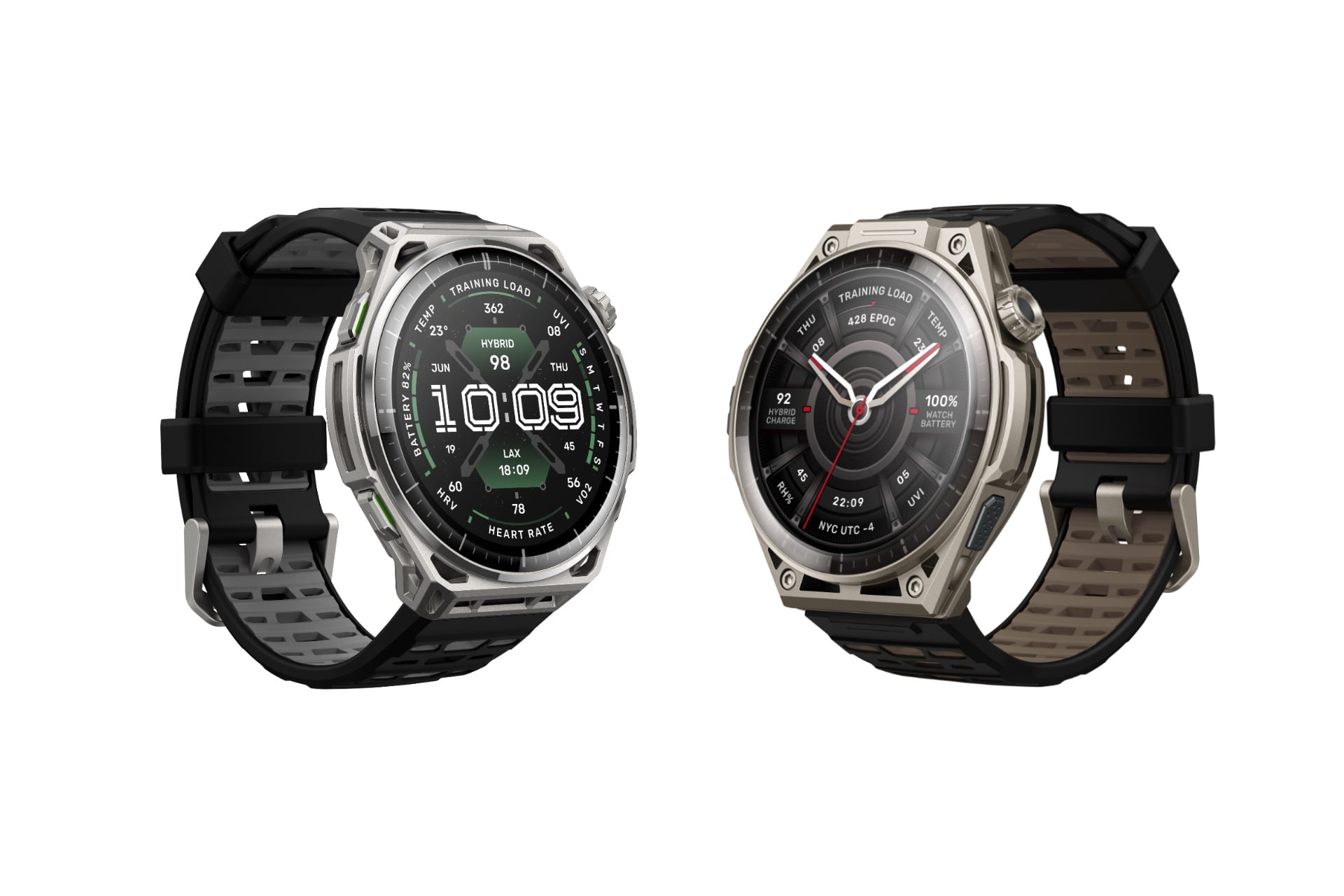
The Balance 3 is part of a trio of new smartwatches in Amazfit’s Balance series, bringing a range of features and price points to a more price-conscious audience. The Balance 3 Stainless Steel, Balance 3 Titanium, and Balance Ultra provide athletes with training data across strength, endurance, recovery, and daily-life phases, with more than 180 workout modes, including functionality for recreational scuba diving and freediving down to 45 meters.
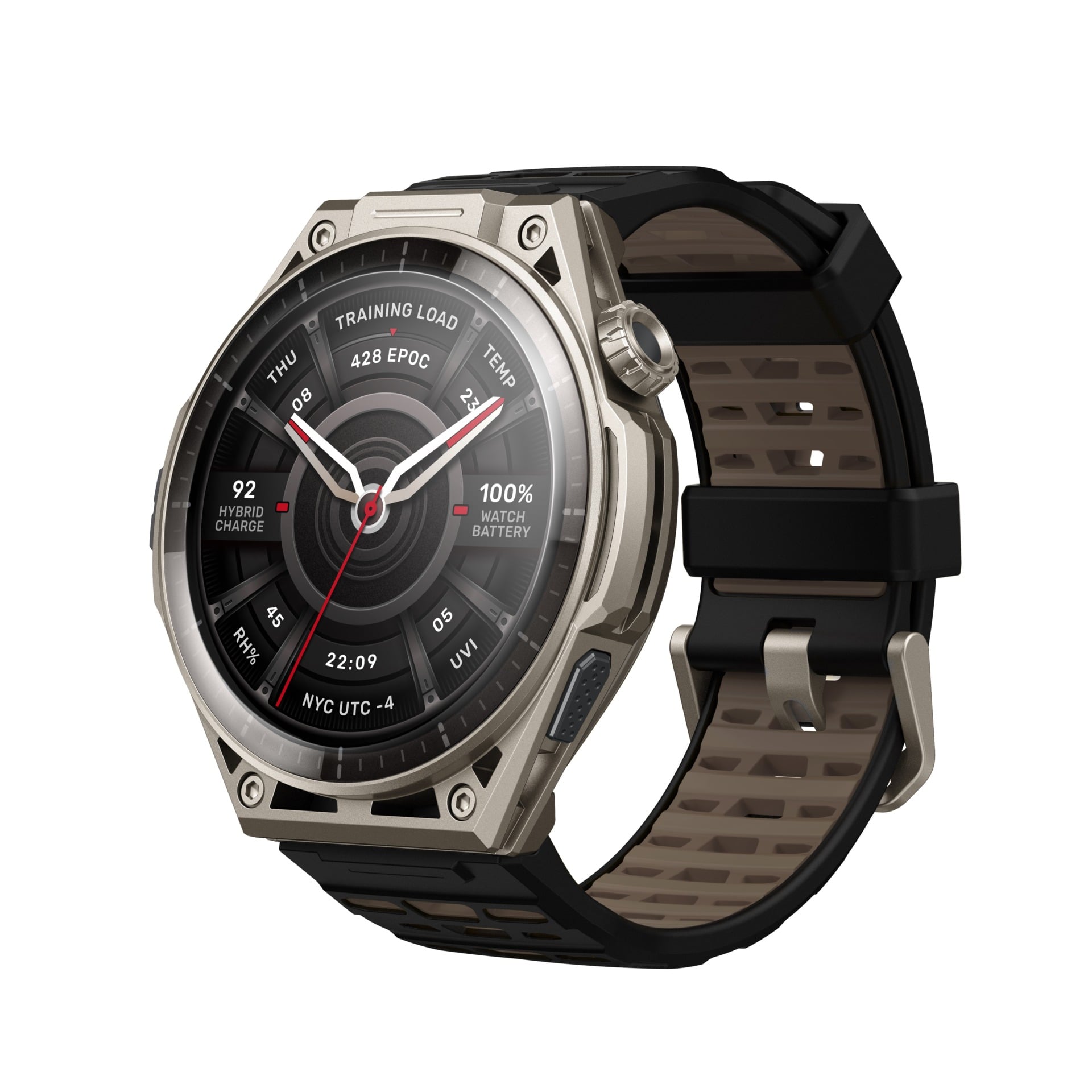
Combined with the Zepp app, the new Balance 3 and Balance Ultra watches make up Amazfit’s new Hybrid Training ecosystem. The Balance 3 and Balance Ultra capture how users train and respond over time, while the Zepp app organizes the training data into an easy-to-understand readout with clear training guidance so users know where to focus.
The Balance 3 Stainless Steel and Titanium models offer up to 21 days of battery life, a 1.5-inch AMOLED display, and additional features via the Zepp app. The Balance Ultra features up to 30 days of battery life, exclusive HYROX Race and Simulation modes, and a Grade 5 Titanium chassis.
Both the Amazfit Balance 3 Stainless Steel ($369.99) and Balance Ultra ($599.99) are available now. The Amazfit Balance 3 Titanium will be arriving sometime “soon” for $449.99.