In many ways, archaeology is a race against the passage of time. Metals rust, organics degrade, fabrics unravel—and often rot, too, which means that it’s nearly impossible for clothing to last hundreds to thousands of years. But there are always exceptions.
Danish archaeologists with Arkæologi Vestjylland (Archaeology West Jutland) recently discovered the final resting place of a woman—whose 1,300-year-old tomb, remarkably, still retained pieces of textiles and a brooch from the Viking Age. As the team explained in a Facebook post (translated via Google), the preservation is “absolutely magical,” given the highly acidic nature of the soil in western Jutland, Denmark.
Initial analyses indicate that the metallic ornaments in the tomb protected the textiles from natural degradation, somewhat like a preservative. The body’s dentures were also well-preserved, and researchers expect the discovery to reveal unprecedented insights into the lives of those from the distant past.
A woman’s resting place

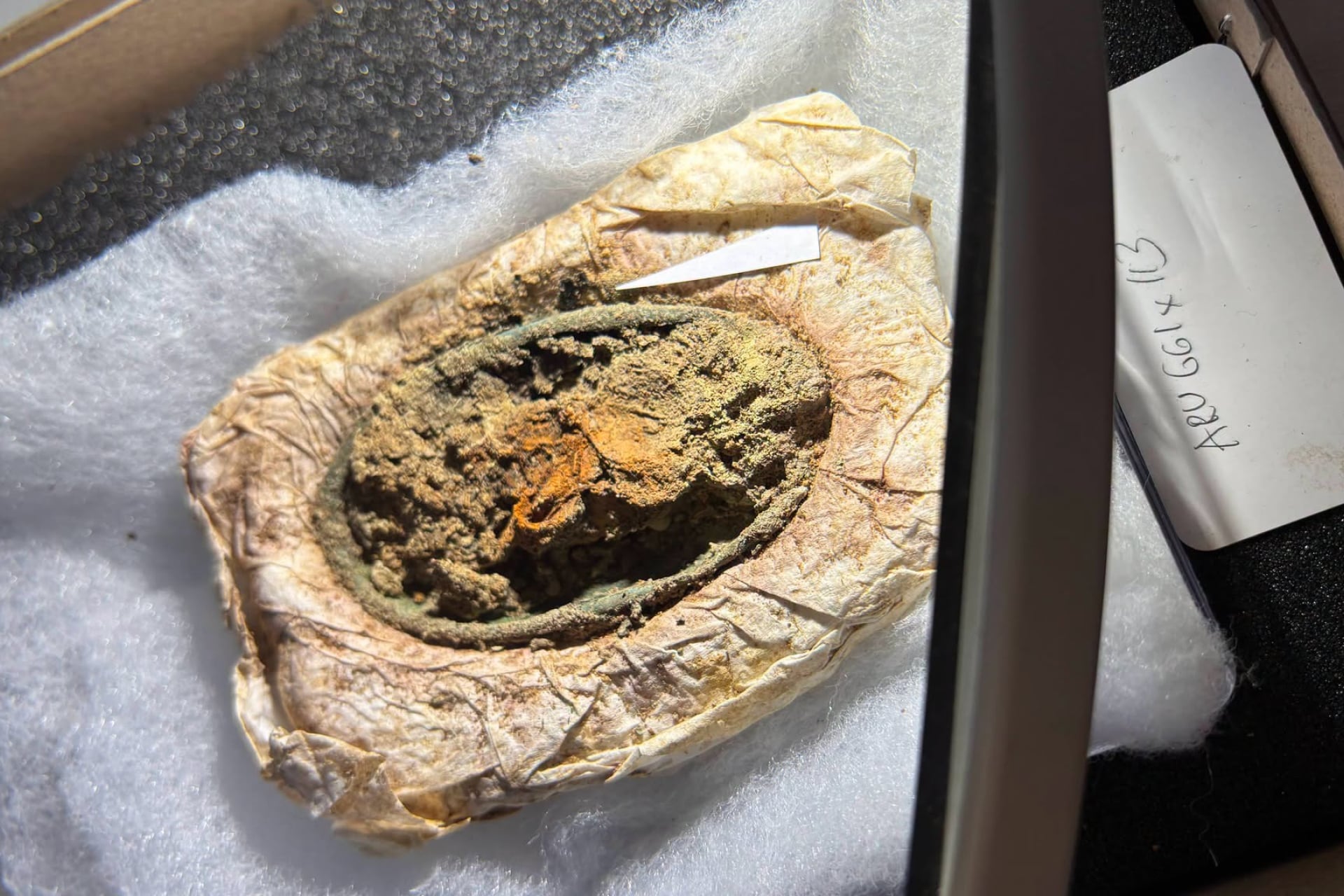
The grave was discovered at Skonager, a site archaeologists had previously clocked as an important record of human occupation in Denmark from the Bronze Age (1700 to 500 BCE) to the Viking Age (800 to 1050 CE). In the latest discovery, the woman was found wearing two oval clasps known as “skålspænder,” or “scoop brooches,” buckles archaeologists believe Viking women used to secure an overdress or a scarf, according to an explainer by Museum Nord in Norway. Consistent with this interpretation, the scoop brooches found at the site had pieces of fabric stuck to the top and bottom.
In a miraculous (or natural?) turn of events, the corrosion of the bronze or silver in the brooch leaked metallic salts onto the fabric, which ended up shielding the fragile fibers from natural decomposition. The team believes it can reveal information about the woman’s outer clothing and undergarments. Fascinatingly, one buckle seems to have been repaired at some point, leading the experts to wonder if it was an heirloom.
Grain by grain
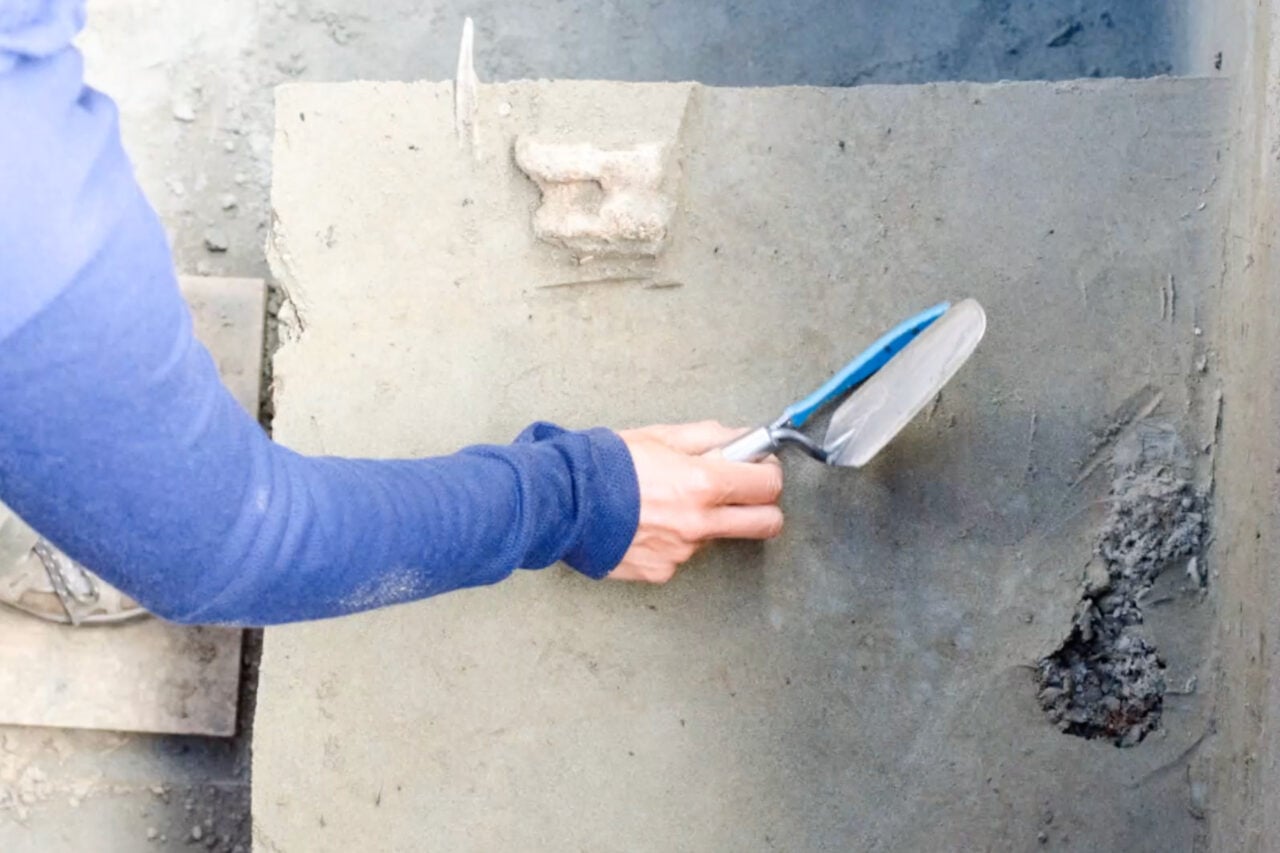
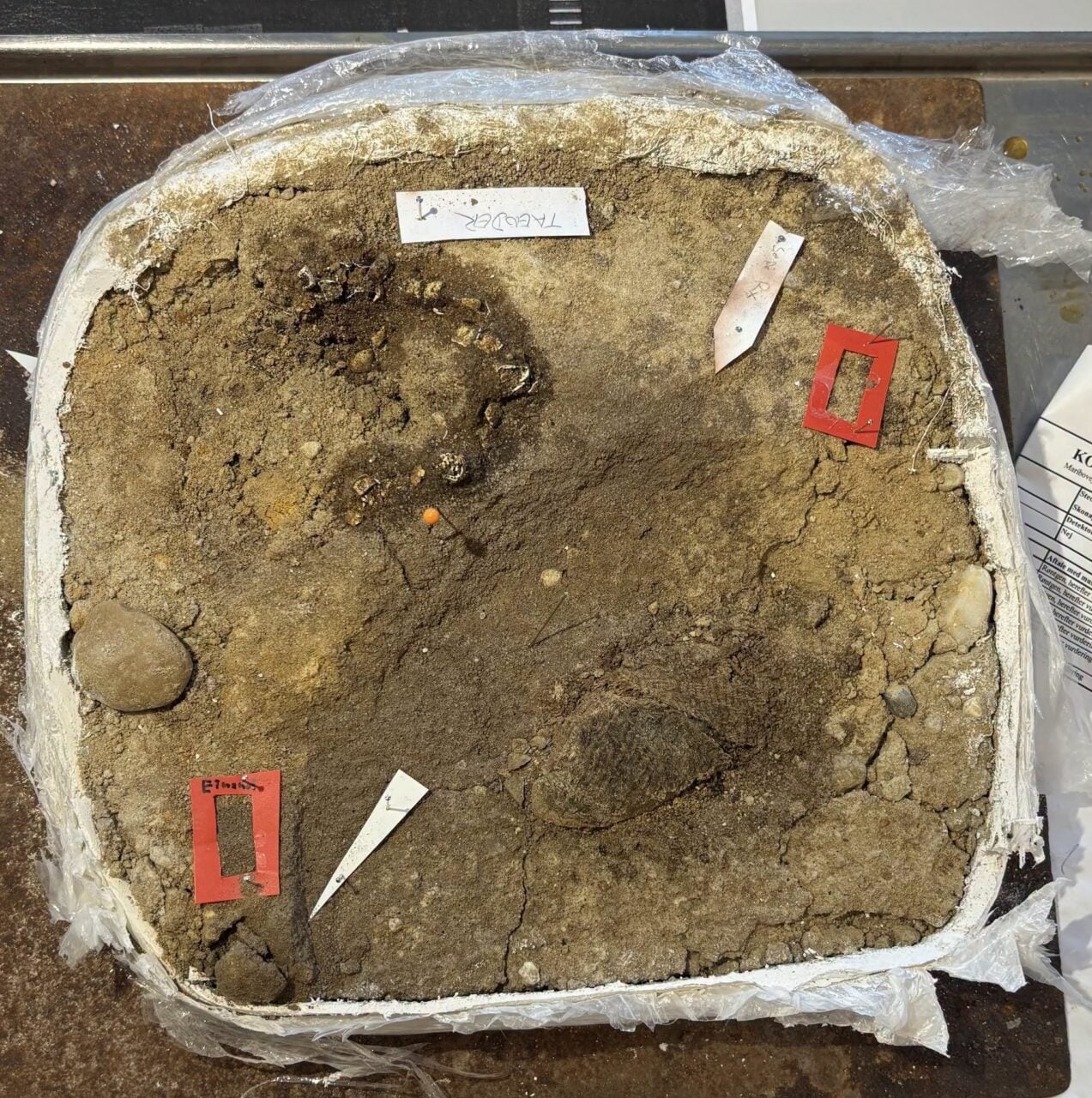
The team has removed the tomb and its contents in a soil block for lab analysis, which will allow the scientists to study it “sand grain by sand grain,” according to the Facebook post. The real discovery has yet to come; in the lab, researchers will take samples for carbon dating to lock down an exact age for the discovery. Then, the hope is to determine the color, textile, and tailoring of the woman’s dress.
For the Vikings, certain colors represented wealth and power, as explained by the National Museum of Denmark. Accordingly, identifying the garment’s physical characteristics could allude to the woman’s social status. Anthropologists with the University of Southern Denmark will also study the dental remains, which could hint at the woman’s diet and health condition.