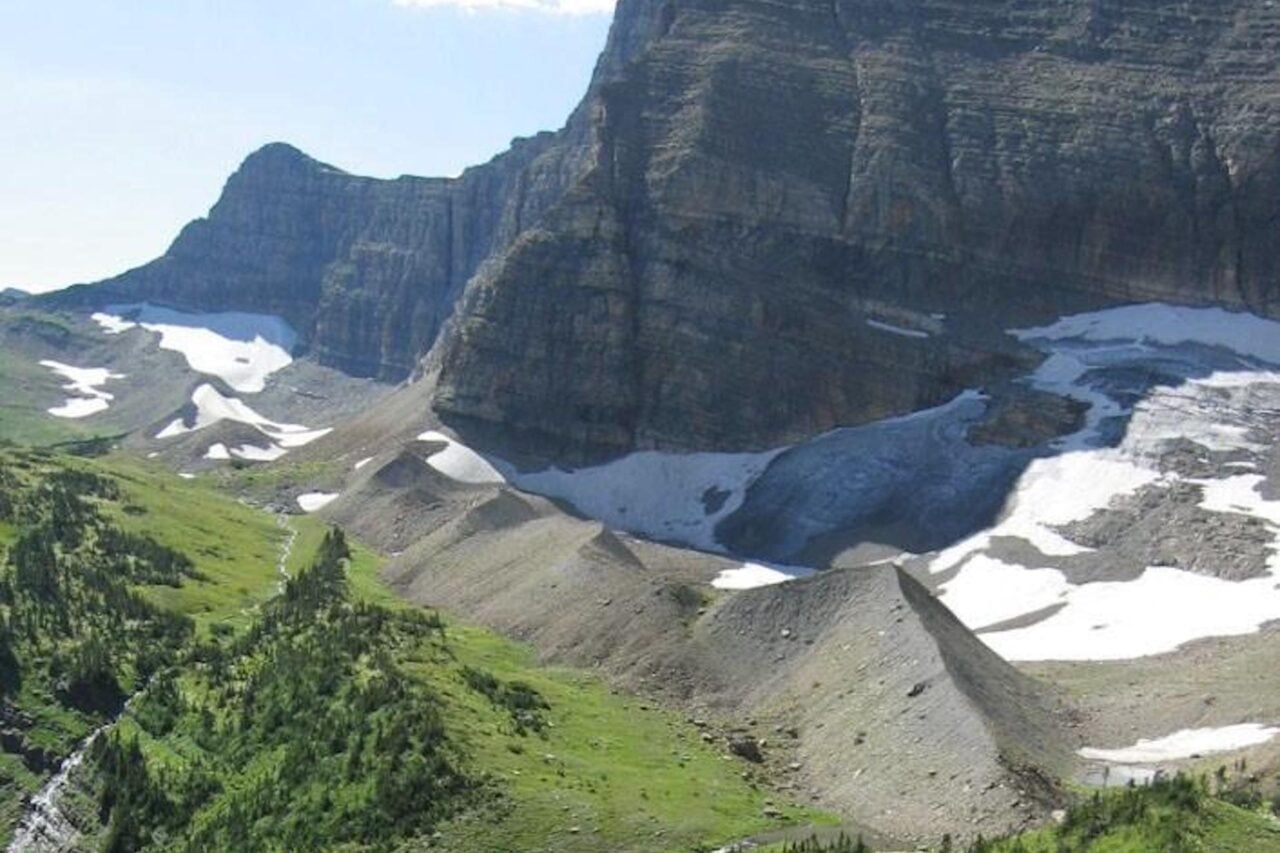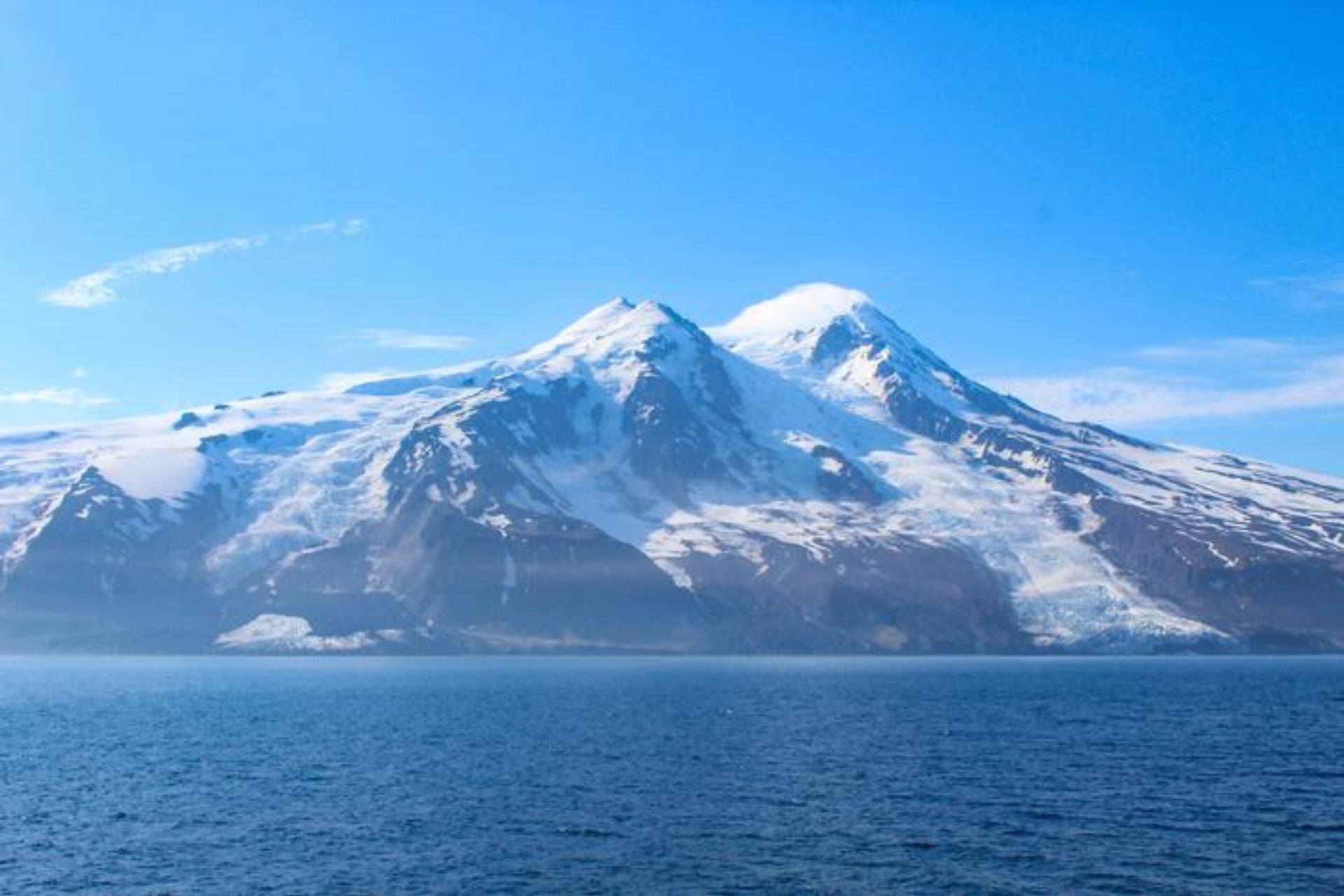
On March 10, 2025, a magnitude 6.5 earthquake rocked Jan Mayen, a Norwegian volcanic island in the Arctic Ocean. It was the biggest earthquake recorded in the region in 100 years, and the powerful shaking triggered a rock avalanche that buried a large part of the Kjerulf Glacier.
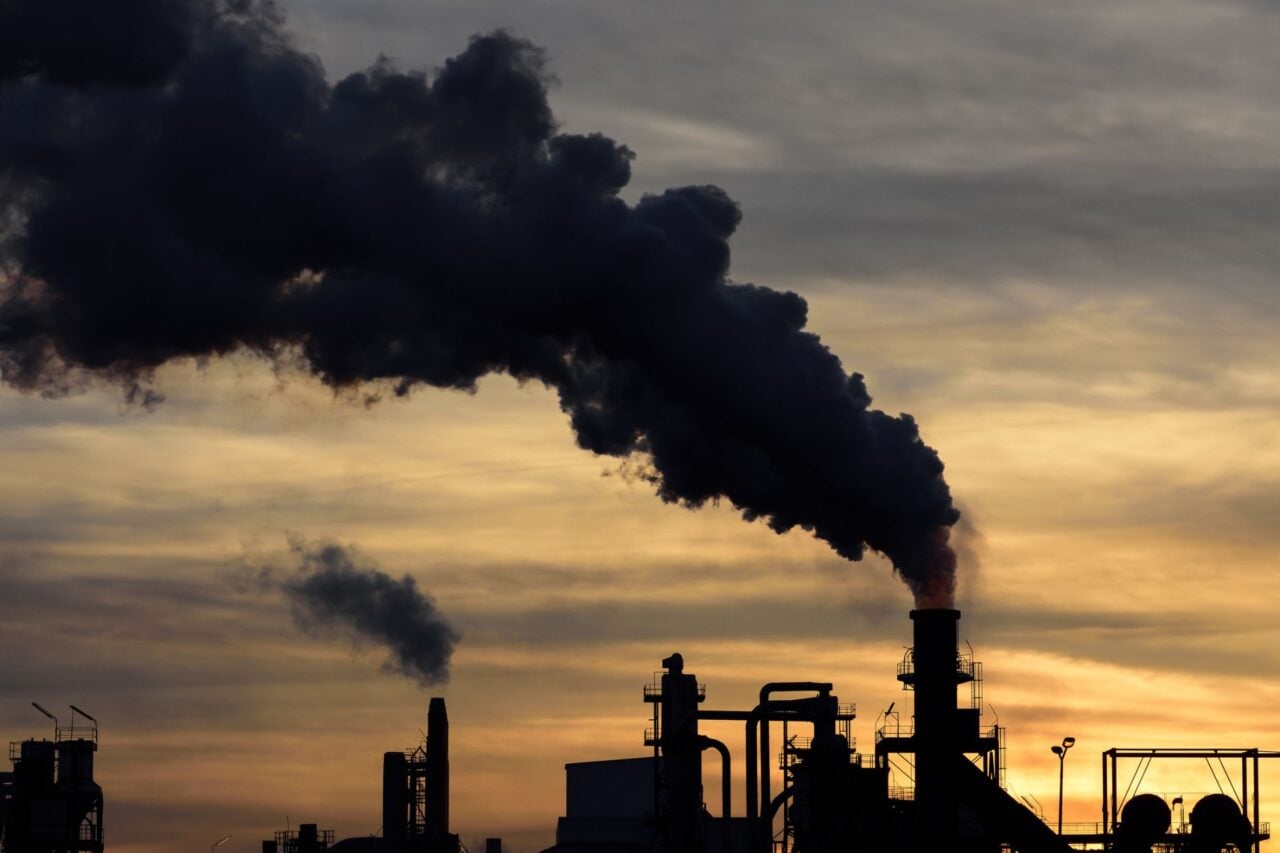
While the earthquake may have been the trigger, a study published Monday in the journal Proceedings of the National Academy of Sciences suggests climate change set the stage for this massive rockslide. Using seismic data, infrasound observations, satellite imagery, satellite ground displacement data, and climate records, the researchers determined that permafrost melt driven by Arctic warming had destabilized the slope.
“This 2025 earthquake is a striking example of cascading natural hazards,” lead author Guilherme W. S. de Melo, a postdoctoral researcher in the Marine Geodynamics research unit at GEOMAR Helmholtz Centre for Ocean Research in Kiel, Germany, said in a statement. “Our study documents, for the first time, an earthquake-triggered rock avalanche on Jan Mayen Island. The volcanic slope may have become increasingly unstable due to permafrost degradation.”
Tectonics, torrents, and temperatures
Jan Mayen is a remote island that sits next to the Jan Mayen ocean Transform Fault, which offsets the Mid-Atlantic Ridge and the Eurasian and North American plates. Due to its location near this seismically active plate boundary, earthquakes are relatively common on the island.
Despite this, satellite observations spanning the past 40 years show no evidence of earthquake-triggered rock avalanches that generated as much debris as the March 2025 event.
The researchers set out to understand why this particular quake caused such a severe rock avalanche and whether climate change could have played a role. First, they confirmed that the earthquake triggered the rock avalanche using local seismic data, Global Navigation Satellite System data, and high-resolution satellite imagery.
They found that the avalanche occurred within three minutes of the main shock, producing an estimated 1.3 million cubic yards of debris that covered 30% to 50% of the Kjerulf Gacier’s surface. Satellite radar imagery taken four hours after the quake also revealed that it triggered an ice calving event on the shoreline of the neighboring Weyprecht Glacier.
The team then analyzed air temperature records at Jan Mayen Island between 1970 and 2025, finding that average summer temperatures have increased from 36 to 37 degrees Fahrenheit (2 to 3 degrees Celsius) in the 1970s to 41 to 43 degrees F (5 to 6 degrees C) in recent years. Average winter temperatures have risen too, from about 19 to 21 degrees F (-7 to -6 degrees C) to 28 to 30 degrees F (-2 to -1 degrees C). What’s more, extreme cold events below -4 degrees F (-20 degrees C) became rare in the 1990s.
These trends are consistent with Arctic amplification: the significantly faster rate of Arctic warming compared to the rest of the world. Based on their analysis, the researchers conclude that the climate-driven destabilization of permafrost—permanently frozen ground that’s held together by ice, similar to how cement binds concrete—likely played a key role in the severity of the rock slide.
An increasingly unstable Arctic
While Jan Mayen is uninhabited except for the crew of a weather station on its southeastern coast, human-driven warming is likely exacerbating the risk of landslides and avalanches in other parts of the Arctic too, including those that are populated or heavily trafficked.
“Global warming and permafrost degradation can progressively weaken slopes and glaciers and thus increase the potential for cascading hazards—as most recently seen in the disaster on the Nepal-China border,” de Melo said. “There, the immediate trigger was a glacier/ice-rock collapse; in the event we studied on Jan Mayen, it was an earthquake. In the broader context, however, both events highlight how a warming climate can make glacial areas increasingly vulnerable to cascading hazards.”
This study highlights a growing need to study interactions between climate change, the cryosphere, and seismic activity. By bringing the Jan Mayen earthquake and rock slide into clearer focus, it now serves as yet another example of how rising global temperatures are creating a more volatile world.