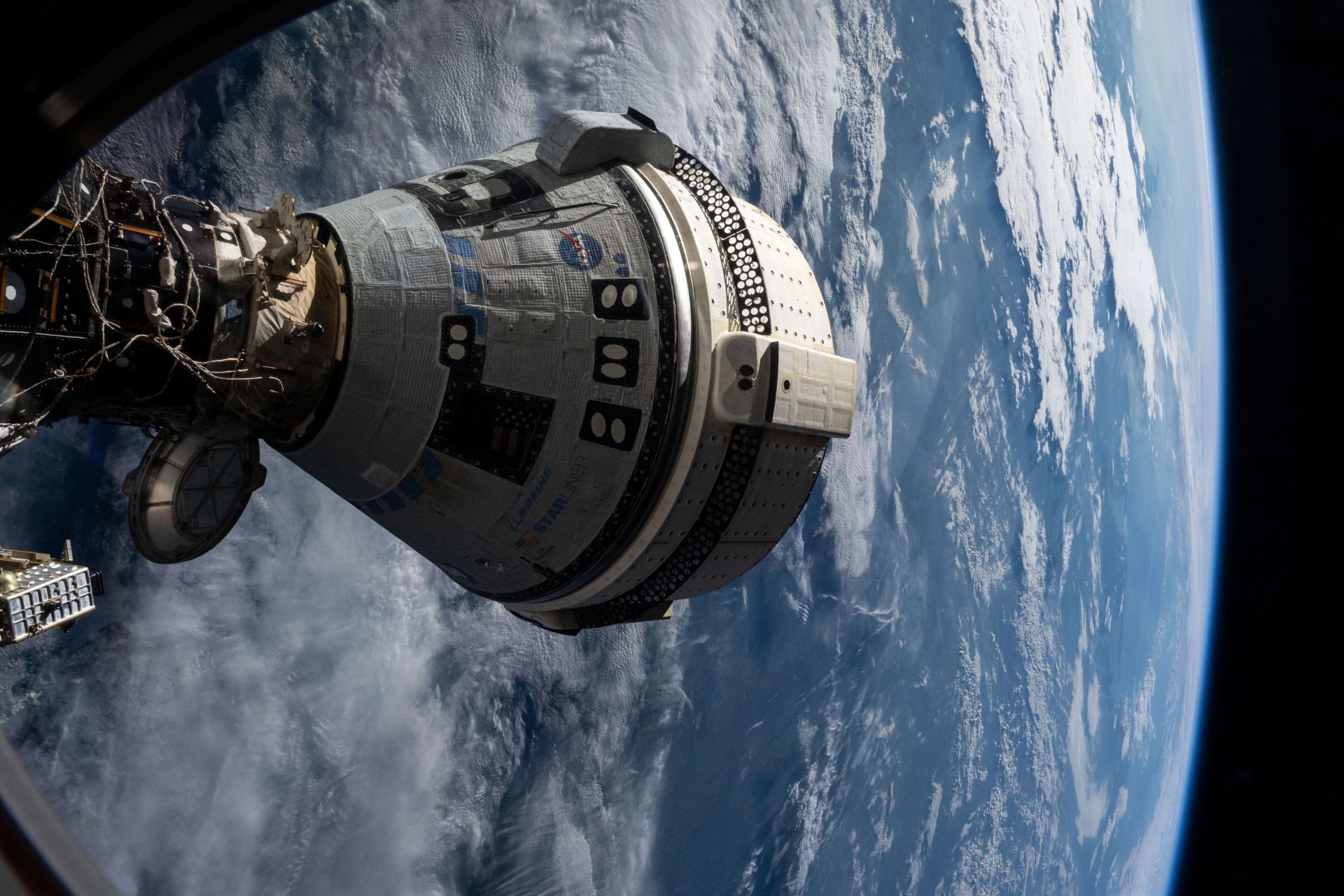
After months of unmet timelines, NASA shared the most concrete timeline yet for Boeing’s beleaguered spacecraft. And it looks like Starliner may finally get a chance to redeem itself as a viable option to transport astronauts to the International Space Station (ISS) as SpaceX’s Dragon approaches retirement.
During a press conference on Monday, NASA Administrator Jared Isaacman revealed that Starliner’s next flight will take place no earlier than December. If all goes well with the uncrewed mission, the spacecraft will get the green light to shuttle a crew to the ISS in mid-2028.
“We have worked closely with Boeing to address the issues identified on previous Starliner flights, and we intend to see this vehicle return to flight in support of the International Space Station and future commercial destinations,” Isaacman said.
A tainted history
The Starliner saga began unfolding over two years ago with the spacecraft’s first crewed test flight to the ISS. On June 5, 2024, Starliner launched NASA astronauts Butch Wilmore and Suni Williams to the ISS when five of the spacecraft’s thrusters failed, forcing the crew to perform manual piloting. Starliner also developed five helium leaks, one of which had been identified prior to its launch.
NASA deemed the spacecraft unfit to carry the astronauts back home and returned its crew on board SpaceX’s Dragon spacecraft instead. Starliner later returned uncrewed in September 2024. Since then, Boeing has been working on fixing the spacecraft’s technical issues in hopes to get its troubled program back on track.
Earlier this year, NASA officials said that teams have made great progress toward fixing the helium leaks and testing the thrusters that malfunctioned during Starliner’s last mission. At the time, NASA was hopeful that Starliner would return to flight in April for an uncrewed mission. Later in July, Boeing executives suggested that most of the work being done to troubleshoot Starliner’s technical issues is complete.
Running out of options
NASA’s recent update on Starliner comes shortly after SpaceX halted production of its Crew Dragon spacecraft. The Dragon capsule is currently the only operational U.S. vehicle NASA can use to transport its astronauts to low-Earth orbit, but SpaceX is intent on retiring the spacecraft by 2030.
“I do not think it’s a secret that SpaceX intends to sunset older platforms like Falcon and Dragon as they concentrate on their next generation capability, Starship,” Isaacman said Monday. “Given our extensive history with Starliner and the taxpayer investment already made, we believe it represents the fastest path to preserving reliable crewed access to low Earth orbit.”
NASA was nearing the end of its contract with SpaceX when it awarded the company a $946 million contract to fly three more crewed ISS missions with Crew Dragon through 2030. The agency seems hellbent on putting Boeing’s spacecraft to work, creating a second transport option for its astronauts.
That persistence has already cost the agency. NASA classified Starliner’s test flight as a Type A mishap, stating that the agency’s overarching goal of having multiple crew transport systems influenced engineering and operational decisions during the mission.
Starliner’s upcoming flight will serve as an engineering evaluation mission to verify changes made to the spacecraft before a crew is strapped in. “With the safety of our space station crew and the public as our highest priority, we will test Starliner’s propulsion system through targeted demonstration objectives and disciplined operational controls,” Dana Weigel, manager of NASA’s Low Earth Orbit Program, said Monday. “These steps are essential to validating Starliner’s thermal performance which is a key element for the certification.”