The brainiacs at H.P. think they’ve discovered a way to replace transistors with technology that will shrink chips to the atomic scale. Emphasis on “brain.”
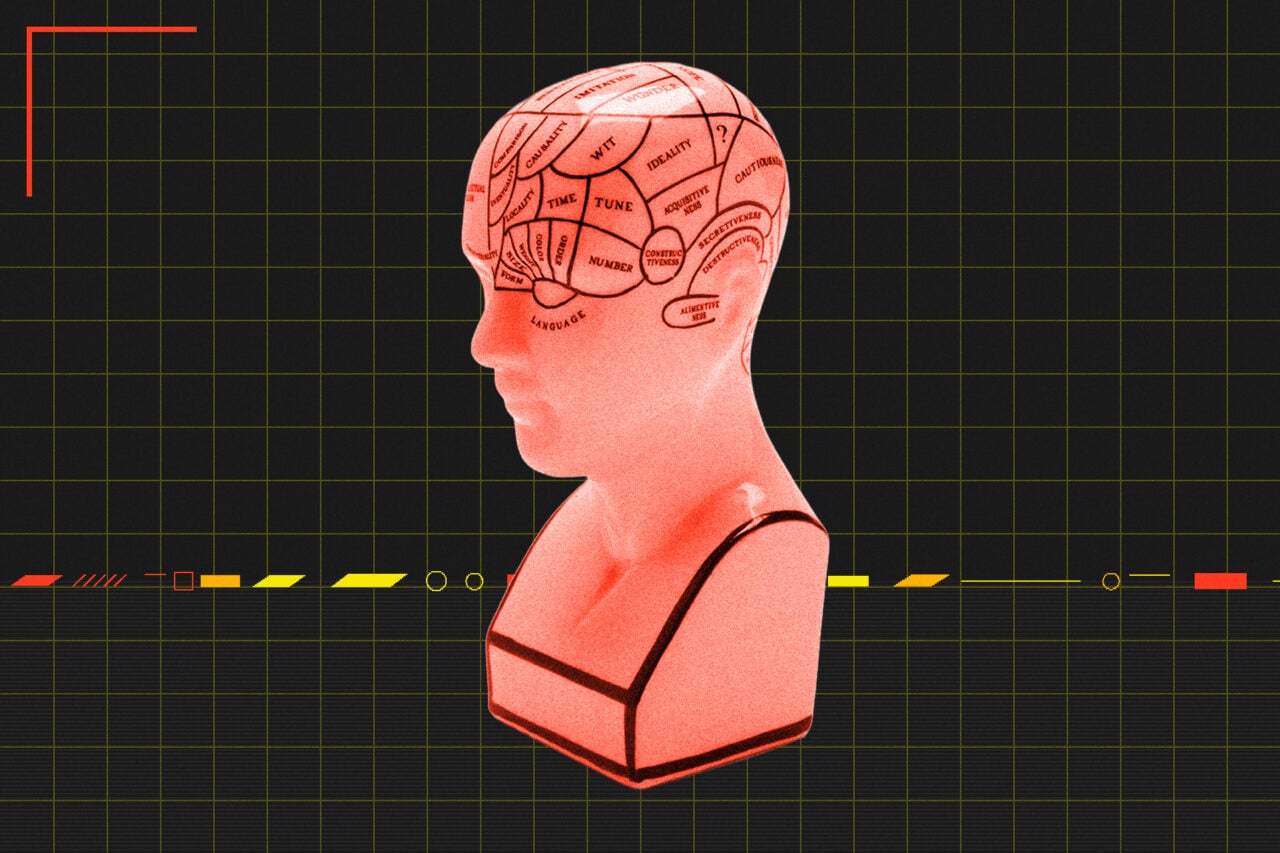
They’re even throwing around impressive hyperbole, saying, as electrical engineer Dr. Leon O. Chua did, that “we have the right stuff now to build real brains.” Bwah? Real brains?
Sort of. The “stuff” is called a memristor, and truth be told Dr. Chua actually conceived the idea way back in the Digital Dark Age known as 1971 (seriously, there was no Facebook). It was only in 2008, however, that an H.P. lab at UC Berkeley was able to implement the technology and compare the result to how a human brain operates. Turns out they’re similar, Dr. Chua said, with our organic synapses and gray matter behaving very much like his artificial memristors.
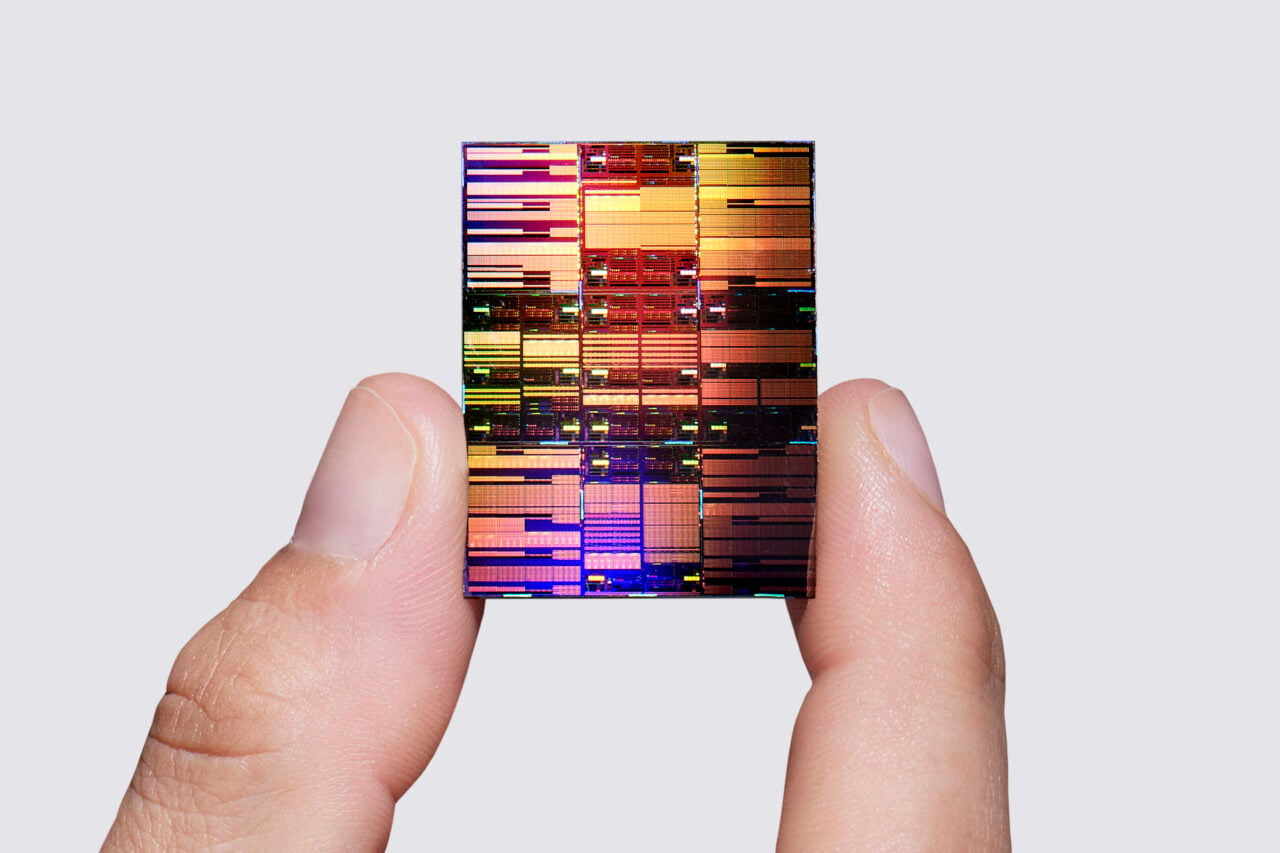
A memristor’s strength is derived from the fact that it is far simpler than a traditional semiconducting transistor and that it can store information without an electric current. It’s also much, much smaller—3-nanometers, compared to 30-40 nanometers in today’s most advanced transistors—which is important to note as chipmakers hit a wall in terms of transistor size.
H.P. researchers believe that by 2013 memristors-based memory could be a serious challenger to flash memory, with a capacity of 20GB per square centimeter. Artificial brains will inevitably arrive sometime later.
Image: Desenchufados [New York Times]