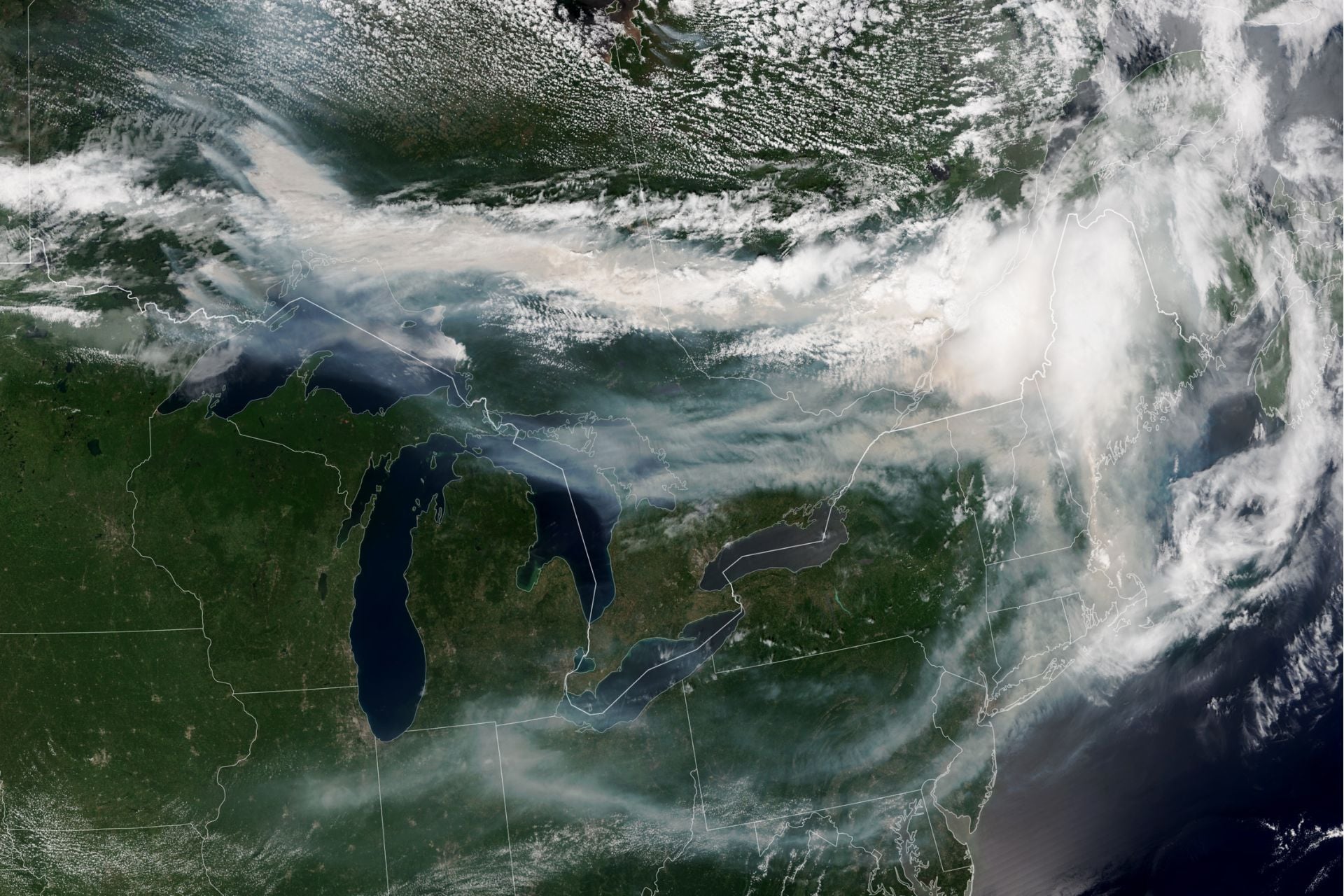
After a relatively slow start to Canada’s wildfire season, activity has exploded. Giant plumes of smoke are bringing diminished air quality to Ontario, Quebec, and parts of the U.S. Midwest and Northeast, and in some areas, it’s going to get worse before it gets better.
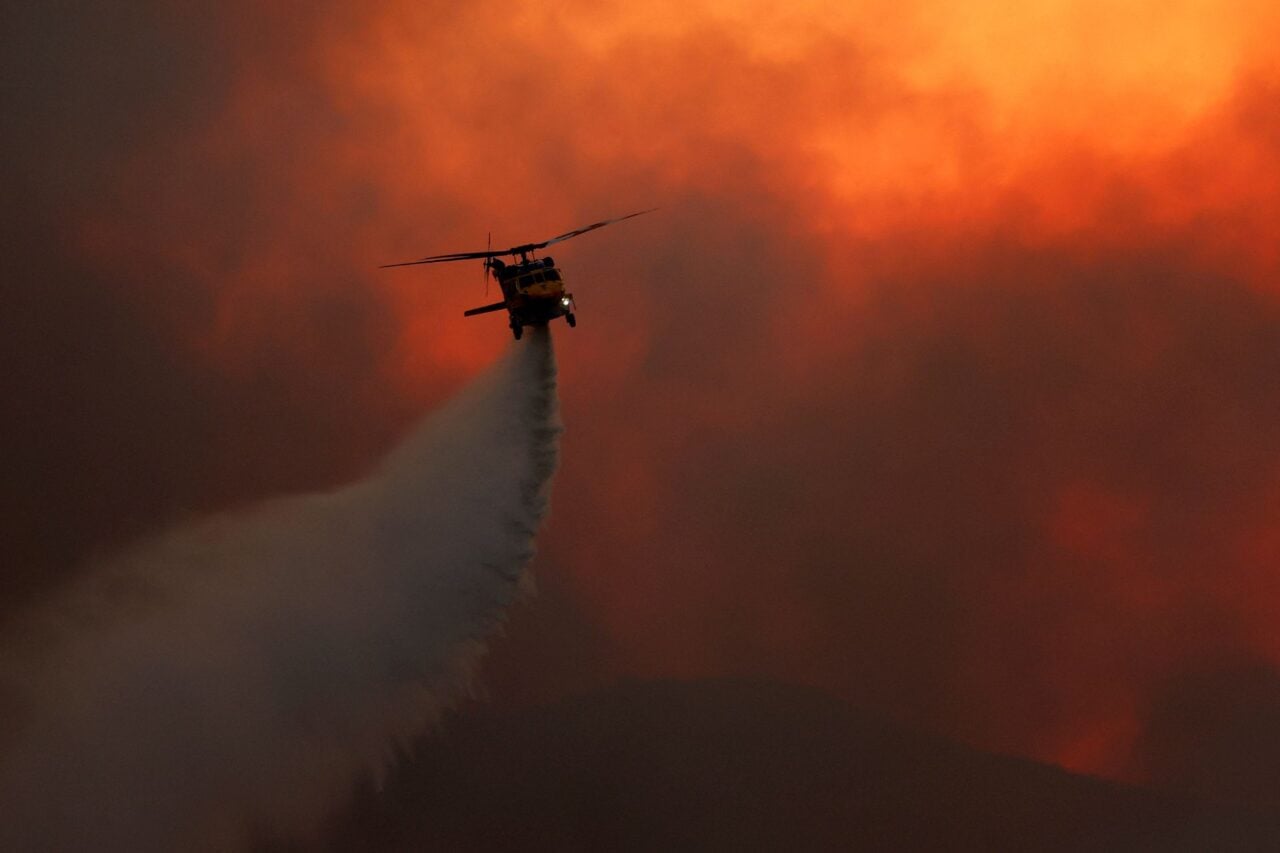
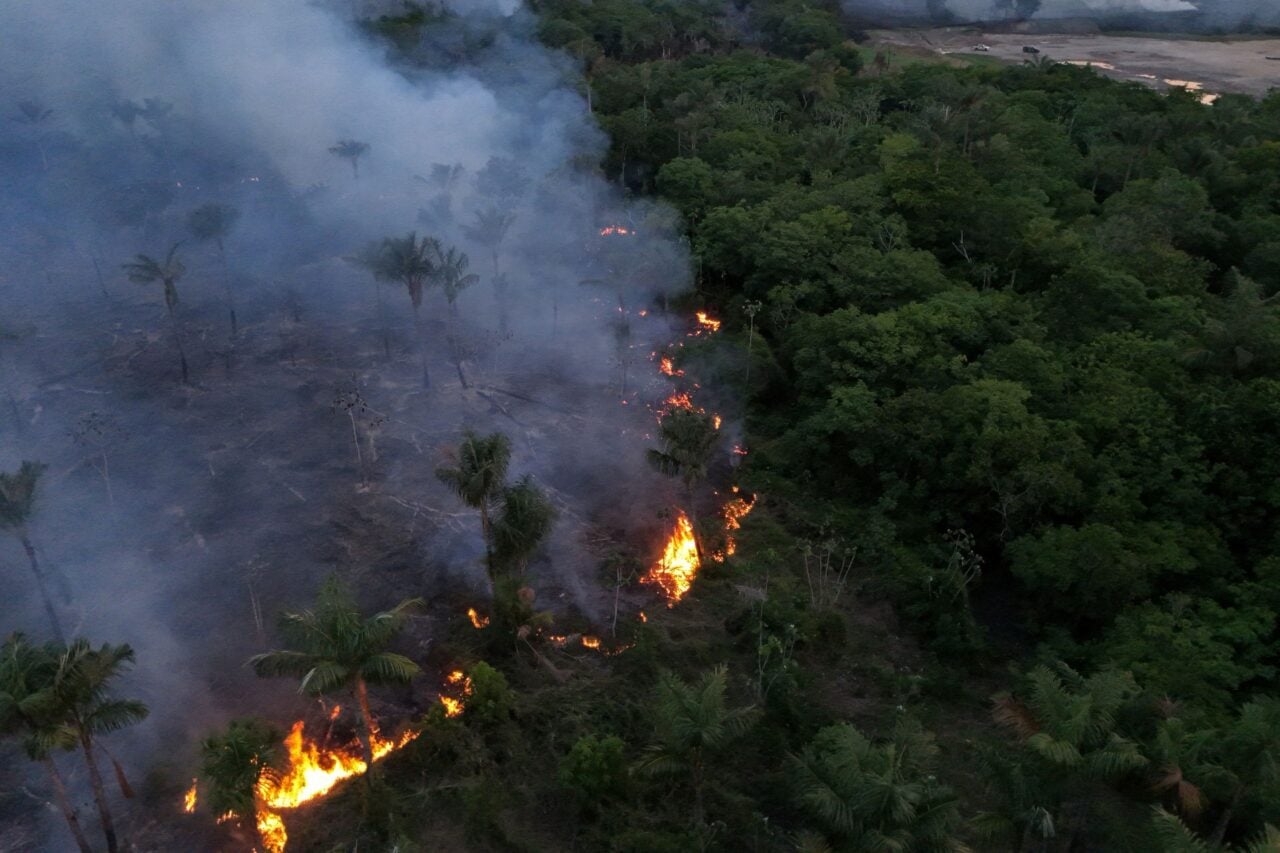
As of Thursday morning, 858 fires were burning across Canada, with 725 considered “out of control,” according to the Canadian Interagency Forest Fire Center (CIFFC). Activity started ramping up at the end of June amid dry, warm conditions. Most of the fires are located in Quebec, the Northwest Territories, and Ontario, producing massive amounts of smoke that are blowing southeastward across Canada and into the United States. Detroit, Michigan, is suffering the worst air quality in the world today, followed by Toronto and Minneapolis, according to IQAir.
All three cities are experiencing “hazardous” conditions, which means the entire population is at high risk of strong irritation and negative health effects that could trigger respiratory and cardiovascular illnesses. Across the Great Lakes, Northeast, and Midwest, the air quality index ranges from moderate to hazardous levels, primarily due to smoke billowing in from western Ontario. Multiple wildfires raging in northern Minnesota are also contributing to diminished air quality in the Great Lakes region.
The worst conditions have yet to come
Through Friday, forecasters expect more than 115 million people to be exposed to unhealthy air quality, meteorologist Ben Noll reports for the Washington Post. The National Weather Service has issued air quality alerts across a wide swath of the country, with warnings stretching from northeastern Montana to Vermont and as far south as eastern Virginia.
As the smoke moves into the Mid-Atlantic and encroaches on the Southeast, engulfing much of Virginia and parts of North Carolina, unhealthy air quality will abruptly develop Thursday night and persist through Friday night, according to Noll. Forecasters also expect a second plume of dense smoke to descend upon New York and Boston during the latter half of Thursday, Noll reports. As much of the country continues to swelter through a heat wave, above-average temperatures will help trap smoke near the ground.
“It’s dangerously hot and smoke from Canadian wildfires has worsened our air quality, which means New Yorkers need to be extra vigilant to stay safe,” New York City Mayor Zohran Mamdani said in a statement on Wednesday. According to the New York City Emergency Management office, this could become the most significant smoke event in NYC since June 2023, when unprecedented Canadian fires pushed the air quality index to hazardous levels.
Canada’s wildfire season just getting started
Wind and rain could help clear smoke from the Northeast and Mid-Atlantic over the weekend, but it’s unclear how impactful this will be, Noll reports. Even if these regions get some relief, it may not last long. The CIFFC expects the vast majority of these active fires to keep growing, and fire weather is forecast to intensify and expand across the country over the next week.
On Tuesday, agencies in the U.S., Canada, and Mexico issued a joint North American Seasonal Fire Assessment and Outlook, stating that nationwide warmth and regional precipitation deficits across Canada will continue to produce fire danger through the end of July.
The rapidly strengthening El Niño will help funnel smoke from Canada into the United States. El Niño shifts the jet stream so that winds blow from northwestern Canada into the eastern U.S., creating an atmospheric conveyor belt for smoke. At the same time, El Niño favors hot, dry weather over western Canada, helping wildfires ignite and grow.
Climate change has ushered in an era of fiery, smoke-choked summers in North America, and while some seasons are worse than others, it’s clear that this is the new reality. Understanding the hazards of wildfire smoke will be critical as people are increasingly exposed to this harmful air pollutant.